Difference between Pressure Treated Wood And Regular Wood: Essential Insights
When it comes to choosing the right wood for your next project, understanding the difference between pressure treated wood and regular wood can make all the difference. Imagine creating an outdoor deck that withstands the test of time or a beautiful indoor piece that brings warmth into your home.
You want your project to not only look great but also last for years, right? This is where knowing the strengths and weaknesses of each type of wood can be your secret weapon. By the end of this article, you will be equipped with the knowledge to make an informed decision that suits both your aesthetic and durability needs.
Dive in to discover which wood will be the perfect match for your next masterpiece.
Composition And Treatment
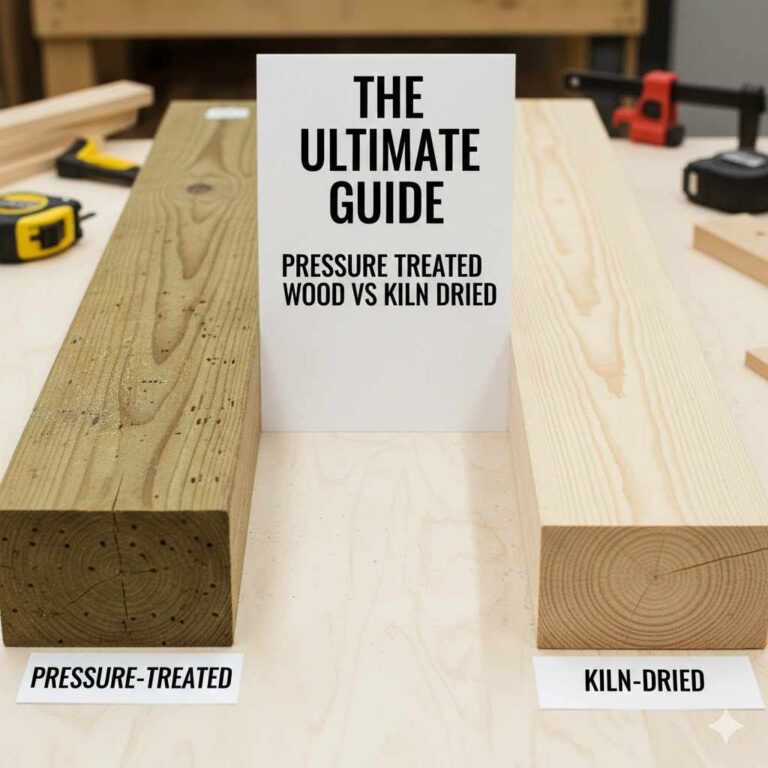
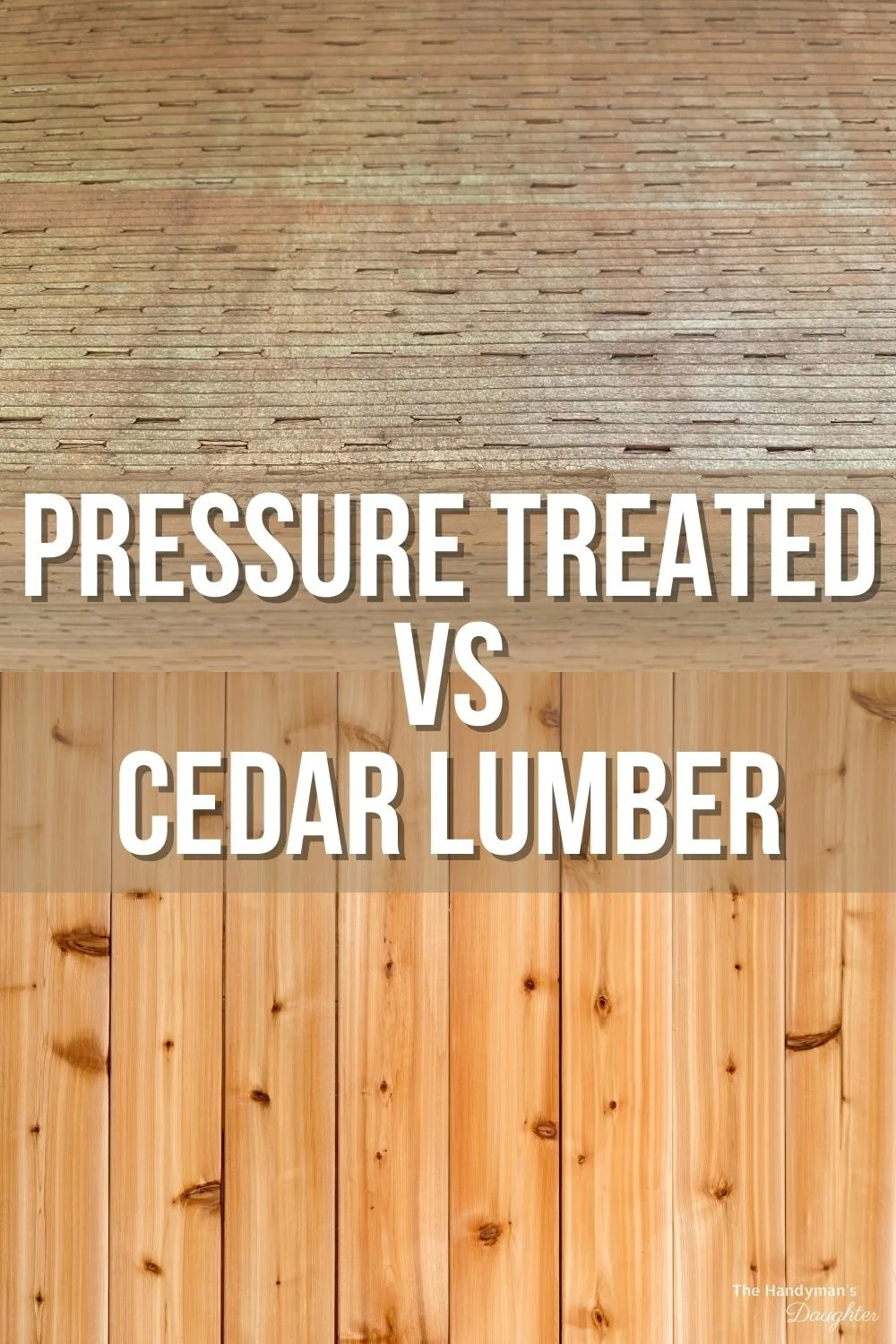
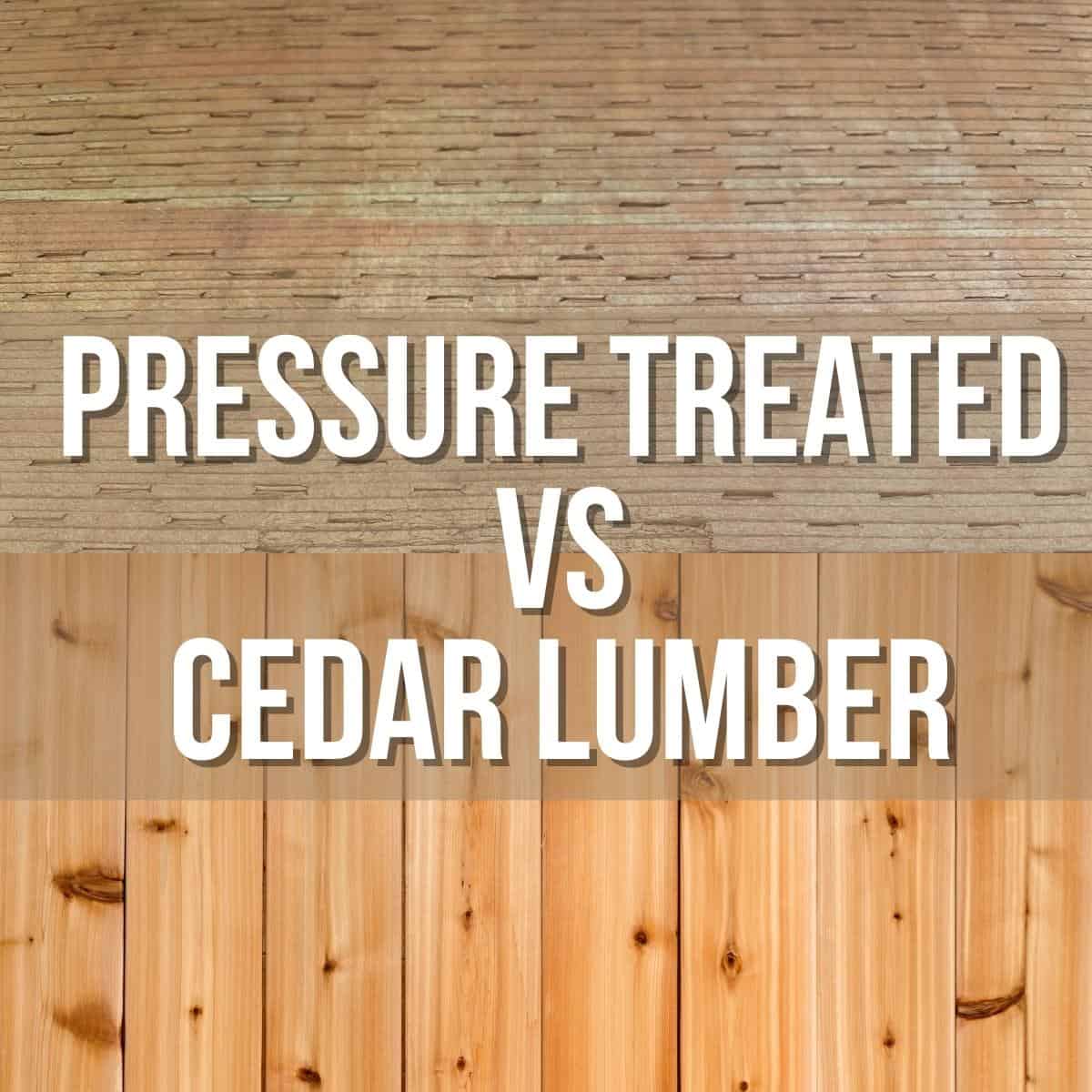
Pressure treated wood is made from softwood. It is usually pine or spruce. This type of wood is treated with special chemicals. Regular wood doesn’t have any chemicals. It can be softwood or hardwood. Examples include oak, maple, and cedar. Regular wood is more natural and untreated.
Pressure treated wood goes through a process. This process uses chemicals to protect the wood. The chemicals keep bugs and rot away. This wood lasts longer outside. Regular wood does not have these chemicals. It might not last long outside. It can rot or get bugs easily.
Credit: www.thehandymansdaughter.com
Durability And Lifespan
Pressure treated woodwithstands rain, sun, and insects better. This makes it ideal for outdoor projects. It resists rot and decay. Regular wood lacks this special treatment. Hence, it is more prone to damage. It’s not great for outdoor use. It can rot quickly when exposed to elements.
Pressure treated woodis much tougher against the weather. It doesn’t warp easily under heat. Rain does not harm it as much. Regular wood absorbs moisture fast. It can swell or crack. It’s less reliable in harsh climates.
Pressure treated woodlasts longer than regular wood. It can serve for decades with proper care. Regular wood has a shorter lifespan. It needs frequent maintenance. Without care, it deteriorates quickly. Choose wisely for your projects.
Cost Considerations
Pressure treated wood costs more than regular wood. The treatment process makes it last longer. This adds to its price. Regular wood is cheaper. It does not have the special treatment. For small projects, regular wood can save money. But, for projects needing longer life, pressure treated is better.
Pressure treated wood needs less upkeep. It resists bugs and rot. This saves money over time. Regular wood needs more care. You might spend more on repairs. Or buy new wood sooner. Think about the project size. This helps decide which wood fits best.
Environmental Impact
Pressure treated woodlasts longer. It needs fewer replacements. This means fewer trees cut down. Less wood waste. This helps our planet. Regular woodcan rot or get bugs. It needs replacing more often. This uses more trees. More waste. Not as good for nature.
Some pressure treated wood uses safer chemicals. These are better for the earth. Eco-friendly woodoptions exist. They use less harmful treatments. This helps keep soil and water clean. Regular wood can be eco-friendly too. It depends on how it’s grown. Look for wood from well-managed forests. This helps protect nature.
Safety And Health
Pressure treated wood is infused with chemicals to resist decay and insects. Regular wood lacks these protective treatments. Choose wisely for your project’s longevity and safety.
Potential Risks
Pressure treated wood has chemicals. These can be harmful. Arsenic and chromium are in some types. They can cause skin irritation. Breathing sawdust is risky. Regular wood does not have these chemicals. But splinters can still hurt. It’s important to know the risks.
Safe Handling Practices
Wear gloves when touching pressure treated wood. Use masks when cutting it. This stops dust from entering your nose. Always wash hands after working with it. Keep it away from food. Regular wood is safer. Still, be careful with tools. Safety is always important.
Credit: www.thehandymansdaughter.com
Applications And Uses
Pressure treated wood is perfect for outdoor projects. It fights rain and bugs. Decks and fences made from it last longer. Regular wood, though, needs more care. It can rot or break in rain. Pressure treated woodis also good for garden beds. It keeps plants safe from pests. Regular wood might not last as long.
Indoor projects often use regular wood. It looks nice and feels smooth. Regular woodfits well in homes. It makes great furniture and floors. Pressure treated wood is less common inside. It might have chemicals. Regular wood is easy to paint. It can match any room style. It’s safe for kids and pets too.
Maintenance Requirements
Pressure treated wood resists decay and insects better than regular wood, requiring less frequent maintenance. Regular wood demands consistent upkeep to prevent rot and pest damage, making its maintenance more labor-intensive.
Regular Maintenance
Pressure treated wood needs little care. It has chemicals that stop bugs. Regular wood needs more care. It can get bugs and rot. It must be painted often. Both types should stay dry. Wet wood can break.
Repair Needs
Pressure treated wood lasts longer. Less breaks and cracks. Regular wood can crack more. It needs fixing often. Fixing takes time and money. Pick the right wood for your needs. This saves work and money.

Credit: www.youtube.com
Frequently Asked Questions
What Is Pressure Treated Wood?
Pressure treated wood is wood infused with chemical preservatives. This process enhances its resistance to rot, insects, and decay. It’s ideal for outdoor projects due to its durability. However, safety precautions are necessary when handling it. Always use protective gear and follow guidelines to ensure safe use.
How Long Does Pressure Treated Wood Last?
Pressure treated wood can last up to 40 years. Its lifespan depends on environmental conditions and maintenance. Regular sealing and staining can extend its longevity. It’s more durable than regular wood, making it a cost-effective option for outdoor structures.
Is Regular Wood Safe For Outdoor Use?
Regular wood is less durable outdoors without treatment. It is prone to rot, insect damage, and decay. For outdoor use, sealing or staining is necessary. Consider using pressure treated wood for better longevity and resistance to environmental factors.
Can Pressure Treated Wood Be Painted?
Yes, pressure treated wood can be painted. However, it must be completely dry before painting. This can take weeks or months. Use a primer and high-quality exterior paint. Proper preparation ensures the paint adheres well and lasts longer.
Conclusion
Choosing between pressure treated and regular wood depends on your needs. Pressure treated wood resists rot, insects, and moisture, making it ideal for outdoors. Regular wood offers a natural look and is often used indoors. Consider the environment and the project lifespan.
Cost can also influence your choice. Pressure treated wood might be more expensive initially but saves in maintenance. Regular wood may require more upkeep over time. Weigh the advantages of each before deciding. This ensures the best fit for your project and budget.
Make an informed decision for lasting results.