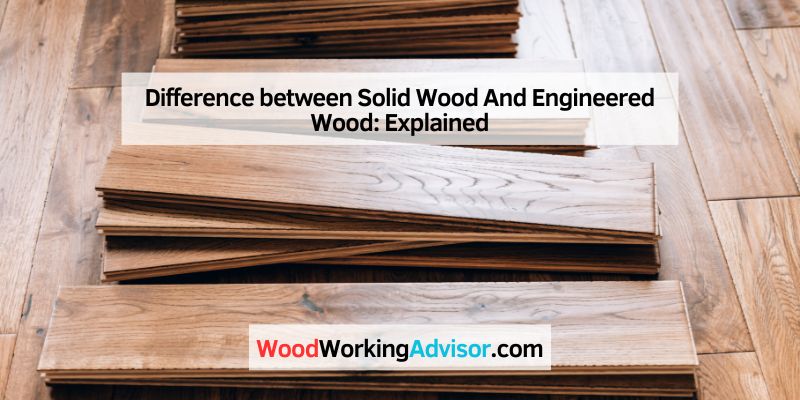
Difference between Solid Wood And Engineered Wood: Explained
When it comes to choosing the right flooring for your home, the options can seem overwhelming. You want something that not only looks great but also stands the test of time.
Two popular choices are solid wood and engineered wood flooring. But how do you decide which one is best for you? Understanding the differences between these two types of flooring is crucial to making an informed decision that you’ll be happy with for years to come.
Imagine walking into a room and instantly feeling the warmth and elegance that only the perfect flooring can provide. You deserve a home that reflects your style and meets your needs, and the right flooring can make all the difference. By the end of this article, you’ll know exactly how solid wood and engineered wood flooring compare, helping you choose the option that is truly right for your lifestyle and budget. Don’t miss out on the opportunity to transform your space with a flooring choice that fits your vision. Dive into the details of solid wood and engineered wood flooring, and discover which is the ideal match for your home.
Solid Wood Characteristics
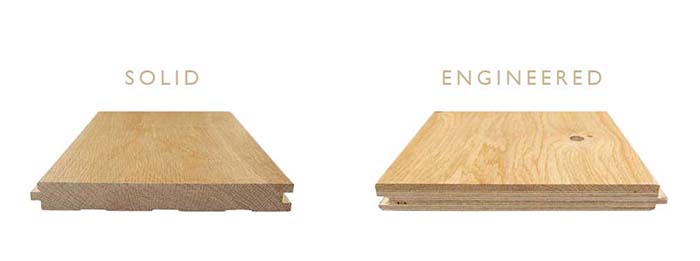
Solid wood is pure and natural. It comes from a single piece of wood. No layers or mixes are involved. This makes it authentic and genuine. Many people love its natural feel and texture.
Solid wood is very strong. It can last many years. It holds up against wear and tear. It is known for its toughness. Solid wood can be repaired easily if damaged. This adds to its long life.
Solid wood looks beautiful. Its colors are rich and warm. The grain patterns are unique. Every piece is different. This makes homes look elegant. Many choose it for its beauty.
Credit: woodpeckerflooring.co.uk
Engineered Wood Features
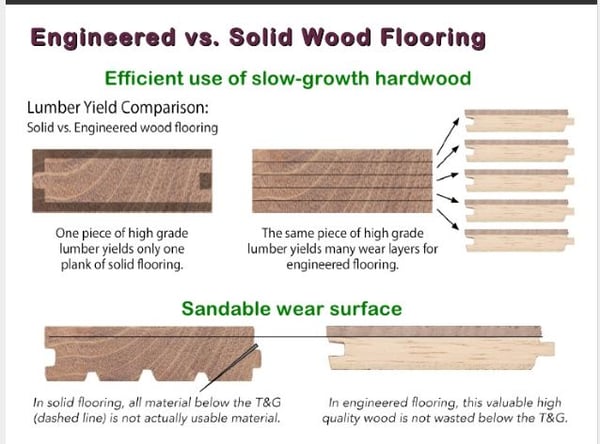
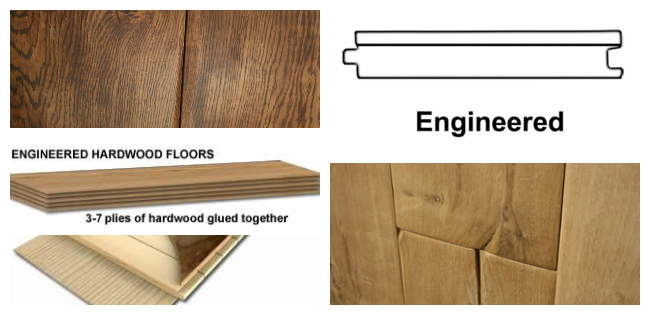
Engineered wood is made by combining layers of wood. These layers are glued together. The top layer is real wood. This gives the floor a natural look. The layers below are plywood or fiberboard. This adds strength to the flooring. The process helps to make the wood stable.
Engineered wood is very versatile. It can be used in many rooms. Even rooms with moisture. It stays flat and stable over time. It does not bend easily. This makes it a good choice for kitchens and basements. It can handle changes in temperature and humidity.
Engineered wood is often more affordable than solid wood. It gives a similar look to solid wood but costs less. This makes it a popular choice for many homeowners. It offers good value for money. It is also easier to install, saving time and labor costs.
Comparative Analysis
Solid wood flooring uses more trees. This affects forests. Engineered wood uses less wood. It saves trees. Engineered wood can be more eco-friendly. It uses recycled materials. This helps the environment. Both types have pros and cons. Choose wisely.
Solid wood can warp in wet areas. Engineered wood handles moisture better. It has layers. These layers protect from water damage. Bathrooms or kitchens may need this. Think about water safety.
Solid wood can be hard to install. Engineered wood is easier. It often has click-lock designs. Maintenance is simpler too. Less sanding needed. Cleaning is quick for engineered wood. Solid wood needs more care.
Applications In Design
Solid wood flooring is often used in living rooms. It gives a warm look. Engineered wood is good for kitchens. It handles water better. Both types can fit bedrooms. They offer different styles and colors. Solid wood can be sanded many times. Engineered wood has a strong top layer.
Solid wood is not the best for outside. It can warp in rain. Engineered wood works better. It stays strong in changing weather. Decks and porches use it often. It looks nice and lasts long. But, both need care. Protection helps them stay pretty.
Solid wood is used for tables and chairs. It is strong and durable. Engineered wood makes good cabinets. It is lighter and easier to shape. Both are used in homes and offices. They provide different looks. Solid wood is classic. Engineered wood offers a modern feel.
Choosing The Right Material
Engineered woodoften costs less than solid wood. It is a good choice for tight budgets. Solid wood may be more expensive. But it can last longer. Think about how much money you want to spend. Balance your budget with your needs.
Solid wood can last a long time with care. It can be sanded and refinished many times. Engineered woodis strong too. But it cannot be sanded as much. Both types can last for years. Choose what fits your future plans.
Some people like the look of solid wood. It is natural and unique. Engineered wood has many styles too. It can look like real wood. Think about what you like best. Your home should match your style.
Credit: info.floordecorct.com
Credit: esbflooring.com
Frequently Asked Questions
What Is Solid Wood Flooring?
Solid wood flooring consists of natural wood planks from a single piece of timber. This type of flooring offers durability and longevity. It can be sanded and refinished multiple times. Solid wood provides a classic, timeless look. It is susceptible to moisture and temperature changes, which can cause warping.
What Is Engineered Wood Flooring?
Engineered wood flooring features a top layer of real wood over plywood or high-density fiberboard. It offers better resistance to moisture and temperature changes than solid wood. Engineered wood is more stable and less likely to warp. It can be installed in basements or over radiant heating systems.
Which Flooring Type Is More Durable?
Solid wood flooring is generally more durable due to its thicker construction. It can be sanded and refinished multiple times, extending its lifespan. However, engineered wood offers stability in humid environments. It is less prone to warping or shrinking, making it suitable for areas with fluctuating humidity levels.
Can Engineered Wood Be Refinished?
Engineered wood can be refinished, but not as often as solid wood. Its top layer determines the number of times it can be refinished. Typically, it can be sanded and refinished once or twice. The thicker the top layer, the more refinishing options are available, enhancing its lifespan.
Conclusion
Solid wood and engineered wood offer distinct benefits. Solid wood provides timeless beauty. Ideal for those seeking natural charm. Engineered wood offers stability in changing climates. Great for moisture-prone areas. Both options enhance home aesthetics. Consider your needs and budget.
Choose solid wood for classic elegance. Pick engineered wood for durability. Installation and maintenance matter too. Solid wood requires more care. Engineered wood is easier to maintain. Each has its own appeal. Weigh the pros and cons. Make an informed choice.
Transform your space with the right flooring.