Prefinished Solid Wood Floors: Pros, Cons, and Real Costs
Prefinished solid wood floors are hardwood planks sanded, stained, and sealed with an aluminum-oxide finish at the factory, so they’re walkable the same day they’re installed — no on-site curing wait. Skip acclimation or install over radiant heat, though, and the micro-beveled seams will telegraph every subfloor dip within a year. This guide covers real cost per square foot, how solid stacks up against engineered for radiant-heat rooms, and how many times a factory finish can actually be refinished.
Quick Answer
Prefinished solid wood floors cost about $6–$12 per square foot installed and carry a factory finish rated for up to 25 years — longer than most site-applied coatings. They can be sanded and refinished 4 to 7 times over their life, but they aren’t suitable over radiant floor heating or on below-grade concrete slabs; engineered wood handles both better.
What Are Prefinished Solid Wood Floors?
Best Prefinished Floor Cleaner Pick
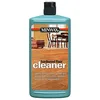
Minwax Hardwood Floor Cleaner, 32 fl oz
A no-wax, pH-balanced cleaner made specifically for factory-finished hardwood.
- Best for: routine weekly cleaning of prefinished floors
- Why we picked it: won’t leave a wax film that dulls the factory topcoat
- Main drawback: not a scratch fix — cleaning only, no restorative shine
Compare more prefinished floor care options
 Option 1 Bona Hardwood Floor Polish
|
 Option 2 Rejuvenate All Floors Restorer
|
 Option 3 method Daily Wood Cleaner
|
As an Amazon Associate we earn from qualifying purchases.
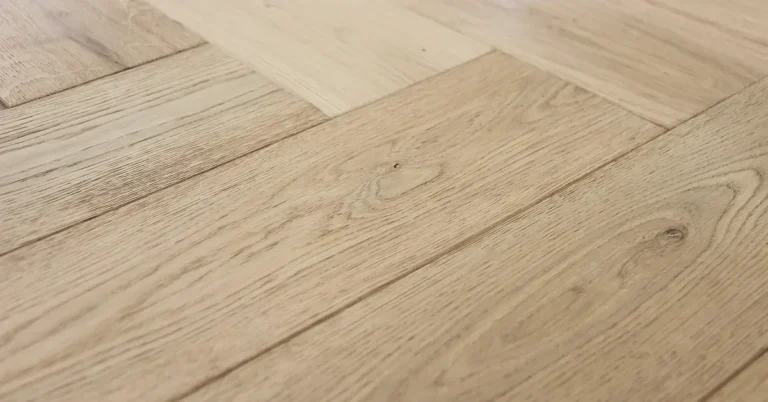
Prefinished solid wood flooring is a hardwood plank milled from a single piece of wood and finished with stain and protective topcoat at the factory, rather than sanded and sealed on-site after installation. Each plank typically has micro-beveled edges — small V-shaped grooves along the joints — that hide slight height differences between boards but stay visible as thin seam lines once the floor is down.
Because the finish is cured under factory UV lights instead of drying in your living room, there’s no off-gassing period and no waiting to move furniture back in. That convenience is the entire reason this product exists — the trade-off is less control over the final color, since you’re choosing from the manufacturer’s stock finishes rather than mixing a custom stain on-site.
Solid vs Engineered Prefinished: Which Should You Actually Buy?
Both solid and engineered prefinished planks come from the factory pre-sanded and pre-sealed — the difference is what’s underneath the finish. Solid planks are a single piece of hardwood top to bottom; engineered planks are a thin hardwood veneer bonded over plywood layers. That construction difference decides where each one can go:
| Factor | Prefinished Solid Wood | Prefinished Engineered Wood |
|---|---|---|
| Board construction | Single piece of hardwood, typically ¾″ thick | Thin hardwood veneer over plywood core |
| Radiant floor heat | Not recommended — solid wood expands/contracts too much | Generally safe; plywood core is more dimensionally stable |
| Below-grade / concrete slab install | Not recommended — moisture risk from the slab | Usually fine with a proper vapor barrier |
| Refinish life | 4–7 full sand-and-refinish cycles | 0–3 cycles, depending on veneer thickness |
| Acclimation before install | At least 1 week in the install room | Often 2–3 days, less movement to settle |
| Typical installed cost | $6–$12 per sq ft | $4–$11 per sq ft |
The decision usually comes down to the subfloor. Over a wood-framed subfloor with normal, stable humidity, solid wins on refinish life and resale perception. Over radiant heat, a concrete slab, or a basement, engineered is the safer choice — solid wood’s larger seasonal movement can cup, gap, or crack in those conditions.
For a deeper breakdown of the two constructions on their own, see our guide to prefinished hardwood vs engineered flooring.
Benefits of Prefinished Solid Wood Floors
- Factory-cured durability: aluminum-oxide finishes are rated for up to 25 years of wear, compared with roughly 5–7 years for a typical site-applied polyurethane coat.
- Same-day use: no on-site sanding, staining, or curing time — furniture goes back the day installation finishes.
- Lower VOCs indoors: the finishing happens off-site in a controlled factory, so there’s no sanding dust or wet-finish odor in your home.
- Consistent finish quality: every plank gets the same number of coats under the same conditions, instead of relying on how evenly one crew rolls on a topcoat.
Best Wood Species for Prefinished Solid Floors
Species matters more for solid wood than for engineered, because the entire board — not just a thin veneer — is that wood, and hardness determines how well it resists dents from dropped tools, dog nails, and chair legs.
| Species | Janka Hardness | Best For |
|---|---|---|
| Red Oak | ~1,290 lbf | High-traffic living areas, classic grain |
| White Oak | ~1,360 lbf | Slightly harder than red oak, straighter grain |
| Hard Maple | ~1,450 lbf | Kitchens and mudrooms, smooth even texture |
| Brazilian Walnut (Ipe) | ~3,684 lbf | Heaviest-use commercial or high-traffic homes |
📊 For reference, red oak (Janka ~1,290) is the industry benchmark most other species get compared against — anything below it dents more easily underfoot. — Source: hardwood industry Janka hardness testing
Real Cost Per Square Foot
Installed, prefinished solid wood typically runs $6 to $12 per square foot, materials and labor combined — roughly the same all-in price as unfinished wood once you add the cost of on-site sanding and finishing. DIY installation shaves off the labor portion, saving somewhere in the $2–$5 per square foot range compared to hiring a pro, though you take on the acclimation and subfloor-prep work yourself. For a full breakdown by wood species and region, see our guide to how much hardwood flooring costs.
| Flooring Type | Installed Cost | Typical Lifespan |
|---|---|---|
| Prefinished Solid Wood | $6–$12 / sq ft | 25–100 years with refinishing |
| Prefinished Engineered Wood | $4–$11 / sq ft | 20–30 years |
| Laminate | $2–$6 / sq ft | 10–20 years |
| Vinyl Plank | $2–$7 / sq ft | 10–15 years |
Installation and Acclimation: What the Pros Do Differently
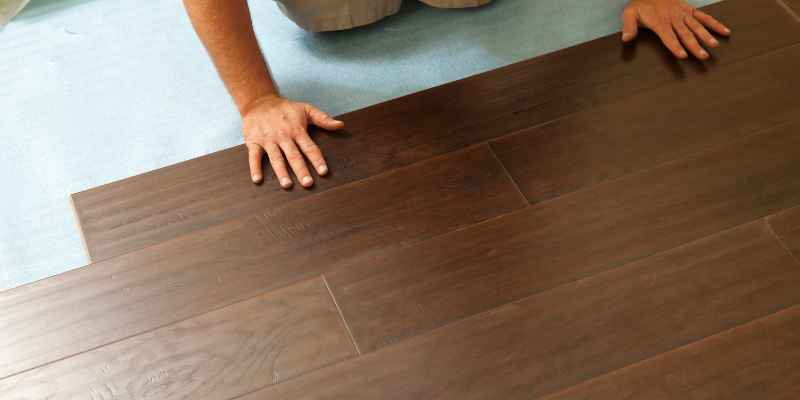
Prefinished solid planks still need to acclimate to your home before installation — leave the sealed bundles in the room where they’ll be installed for at least a week, and keep the space between 60–80°F with 30–50% relative humidity. Skipping this step is the single biggest cause of gapping and cupping in the first year, since the wood is still adjusting its moisture content after installation instead of before.
Subfloor prep matters more with prefinished boards than unfinished ones, because there’s no on-site sanding pass to smooth out small irregularities afterward. Check the subfloor for level and dryness, and use a moisture barrier over concrete or crawlspace subfloors before laying planks.
Caring for Prefinished Solid Wood Floors
Cleaning Dos
- Use a soft broom or vacuum with a hardwood floor attachment.
- Wipe up spills immediately — standing liquid is what actually damages the finish, not brief contact.
- Use a cleaner formulated specifically for hardwood, applied lightly, not poured on.
Cleaning Don’ts
- Don’t use a steam mop — the heat and moisture can cloud or lift the factory finish.
- Skip wax and oil-based polishes; they build up and interfere with future recoats.
- Avoid harsh chemicals or abrasive scrub pads.
Felt pads under furniture legs and doormats at entrances prevent most of the grit-scratches that show up on prefinished floors within the first year. In our own shop projects, the scratches that actually need a repair kit almost always trace back to a chair leg that lost its felt pad, not normal foot traffic.
Common Mistakes That Damage Prefinished Solid Wood Floors
- Installing over radiant heat: solid wood’s seasonal expansion and contraction is too aggressive for the steady heat cycling of radiant systems — use engineered wood in those rooms instead.
- Skipping acclimation: installing straight out of the box, before the wood has adjusted to the room’s humidity, is the top cause of gaps and cupping in year one.
- Installing on a concrete slab without a moisture barrier: slabs wick moisture upward, and solid wood swells and buckles in response.
- Wet-mopping or steam-cleaning: standing water and steam heat can cloud or lift the factory aluminum-oxide finish over time.
- Ignoring humidity swings: letting indoor relative humidity drift far outside the 30–50% range stresses seams even on a well-acclimated floor.
Frequently Asked Questions
What are prefinished solid wood floors?
Prefinished solid wood floors are hardwood planks milled from a single piece of wood, sanded and coated with finish at the factory before they ever reach your home. They need no on-site sanding or finishing and are ready to walk on the same day they’re installed.
Is prefinished solid wood flooring better than engineered?
Neither is universally better — it depends on the subfloor. Solid wood offers more refinish life (4–7 cycles vs 0–3 for engineered) and often better resale perception, but engineered wood tolerates radiant heat and concrete slabs that solid wood can’t handle without warping.
How many times can prefinished solid wood floors be refinished?
A standard ¾-inch solid plank can typically be sanded and refinished 4 to 7 times over its lifetime, since each sanding pass removes only about 1/32 inch of wood. That’s what gives solid wood a realistic lifespan of 25 to 100 years with proper care. See our full guide to refinishing prefinished hardwood for the step-by-step process.
Can you install prefinished solid wood floors over radiant heat?
No, it’s not recommended. Solid wood expands and contracts too much with the temperature cycling of a radiant system, which raises the risk of cupping, gapping, or cracking. Prefinished engineered wood, built on a more dimensionally stable plywood core, is the standard recommendation for radiant-heated rooms.
Are prefinished solid wood floors water-resistant?
They resist brief moisture better than unfinished wood, but they aren’t waterproof. Standing water and steam can still damage the finish and the wood underneath, so spills should be wiped up promptly and indoor humidity kept between 30% and 50%.
Prefinished solid wood floors trade a little color customization for a factory finish that’s tougher and faster to live with than most site-applied coatings — as long as the subfloor is the right fit. Over a stable, wood-framed subfloor, solid is the higher-refinish-life, better-resale choice; over radiant heat or a slab, engineered wood is the safer call instead. Either way, start with our wood flooring guide to confirm which category fits your room, and check what prefinished hardwood flooring is at a glance before you buy.
Sponsored / affiliate links. As an Amazon Associate I earn from qualifying purchases. I may earn additional commission from eligible campaigns.