DIY Wood And Metal Fence: Stunning Ideas to Transform Your Yard
Are you looking to boost your home’s curb appeal while adding security and style? A DIY wood and metal fence might be exactly what you need.
Combining the warmth of wood with the strength of metal creates a fence that’s both beautiful and durable. In this guide, you’ll discover simple steps to build your own fence, even if you’re new to DIY projects. Ready to transform your outdoor space and save money?
Keep reading to learn how you can create a stunning wood and metal fence that stands out in your neighborhood.
Benefits Of Wood And Metal Fences
Wood and metal fences offer many benefits for home and garden spaces. They combine the natural look of wood with the strength of metal. This mix brings a great balance between style and function. Many homeowners choose these fences for their lasting value and attractive appearance. They work well in different weather conditions and suit various design tastes.
Durability And Strength
Metal parts add strong support to the fence. They resist rust and damage from wind or rain. Wood provides a solid base but needs care to last. Together, wood and metal create a fence that stands firm for years. This combo holds up better than fences made from only one material.
Aesthetic Appeal
Wood offers a warm, natural look that fits many homes. Metal adds a modern and sleek touch. This mix allows for many design styles, from classic to contemporary. You can paint or stain wood to match your home. Metal can be shaped into decorative patterns, adding charm to the fence.
Cost-effectiveness
Wood and metal fences often cost less than full metal fences. Wood is usually cheaper and easy to work with. Metal parts help reduce future repair needs. This lowers maintenance costs over time. The fence’s long life means fewer replacements and saves money.
Choosing The Right Materials
Choosing the right materials is key to building a strong and lasting fence. Wood and metal both offer unique benefits. Picking the best materials depends on your style, budget, and fence purpose. Quality materials ensure your fence stands up to weather and time.
Consider the durability, maintenance, and look of each material. Some woods resist rot better. Some metals need less care. Combining wood and metal can give a modern, durable fence that looks great.
Types Of Wood For Fences
Cedar is popular for its natural rot resistance and nice color. Pine is affordable but needs treatment to avoid decay. Redwood is strong and lasts long but costs more. Pressure-treated wood resists insects and moisture. Choose wood that fits your climate and budget.
Metal Options And Finishes
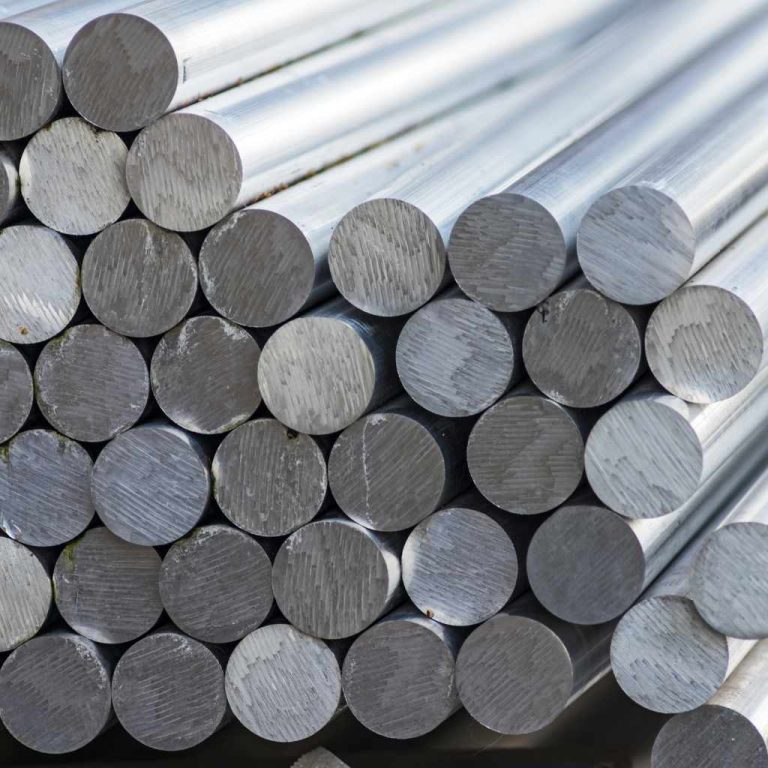
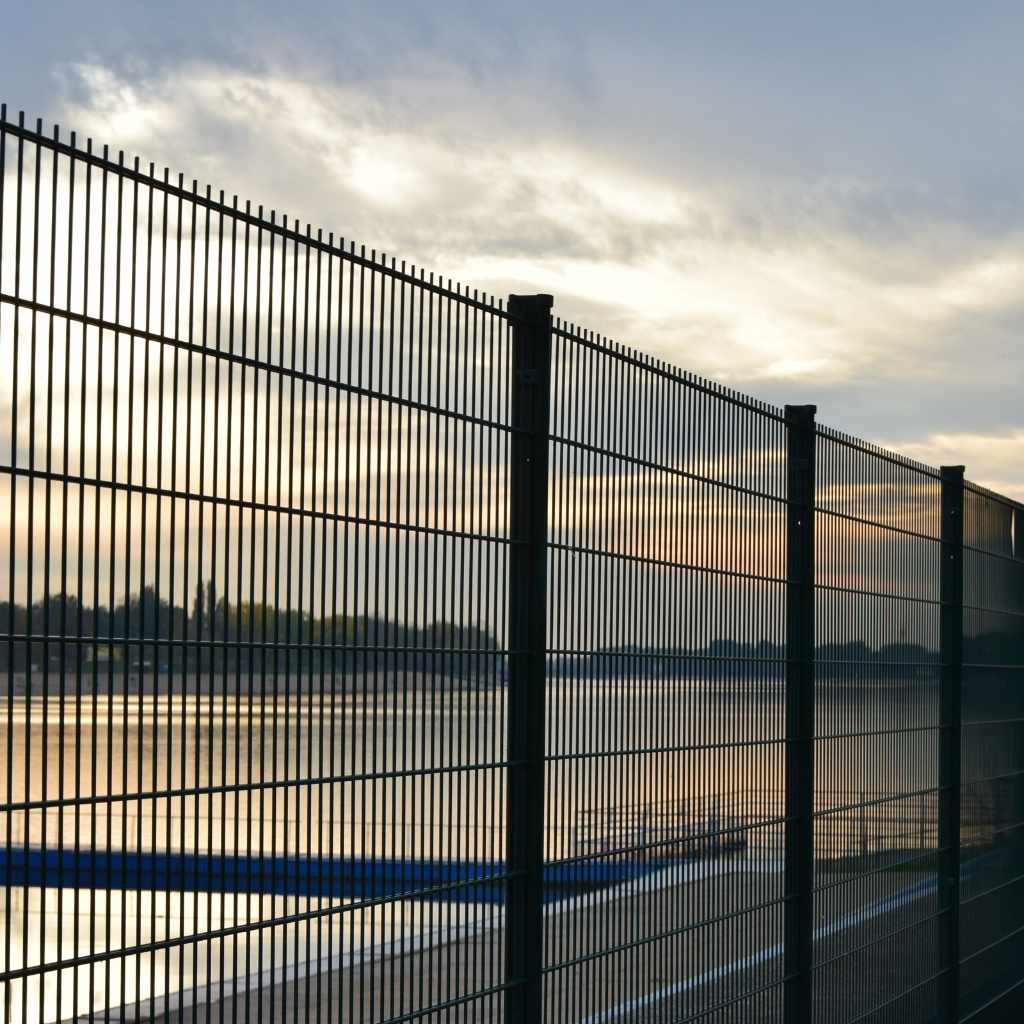
Steel fences offer strong protection and security. Aluminum is lightweight and resists rust. Wrought iron looks classic and is very sturdy. Powder-coated finishes protect metal from rust and add color. Pick metal that matches your style and maintenance ability.
Combining Wood And Metal
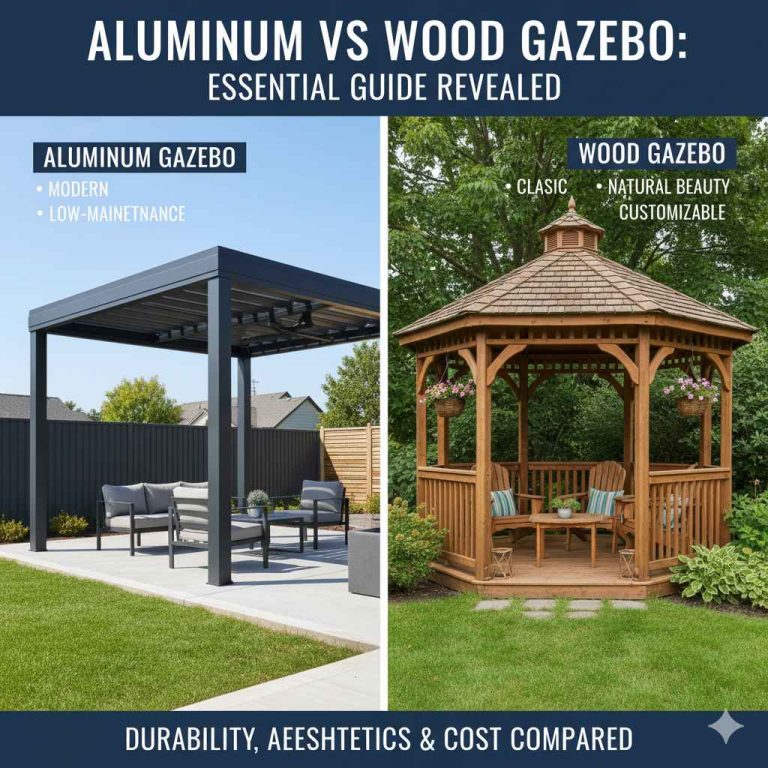
Wood and metal fences mix beauty and strength. Metal frames hold wood panels securely. This blend offers a modern look and long life. Use metal for support and wood for warmth. This combo works well for privacy and style.
Planning Your Fence Design
Planning your fence design is the first step in a successful DIY project. It helps you avoid costly mistakes and saves time. Take your time to think about the look and function of your fence. A good plan fits your space and needs perfectly.
Wood and metal fences offer many styles and durability options. Planning well lets you combine these materials in smart ways. This section covers key points to guide your design process. Follow these tips for a fence that looks great and lasts long.
Measuring And Layout Tips
Start by measuring the area where you want the fence. Use a tape measure and mark corners clearly. Check for any obstacles like trees or pipes in the way.
Draw a simple map of your yard with measurements. Mark where the fence posts will go. Space posts evenly for strength, usually 6 to 8 feet apart.
Double-check property lines to avoid disputes with neighbors. Use stakes and string to outline the fence path on the ground. This helps visualize the final layout before digging.
Style Inspirations
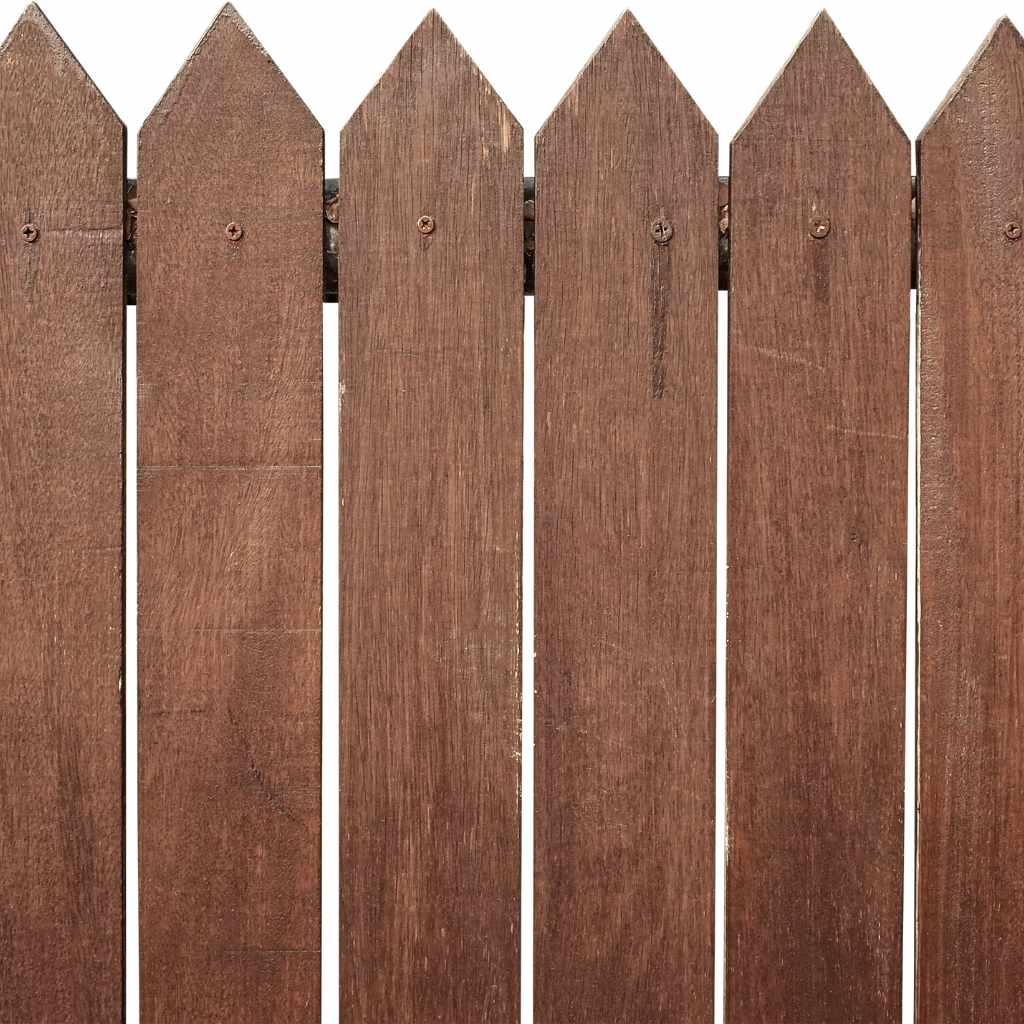
Wood and metal fences come in many styles to fit your home. Choose a style that matches your house and garden. Classic picket fences look charming with wood. Metal panels add a modern, sleek touch.
Mix materials for unique designs. For example, wood posts with metal rails combine warmth and strength. Think about colors and finishes that blend with your environment.
Browse photos online or visit local homes for ideas. Save styles you like to compare and decide later. Simple designs often work best for beginners.
Safety And Privacy Considerations
Think about safety for children and pets around the fence. Avoid sharp edges or wide gaps where small pets can escape. Smooth wood and coated metal parts reduce injury risks.
Privacy is another key factor. Taller fences block views and noise from neighbors. Choose solid panels or add lattice tops for extra coverage.
Check local rules about fence height and materials. Some areas have restrictions to keep neighborhoods safe and uniform. Plan your fence to meet these rules from the start.
Tools And Supplies Needed
Building a wood and metal fence requires the right tools and supplies. Having these ready helps you work faster and safer. It also ensures your fence looks strong and neat. Below are the main tools and materials you will need for this project.
Essential Tools For Woodwork
Start with a measuring tape to get precise lengths. A handsaw or circular saw will cut wood pieces cleanly. Use a drill to make holes and drive screws. Sandpaper or a power sander smooths rough edges. A hammer is handy for nails and adjustments. A carpenter’s square helps keep corners straight. Gloves protect your hands during wood handling.
Metalworking Tools
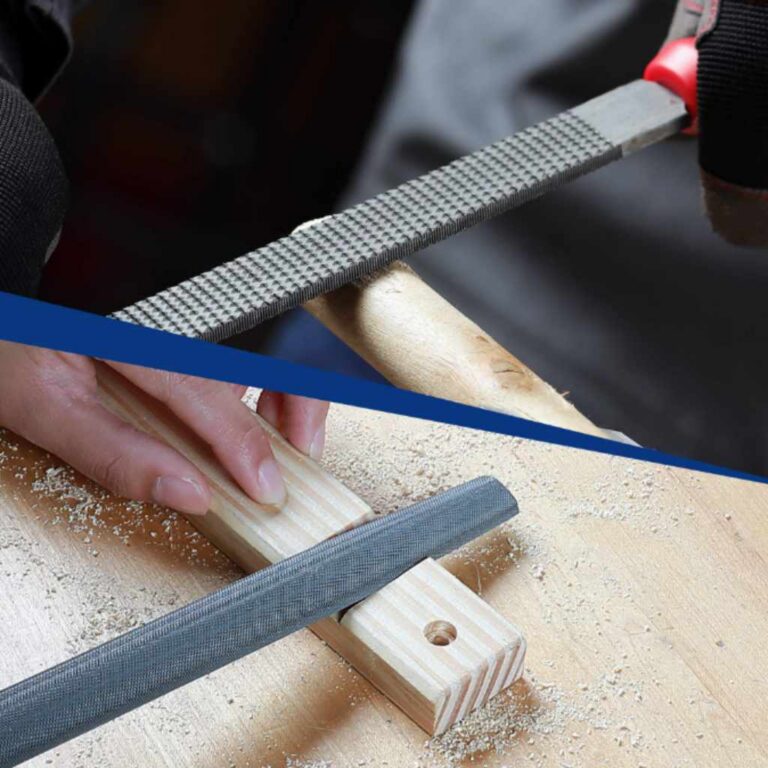
A metal cutting saw or angle grinder cuts metal parts easily. A metal file smooths sharp edges after cutting. Use a welding machine if you plan to join metal pieces firmly. Clamps hold metal pieces in place while working. Safety glasses protect your eyes from sparks. Wire brushes clean metal surfaces before painting or welding.
Fasteners And Finishing Materials
Choose wood screws or nails for wooden parts. Use metal bolts or screws to join metal sections. Galvanized fasteners prevent rust and last longer outdoors. Wood stain or paint protects wood from weather damage. Metal primer and paint prevent rust on metal parts. Sealants or waterproof coatings add extra protection.
Step-by-step Building Process
Building a wood and metal fence by yourself is simple with clear steps. Follow each part carefully for a strong and attractive fence. This guide breaks down the process into easy actions.
Preparing The Site
Clear the area where the fence will go. Remove plants, rocks, and debris. Mark the fence line with stakes and string. Check for underground pipes or cables before digging.
Measure the length to know how many materials you need. Plan the gate location and space between posts. Level the ground if it is uneven.
Installing Fence Posts
Dig holes for the fence posts. Hole depth should be about one-third of the post length. Use a post hole digger for best results. Place gravel at the bottom for drainage.
Set the posts in the holes and use a level to keep them straight. Fill holes with concrete or soil and pack tightly. Let the concrete dry fully before moving to the next step.
Attaching Wood Panels And Metal Elements
Attach wood panels to the posts using screws or nails. Make sure panels are level and evenly spaced. Cut panels to fit if needed.
Add metal elements like rails or decorative pieces. Secure metal parts with bolts or screws. Check stability by pushing gently on panels and metal parts.
Creative Fence Ideas
Creative fence ideas make your wood and metal fence stand out. They add charm and personality to your yard. A well-designed fence can enhance your home’s look and give privacy. Mixing wood and metal offers many style options. Here are some inspiring ideas to try.
Rustic Wood And Wrought Iron
Rustic wood combined with wrought iron creates a timeless look. The natural wood texture pairs well with dark metal details. This style fits both country and traditional homes. Use rough-hewn wood planks for an authentic feel. Wrought iron adds strength and elegant patterns. The mix feels warm and sturdy at the same time.
Modern Minimalist Designs
Modern fences focus on clean lines and simple shapes. Use smooth wood panels with sleek metal frames. Keep colors neutral like black, gray, or natural wood tones. This design suits urban and contemporary homes. Minimalist fences create a neat, uncluttered look. They blend well with gardens or paved yards.
Decorative Patterns And Accents
Adding patterns and accents makes fences unique and eye-catching. Try geometric shapes or lattice inserts in metal parts. Carve simple designs into wooden sections for detail. Small metal decorations like scrolls or finials add charm. These touches make your fence a piece of art. Personalize your fence with colors or textures too.
Maintenance Tips For Longevity
Maintaining a DIY wood and metal fence is key for it to last long and look great. Simple care steps help protect your fence from damage. Regular attention keeps wood strong and metal free from rust. This section shares easy tips to extend your fence’s life.
Protecting Wood From Weather
Wood faces rain, sun, and wind every day. Apply a good sealant or paint to block moisture. Check the coating every year and reapply if it looks worn. Avoid direct ground contact by using gravel or concrete bases. Trim plants near the fence to prevent mold and rot.
Preventing Metal Rust
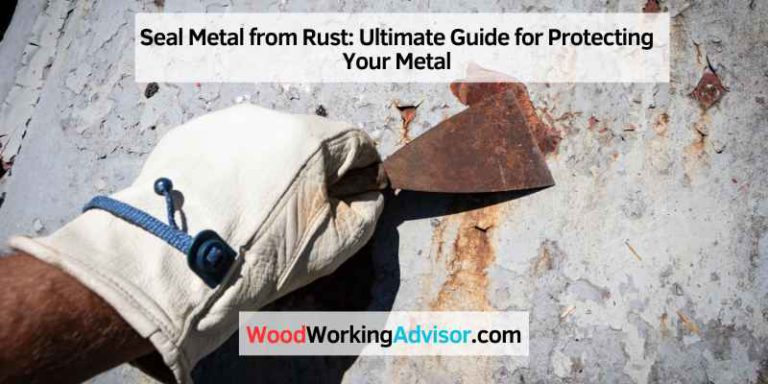
Metal parts can rust quickly if exposed to water. Use rust-resistant paint or spray a protective coating. Clean the metal regularly to remove dirt and salt. Fix scratches on metal surfaces immediately to stop rust from spreading. Cover metal parts with caps to keep water out.
Regular Inspection And Repairs
Look over your fence often for loose nails, broken boards, or rust spots. Tighten screws and replace damaged parts quickly. Small repairs stop bigger problems from forming. Check both sides of the fence, especially after storms. Keep a maintenance checklist to track your work.
Cost Estimation And Budgeting
Estimating costs and setting a budget are key steps in building a wood and metal fence. Knowing what to expect helps you avoid surprises. It also keeps your project on track. Budgeting right means you get quality materials without overspending.
Material Costs Breakdown
Wood and metal each have different prices. Wood prices depend on the type and quality. Cedar and redwood cost more than pine. Metal costs vary by type too. Steel is strong but can be pricey. Aluminum is lighter and often cheaper. Don’t forget nails, screws, and paint. These small items add up fast. Calculate the total material cost before buying.
Diy Vs Professional Installation
Doing the work yourself saves money. No labor fees mean big savings. But it takes time and skills. Mistakes can be costly to fix. Hiring pros costs more upfront. They work faster and ensure quality. Think about your experience and time. Choose what fits your budget and needs best.
Saving Money Without Sacrificing Quality
Buy materials during sales or in bulk. Use treated wood to last longer. Combine wood and metal for style and strength. Reuse old materials if they are safe. Plan your fence carefully to avoid waste. Small savings add up over time. Keep quality in mind to avoid repairs later.
Frequently Asked Questions
What Materials Are Needed For A Wood And Metal Fence?
You need wood panels, metal posts, screws, brackets, a drill, and protective finishes. Choose weather-resistant wood and rust-proof metal for durability and strength in your fence project.
How Do I Combine Wood And Metal For Fencing?
Attach wood panels securely to metal posts using screws and brackets. Ensure posts are firmly set in the ground for stability and align panels evenly for a polished look.
What Are The Benefits Of A Wood And Metal Fence?
This fence type offers durability, aesthetic appeal, and low maintenance. Wood adds natural beauty, while metal provides strength and long-lasting support against weather conditions.
How Long Does A Diy Wood And Metal Fence Last?
With proper installation and maintenance, it can last 15 to 25 years. Regular sealing and rust prevention extend the lifespan of both wood and metal components.
Conclusion
Building a wood and metal fence is simple and rewarding. You save money by doing it yourself. Choose the right materials for strength and style. Take your time with each step to avoid mistakes. A well-built fence adds beauty and security to your yard.
Enjoy the pride of completing your own project. Keep tools and supplies ready before you start. Small effort leads to great results. Now, your outdoor space looks better and lasts longer. Start planning your fence today and enjoy the process.