Aluminum vs Wood Gazebo: Real Prices, Snow & Wind (2026)
Most gazebo comparisons repeat the same three lines: aluminum is maintenance-free, wood is prettier, wood is cheaper. When we pulled current listings and ran the load numbers, two of those lines fell apart. Below you get real 10×12 prices from one day of listings, the snow and wind math most buyer guides skip, and a plain answer on which material fits which yard.
Aluminum vs Wood Gazebo: The Short Answer
BEST ALUMINUM HARDTOP PICK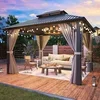 |
AirWire 10’x12′ Hardtop Aluminum Gazebo, Dark Gray – $499.99
|
Pick aluminum if you will not stain or seal anything, your yard is humid or termite-prone, and you are buying a ready-made kit. Pick wood if you want a structure you can modify, you like the look of real grain, and you will put on a fresh coat every year or two. If you get a lot of snow or wind, the material matters less than the roof design, the footings, and how the frame is anchored.
One catch applies to both camps. A gazebo sold as “aluminum” often has a galvanized steel roof, and several wood gazebos also carry steel roofs. The frame material is only part of the story, which is why the rest of this guide looks at the whole structure.
What You Actually Pay: Real 10×12 Prices
We searched Amazon for 10×12 hardtop gazebos on 2026-09-30 and kept only listings that named the frame material in the title. It is a small snapshot, not a market survey, and prices move daily. But it is a real one.
| Type (10×12 ft) | Listings sampled | Price range | Middle price |
|---|---|---|---|
| Aluminum-frame hardtop | 8 | $499.99 to $1,107.00 | about $575 |
| Wood or cedar gazebo | 3 | $789.99 to $1,005.85 | about $850 |
| Large premium cedar (12×12 and up) | 3 | $1,399.99 to $3,799.00 | not enough data |
Two things stand out. First, the wood gazebos in this sample cost more than the aluminum ones, not less, so the usual claim that wood is cheaper upfront does not hold for kits. Second, the cheapest 10×12 aluminum listings clustered around $500 to $550, which is where most buyers will end up shopping. Wood’s real cost advantage shows up when you build from lumber yourself. For that route, see our guide to wooden gazebos worth buying for real cedar models compared side by side, or what wood to use for a patio cover if you are framing your own.
What Upkeep Really Costs Over 10 Years
Wood’s maintenance reputation is deserved, but the money side is smaller than most guides imply. Here is a rough model. These are our assumptions, not measured data, so swap in your own numbers.
- A 10×12 gazebo has roughly 300 to 400 square feet of surface to coat once you count posts, rails, beams, and roof framing (our estimate).
- Stain and sealer are commonly rated at about 150 to 300 square feet per gallon, so one coat takes about 2 gallons.
- At roughly $40 to $60 per gallon, one recoat costs about $80 to $120 in materials.
- Recoating every 2 to 3 years means 3 to 5 recoats in a decade: about $250 to $600 in materials.
So the stain is cheap. What wood actually costs you is time, roughly a weekend of washing, sanding, and coating per cycle, plus repairs if you skip a cycle and water gets into end grain and post bases. If you pay a painter, that math changes fast. And if the wood gazebo costs a few hundred dollars more upfront, as it did in our sample, the total over ten years can end up close to a wash for a DIYer and clearly worse for someone who hires out the work.
If you go with wood, choose a decay-resistant species. Cedar and redwood heartwood resist decay better than common pine, and the USDA Forest Products Laboratory’s Wood Handbook covers this in detail. Pressure-treated lumber is the usual choice for anything touching the ground. Our comparison of cedar versus pressure-treated wood covers the trade-offs, and how to protect cedar outdoors covers the finishes.
Durability: Rot, Rust, and the Steel Roof Catch
Aluminum: no rust, but check what else is steel
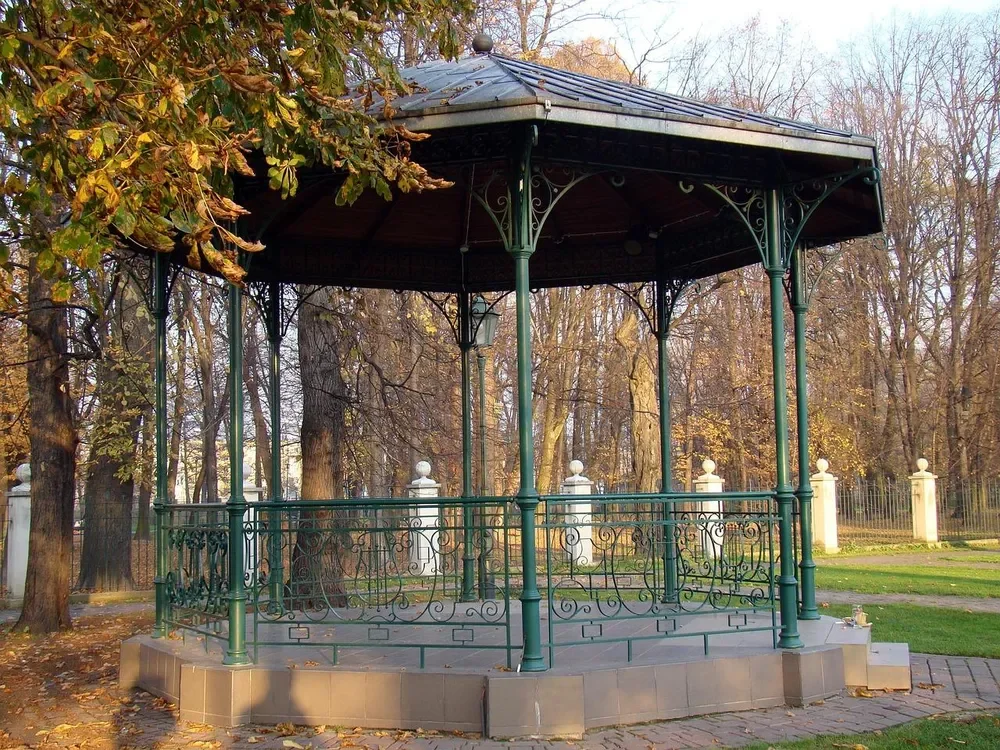
Aluminum does not rust. Rust is iron oxide, and aluminum forms a thin protective oxide film instead. Powder coating adds color and a barrier, and it resists chalking and fading better than paint on bare metal. Aluminum also ignores termites and rot.
The catch is what surrounds the aluminum. The 10×12 listings we read describe galvanized steel double roofs, and bolts and brackets are often steel too, so check the spec sheet. Galvanizing slows rust but does not stop it once a cut edge or scratch exposes bare steel, so touch up nicks with matching paint. Metal-versus-wood tradeoffs also show up in house framing, which we cover in metal frame vs wood frame.
Wood: durable if you keep water out
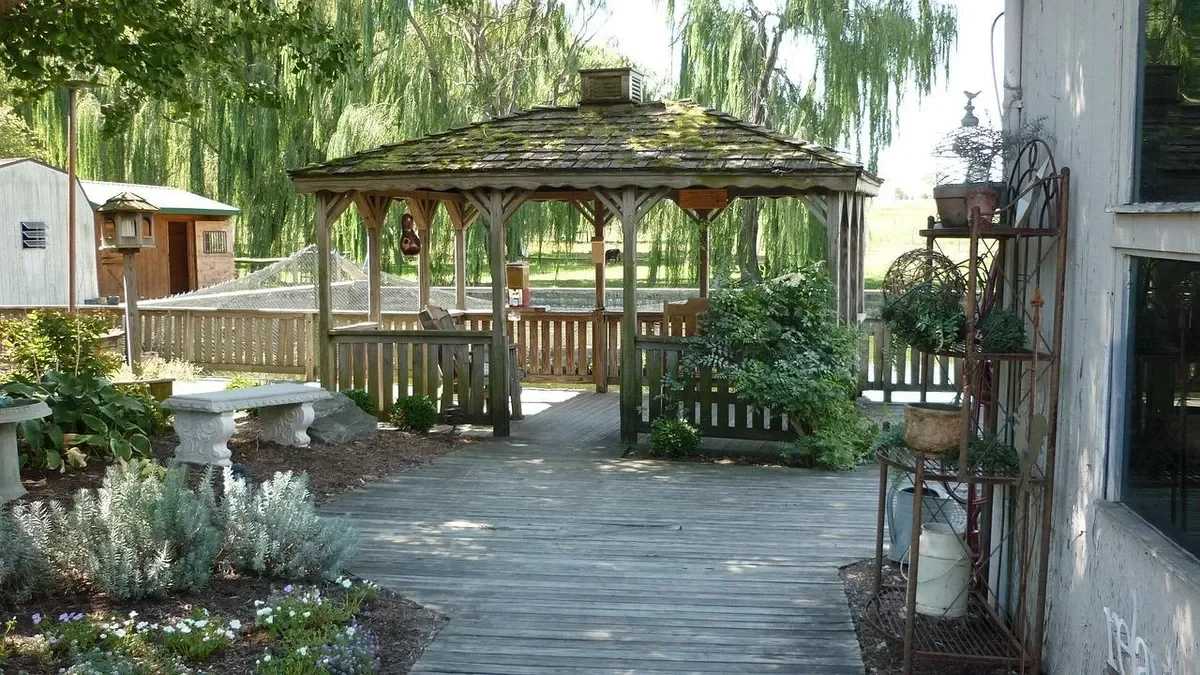
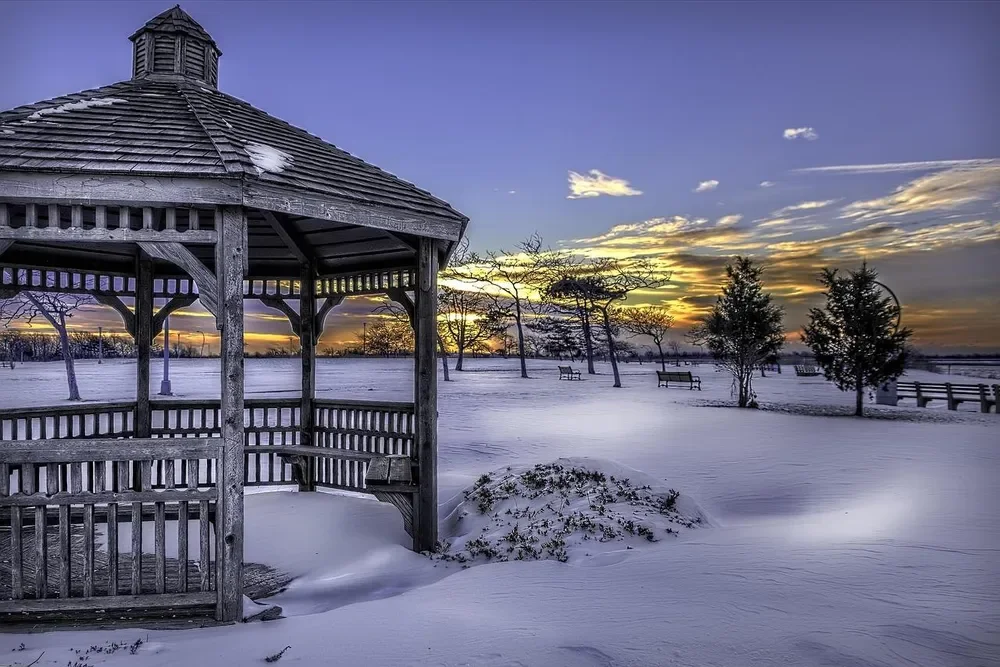
Wood fails from moisture, not age. Rot starts where water sits: post bases, the tops of horizontal rails, and end grain at joints. A gazebo with a good roof overhang, posts raised off soil or concrete on metal standoffs, and a fresh finish can last a long time. The same design left bare and wet will not. The featured photo at the top of this page shows a shingle-roofed wood gazebo with moss growing on the roof, a typical sign that the roof stays damp.
Snow and Wind: The Numbers Most Guides Skip
Snow load is simple arithmetic
Water weighs about 62.4 pounds per cubic foot, so one inch of water-equivalent snow puts about 5.2 pounds on every square foot of flat roof area. Fresh snow is often around 10 inches per 1 inch of water, but wet, dense snow and rain on snow hold far more water per inch. On a 10×12 roof (120 square feet), the load adds up quickly:
| Water-equivalent snow on roof | Load per sq ft | Total on a 10×12 roof |
|---|---|---|
| 1 inch (about 10 inches of typical fresh snow) | 5.2 lb | about 624 lb |
| 2 inches (wet snow, or rain on snow) | 10.4 lb | about 1,248 lb |
| 3 inches (heavy wet snow) | 15.6 lb | about 1,872 lb |
These numbers use plan area and ignore roof pitch and drifting, so they are a rough guide, not an engineering result. Real design snow loads vary widely by location and are set by local code. Marketing claims such as “withstands heavy snow” rarely say how many pounds per square foot, so look for a stated rating and treat it as a ceiling. Whether you choose aluminum or wood, clear heavy snow off the roof instead of trusting the rating. A wood gazebo with thick rafters and a steep roof may carry more than a thin-walled aluminum kit, but a well-engineered aluminum frame can beat a poorly built wooden one. Frame design decides it, not the material label.
Wind: weight and anchoring beat material
A lightweight aluminum frame is easy to lift, which is a real risk when it is held down only by stakes or a few ground anchors. Wood gazebos are heavier and often set on posts or footings, which resists lifting, but they can still fail at weak joints or rotted post bases. Either way, follow the manufacturer’s anchoring instructions, use anchors suited to your surface, and take curtains and netting down before a storm. We cover anchoring options in how to anchor a gazebo without drilling.
Heat, Noise, and Looks
Aluminum conducts heat far better than wood, on the order of a thousand times better by published thermal conductivity values, so a bare aluminum post in full sun can be uncomfortable to touch. For comfort under the roof, though, the roof material and venting matter more than the frame. A vented double-tier roof, as on the pick above, helps hot air escape. Metal roofs are also louder in rain than shingles, whichever frame sits below them.
Aluminum also moves more with temperature. Using a typical expansion coefficient of about 23 millionths per degree Celsius, a 10-foot aluminum beam grows roughly 2.8 mm (about 0.11 inch) over a 40 degree Celsius (72 degree Fahrenheit) swing. That is why quality kits use slotted or loose-fit connections, and why you should not over-tighten every bolt during assembly. Wood moves too, mainly across the grain with humidity, so neither material is fixed in place.
On looks, aluminum leans modern and clean-lined, usually in bronze, black, gray, or white powder coat. Wood reads as traditional and can be stained or painted to match your house. Wood is also easier to modify later, for example to add benches, a bar top, or a different railing.
Which One Should You Choose?
| Your situation | Better fit | Why |
|---|---|---|
| You will not do any upkeep | Aluminum | No staining or sealing schedule, no rot or termite risk |
| Humid climate or termites in your area | Aluminum | Frame ignores moisture and insects; still check the steel parts |
| Heavy snow or high wind | Either, if engineered and anchored | Stated snow rating, roof pitch, and footings matter more than material |
| You want to customize or build it yourself | Wood | Easy to cut, extend, and modify |
| You like traditional looks | Wood | Real grain, paintable or stainable |
| Tight upfront budget with a ready-made kit | Aluminum | Cheaper than wood kits in our 2026-09-30 sample |
Before buying either one, check your local rules. Many areas exempt small detached structures below a size limit from permits, but the limit and the requirements for anchoring and electrical work vary. A quick call to the building department can save a costly teardown.
Frequently Asked Questions
Is an aluminum or a wood gazebo cheaper?
In the Amazon listings we compared on 2026-09-30, 10×12 gazebos with aluminum in the title ran from about $500 to $1,107, with a middle price near $575. The three 10×12 wood or cedar gazebos in that sample cost about $790 to $1,006. So the old rule that wood is cheaper upfront did not hold for kits in this sample. Custom-built wood can still come in cheaper if you supply the labor and use standard lumber.
Do aluminum gazebos rust?
Aluminum itself does not rust, because rust is iron oxide. It forms a thin, dull oxide layer instead. But many gazebos sold as aluminum pair the frame with a galvanized steel roof and steel hardware, and those parts can rust where the coating is scratched or cut. Check the spec sheet for what the roof and fasteners are made of.
Which handles wind better, aluminum or wood?
Neither material wins on its own. A lightweight aluminum frame that is only staked to the ground can lift in a strong gust, while a heavier wood gazebo set on proper footings is harder to move but can still fail at weak joints or posts. Anchoring method matters more than frame material, so plan the footing or anchors before you buy.
Which is better for heavy snow?
Snow load depends on the roof and frame design and on your local climate, not just the material. Each inch of water-equivalent snow adds about 5.2 pounds per square foot, roughly 624 pounds on a 10×12 roof. Check the manufacturer’s stated snow rating, treat it as a best case, and clear heavy snow off the roof regardless of material.
How often does a wood gazebo need to be stained or sealed?
Most stain and sealer makers call for a fresh coat about every 1 to 3 years, depending on the product, sun exposure, and climate. Horizontal surfaces and post bases wear fastest, so check those first each spring.
Do I need a permit to build a gazebo?
It depends on your local rules. Many jurisdictions exempt small detached structures below a size threshold, but the threshold and the rules for anchoring or electrical work vary. Call your local building department before you buy or build.
Sponsored / affiliate links. As an Amazon Associate I earn from qualifying purchases. I may earn additional commission from eligible campaigns.