Do Hydrangeas Like Wood Ash? Only Some Types Will Even Notice
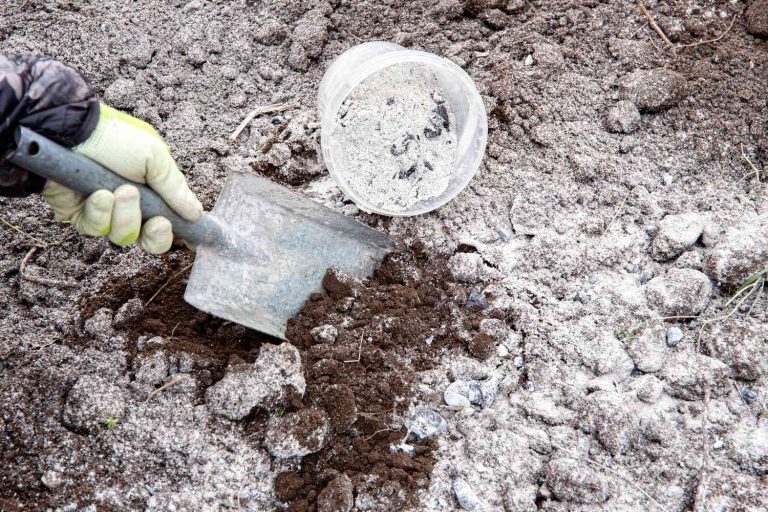
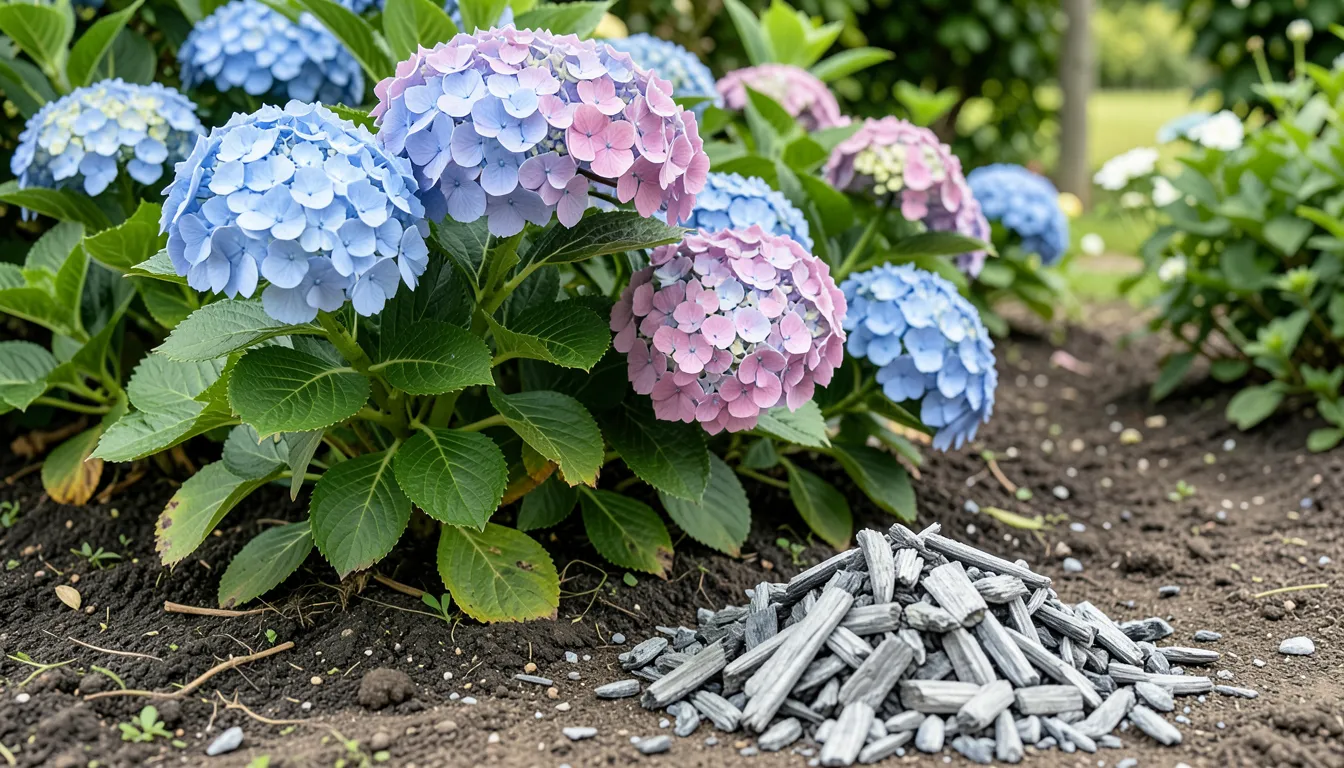
Wood ash isn’t a good choice for most hydrangeas. It’s alkaline and raises soil pH, while hydrangeas generally do best in soil that’s neutral to slightly acidic. If you have a blue-flowering hydrangea, wood ash can push it toward pink or muddy purple over time as the soil becomes less acidic — which may or may not be what you want, but it’s worth knowing before you spread any.
Not All Hydrangeas Change Color With Soil pH
Test Before You Add Anything
 |
Rapitest Soil Test Kit – $17.99 Check your soil’s actual pH before adding wood ash, so you know whether you’re helping your hydrangea or accidentally pushing it out of the range it likes.
|
This is the detail most articles skip: only certain hydrangea species actually respond to soil chemistry. Bigleaf hydrangeas (Hydrangea macrophylla) and mountain hydrangeas (Hydrangea serrata) are the color-changers — their flower color depends on how much aluminum the plant can absorb, which in turn depends on soil pH. Acidic soil (roughly pH 5.5 or lower) makes aluminum available to the plant, producing blue flowers. Less acidic to alkaline soil locks aluminum up, producing pink flowers. Panicle hydrangeas (Hydrangea paniculata, like ‘Limelight’) and smooth hydrangeas (Hydrangea arborescens, like ‘Annabelle’) don’t change color based on soil at all — their white or green blooms stay that way regardless of what you add to the soil. If you’re adding wood ash hoping to shift color and your hydrangea is one of these types, it won’t do anything to the flowers.
If You Want to Use Wood Ash Anyway
- Test your soil pH first. Hydrangeas generally do best between pH 5.5 and 6.5. If you’re already above 6.5, adding wood ash will likely push the soil further from what your hydrangea wants.
- Use it sparingly if at all, a light dusting worked into the soil, not a heavy layer, and only around plants where a pink shift is actually the goal.
- Make sure the ash is fully cooled and free of charcoal starter fluid, trash, or treated wood residue before it goes anywhere near a garden bed.
- Re-test after a season to see how much the pH actually moved, since wood ash’s effect varies a lot depending on your existing soil type.
If you’ve already added too much ash and want to bring a blue hydrangea’s color back, garden sulfur or aluminum sulfate worked into the soil will lower pH again and restore aluminum availability, though the color shift on established growth takes time to show.
Frequently Asked Questions
Will wood ash turn my hydrangeas pink?
It can, but only on color-changing types like bigleaf and mountain hydrangeas. Wood ash raises soil pH, which locks up the aluminum those plants need to produce blue flowers, shifting them toward pink over time.
Which hydrangeas don’t change color with soil pH?
Panicle hydrangeas (like ‘Limelight’) and smooth hydrangeas (like ‘Annabelle’) don’t respond to soil chemistry at all. Their bloom color is genetic and won’t shift regardless of what you add to the soil.
How do I keep my hydrangeas blue instead?
Keep the soil acidic, roughly pH 5.5 or lower, using garden sulfur or an acidifying fertilizer, and avoid alkaline amendments like wood ash or garden lime.
Is wood ash safe to use anywhere in the garden?
Only in moderation and only where a higher soil pH is actually helpful. Overuse can push soil too alkaline for many garden plants, so testing before and after use matters more than a fixed “safe amount.”
Sponsored / affiliate links. As an Amazon Associate I earn from qualifying purchases. I may earn additional commission from eligible campaigns.