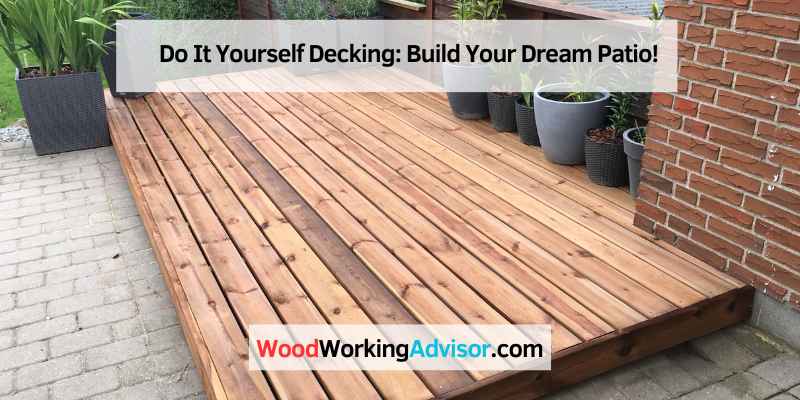
Do It Yourself Decking: Build Your Dream Patio!
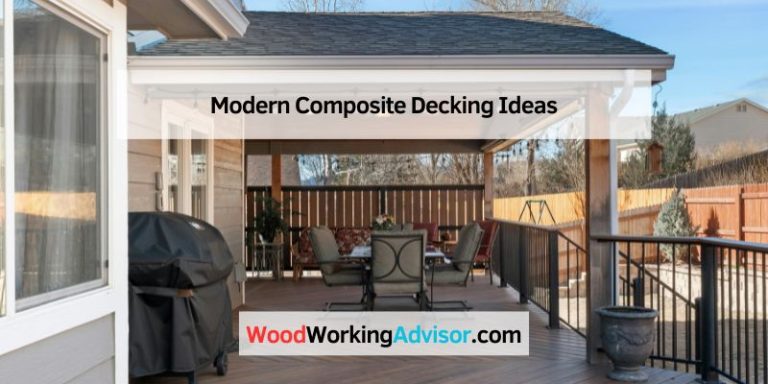
DIY decking can be a cost-effective and rewarding project for homeowners. By using pressure-treated wood or composite decking materials, you can create a functional and aesthetically pleasing outdoor space.
Building a deck yourself can save money and provide a sense of accomplishment. Creating your own deck allows you to customize the design and layout according to your preferences. Whether you’re adding a small platform or constructing a larger multi-level deck, the process can be manageable with careful planning and the right tools.
With access to a variety of resources and tutorials, you can confidently embark on a DIY decking project that enhances your home’s outdoor living area.
Getting Started On Your DIY Decking Project
Welcome to the exciting world of DIY decking! Whether you’re a seasoned DIY enthusiast or just starting out, building your own deck is a fulfilling project that can transform your outdoor space. In this guide, we’ll walk you through the essential steps of getting started on your DIY decking project, from choosing the right location to designing your dream patio.
Choosing The Right Location
Before diving into the construction phase, it’s crucial to select the perfect spot for your deck. Consider factors such as sun exposure, proximity to the house, and the natural layout of your yard. A well-planned location can optimize your deck’s usability and visual appeal.
Designing Your Dream Patio
Once you’ve identified the ideal location, it’s time to unleash your creativity and design your dream patio. Think about the size, shape, and layout that will best complement your outdoor space. Your design choices will set the tone for the entire project, so take your time and envision the ultimate relaxation and entertainment spot.
Materials And Tools Needed For Your Deck
When embarking on a DIY decking project, it is crucial to have the right materials and tools at your disposal. Proper selection of materials and tools can make the deck-building process smoother and more efficient. Here’s a breakdown of the key components you’ll need:
Selecting The Best Wood And Composite Materials
- Composite Decking Board – starting at $31.90 from Home Depot
- Composite Decking Plank – $1.00 at Cali Floors
- InstaDeck Outdoor Flooring Tropical Walnut Kit – $249.88 on Amazon.com
- Good Life Weekender Composite Decking Boards – $34.54 at Home Depot
Essential Tools For Deck Building
- Hammer and nails
- Level
- Tape measure
- Drill and bits
- Saw
- Safety goggles and gloves
Having the right materials such as high-quality composite decking boards and essential tools like a hammer and drill will ensure a successful DIY deck project.
Laying The Foundation
Building your own deck starts with a solid foundation. Explore DIY decking options for a custom outdoor space. Upgrade your backyard with easy-to-install decking materials for a durable and attractive finish. Start your project in Austin, Texas, United States.
Preparing The Ground
Before you begin laying the foundation for your deck, it’s important to prepare the ground. Start by clearing the area of any obstacles such as rocks, roots, or plants. You may need to level the ground using a shovel or a rake to ensure that the surface is even. Make sure the area is free of debris and is dry before moving on to the next step.
Setting Up The Frame
Once the ground is prepared, it’s time to set up the frame of your deck. The frame acts as the foundation for your deck and provides support for the decking boards. Start by placing the ledger board against your house and securing it with lag bolts. Next, install the posts, beams, and joists, making sure they are all level and square. Use metal brackets to attach the beams to the posts and joist hangers to attach the joists to the beams.
Adding The Decking Boards
With the frame in place, it’s time to add the decking boards. Start by laying the first board against the house and securing it with screws. Make sure to leave a small gap between the boards to allow for expansion and contraction. Continue laying the boards in the same direction, making sure they are all level and flush with one another. Use a circular saw to trim the boards to the desired length.
Finishing Touches
Once the decking boards are in place, it’s time to add the finishing touches. Install any railings, stairs, or skirting that you want to include. Apply a coat of sealant or stain to protect the wood from the elements and give it a finished look.
In conclusion, laying the foundation is the first step in building a do-it-yourself deck. By preparing the ground, setting up the frame, and adding the decking boards, you can create a beautiful outdoor space that you can enjoy for years to come.
Building The Deck Frame
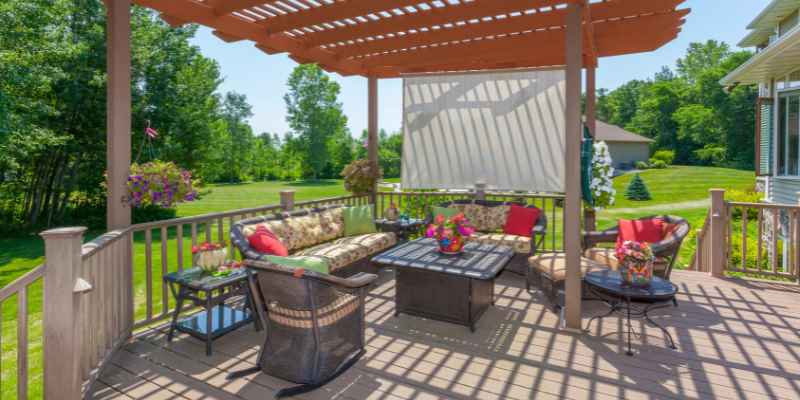
When it comes to DIY decking, one of the most important steps is building the deck frame. The deck frame serves as the foundation and support for your entire deck, so it’s essential to construct it properly. In this section, we will guide you through the process of constructing box beams and installing joists and joist hangers to ensure a sturdy and durable deck.
Constructing Box Beams
Box beams are an integral part of the deck frame, providing structural support and stability. Follow these steps to construct box beams for your DIY deck:
- Measure and cut the pressure-treated lumber boards according to your deck’s dimensions.
- Arrange the boards in a rectangular shape, ensuring that the corners are square.
- Attach the boards together using galvanized screws or nails, making sure they are securely fastened.
- Repeat the process to create multiple box beams, depending on the size and layout of your deck.
Remember to check the levelness and alignment of the box beams as you construct them to ensure a level and sturdy deck foundation.
Installing Joists And Joist Hangers
Once the box beams are in place, it’s time to install the joists and joist hangers. Joists are horizontal beams that run perpendicular to the box beams and provide support for the decking boards. Follow these steps to install joists and joist hangers:
- Measure and cut the pressure-treated lumber boards to the desired length for the joists.
- Attach the joists to the box beams using joist hangers and galvanized nails or screws.
- Ensure that the joists are spaced evenly and are level across the entire deck frame.
- Secure the joists to the joist hangers using appropriate fasteners.
Joist hangers are metal brackets that provide additional support and stability to the joists. They should be installed at regular intervals along the box beams to securely hold the joists in place.
By following these steps to construct box beams and install joists and joist hangers, you will have a strong and reliable deck frame for your DIY decking project. Remember to double-check all measurements and ensure everything is level and properly aligned before moving on to the next step.
Deck Flooring Installation
Deck flooring installation can be a rewarding DIY project, creating a beautiful outdoor space for gatherings. Transform your backyard with easy-to-install decking materials, offering durability and style. Explore composite boards for a low-maintenance, long-lasting solution. Enjoy the process of building your own deck with step-by-step guidance and affordable options available.
When it comes to installing deck flooring, there are a few key steps to follow to ensure a successful DIY project. From choosing the right decking boards to laying them down, each step is crucial for a durable and attractive deck. Let’s explore each step in detail.
Choosing Your Decking Boards
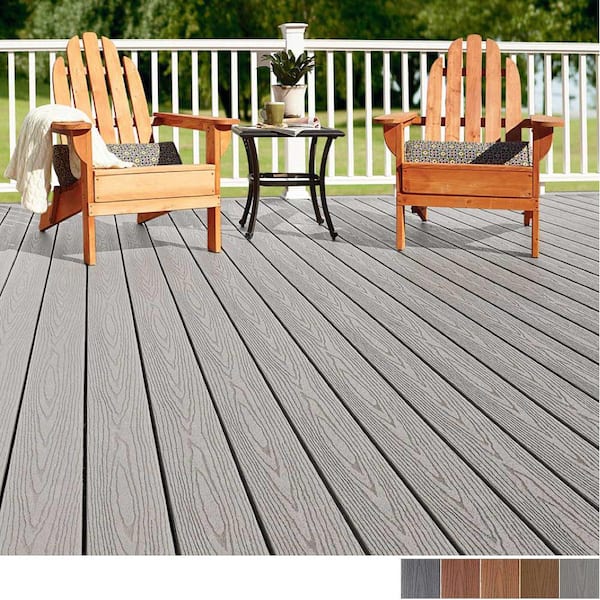
Choosing the right decking boards is essential for a long-lasting and visually appealing deck. There are various options available, including composite decking boards, solid wood planks, and click-together flooring. Here are some popular choices:
| Decking Board | Price | Features |
|---|---|---|
| Select Composite Decking Board | $31.90 | Fade-resistant, scratch-resistant |
| Cali Floors Solid Foundation | $1.00 | Breathing deep, high-quality click-together flooring |
| InstaDeck Outdoor Flooring Tropical Walnut Kit | $249.88 | Minimal tools required, locking tile foundation |
| Dock Section Kits by Tommy Docks | $274.99 | Durable and attractive composite plank/board deck |
| Good Life Weekender Composite Decking Boards | $34.54 | Low-maintenance, fade-resistant |
Laying The Decking
Once you have chosen your decking boards, it’s time to lay them down and bring your deck to life. Here is a step-by-step guide to laying your deck flooring:
- Start by preparing the surface of your deck. Ensure it is clean, level, and free from any debris.
- Begin laying the boards perpendicular to the joists, starting from one corner of the deck.
- Leave a small gap between each board to allow for expansion and contraction due to weather changes.
- Secure each board using appropriate fasteners, ensuring they are evenly spaced.
- Continue this process until you have covered the entire deck area.
- Trim any excess boards to fit the edges of the deck if necessary.
- Finally, inspect the deck for any loose boards or unevenness and make any necessary adjustments.
By following these steps and using the right decking boards, you can create a beautiful and functional deck that will enhance your outdoor space. Remember to consider your budget, maintenance requirements, and desired aesthetic when choosing your decking boards.
Whether you’re a seasoned DIY enthusiast or a beginner, installing deck flooring is a rewarding project that can transform your outdoor living area. Take your time, follow the instructions, and enjoy the process of creating your own DIY deck.
Adding Finishing Touches
Once the main structure of your DIY deck is complete, it’s time to add the finishing touches that will elevate both the aesthetics and functionality of your outdoor space.
Installing Railings And Stairs
Enhance the safety and visual appeal of your deck by installing sturdy railings and well-constructed stairs. Consider using durable materials such as aluminum, composite, or wood for the railings, and ensure that the design complements the overall style of your deck.
Adding Skirting And Lighting
Complete the polished look of your DIY deck by adding skirting to conceal the structural elements and create a cohesive appearance. Additionally, strategically placed lighting can enhance the ambiance and extend the functionality of your deck, allowing you to enjoy it well into the evening.
Maintenance And Upkeep
Ensuring proper maintenance and upkeep of your DIY decking is essential to prolong its lifespan and keep it looking its best. Regular cleaning, sealing, and routine checks are key to maintaining a beautiful and functional deck.
Cleaning And Sealing Your Deck
- Clean your deck regularly to remove dirt, debris, and mold buildup.
- Seal your deck with a weather-resistant sealant to protect it from the elements.
- Consider pressure washing for a deep clean, but be cautious not to damage the wood.
Routine Checks And Repairs
- Inspect your deck for signs of wear and damage, such as loose boards or rusted nails.
- Replace any damaged boards and tighten any loose hardware to maintain structural integrity.
- Check for water damage and rot, especially in areas prone to moisture buildup.
Cost Analysis And Budgeting
When planning a DIY decking project, it is essential to consider the cost analysis and budgeting to ensure a successful and cost-effective outcome.
DIY Vs. Professional Deck Building
Building a deck yourself can save you a significant amount of money compared to hiring a professional.
Saving Money On Your Deck Project
Here are some ways to save money on your deck project:
- Compare prices of decking materials from different suppliers.
- Consider using composite decking for its durability and low maintenance.
- Look for sales or discounts on decking materials.
- Reuse or repurpose existing materials if possible.

Frequently Asked Questions
Is It Cheaper To Build A Deck Yourself?
Yes, building a deck yourself is generally cheaper, especially if you’re using pressure-treated wood. However, don’t overlook long-term maintenance costs for wood decks. With good planning and carpentry skills, you can build a ground level deck yourself.
What Is The Cheapest Way To Create Decking?
The cheapest way to create decking is by using pressure-treated wood. It is the most affordable material for building decks. However, keep in mind that wood decks require regular maintenance like staining or painting, and they may deteriorate quickly if maintenance is neglected.
It is possible to build a deck yourself, but it requires time and carpentry skills.
How Much Does A 14×20 Deck Cost?
The cost of a 14×20 deck can vary depending on several factors. It is best to get quotes from local contractors to get an accurate estimate. However, on average, the cost can range from $5,000 to $15,000. Keep in mind that prices may vary based on the materials used, location, and any additional features or customizations you want for your deck.
Can You Build A Deck By Yourself?
Yes, you can build a deck by yourself. Building a ground level deck is easier and requires less carpentry skills compared to elevated decks. Good planning and time management are key to successfully building your own deck. However, keep in mind that it will require some physical labor and may take some time to complete.
Conclusion
Building a DIY deck can be a fun and rewarding project that saves you money in the long run. With the right tools, materials, and guidance, anyone can build a beautiful and functional deck for their home. Remember to plan ahead, follow safety guidelines, and choose materials that are durable and low maintenance.
Whether you’re a seasoned DIYer or a beginner, building a deck is a great way to enhance your outdoor living space and increase the value of your home.