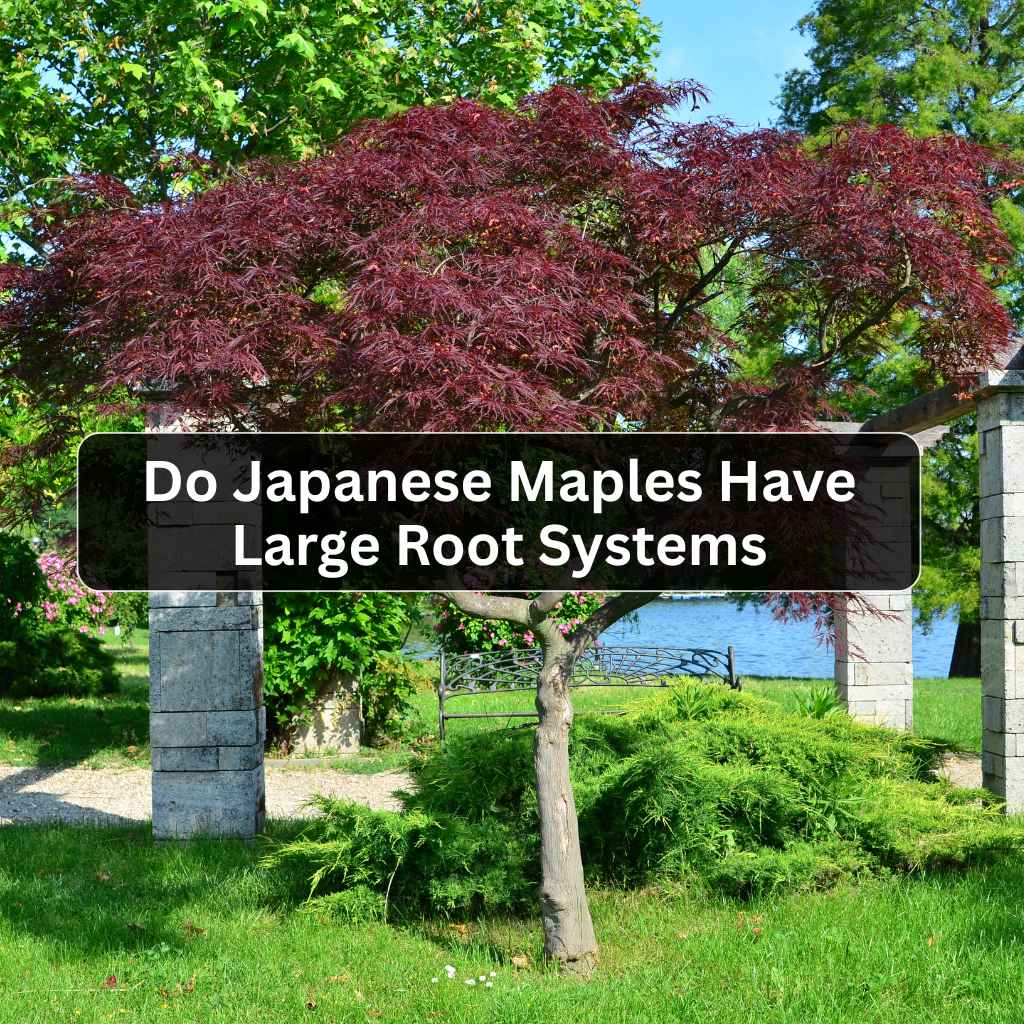
Do Japanese Maples Have Large Root Systems
Many new gardeners wonder, Do Japanese Maples Have Large Root Systems? This is a common question because you want to plant your beautiful Japanese maple in the best spot without causing problems later. Sometimes, it’s hard to know if their roots spread far or stay close to the trunk. This guide will make it super simple to understand.
We’ll walk through everything step-by-step. Get ready to learn all about Japanese maple roots so you can plant with confidence.
Understanding Japanese Maple Root Systems
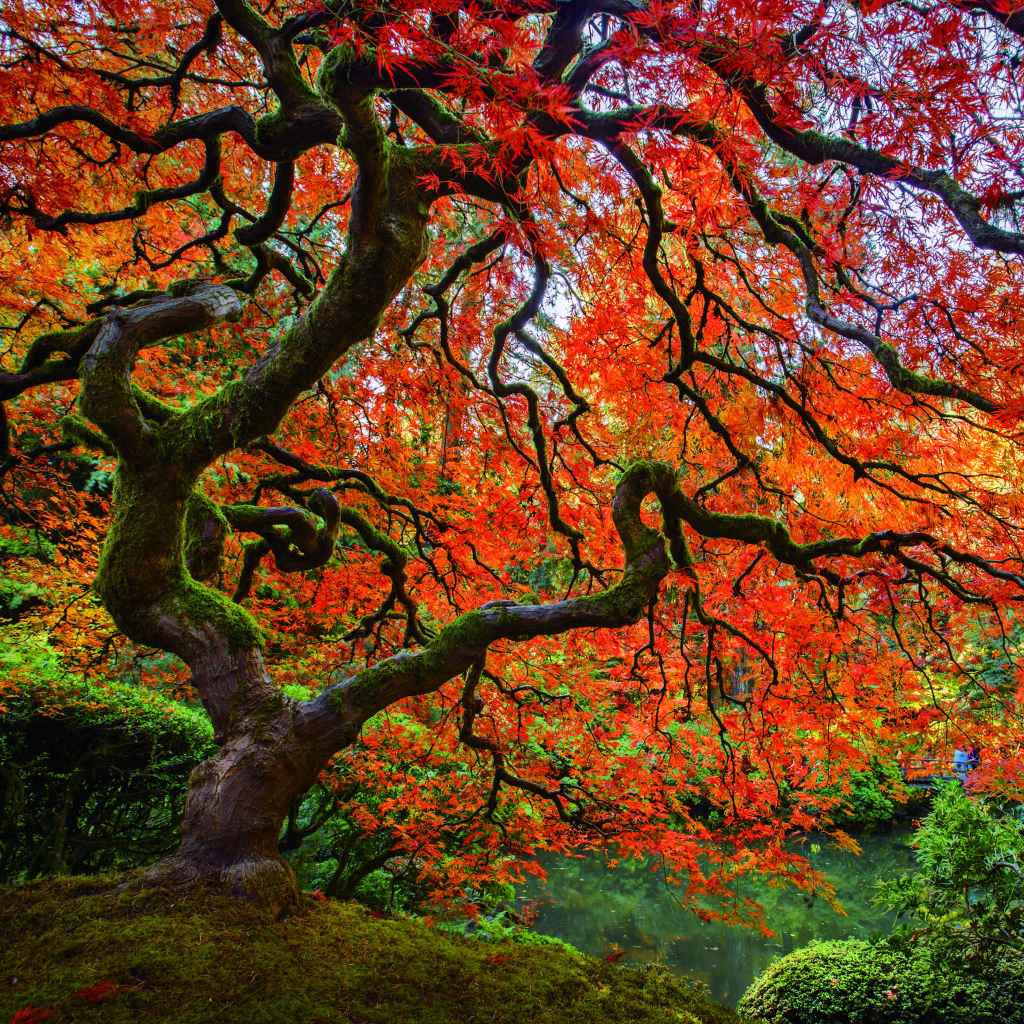
Japanese maples are known for their stunning foliage and graceful shapes. Many people plant them in their gardens without fully considering their root development. This can lead to questions about how much space they truly need underground.
Understanding the growth habits of Japanese maple roots is key for successful planting and long-term care. This section will lay the foundation for why this question is so important for gardeners.
Root Growth Patterns
The root system of a Japanese maple is generally considered fibrous and relatively shallow compared to some other tree species. This means that instead of a single, thick taproot that goes deep into the soil, they tend to spread out horizontally. This fibrous nature allows them to absorb water and nutrients from a wider area near the surface.
Japanese maples are naturally adapted to grow in forest understories. This means they are accustomed to receiving dappled sunlight and moist soil conditions that don’t dry out too quickly. Their root systems are designed to take advantage of these resources efficiently.
They don’t typically need to search for water very deep in the ground.
The size of the root system is directly related to the size of the tree. A young Japanese maple will have a much smaller root spread than a mature specimen. However, even mature trees tend to keep their roots closer to the surface.
This is a vital piece of information for anyone planning where to plant.
Fibrous Structure: Japanese maple roots are primarily fibrous. This means they consist of many fine, thread-like roots rather than a thick central taproot. This structure is efficient for absorbing nutrients and water from the upper soil layers. It also means they are less likely to cause damage to underground utilities compared to trees with deep taproots.
Shallow Spread: Generally, the root system of a Japanese maple spreads outward, often reaching a width that is similar to or slightly larger than the canopy of the tree. However, they tend to stay within the top 1-3 feet of the soil. This characteristic makes them suitable for smaller gardens and areas where deep root penetration might be problematic.
Environmental Adaptations: These trees originally grew in woodland environments. This has shaped their roots to thrive in conditions where the soil is consistently moist but well-drained, and where there is competition for light and resources from other plants. Their shallow roots are an adaptation to access surface moisture and nutrients effectively.
Factors Influencing Root Size
Several factors can influence how large and extensive a Japanese maple’s root system becomes. These include the type of soil, the amount of water available, and the overall health of the tree. Environmental conditions play a significant role in how roots develop and spread.
Soil type is a major determinant. In well-draining, loamy soil, roots can spread more easily and establish themselves more effectively. Compacted or heavy clay soils can restrict root growth, leading to a more confined root ball.
Sandy soils might require more frequent watering, which can, in turn, encourage a wider spread if water is consistently available.
Water availability is also critical. If a Japanese maple receives adequate water, its roots will spread out to seek out moisture and nutrients. Conversely, in very dry conditions, roots might grow deeper in search of water, though Japanese maples generally prefer consistently moist soil.
Comparison to Other Tree Types
It’s helpful to compare Japanese maple roots to those of other common landscape trees. For instance, trees like oaks or maples (other than Japanese varieties) often develop deeper taproots and more extensive, thicker root systems. These trees can become quite powerful underground, potentially affecting foundations or pipelines over time.
Consider a large shade tree such as a mature oak. Its root system can spread two to three times the width of its canopy and extend many feet deep. This is a stark contrast to the more contained, fibrous root system of a Japanese maple.
This difference in root architecture is a key reason why Japanese maples are often favored for smaller gardens and urban landscapes.
| Tree Type | Typical Root System | Depth | Spread |
|---|---|---|---|
| Japanese Maple | Fibrous, shallow | 1-3 feet | Similar to canopy width |
| Large Shade Tree (e.g., Oak) | Taproot with extensive lateral roots | Can be very deep (10+ feet) | 2-3 times canopy width |
| Fruit Tree (e.g., Apple) | Moderate taproot with fibrous laterals | 3-6 feet | Similar to canopy width |
Planting Considerations for Japanese Maples
Knowing about the root systems of Japanese maples directly influences how and where you should plant them. Their relatively contained root structure offers flexibility, but there are still important guidelines to follow to ensure they thrive. This section addresses the practical aspects of planting to give your Japanese maple the best start.
Spacing from Structures and Utilities
Because Japanese maples have shallow, fibrous root systems, they are generally less of a threat to underground utilities like water pipes or sewer lines compared to trees with deep taproots. However, it’s still wise to maintain a reasonable distance.
A common recommendation is to plant Japanese maples at least 10-15 feet away from foundations, driveways, and sidewalks. While they are unlikely to crack concrete like a more aggressive root system, their spreading roots can eventually lift or disturb paving if planted too close. This distance also allows for adequate air circulation and sunlight to reach the tree.
For underground utilities, a distance of 5-10 feet is usually sufficient. The fibrous roots are unlikely to seek out water from pipes aggressively. However, any tree planted too close to a utility line can pose a risk if maintenance or repair work is needed.
Always consult local utility maps before digging.
Root Ball Size and Planting Depth
When you purchase a Japanese maple, it will typically come in a container or as a balled-and-burlapped specimen. The size of the root ball is crucial. The general rule is to dig a hole that is two to three times wider than the root ball, but only as deep as the root ball is tall.
This encourages outward root growth.
Planting too deep is a common mistake that can lead to root rot and decline. The top of the root ball should be level with or slightly above the surrounding soil surface. This ensures the root collar, where the roots emerge from the trunk, can breathe and stay dry.
Adding mulch on top, but not against the trunk, helps retain moisture and suppress weeds.
If you are planting a container-grown Japanese maple, carefully remove it from the pot. Gently loosen any circling roots around the outside of the root ball. This encourages them to grow outward into the new soil instead of continuing to circle the pot.
This step is vital for establishing a healthy, strong root system.
Companion Planting
The shallow nature of Japanese maple roots also makes them good candidates for companion planting. You can often plant smaller shrubs, perennials, or ground covers around the base of a Japanese maple without significantly competing for resources.
Choose plants that prefer similar conditions – well-drained soil and partial shade. Plants like Hostas, Ferns, Azaleas, or low-growing ground covers such as Creeping Thyme can create a beautiful layered look. These companions won’t have root systems that aggressively compete with the maple’s.
Avoid planting larger shrubs or trees too close, as they will eventually compete for water, nutrients, and light. The Japanese maple needs space for its roots to spread horizontally without excessive competition, especially in its early years. This careful selection of companions helps create a harmonious garden bed.
Nurturing Your Japanese Maple’s Roots
Once planted, giving your Japanese maple the right care will help its root system establish and thrive. This involves consistent watering, appropriate mulching, and avoiding disturbances around the root zone. Proper ongoing care is as important as the initial planting.
Watering Requirements
Japanese maples need consistent moisture, especially during their first few years after planting. The goal is to keep the soil evenly moist but not waterlogged. Overwatering can be just as detrimental as underwatering, as it can lead to root rot.
A good rule of thumb is to water deeply when the top inch or two of soil feels dry to the touch. The frequency will depend on the weather, soil type, and the maturity of the tree. During hot, dry spells, you may need to water more often.
During cooler, rainy periods, you might water less.
Using a soaker hose or drip irrigation system can be very effective. These methods deliver water directly to the root zone, minimizing evaporation and ensuring the water penetrates deeply. This helps encourage roots to grow downwards, not just outwards, creating a more stable tree.
Mulching Benefits
Applying a layer of organic mulch around your Japanese maple is highly beneficial for its roots. Mulch helps retain soil moisture, regulate soil temperature, and suppress weeds that compete for water and nutrients. It also slowly breaks down over time, adding organic matter to the soil.
Use organic materials like shredded bark, compost, or wood chips. Apply a layer about 2-4 inches thick. Crucially, keep the mulch pulled back a few inches from the trunk of the tree.
This prevents moisture from collecting around the bark, which can lead to fungal diseases and rot. Mulch should not touch the trunk.
The mulch acts as a natural insulator. It keeps the soil cooler in summer and warmer in winter, protecting the sensitive surface roots from extreme temperature fluctuations. This consistent environment is key for healthy root development and overall tree vigor.
Avoiding Root Disturbance
Japanese maples are sensitive to root disturbance. This means avoiding activities like extensive digging, tilling, or heavy foot traffic in the area around the tree, especially within the drip line (the area extending out from the trunk to the edge of the canopy).
When planting other nearby plants or performing garden maintenance, be mindful of the existing root system. Try to dig carefully and avoid severing major roots. Small roots will often regenerate, but damage to larger roots can stress the tree and make it more susceptible to disease.
Also, avoid piling soil or construction debris around the base of the tree. This can smother the roots and prevent them from getting enough oxygen. Keeping the root zone clear of heavy materials and unnecessary digging supports a healthy, undisturbed root system.
When Root Systems Become a Concern
While Japanese maples typically have manageable root systems, there are situations where their roots might become a concern. These usually relate to the tree’s health, age, or specific environmental pressures. Understanding these potential issues helps in addressing them proactively.
Signs of Root Problems
There are visual cues that can indicate a Japanese maple is experiencing root issues. One of the most common is a general decline in the tree’s health. This can manifest as wilting leaves, yellowing foliage that persists, stunted growth, or branches that die back.
If the tree is not getting enough water due to root damage or compaction, the leaves might appear dry and brittle, even when the soil is moist. Conversely, if the roots are waterlogged and suffering from rot, the leaves may also wilt and turn yellow, but the soil will be excessively wet. Checking the soil moisture consistently is important.
Another sign could be fungal growth at the base of the tree or mushrooms appearing on the trunk or around the roots. While some fungi are harmless, they can sometimes indicate underlying root decay. Look for any unusual bumps or lesions on the trunk just above the soil line.
Impact of Disease and Pests
Certain diseases and pests can directly affect the root system of Japanese maples, leading to their weakening or decay. Verticillium wilt is a fungal disease that can infect the roots and vascular system of the tree, causing wilting and dieback. There isn’t a cure, so prevention through good cultural practices is key.
Root-knot nematodes are microscopic roundworms that can infest roots, causing galls or knots to form. These galls disrupt water and nutrient uptake, weakening the tree over time. They are more common in sandy soils and can be difficult to manage once established.
Insects like certain types of borers can also attack the base of the trunk and roots, weakening the tree’s structure and health. Regularly inspecting your tree for any signs of insect activity or disease symptoms is crucial for early detection and intervention.
Reclaiming Space or Relocating
Sometimes, gardeners may need to reclaim space in their garden or relocate a Japanese maple. If the tree is still relatively young and the root system hasn’t spread too far, it might be possible to move it. This is a delicate process that requires careful planning and execution.
For younger trees, you can typically dig a trench around the tree at a sufficient distance to encompass most of the root ball. The size of the root ball to preserve depends on the tree’s age and caliper. For a young tree, a root ball that is about 10-12 inches in diameter might be manageable.
When transplanting, it’s best to do so during the dormant season, typically in late fall or early spring. This minimizes stress on the tree. Always water the tree thoroughly after transplanting.
If the tree is mature, moving it becomes significantly more challenging and is often best left to professional arborists.
Frequently Asked Questions
Question: How far out do Japanese maple roots spread
Answer: Japanese maple roots typically spread outwards and are generally considered shallow. They often spread to a width similar to or slightly larger than the tree’s canopy, usually staying within the top 1-3 feet of soil.
Question: Can Japanese maple roots damage foundations
Answer: Japanese maple roots are not known to be aggressive and usually don’t pose a significant threat to foundations. Their shallow, fibrous root systems are less likely to exert pressure or penetrate deep enough to cause structural damage compared to trees with strong taproots.
Question: Do Japanese maples need a lot of water
Answer: Japanese maples need consistent moisture, especially when young. They prefer soil that is evenly moist but not waterlogged. Deep watering when the top inch or two of soil feels dry is generally recommended.
Question: What is the best soil for Japanese maple roots
Answer: The best soil for Japanese maple roots is well-draining, loamy soil. This type of soil allows for good air circulation and prevents water from pooling, which can lead to root rot. Avoid heavy clay or compacted soils.
Question: How close can I plant a Japanese maple to a sidewalk
Answer: It’s advisable to plant Japanese maples at least 10-15 feet away from sidewalks or driveways. While their roots are not typically damaging, they can eventually cause minor lifting or disruption if planted too close.
Summary
Japanese maples generally have fibrous, shallow root systems that spread outwards rather than deeply. This makes them well-suited for many garden settings. Proper planting depth, adequate spacing, and consistent watering are key to helping these roots establish and thrive.
Avoid disturbing the root zone to ensure your tree remains healthy and beautiful for years to come.