Do You Have to Prime MDF? Uncover the Truth!
Yes, you need to prime MDF before painting. Priming helps seal the surface and ensures better paint adhesion.
MDF, or Medium Density Fiberboard, is a popular material for various woodworking projects due to its smooth surface and affordability. Priming is an essential step when working with MDF. It prevents the paint from soaking into the material, which can lead to uneven finishes.
A good primer seals the MDF, creating a uniform base for your paint. This step also helps in reducing the number of paint coats required. Always choose a high-quality primer specifically designed for MDF to achieve the best results. Properly primed MDF ensures durability and a professional-looking finish, making your projects look more polished and lasting longer.
The Basics Of Mdf
MDF stands for Medium Density Fiberboard. It is made from wood fibers and resin. MDF is known for its smooth surface. This makes it easy to paint. It is also dense and strong. MDF is cheaper than solid wood. It is often used in furniture and cabinets.
MDF is used in many DIY projects. It is great for making shelves and cabinets. You can also use it for decorative panels. Many people use MDF for speaker boxes. It is also used in interior doors. MDF is a versatile material. It is easy to work with.
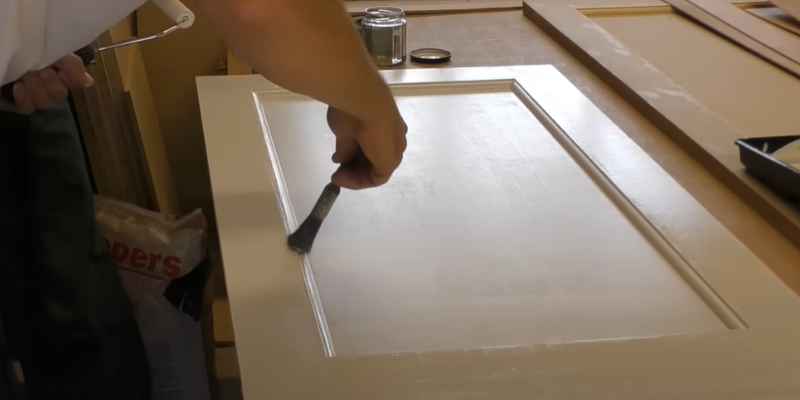
Priming Mdf: The Debate
Priming MDF makes the surface smooth. It prevents paint from soaking in. This saves you time and money. Primed MDF looks professional. Paint adheres better to a primed surface. This increases durability. Priming blocks stains and odors. It also prevents swelling from moisture.
Skipping the primer can lead to uneven paint. The paint may peel or chip. The surface may absorb more paint. This increases costs. Unprimed MDF can warp from moisture. Stains and odors may appear. The final look may be less appealing.
Benefits Of Priming Mdf
Priming MDF helps paint stick better. Paint stays on longer and looks smoother. No peeling or chipping happens. The surface becomes even and ready for painting.
Priming makes MDF stronger. It lasts longer and handles wear and tear. Less damage occurs over time. Furniture and projects stay in good shape.
MDF absorbs water quickly. Priming helps block moisture. It reduces swelling and warping. Items stay dry and safe. Good for kitchens and bathrooms.
Choosing The Right Primer
Oil-based primers are great for MDF. They help the paint stick well. These primers also block stains. Many people choose them for tough jobs. They dry slowly but provide a strong base.
Water-based primers dry faster. They are easy to clean up. These primers are good for indoor projects. They are less smelly than oil-based ones. Some people prefer them for quick jobs.
Shellac-based primers are very strong. They block stains and odors. These primers dry very fast. They are great for covering tough spots. Many professionals use them for the best results.
Application Techniques
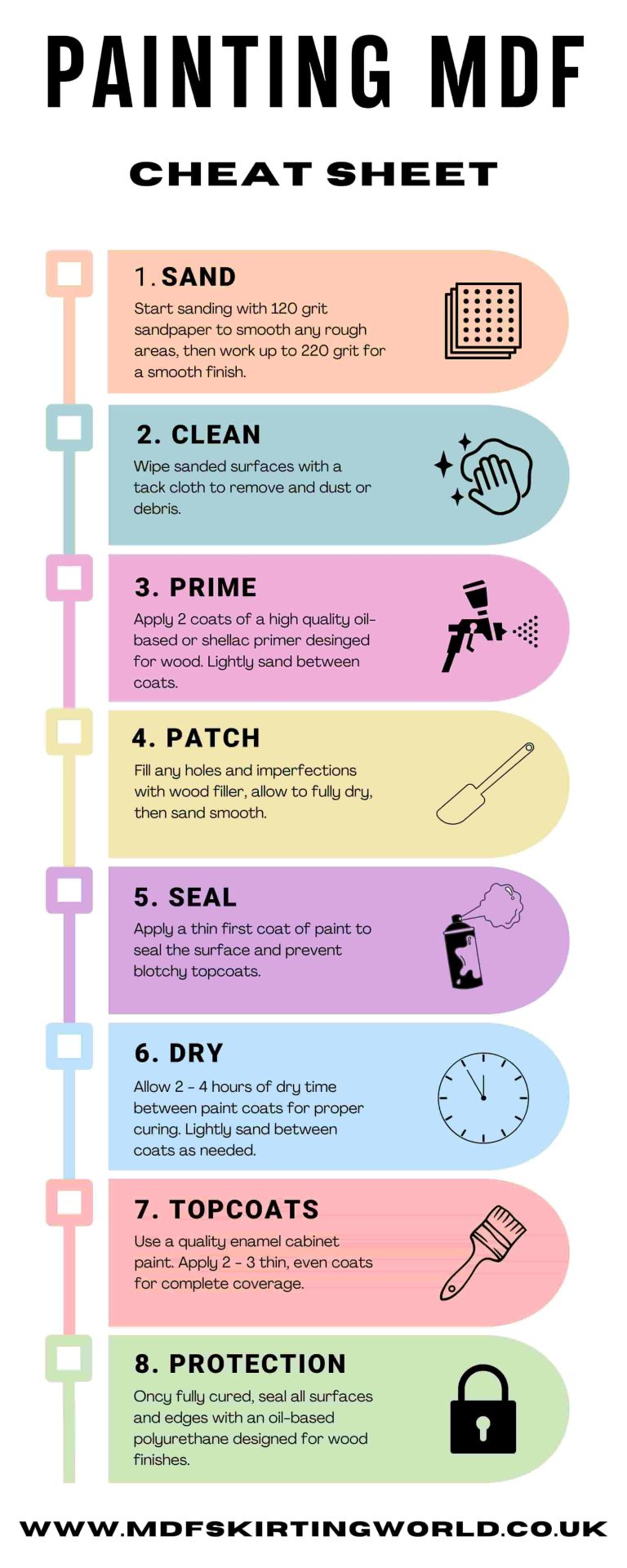
Clean the MDF with a damp cloth. Remove all dust and dirt. Check for any imperfections. Fill any holes or dents with wood filler. Sand the surface until it feels smooth. Use fine-grit sandpaper for the best results.
Use a high-quality primer for MDF. Apply the primer evenly. Use a brush or roller for a smooth finish. Cover all edges and corners. Apply a second coat if needed. Let the primer dry completely before moving on.
Allow the primer to dry for at least 2 hours. Check the primer label for exact drying times. Lightly sand the primed surface. Use fine-grit sandpaper for this step. Wipe off any dust with a clean cloth. The surface is now ready for paint.
Common Priming Mistakes
Too much primer can cause problems. Over-priming leads to a bumpy finish. It makes the surface uneven. Use a thin, even coat for best results. This helps the paint stick better.
Edges and corners are easy to miss. They need primer too. Skipping them can cause peeling later. Always check these spots. Use a small brush for hard-to-reach areas.
Primer needs time to dry. Rushing can ruin your work. Make sure the primer is fully dry. Check the label for drying times. This step is very important for a smooth finish.
Painting Primed Mdf
Select high-quality paint for your MDF. Water-based paints work well. Oil-based paints can also be used. Check for compatibility with your primer. Matte and satin finishes are great choices. Glossy finishes are less forgiving. Test a small area first. Ensure good ventilation while painting.
Sand the surface before painting. Use fine-grit sandpaper for best results. Wipe off dust with a damp cloth. Apply thin coats of paint. Let each coat dry fully. Use a brush for edges and corners. A roller or sprayer works well for large areas. Lightly sand between coats for a smooth finish.

Real-life Examples
Primed MDF makes DIY projects easy. Shelves and cabinet doors look smooth and professional. It saves time because it needs less sanding. Painting is simple, and the finish is flawless. Kids can help paint and create fun designs.
Experts recommend priming MDF for best results. Unprimed MDF can absorb paint unevenly. This can lead to a blotchy finish. Primed MDF ensures a smooth and even surface. It also protects the wood from moisture. This makes it last longer. Professionals prefer using primed MDF for high-quality work.
Maintenance And Care
Primed MDF surfaces can get dirty over time. Use a soft cloth to wipe away dust. Avoid using water, as it can damage the surface. A damp cloth is okay for tough spots. Mild soap can help clean sticky areas. Make sure to dry the surface after cleaning. Keep away from harsh chemicals; they can ruin the finish.
Small scratches can be fixed with touch-up paint. Use a small brush for best results. For deeper scratches, use wood filler. After it dries, sand it smooth. Apply a fresh coat of primer and paint. Check for loose edges; glue them back if needed
Frequently Asked Questions
Can You Paint Directly On Mdf?
Yes, you can paint directly on MDF. Sand the surface first and apply a primer for best results. Use high-quality paint for durability.
What Primer Should I Use On Mdf?
Use a high-quality acrylic primer on MDF. It seals the surface well and provides a smooth finish. Apply two coats for best results.
What Happens If You Don’t Seal Mdf?
Unsealed MDF absorbs moisture, causing it to swell and warp. It becomes prone to damage, mold, and reduced lifespan.
Conclusion
Priming MDF ensures a smooth, durable finish for your projects. It also helps the paint adhere better, preventing damage. Skipping this step can lead to poor results and a shorter lifespan for your work. Always prime MDF to achieve professional, long-lasting outcomes in your DIY or professional projects.