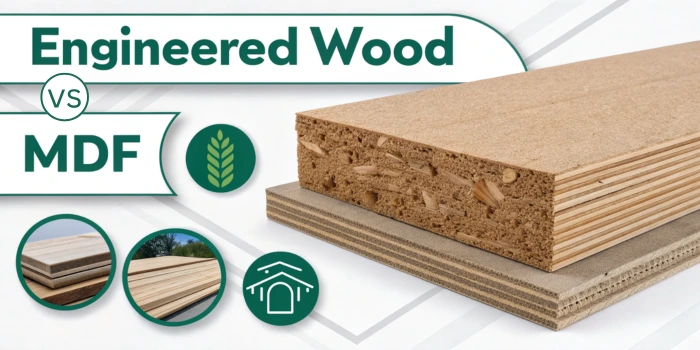
Should You Avoid MDF?
MDF is a reasonable choice for most indoor, painted furniture and cabinetry, and a poor choice for anything exposed to moisture or heavy structural load. The real concern with MDF isn’t some hidden danger – it’s formaldehyde emissions from the resin binder, which is a genuine, well-documented issue that modern regulations have significantly reduced but not eliminated. Here’s what actually matters when deciding.
What MDF Actually Is
Wear This When Cutting MDF
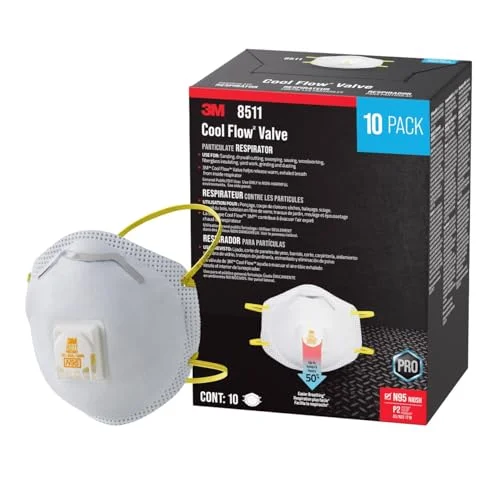 |
3M 8511 N95 Valved Respirator, 10-Pack MDF dust is fine enough to get deep into lungs – a real mask matters more here than with solid wood sawdust.
|
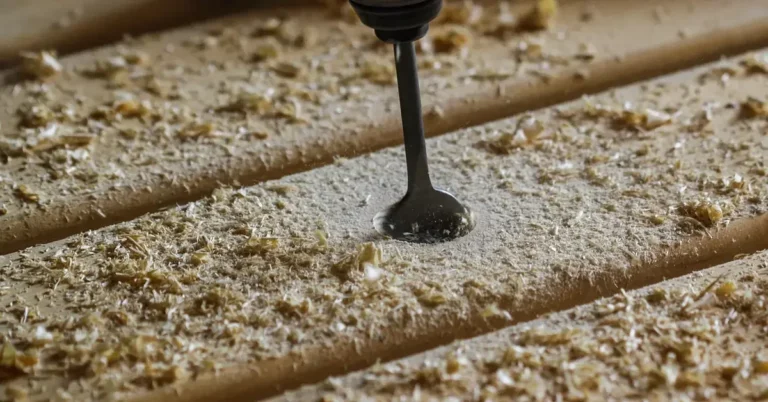
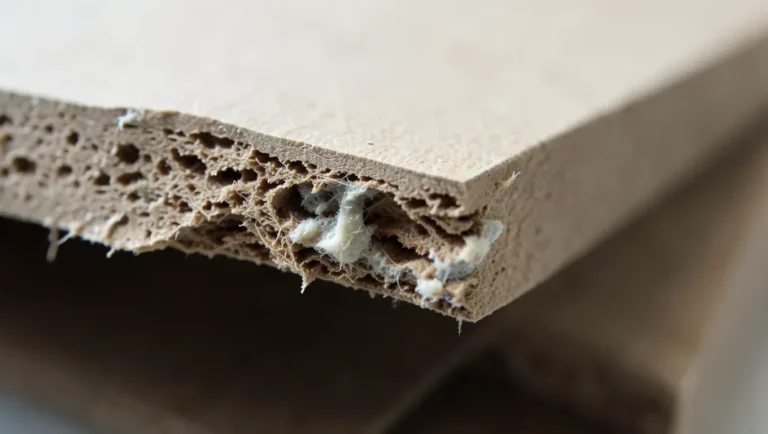
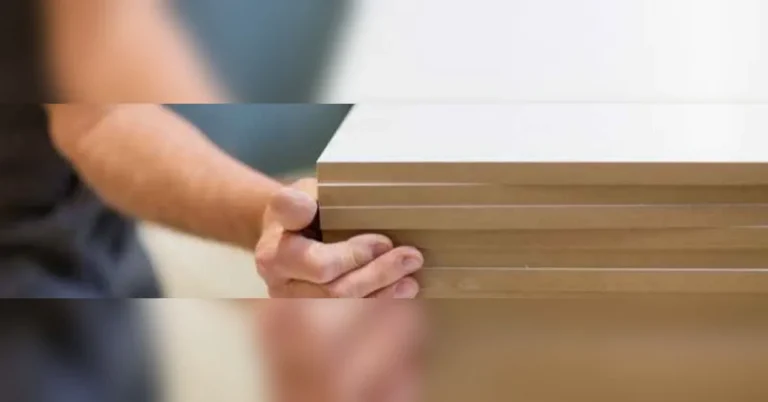
MDF (medium-density fiberboard) is made by breaking wood down into fine fibers, mixing them with wax and a resin binder (typically urea-formaldehyde), then pressing the mixture into dense, uniform sheets under heat and pressure. That manufacturing process is exactly why MDF has no grain, cuts and machines cleanly in any direction, and takes paint better than plywood or solid wood – and it’s also the source of both the formaldehyde concern and the material’s poor tolerance for moisture. The same fine fiber structure that eliminates tear-out when routing a profile edge is also what makes MDF dust so fine that it gets deep into lungs more easily than coarser solid-wood sawdust, which is the real reason respiratory protection matters more here than with ordinary woodworking.
The Formaldehyde Question, Answered Directly
MDF is not banned in the United States. What exists instead is real regulation: the EPA’s TSCA Title VI formaldehyde emission standards (which incorporate the California Air Resources Board’s CARB Phase 2 limits) set legal limits on formaldehyde emissions from composite wood products sold in the US, including MDF, particleboard, and hardwood plywood. Products meeting these standards carry a compliance label, and this regulation has meaningfully reduced emissions industry-wide since it phased in. The rule applies to composite wood panel products manufactured or imported for sale in the US, so a compliance label is a real regulatory claim, not just marketing language on the packaging. The practical takeaway: buy CARB2/TSCA Title VI-compliant MDF (nearly all US-sold MDF today is compliant), and off-gassing is a real but manageable concern rather than a reason to avoid the material outright. Products manufactured before roughly 2018 predate full phase-in of these standards, which matters if you’re evaluating older furniture or salvaged MDF rather than something bought new today.
When MDF Makes Sense
- Painted furniture and cabinetry – MDF’s smooth, grain-free surface takes paint more evenly than plywood or solid wood.
- Indoor trim and moulding – stable, consistent profile milling with no knots or grain tear-out.
- Shelving in dry, indoor spaces – cost-effective and stable as long as spans are supported adequately, since MDF sags more than plywood under the same load.
- Speaker cabinets and acoustic panels – MDF’s density actually helps here, damping vibration better than lighter materials.
When to Avoid MDF
- Bathrooms, kitchens near sinks, or any high-moisture area – standard MDF swells and disintegrates when it stays wet, and swelling is permanent, unlike some warping in solid wood that can be corrected.
- Outdoor projects – even moisture-resistant MDF (MR-MDF) is not rated for direct weather exposure long-term.
- Load-bearing structural applications – MDF has lower screw-holding strength than plywood, especially at edges, and can strip out under repeated stress.
- Anywhere requiring frequent cutting without dust control – if you can’t manage dust exposure well (no shop vac, no outdoor cutting option), the fine dust and formaldehyde content make MDF a worse fit than solid wood for that specific situation.
MDF vs. Plywood vs. Particleboard
| MDF | Plywood | Particleboard | |
|---|---|---|---|
| Surface for painting | Excellent, no grain | Good, grain may show | Fair, needs veneer/laminate |
| Screw-holding strength | Fair, weak at edges | Good | Poor |
| Moisture resistance | Poor (standard grade) | Good (exterior grades exist) | Poor |
| Typical cost | Moderate | Higher | Lowest |
Reducing Formaldehyde Exposure in Practice
- Buy CARB2 or TSCA Title VI-compliant MDF. Check the label or ask the supplier directly – nearly all US-sold MDF today meets this standard, but confirming costs nothing.
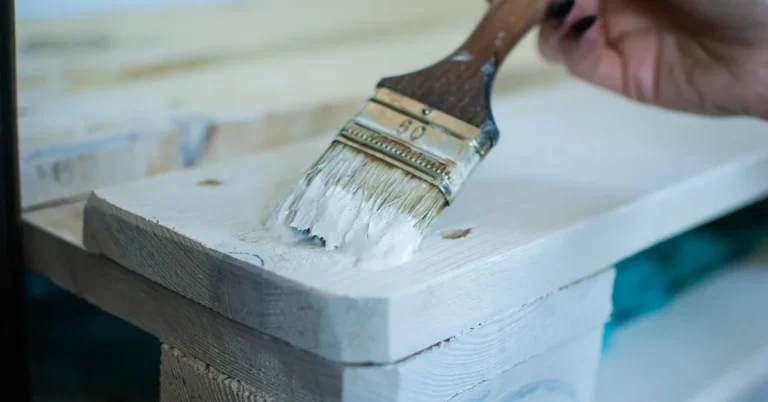
- Seal every cut edge. Raw cut edges emit more than sealed faces, since factory faces often already have a light surface seal from manufacturing that cut edges lack entirely. Primer or paint works fine for this – it doesn’t need to be a specialized sealant.
- Let new MDF furniture off-gas in a ventilated space before heavy use, especially in a bedroom or other space with limited air exchange.
- Use a real N95 or better respirator when cutting, routing, or sanding – a cloth or surgical mask does not filter fine MDF dust effectively.
- Cut outdoors or with dust collection running whenever the project allows it, rather than relying on the mask as your only line of defense. – a mask is the last layer of protection, not the first.
Low-Formaldehyde and Alternative Options
If formaldehyde exposure is a specific concern for your household – a nursery, a bedroom for someone with respiratory sensitivity – a few options reduce it further than standard compliant MDF. NAF (no-added-formaldehyde) or ULEF (ultra-low-emitting formaldehyde) MDF exists specifically for this use case, typically using a different resin system (such as PVA-based binders) at a real cost premium. Solid wood and hardwood plywood with formaldehyde-free glue lines are the other common substitutes, at a further cost increase but with the durability benefits of natural wood grain as a bonus. For most general furniture projects without a specific sensitivity concern, standard CARB2-compliant MDF is a reasonable, well-regulated choice, and the premium for NAF or ULEF grades is worth reserving for situations that genuinely call for it. Ask your supplier directly which standard a given sheet meets rather than assuming based on price or brand name alone, since labeling practices vary between manufacturers.
MDF’s Real Environmental Trade-offs
MDF has a genuine, well-documented recycling problem: the resin binder that gives it strength also makes mechanical recycling difficult, since the wood fibers and cured resin can’t be cleanly separated the way solid wood can be repurposed. Most MDF that reaches end-of-life goes to landfill rather than recycling, and the resin content means it’s not suitable for clean-burn wood energy recovery either in most facilities. On the other side of the ledger, MDF’s manufacturing process uses wood fiber from smaller trees, sawmill residue, and wood that wouldn’t otherwise be suitable for solid lumber, which is a genuine resource-efficiency argument in its favor – it makes use of material that might otherwise be waste. Neither side of this trade-off is a reason to avoid MDF outright, but it’s worth knowing both facts rather than treating MDF as either purely wasteful or purely efficient.
MDF Grades and Thicknesses Worth Knowing
Standard MDF is the general-purpose grade for most indoor furniture and trim. Moisture-resistant MDF (MR-MDF, often tinted green) uses a different resin formulation that resists swelling better, making it a reasonable choice for humid rooms like bathrooms as long as it’s not in direct water contact – but it is still not exterior-rated. Fire-retardant MDF exists for commercial and code-driven applications where standard MDF’s flammability doesn’t meet building requirements. Thickness matters more with MDF than with plywood of the same nominal size, since MDF’s greater density and lower stiffness-to-weight ratio means a 3/4″ MDF shelf sags more under the same load than a 3/4″ plywood shelf of the same span – for anything spanning more than about 24-30 inches without additional support, upsizing the thickness or adding a center support is worth considering regardless of which grade you choose. A quick deflection test – pressing down firmly at the center of an unsupported span before committing to the final design – catches a sagging problem before it becomes a permanent one in a finished piece.
Frequently Asked Questions
Why is MDF banned in the US?
It isn’t banned. The EPA’s TSCA Title VI standards (aligned with California’s CARB Phase 2 rule) regulate and limit formaldehyde emissions from composite wood products, including MDF, rather than banning the material.
What is the problem with MDF?
Formaldehyde emissions from the resin binder, poor moisture tolerance (permanent swelling when wet), weaker screw-holding than plywood, and fine dust that requires real respiratory protection when cutting or sanding.
Is MDF safe to have in a home?
Yes, for CARB2/TSCA Title VI-compliant MDF (the standard for US-sold products today) in a normally ventilated home. Sealing cut edges with paint or primer further reduces any ongoing emissions.
Conclusion
MDF isn’t banned and isn’t dangerous when used correctly – it’s a specific-purpose material that excels at painted indoor furniture and struggles with moisture and structural load. Buy compliant MDF, wear a real respirator when cutting it, keep it dry, and it’s a genuinely practical choice for the right project. The label on the sheet you buy tells you more about whether to worry than any generic warning about the material as a whole.
Sponsored / affiliate links. As an Amazon Associate I earn from qualifying purchases. I may earn additional commission from eligible campaigns.