What Does MDF Look Like? How to Tell It Apart From Plywood
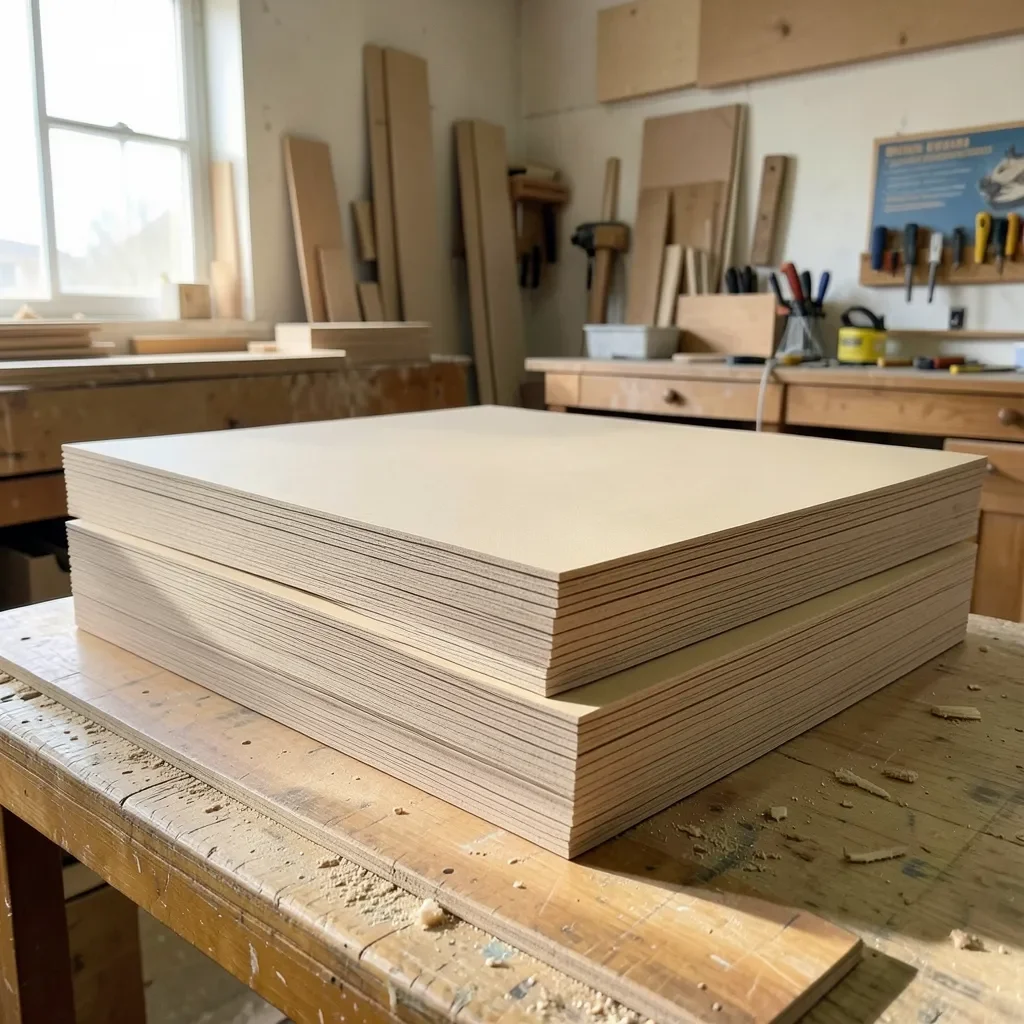
MDF looks like a flat, uniform sheet with a smooth, felted texture and no visible wood grain, chips, or knots — unlike plywood’s layered grain or particleboard’s visible wood chips. It weighs about 44 to 45 lbs per cubic foot, roughly 30% heavier than an equivalent sheet of pine. This guide covers what MDF is made of, how to identify it by its edge, painting it correctly, and when plywood is the better choice instead.
What MDF Is Made Of
Best MDF Primer Pick
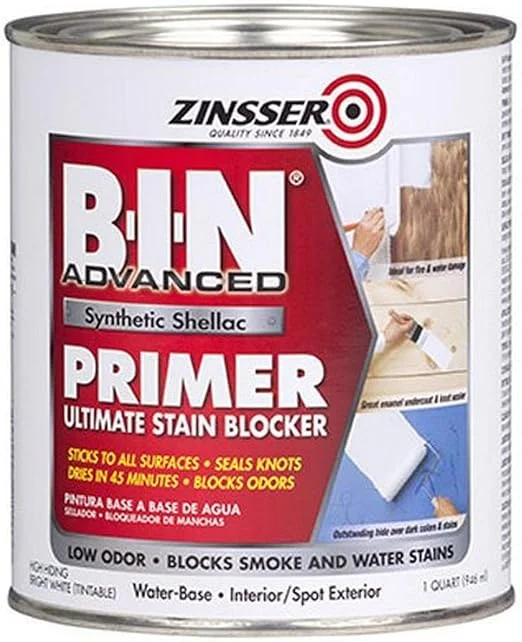 |
Zinsser B-I-N Shellac-Base Primer, Quart – $24.32 A shellac-base primer seals MDF’s absorbent cut edges without adding water, which is what prevents the fuzzy, swollen-edge look covered below.
|
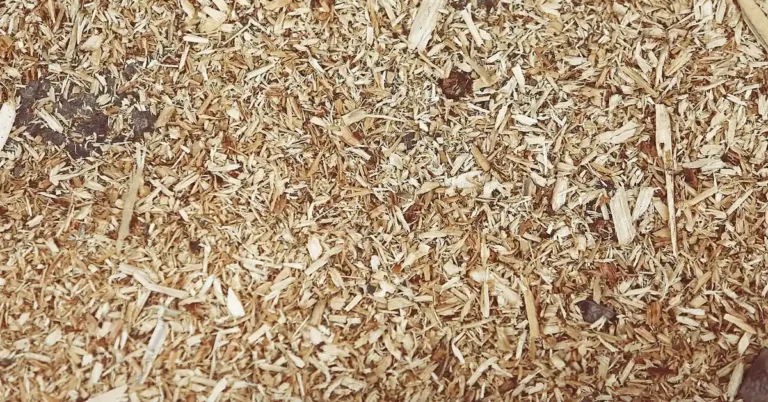
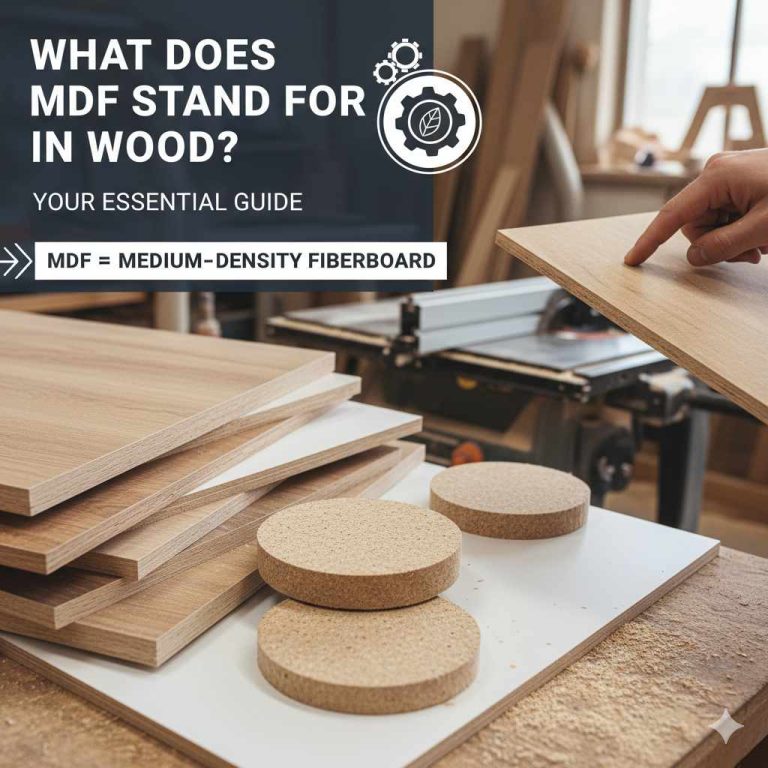
MDF (medium-density fiberboard) is made from wood fibers — broken down from sawmill waste, recycled wood, or cultivated trees — combined with wax and synthetic resin, then heat-pressed into a dense, uniform sheet. Unlike plywood’s layered veneer or particleboard’s visible wood chips, MDF’s fibers are refined fine enough that no individual piece of wood is visible anywhere in the sheet, including at a cut edge.
That fine, resin-bonded fiber structure is exactly what gives MDF the smooth, paintable surface it’s known for — but it also means the cut edges are highly absorbent, so getting the primer right (below) matters more on MDF than on solid wood. For a fuller side-by-side including particle board, see our particle board vs MDF vs plywood comparison.
What Does MDF Actually Look Like?
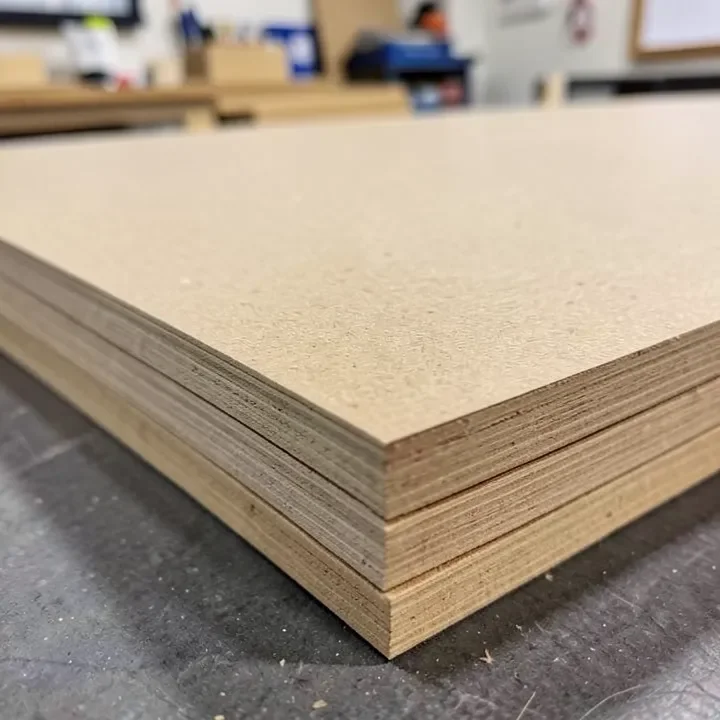
MDF is a consistent light tan to medium brown color with a smooth, matte surface and no visible grain pattern, knots, or splinters. It’s noticeably heavier than plywood of the same size — MDF runs about 44–45 lbs per cubic foot (600–800 kg/m³ depending on grade) versus roughly 30–35 lbs per cubic foot for softwood plywood.
The fastest way to identify MDF with certainty is to look at a cut edge:
| Material | Cut-Edge Appearance |
|---|---|
| MDF | Uniform, fine, felt-like texture — no visible individual wood pieces |
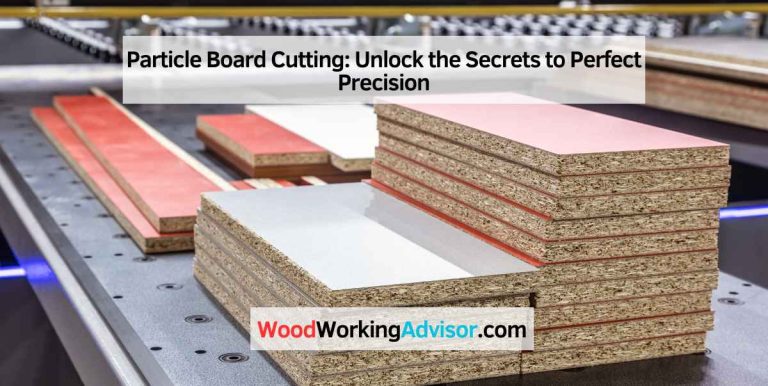
| Particle board | Coarser texture with visible wood chips and flakes in the core |
| Plywood | Distinct layered veneer sheets, grain rotated 90° between layers |
MDF vs. Plywood: Strength, Cost, and When to Use Each
MDF holds screws reasonably well and takes paint better than any other engineered wood, but plywood’s layered grain construction resists warping and holds significantly more load, especially near an edge or a screw pulled sideways. MDF is generally the more budget-friendly option and looks best on painted interior furniture, cabinet doors, and trim where the edges are hidden or edge-banded. Plywood is the better call for shelving that carries real weight, anything exposed to moisture, and outdoor or structural work.
📊 MDF has a typical density of 600-800 kg/m³ (about 44-45 lb/cu ft) — Source: Wikipedia, Medium-density fibreboard
Common Problems With MDF
MDF swells and can crumble permanently if it absorbs water — unlike solid wood, it doesn’t just warp and dry back out. It also off-gasses VOCs (including urea-formaldehyde in older or budget boards), which is why cutting or sanding MDF indoors without dust collection and ventilation isn’t a good idea. Look for boards labeled CARB Phase 2 or NAF (no added formaldehyde) if indoor air quality is a concern.
How to Paint and Seal MDF Correctly
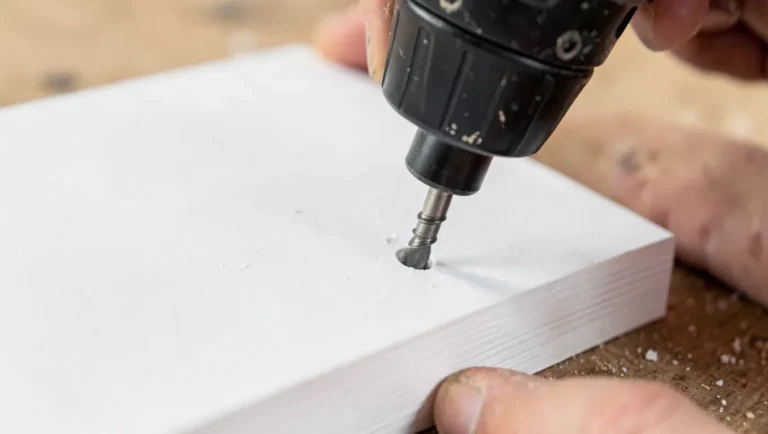
MDF’s cut edges are the most absorbent part of the sheet and will swell into a fuzzy, raised texture if you prime them with a water-based product — the water soaks into the exposed fibers before it can dry. A solvent- or shellac-based primer like the one above seals the edge without adding water, which is why shellac primers are the standard recommendation for MDF specifically, not just any wood primer.
Sand cut edges with 150-grit before priming, apply the shellac primer in one even coat, let it dry fully (most shellac primers recoat in under an hour), then sand lightly with 220-grit before your finish coats of acrylic or latex paint.
See our full wood primer and undercoat guide for picks beyond shellac-base if you are working with solid wood alongside MDF on the same project.
“The single most common MDF paint failure we see is a raised, fuzzy edge — it’s almost always a water-based primer applied straight to a cut edge instead of a shellac-based one.”
Frequently Asked Questions
What does MDF material look like?
MDF looks like a flat, uniform sheet in light tan to medium brown, with a smooth, matte surface and no visible wood grain, knots, or chips. It’s noticeably heavier than plywood of the same size.
How do I identify MDF versus particle board or plywood?
Check a cut edge. MDF shows a uniform, fine, felt-like texture with no visible wood pieces. Particle board shows coarser visible wood chips in the core. Plywood shows distinct layered veneer sheets with the grain rotated between layers.
What are the disadvantages of MDF?
MDF swells and can crumble permanently if it absorbs water, it’s heavier than plywood of the same size, it holds screws less securely near edges, and it can off-gas VOCs like urea-formaldehyde unless labeled CARB Phase 2 or NAF.
Is MDF or plywood stronger?
Plywood is stronger. Its layered, cross-grain construction resists warping and holds more load, especially near edges or screws. MDF is better suited to painted furniture and trim where its smooth, grainless surface matters more than load-bearing strength.
Conclusion
MDF looks like a smooth, grainless, uniformly colored sheet that’s heavier than plywood of the same size — and the fastest way to confirm it is checking a cut edge for that fine, felt-like texture. It’s the right material for painted furniture and trim where a flawless surface matters; reach for plywood instead anywhere strength, moisture exposure, or load-bearing capacity comes first.
Sponsored / affiliate links. As an Amazon Associate I earn from qualifying purchases. I may earn additional commission from eligible campaigns.