Do You Have to Treat MDF before Painting?: Essential Tips
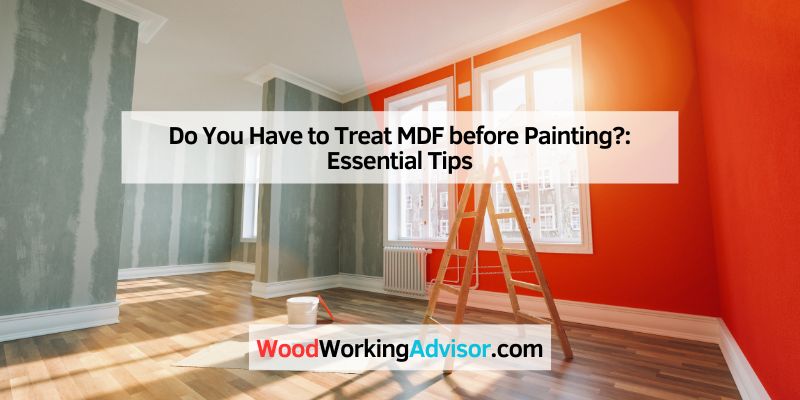
Are you planning to give your MDF furniture or project a fresh coat of paint? Before you dive in, there’s an essential step you might be overlooking: treating MDF before painting.
Many DIY enthusiasts find themselves frustrated when their painting results fall short of expectations. You might be wondering why the paint doesn’t adhere properly or why the finish isn’t as smooth as you’d hoped. Treating MDF correctly is the secret to achieving a flawless, professional-looking finish.
You’ll discover the simple yet crucial steps to prepare your MDF for painting, ensuring that your efforts pay off with stunning results. Curious to know more? Read on to uncover the secrets that will transform your painting project from mediocre to magnificent.
Preparing MDF For Painting
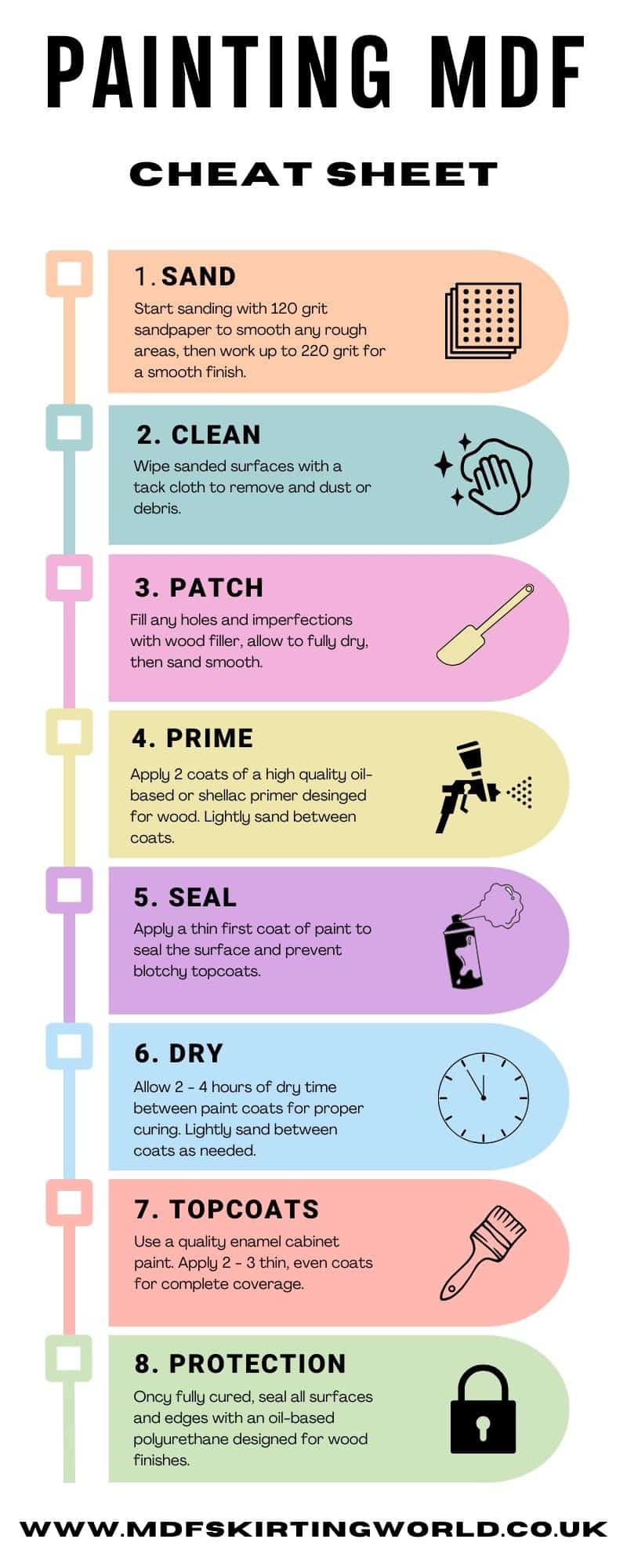
Dust can ruin paint jobs. Always clean MDF before painting. Use a soft cloth. Remove all dust. Dust particles can affect paint adhesion. Wipe the surface well. Ensure no dust remains. Clean corners and edges too. A clean surface is essential for painting.
Sanding smooths the surface. Start with a fine-grit sandpaper. Gently sand the MDF. Avoid rough sanding. It can damage MDF. Sand evenly. This helps paint stick better. Check for smoothness after sanding. Repeat sanding if needed.
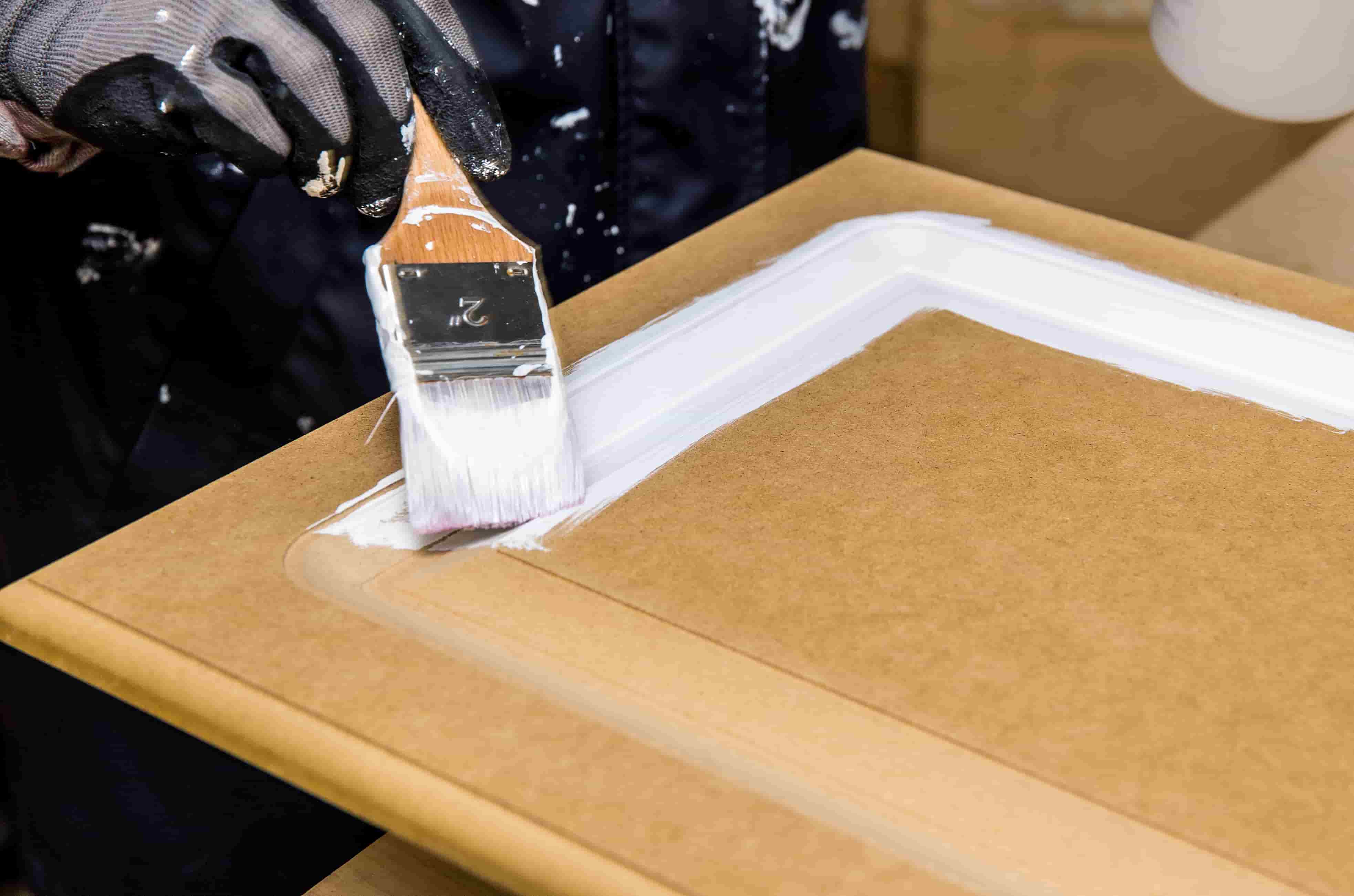
Primer prepares MDF for painting. Apply primer evenly. Use a brush or roller. Choose a quality primer. It seals the surface. Primer helps paint last longer. Let primer dry completely. Ensure full coverage before painting.
Credit: mdfskirtingworld.co.uk
Choosing The Right Paint
MDF can soak up paint easily. Picking the right type is key. Acrylic paint works well on MDF. It sticks nicely and dries fast. Oil-based paint is another option. It gives a shiny finish. Both are good choices for MDF.
Types Of Paint For MDF
Some paints are better for MDF. Acrylic paint is easy to use. It dries quickly. You can clean it with water. Oil-based paint lasts longer. It gives a smooth surface. Both are good for MDF.
Durability Considerations
Think about how long the paint will last. Acrylic paint can fade over time. It might need touch-ups. Oil-based paint is more durable. It holds up better against wear and tear. Choose the paint that fits your needs.
Applying Paint To MDF
Preparing MDF for paint involves sealing its porous surface. Use a primer to prevent paint from soaking in. This ensures a smooth and lasting finish on MDF surfaces.
Brush Vs. Roller
Choosing the right tool is important. A brush can paint small areas easily. It gives good control for edges. Brushes might leave lines. A roller is great for large areas. It provides a smooth finish. Rollers are faster than brushes. Brushes work well for details. Rollers cover wide surfaces quickly. Each tool has its own advantages. Pick based on the task. Both can be useful.
Achieving A Smooth Finish
Getting a smooth finish needs care. Sand the MDF first. Sanding removes rough spots. Use a primer before painting. Primer helps paint stick better. It makes the surface smooth. Apply thin layers of paint. Thin layers dry faster. Thick layers can drip. Dry each layer fully before adding the next. Drying is important for smoothness. Paint evenly for the best look. Patience gives the best results.
Common Mistakes To Avoid
MDF needs proper priming before painting. Skipping this step can cause paint to peel. Primer helps paint stick better. It also makes the color look even. Never skip priming. It saves you from a patchy finish.
Some paints are not good for MDF. Wrong paint can cause problems. It might not stick well. It can also chip or crack. Always choose a paint made for MDF. This ensures a smooth and long-lasting finish.
Maintenance Of Painted MDF
Painted MDF needs regular care. Dust it gently with a soft cloth. Avoid using water directly on the surface. It can damage the paint. Use a damp cloth for stubborn stains. Apply mild soap if needed. Wipe off soap with a clean cloth. Dry the surface completely after cleaning. Avoid harsh chemicals. They can ruin the paint. Keep MDF away from moisture. It helps the paint last longer.
Scratches happen easily on painted MDF. Keep spare paint for quick fixes. Use a small brush for touch-ups. Dab paint lightly on scratches. Let the paint dry completely. Check for color match before painting. If the color is off, mix a little paint. Sand gently if the surface feels rough. This keeps the MDF looking fresh.
Credit: mdfskirtingworld.co.uk
Frequently Asked Questions
Do You Need To Treat MDF Before Painting?
Yes, you need to treat MDF before painting. Apply a primer to seal the surface. Sand the MDF for a smooth finish. Use a damp cloth to remove dust. Ensure the surface is dry before painting. This preparation ensures better paint adhesion and a professional look.
Can You Paint Straight Over MDF?
Yes, you can paint directly over MDF. Sand the surface lightly for better adhesion. Apply a primer before painting to seal the board, preventing moisture absorption. Use acrylic or oil-based paints for a smooth finish. Ensure proper ventilation during painting to avoid inhaling fumes.
Can I Leave MDF Unpainted?
Yes, you can leave MDF unpainted, but it’s not recommended. Unpainted MDF absorbs moisture, leading to warping or damage. Painting or sealing MDF protects it from humidity and wear, ensuring durability. Applying a suitable finish enhances appearance and longevity, making it more resistant to environmental factors.
What Is The Best Treatment For MDF?
Seal MDF with a primer before painting. Use water-based acrylic paint for durability. Apply a clear coat finish for protection.
Conclusion
Prepping MDF before painting ensures a smooth, long-lasting finish. Sand the surface gently to remove imperfections. Apply a primer to seal and protect the MDF. This prevents moisture absorption and warping. Choose a primer compatible with your paint type. Let the primer dry completely.
Then, apply your chosen paint in thin, even coats. Allow each coat to dry fully. Proper preparation results in a beautiful, durable painted surface. Skipping these steps can lead to poor results. So, take your time. Your efforts will pay off with a stunning finish.