How to Make MDF Look Good
MDF looks good the same way any smooth substrate does: careful sanding and filling, a real primer coat matched to MDF’s absorbency, and then paint, veneer, or laminate on top. What MDF can’t do is take a traditional wood stain the way real lumber does — its face is compressed fiber and resin with no open grain, so stain sits unevenly on the surface instead of soaking in, giving a blotchy result rather than a wood-like one.
Choosing The Right MDF For The Job
Best For A Real Wood-Grain Look
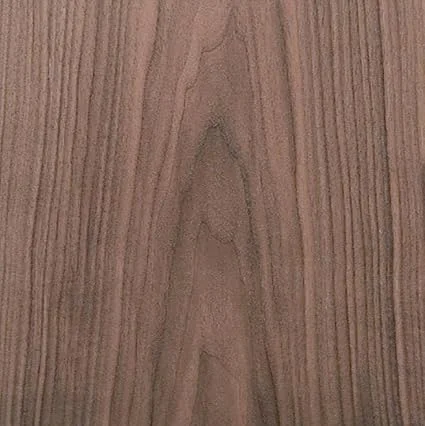 |
Edge Supply Walnut Peel-and-Stick Wood Veneer, 24×48″ – $59.99 Real walnut veneer with a 3M adhesive backing — the actual way to get genuine wood grain on MDF, since staining bare MDF gives a blotchy result, not a wood look.
|
Standard MDF is cheaper and fine for dry indoor spaces like bedroom shelving or cabinets. Moisture-resistant MDF (often green-tinted) uses a different resin that holds up better in bathrooms or kitchens, where standard MDF would swell and fail at the edges over time. Thickness matters for structural reasons too: thin MDF suits small, light items, while thicker stock (3/4″ or more) is what you want for anything load-bearing like shelving or tabletops.
Preparing The Surface
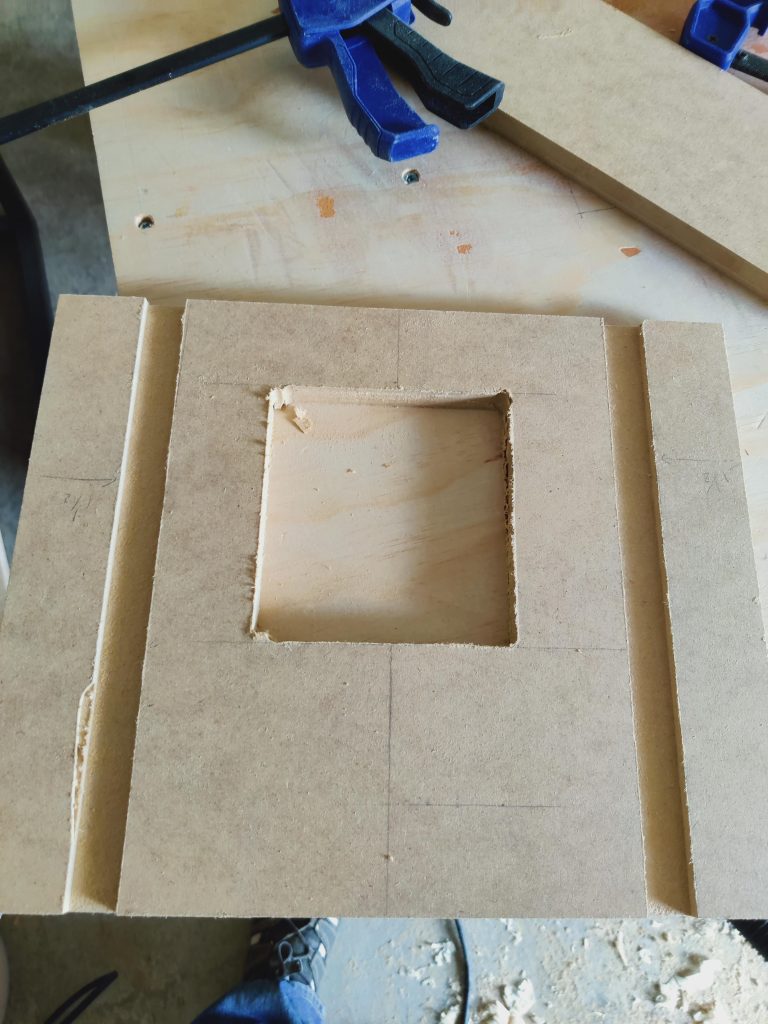
Start with coarse sandpaper on a sanding block to knock down rough spots and mill marks, then move to progressively finer grit for a smooth base. Fill any holes, dings, or seams with wood filler applied with a putty knife, let it cure fully, and sand flush — a smooth substrate here is what determines how good the final paint or veneer looks, more than the finish coat itself. Always clean off sanding dust with a tack cloth before moving to primer; dust trapped under primer telegraphs through as a rough texture.
Priming MDF Correctly
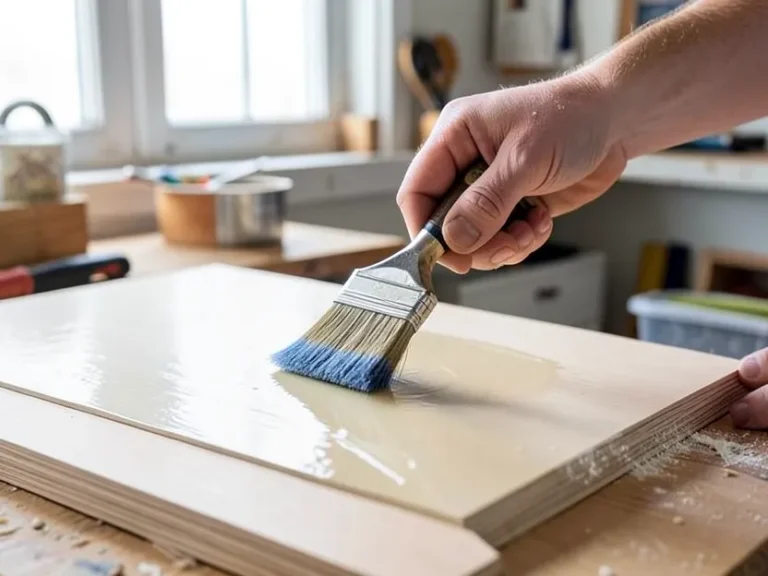
MDF’s cut edges are far more absorbent than its factory-smooth faces, so expect edges to need an extra coat or two to seal fully — skipping this is the most common reason an otherwise good paint job looks patchy right at the edges. A primer formulated for MDF (oil-based or a dedicated MDF/shellac-based primer) seals the surface more completely than a generic wall primer. Apply in thin, even coats with a brush or roller, sanding lightly between coats, and plan on two coats minimum for a genuinely smooth result.
Painting MDF For A Professional Look
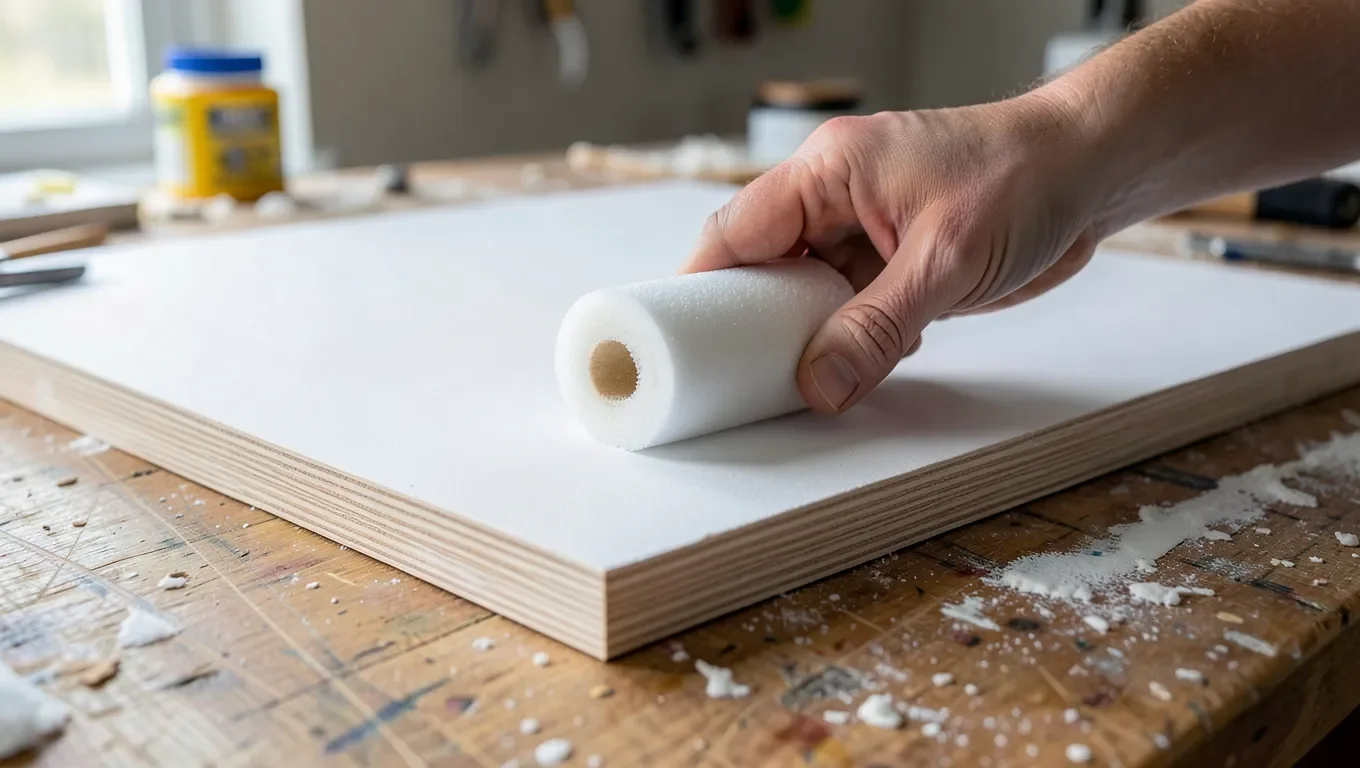
Once primed, acrylic or water-based paints are the easiest to work with and dry quickly; oil-based paint gives a harder, glossier result but takes longer to cure. Apply thin coats — two to three is typical — letting each dry fully and sanding lightly between coats with fine-grit paper. Use a brush to cut in edges and corners, and a foam roller for flat areas to avoid visible brush strokes on large panels.
Getting A Real Wood Look: Veneer, Not Stain
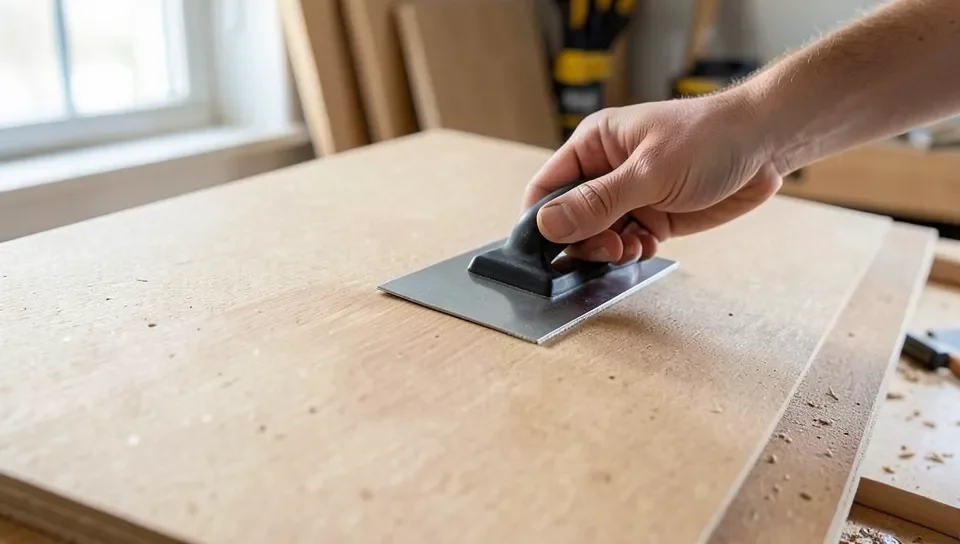
If the goal is a genuine wood-grain appearance, real wood veneer is the reliable path — a thin layer of actual wood (oak, walnut, maple, and other species are widely available) glued or peeled-and-stuck onto the MDF surface. Smooth out air bubbles as you apply it and trim the edges cleanly for a seamless result. This is the technique that actually delivers what many people are hoping a stain will do, without the blotchy unevenness stain leaves on MDF’s grainless face.
Other Decorative Finishes
Stencils work well on primed, painted MDF for graphic designs — simple patterns like stripes or geometric shapes hold up better than intricate ones, since fine detail can bleed under the stencil edges. Laminate is another durable option, especially for surfaces that will see heavy wear like countertops or tabletops, though it requires more specialized tools to apply cleanly than paint or peel-and-stick veneer.
Sealing For Durability
Polyurethane gives a durable, glossy protective layer over paint or veneer; polycrylic dries clear and fast with less yellowing over time, a real advantage on light-colored paint. Apply thin coats, sanding lightly between them, and always work in a ventilated space. Spraying gives the most even coverage on large flat panels but needs a respirator and a dust-free area to avoid trapping debris in the finish.

Maintaining The Finish
Dust regularly with a soft, dry cloth — avoid wet cloths, since MDF’s edges and any exposed core swell quickly if they absorb moisture. Wipe up spills immediately rather than letting them sit. Small scratches through the topcoat can be touched up with matching paint; deeper damage into the MDF itself needs wood filler, a fresh coat of primer over the repair, and matching paint before resealing.
Frequently Asked Questions
How Do You Make MDF Look Nice?
Sand and fill the surface smooth, apply a primer formulated for MDF (with extra coats on the more absorbent cut edges), then paint, laminate, or apply real wood veneer for the finish layer. Keep it clean and dust-free afterward for lasting appeal.
How Do You Get The Best Finish On MDF?
Sand thoroughly, prime with a product made for MDF (two coats minimum, more on cut edges), then apply your chosen finish in thin coats, sanding lightly between each. A clear topcoat like polyurethane or polycrylic adds durability and shine.
Can I Stain MDF To Look Like Wood?
Not effectively — MDF’s face has no open wood grain, so traditional stain sits unevenly on the surface and gives a blotchy result rather than a wood-like appearance. For a genuine wood look, apply real wood veneer instead, which has actual grain that stain can then enhance if desired.
What Is The Best Material To Cover MDF With?
Real wood veneer gives the most authentic wood-grain result; laminate offers strong durability for high-wear surfaces; paint is the simplest and most versatile option for color and pattern. Choose based on whether you want a wood look, maximum durability, or simplicity.
Conclusion
MDF looks good through the same fundamentals as any substrate: real sanding and filling, a primer matched to its absorbency (especially on cut edges), and a finish layer suited to the look you actually want. Paint and veneer both deliver — traditional stain on bare MDF does not, since there’s no grain there for it to work with.
Sponsored / affiliate links. As an Amazon Associate I earn from qualifying purchases. I may earn additional commission from eligible campaigns.