Does Butcher Block Come in Different Colors
Many people wonder, “Does Butcher Block Come in Different Colors?”. It’s a common question, especially for those just starting out with kitchen projects. Butcher block is beautiful, but sometimes people worry it only comes in one basic wood tone.
This can make choosing it a bit tricky. But don’t worry, finding the right color for your space is easier than you think. We’ll walk through it step-by-step.
Exploring Butcher Block Color Options
Butcher block, known for its durability and classic look, often sparks a fundamental question: Does Butcher Block Come in Different Colors? The simple answer is yes, but not in the way you might think of painted cabinets. Butcher block’s color is intrinsically tied to the type of wood used and how it’s treated. Understanding these factors is key to unlocking a wide range of aesthetic possibilities.
This section will explore the natural hues of different wood species commonly used for butcher block countertops and how finishes can alter their appearance. We’ll cover everything from light and airy tones to rich and deep shades, helping you visualize the perfect match for your kitchen or workspace.
Natural Wood Tones and Their Characteristics
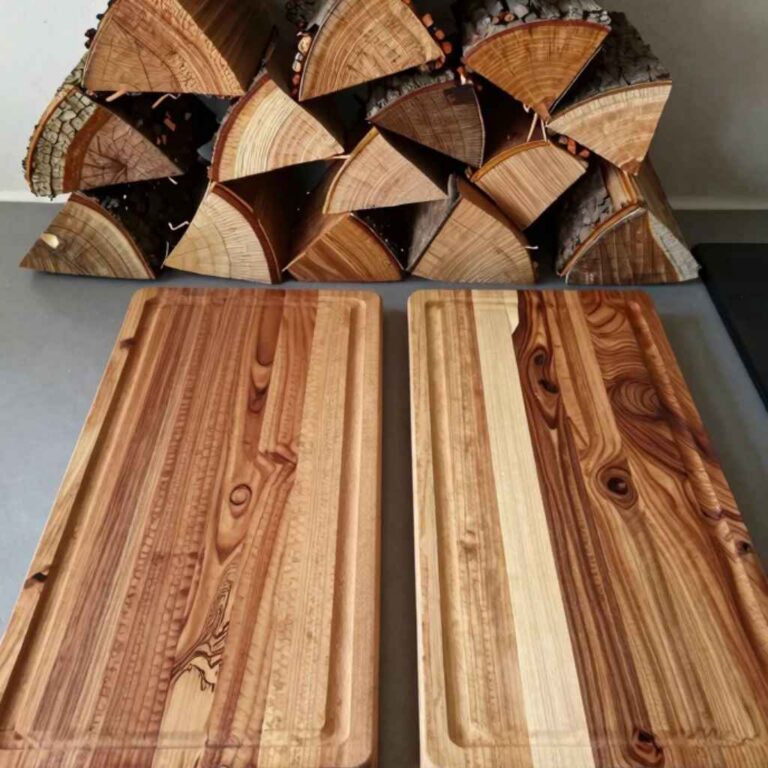
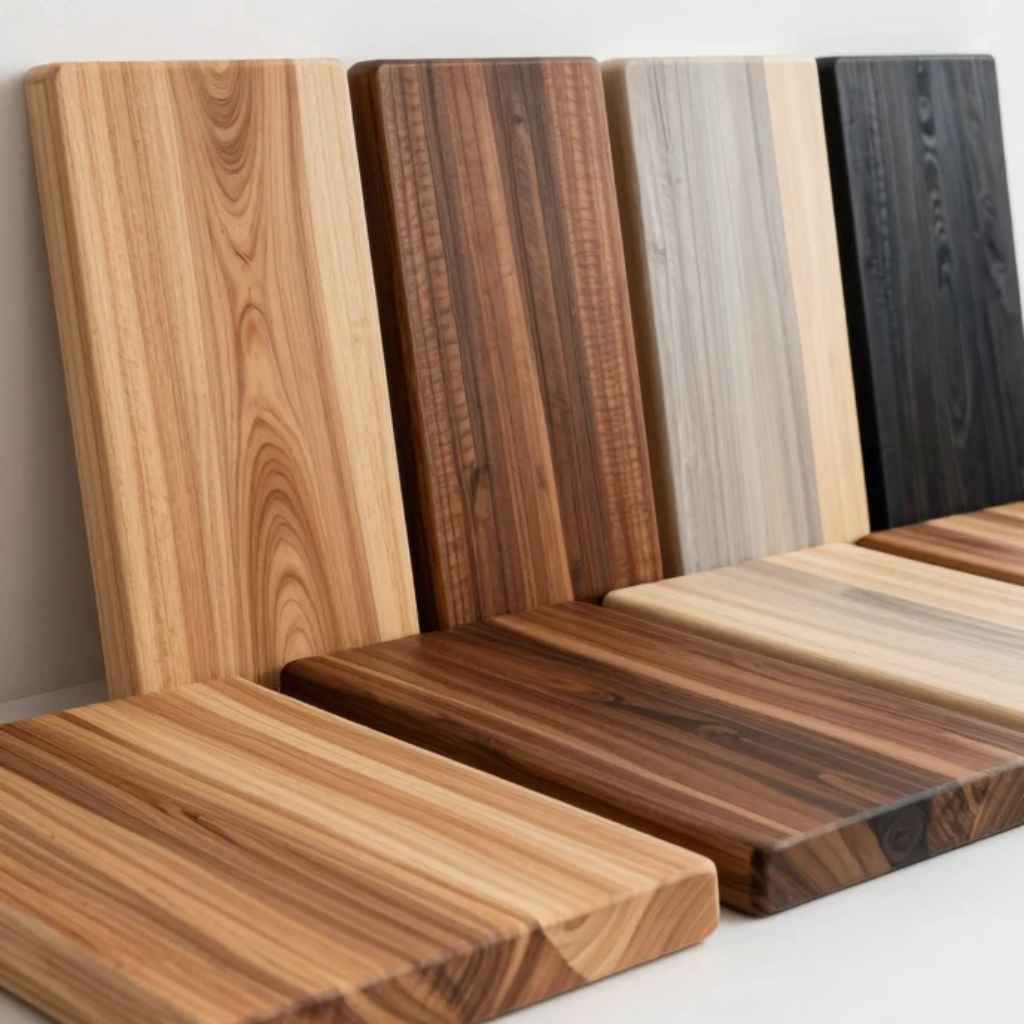
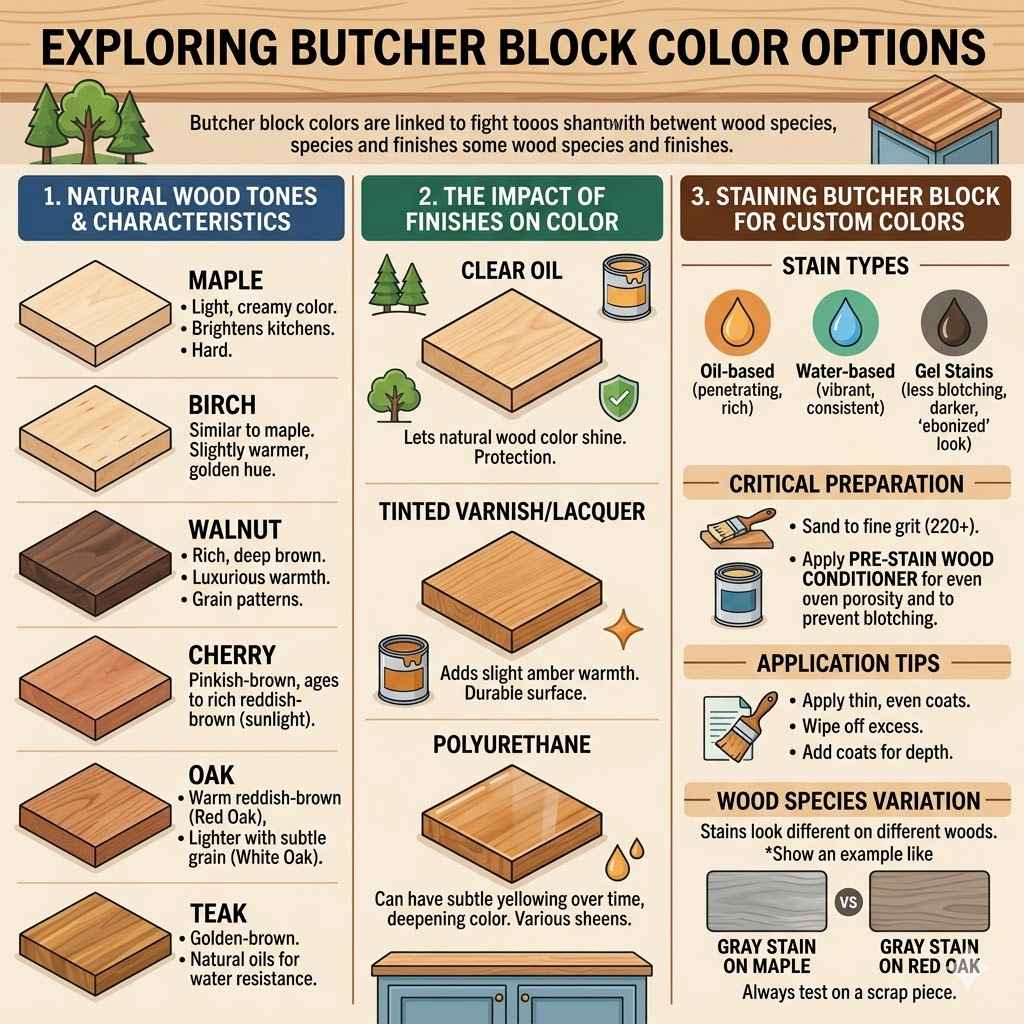
The most direct way butcher block gets its color is through the natural wood it’s made from. Different tree species have distinct inherent colors, ranging from very pale to quite dark. For example, maple is a very popular choice because of its light, creamy color, making kitchens feel bright and open.
It’s also quite hard, meaning it holds up well to daily use. Birch is another light-colored wood, similar to maple but sometimes with a slightly warmer, more golden hue. It’s a bit softer than maple but still a good option for many homes.
On the darker side, walnut offers a rich, deep brown color with beautiful, natural grain patterns. This can add a touch of luxury and warmth to a kitchen. Cherry wood is also a popular choice; it starts with a pinkish-brown tone and gradually deepens to a rich reddish-brown over time, especially when exposed to sunlight.
This aging process can be quite attractive. Oak, particularly red oak, has a warm, reddish-brown color and a prominent grain that can add texture and visual interest. White oak, on the other hand, is a bit lighter and has a more subtle grain.
Teak is another excellent option, known for its natural oils that give it a beautiful golden-brown color and excellent water resistance, making it ideal for areas that get wet. Each wood type brings its own personality, influencing not just the color but also the overall feel and maintenance needs of your butcher block. Choosing the right wood is the first step in achieving your desired look.
The Impact of Finishes on Color
Beyond the natural wood color, the finish applied to butcher block plays a huge role in its final appearance. Think of finishes as a way to enhance, protect, and sometimes even subtly alter the wood’s hue. For instance, a clear or natural oil finish will let the wood’s true color shine through, offering protection while maintaining its original tone.
This is a great choice if you love the natural look of maple or the deep richness of walnut and want to preserve it.
Varnishes and lacquers, especially those with a slight amber tint, can add a bit of warmth to lighter woods. They also provide a very durable surface that is resistant to stains and water. If you’re looking for a slightly warmer tone without changing the wood species, a tinted varnish might be the solution.
Polyurethane finishes are also common and come in various sheens, from matte to high gloss. Some polyurethanes can have a subtle yellowing effect over time, which can deepen the perceived color of the wood.
Stains are where you can really get creative with color. While many people associate butcher block with natural wood tones, it’s possible to stain butcher block to achieve a wide array of colors. A light stain can enhance the grain of maple, giving it a slightly more pronounced look without making it dark.
Medium stains can give woods like oak a richer, more traditional appearance. Dark stains can transform lighter woods into something resembling walnut or even ebony, though it’s important to note that staining can sometimes hide the natural beauty of the wood’s grain. It all depends on the look you are going for.
Staining Butcher Block for Custom Colors
For those who want a truly unique look, staining butcher block is an option that opens up a world of possibilities. It allows you to move beyond the natural color palette and achieve custom shades. However, staining wood, especially butcher block which is often used in kitchens, requires careful consideration.
The goal is usually to achieve a uniform color that enhances the wood’s character without looking unnatural or overpowering.
When staining, the type of stain matters. Oil-based stains tend to penetrate the wood deeply and can give a rich, warm color. Water-based stains are easier to clean up and can provide a more vibrant, consistent color.
Gel stains are a great option for butcher block because they sit more on the surface and are less likely to cause blotching, especially on dense woods like maple. Gel stains are also excellent for achieving darker colors and can sometimes even create an “ebonized” look when applied heavily.
The preparation of the wood surface before staining is absolutely critical. Sanding the butcher block to a very fine grit (often 220 or even higher) is essential for an even finish. After sanding, it’s important to remove all dust.
Many people also recommend using a pre-stain wood conditioner. This product helps to even out the porosity of the wood, preventing the stain from soaking in too quickly in some areas and too slowly in others, which can lead to a blotchy appearance. Applying the stain in thin, even coats and wiping off the excess is key.
You might need multiple coats to achieve the desired depth of color.
The final color achieved will also depend on the species of wood. A dark walnut stain will look very different on maple than it will on oak. For instance, applying a gray stain to maple might result in a light, almost silvery-gray finish.
The same gray stain on red oak might yield a warmer, more greige (gray-beige) tone. This variation is something to keep in mind when selecting your wood and stain combination. Always test your stain on a scrap piece of the same wood you are using for your project to see how it looks before committing to the whole countertop.
Types of Wood Used for Butcher Block
The species of wood chosen for butcher block is a primary determinant of its color, hardness, and overall appearance. Different woods offer distinct grain patterns, natural hues, and even varying levels of durability and moisture resistance. Understanding these differences helps in selecting the best butcher block for your specific needs and aesthetic preferences.
Let’s explore some of the most common wood types used in butcher block construction.
Hardwoods vs. Softwoods for Butcher Block
When it comes to butcher block, hardwoods are overwhelmingly the preferred choice, and for good reason. Hardwoods, which come from deciduous trees (trees that lose their leaves annually), are generally denser, stronger, and more resistant to dents and scratches than softwoods. This density makes them ideal for surfaces that will see heavy use, such as kitchen countertops and workbenches.
The tight grain of most hardwoods also makes them less porous, which can help with cleaning and maintenance.
Softwoods, which come from coniferous trees (evergreens), are typically less dense. Woods like pine or fir are common softwoods. While they are often more affordable and easier to work with, they are also much more prone to damage.
A butcher block made from softwood would likely show wear and tear much more quickly, including dents, nicks, and scratches. For a kitchen countertop that needs to withstand chopping, placing hot pots (with trivets, of course), and general daily activity, a softwood butcher block would not be a practical or durable choice. Therefore, when people refer to butcher block, they are almost always referring to a product made from a hardwood.
The term “butcher block” itself often conjures images of dense, tightly-grained wood that can stand up to heavy use. This is why hardwoods like maple, oak, walnut, and cherry are so popular. Their natural strength and beauty make them perfect for this application.
While some exotic hardwoods might be even harder, their cost and availability often make them less practical for widespread use. The focus remains on the common, reliable hardwoods that offer the best balance of performance, aesthetics, and value for butcher block surfaces.
Popular Wood Species and Their Colors
Maple is perhaps the most classic choice for butcher block. It boasts a very light, creamy white to pale brown color with a fine, uniform grain. Its natural hue makes kitchens feel brighter and more spacious.
It’s also exceptionally hard and durable, making it a top contender for high-traffic areas. Because it’s so light and consistent, maple stains very evenly, offering a neutral base for various finishes.
Walnut is known for its rich, deep chocolate brown color, often featuring attractive, swirling, or wavy grain patterns. It provides a luxurious and sophisticated look, adding a sense of warmth and elegance to any space. While it’s a bit softer than maple, it’s still a very durable hardwood.
Its dark, natural color means it’s less common to stain walnut, as its natural beauty is often the main attraction. It can also complement lighter-colored cabinetry well.
Oak is another very popular choice, especially American red oak or white oak. Red oak typically has a warm, reddish-brown hue and a more pronounced, open grain pattern. White oak is generally a bit lighter, with a more subdued, grayish-brown tone and a more consistent grain.
Both are very strong and durable woods. Oak’s distinct grain makes it a visually interesting option, and it takes stains well, allowing for a range of custom colors if desired, though its natural tones are also highly sought after.
Cherry wood starts with a pale pinkish-brown color and gradually darkens to a rich, lustrous reddish-brown over time, especially with exposure to light. This aging process is a desirable characteristic for many. It has a fine, straight grain that can sometimes have a slight wavy pattern.
Cherry is a moderately hard wood, making it suitable for countertops, though it might show wear a bit more readily than maple or oak. Its warm, evolving color adds a dynamic element to its appeal.
Other woods like beech, a pale cream to pinkish-brown with a fine grain similar to maple, and ash, which is similar in color to oak but with a more pronounced grain, are also used. Each species offers a unique aesthetic and performance profile, allowing for a wide range of choices to match any design vision.
Edge Grain vs. End Grain Butcher Block
The construction style of butcher block also influences its appearance, particularly the grain pattern you see. The two main types are edge grain and end grain. Edge grain butcher block is made by gluing together strips of wood along their longer sides, or edges.
This results in a surface with long, linear grain patterns running across the width of the countertop. This style is very common and is often seen as the standard for butcher block. It offers a clean, uniform look that is very appealing in many kitchen designs.
The color and appearance of edge grain butcher block will largely depend on the wood species used and the direction the strips are laid. If you’re using maple, you’ll see those consistent, pale lines. With walnut, you’ll see those rich, dark lines.
The pattern is consistent and orderly, making it a versatile choice. It’s also generally more affordable than end grain butcher block due to the simpler manufacturing process.
End grain butcher block is constructed by gluing together short, square blocks of wood so that the ends of the grain are exposed on the surface. This creates a checkerboard or mosaic-like pattern. This construction method is what makes traditional butcher block so beloved by chefs.
The small blocks are more forgiving, meaning knives can cut into the surface without leaving permanent gashes. When you cut on end grain, the knife essentially slides between the wood fibers rather than severing them. This self-healing property makes it incredibly durable for chopping.
Visually, end grain butcher block has a very distinct look. The exposed ends of the wood create a more varied and dynamic pattern. The color variations within the wood species are more apparent, as you see the cross-section of many small blocks.
This can lead to a richer, more textured appearance. Because of the more complex manufacturing process and the superior performance for chopping, end grain butcher block is typically more expensive than edge grain. However, for those who plan to use their countertops for extensive food preparation, the investment can be well worth it.
Finishing Butcher Block for Color and Protection
The finish applied to butcher block is crucial not only for protecting the wood but also for achieving the desired color and aesthetic. The type of finish you choose will impact how the butcher block looks, how it performs, and how you’ll need to maintain it. Whether you’re aiming for a natural, vibrant, or even a deeply colored look, the finish is your primary tool.
Oil Finishes for Natural Beauty
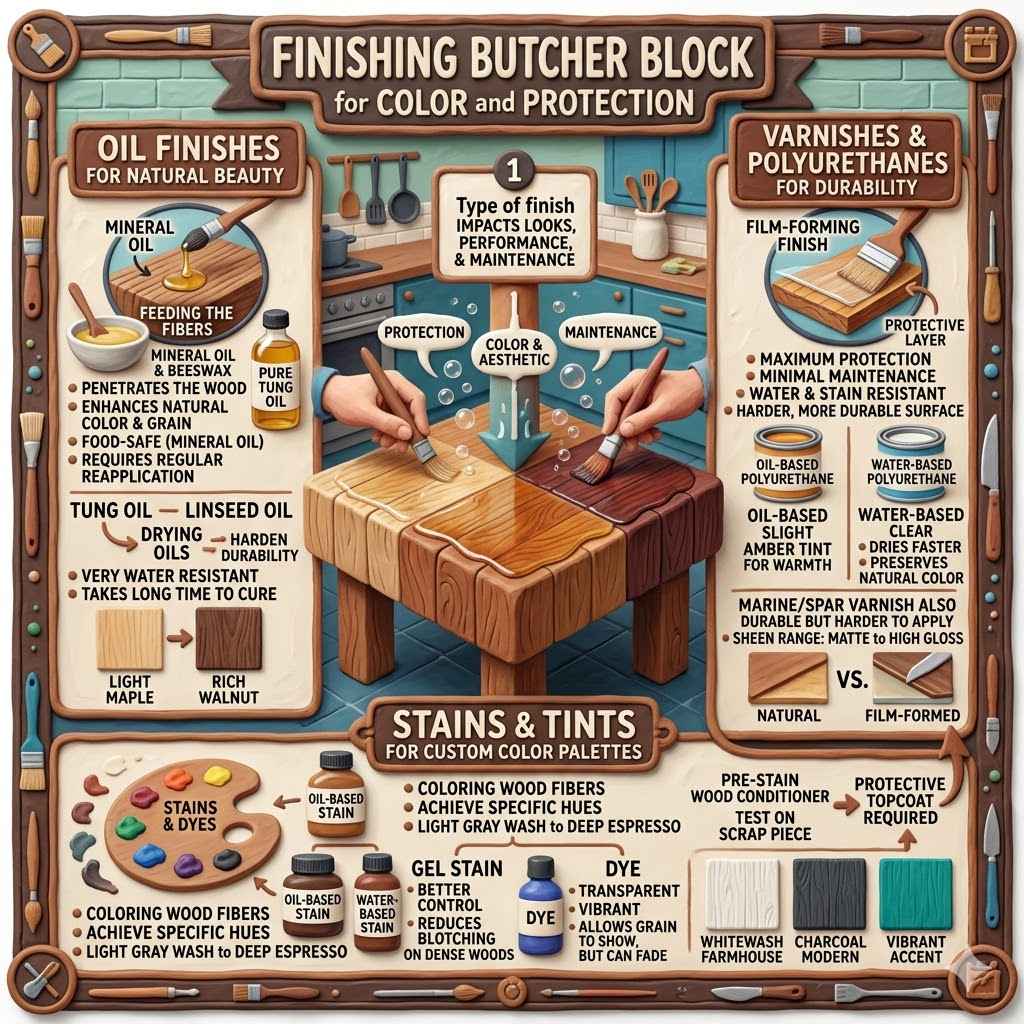
Oil finishes are a popular choice for butcher block because they enhance the natural beauty of the wood while providing protection. These finishes penetrate the wood, feeding the fibers and bringing out the rich, natural colors and grain patterns. Mineral oil is a common food-safe option.
It doesn’t cure or harden, meaning it needs regular reapplication, especially on surfaces that see heavy use or frequent washing. This constant replenishment keeps the wood looking its best and prevents it from drying out.
Another popular oil finish is a blend of mineral oil and beeswax. The beeswax adds a bit of water repellency and a subtle sheen. Tung oil and linseed oil are also used, though they are drying oils, meaning they will polymerize (harden) over time, creating a more durable surface than pure mineral oil.
Pure tung oil, in particular, is known for its excellent water resistance and beautiful, natural-looking finish. However, it can take a long time to fully cure.
The advantage of oil finishes is that they are relatively easy to apply and repair. If the surface gets scratched or stained, you can often sand out the imperfection and reapply the oil. The color achieved with an oil finish is typically true to the wood’s natural hue, perhaps slightly darkened or enriched.
For example, maple will still look like light maple, but with a deeper, warmer glow. Walnut will appear even richer and more complex.
To achieve the best results with oil finishes, it’s important to apply them generously to a clean, dry surface. Multiple coats are usually recommended, with plenty of drying time in between. Buffing the surface after application helps to create a smooth, satiny finish.
Regular maintenance, like applying a fresh coat of oil every month or so, is key to keeping the butcher block looking great and protected for years to come.
Varnishes and Polyurethanes for Durability
For those seeking maximum protection and minimal maintenance, varnishes and polyurethanes are excellent choices. These are film-forming finishes that create a protective layer on top of the wood. They are generally more water-resistant and stain-resistant than oil finishes, making them a great option for busy kitchens.
They also offer a harder, more durable surface that is less prone to scratching and denting.
Polyurethane finishes are very popular because they are widely available and come in various formulations, including oil-based and water-based. Oil-based polyurethanes tend to have a slight amber tint, which can add a subtle warmth and deepen the perceived color of the wood over time. This can be desirable if you want a slightly richer look.
Water-based polyurethanes are typically clear and dry faster, and they are less prone to yellowing than oil-based versions, preserving the wood’s natural color more accurately.
Varnishes, like marine varnish or spar varnish, are also very durable and water-resistant. They are often used in outdoor furniture or boat building due to their protective qualities. These can be a bit more challenging to apply than polyurethanes, often requiring more coats and careful application to avoid brush marks.
However, they offer robust protection against moisture and wear.
The main difference in appearance compared to oil finishes is that varnishes and polyurethanes create a surface layer, rather than soaking into the wood. This means the wood’s natural color is sealed beneath a protective film. While this offers superior protection, it can sometimes make the wood look less “natural” or “organic” compared to an oiled finish.
The sheen can range from a matte, low-luster finish to a high-gloss, reflective surface, depending on the product chosen. Proper preparation, including thorough sanding and cleaning, is essential for a smooth, professional-looking finish.
Stains and Tints for Custom Color Palettes
As mentioned before, staining butcher block is a fantastic way to achieve custom colors. This is where you can really deviate from the natural wood tones if you wish. Stains work by coloring the wood fibers.
There are many types of stains available, from traditional oil-based and water-based stains to more modern gel stains and even dyes.
Gel stains are particularly well-suited for butcher block because they are thick and sit on the surface more, offering better control and reducing the risk of blotching, especially on dense hardwoods like maple. They are excellent for achieving deep, rich colors. You can achieve anything from a light gray wash to a deep espresso brown or even a rich, dark green or blue.
The key is to apply the stain in thin, even coats and to wipe off the excess promptly for a more uniform color.
Dyes, unlike stains, are transparent and tend to be more vibrant. They color the wood without obscuring the grain. This can be a great way to achieve a specific hue while still allowing the wood’s natural texture to show through.
However, dyes can be more prone to fading over time if not protected by a UV-resistant topcoat.
When using stains, it’s crucial to prepare the wood surface properly. Sanding to a very fine grit and using a pre-stain wood conditioner will help ensure an even application. Always test your stain on a scrap piece of the same wood.
The final color will vary depending on the wood species. For instance, a dark walnut stain on maple will look different than the same stain on oak. After staining, a protective topcoat, such as polyurethane or a durable varnish, is necessary to seal in the color and protect the wood from moisture and wear.
This process allows you to match your butcher block to any color scheme in your home. You could opt for a light, whitewashed look to complement a farmhouse style, a deep charcoal for a modern kitchen, or even a vibrant color for a unique accent piece. The possibilities are truly endless when you explore the world of staining and tinting.
Frequently Asked Questions
Question: Can I get butcher block in colors other than wood tones?
Answer: Yes, you can achieve custom colors by staining butcher block. While it naturally comes in various wood tones, stains allow you to paint it virtually any color you desire, from grays and whites to blues and greens, though preparation and the wood type will affect the final look.
Question: Is butcher block always made of wood?
Answer: Yes, butcher block is specifically a type of wood construction. It is made by laminating strips of hardwood together. You cannot get butcher block made from materials like stone, metal, or laminate that mimic wood, as it is defined by its solid wood composition.
Question: How do I maintain butcher block countertops?
Answer: Maintenance depends on the finish. For oil-finished butcher block, regular reapplication of food-grade mineral oil or beeswax is needed. For varnished or polyurethaned surfaces, simple cleaning with mild soap and water is usually sufficient, with occasional checks for damage.
Question: Will my butcher block stain?
Answer: Unfinished or oil-finished butcher block can stain, especially from dark liquids like red wine or beet juice. Finishes like polyurethane or varnish create a barrier that makes the surface much more stain-resistant. Prompt cleanup of spills is always recommended.
Question: Can I chop directly on butcher block countertops?
Answer: You can chop directly on butcher block, especially end-grain varieties, which are designed for this purpose and have self-healing properties. However, for edge-grain or oiled butcher block, using a cutting board is advisable to preserve the surface and prevent excessive scratching or damage.
Conclusion
So, to answer the question “Does Butcher Block Come in Different Colors?” the answer is a resounding yes. You can choose from the natural beauty of various wood species like maple, walnut, and oak, or you can transform it with stains and finishes to match any color palette. The right finish will protect it and enhance its look.
Now you know how to get the perfect color for your project.