European Beech Wood: Properties, Janka Hardness & Best Uses
European beech (Fagus sylvatica) is a pale, fine-grained hardwood with a Janka hardness of 1,450 lbf and an average dried weight of 44 lb/ft³ (710 kg/m³) — harder than American beech and dense enough for flooring, tool handles, and steam-bent furniture, but not naturally rot-resistant enough for outdoor use.
What Is European Beech Wood?
European beech is the wood of Fagus sylvatica, a deciduous tree native to central and western Europe, from southern Scandinavia down through the Balkans. It’s one of the most heavily used hardwoods on the continent — European beech forests are actively managed and the wood is inexpensive relative to walnut or oak, which is part of why it shows up so often in mass-market hardwood furniture, bentwood chairs, and kitchen tools. The heartwood runs pale cream to light pinkish-brown, sometimes with a faint pink flush after steaming (a common commercial treatment that also makes the wood easier to bend). Grain is straight and the texture is fine and even, which is why it takes stain and finish so uniformly compared to open-pored woods like oak or ash.
Best Finish For Beech Furniture
 |
Watco Natural Danish Oil Finish – $14.98 A penetrating oil finish that suits beech’s fine, closed grain better than a heavy film finish — it won’t mask the subtle figure discussed above.
|
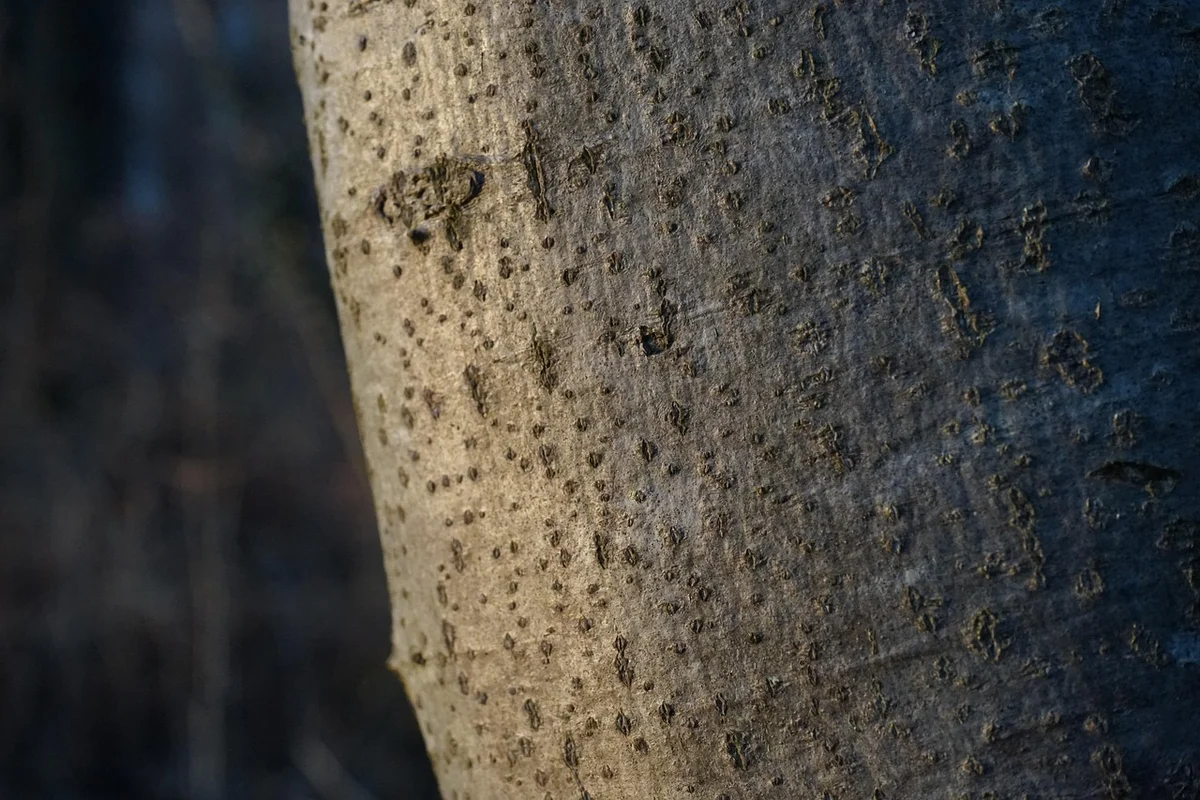
European Beech vs. American Beech
European beech (Fagus sylvatica) and American beech (Fagus grandifolia) are close relatives and get confused constantly, but a few differences matter once you’re buying lumber or trying to identify a tree in the yard:
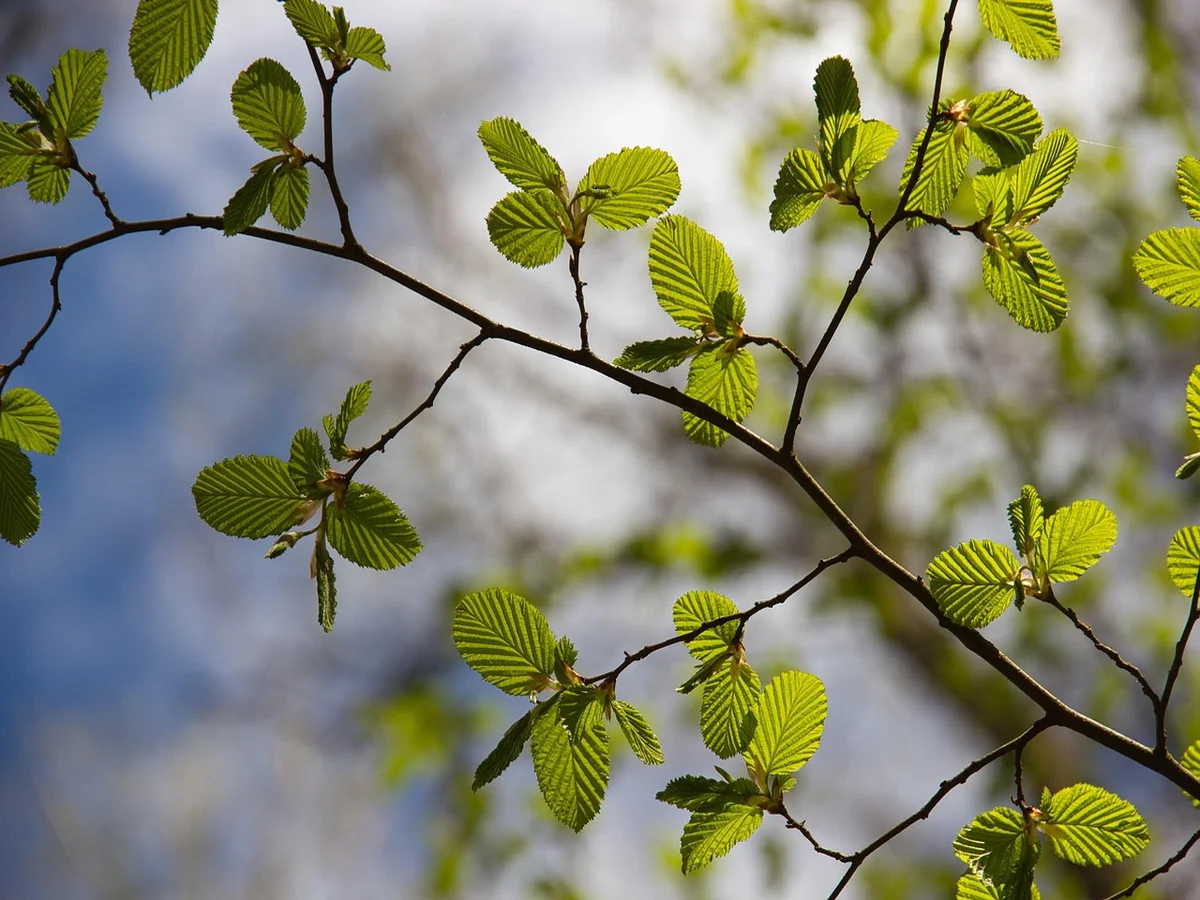
- Leaves: European beech has shorter, broader, more oval leaves with smooth (non-serrated) margins. American beech leaves are longer, taper to a point, and have distinctly serrated (toothed) edges.
- Hardness: European beech’s Janka rating of 1,450 lbf runs a bit higher than American beech, which typically tests around 1,300–1,350 lbf — noticeable in how much more the European wood resists dents from dropped tools or chair legs.
- Availability and price: American beech is common in eastern U.S. hardwood lumber but rarely marketed as a premium species; European beech is imported more deliberately, often already steamed, and usually costs more per board foot as a result.
- Typical use: European beech dominates European furniture manufacturing and bentwood classics (think Thonet-style bistro chairs); American beech sees more use in flooring, pallets, and turned items like rolling pins and mallets.
Structurally the two woods behave almost identically at the bench — same tendency to tear out on irregular grain, same excellent steam-bending behavior, same so-so rot resistance. If you’re weighing beech against other species for a specific project rather than against its American cousin, our ash vs. beech comparison covers how it stacks up against a more shock-resistant alternative.
Janka Hardness, Density, and Other Key Properties
Here’s the actual spec sheet, pulled from The Wood Database’s published test data rather than a marketing page — useful if you’re comparing beech against another species on paper before committing to lumber:
| Property | Value |
|---|---|
| Janka hardness | 1,450 lbf |
| Average dried weight | 44 lb/ft³ (710 kg/m³) |
| Specific gravity (basic, 12% MC) | 0.58 / 0.71 |
| Volumetric shrinkage | 17.3% |
| Tangential shrinkage | 11.6% |
| Radial shrinkage | 5.7% |
| Rot resistance | Non-durable to perishable (not for ground contact or outdoor use) |
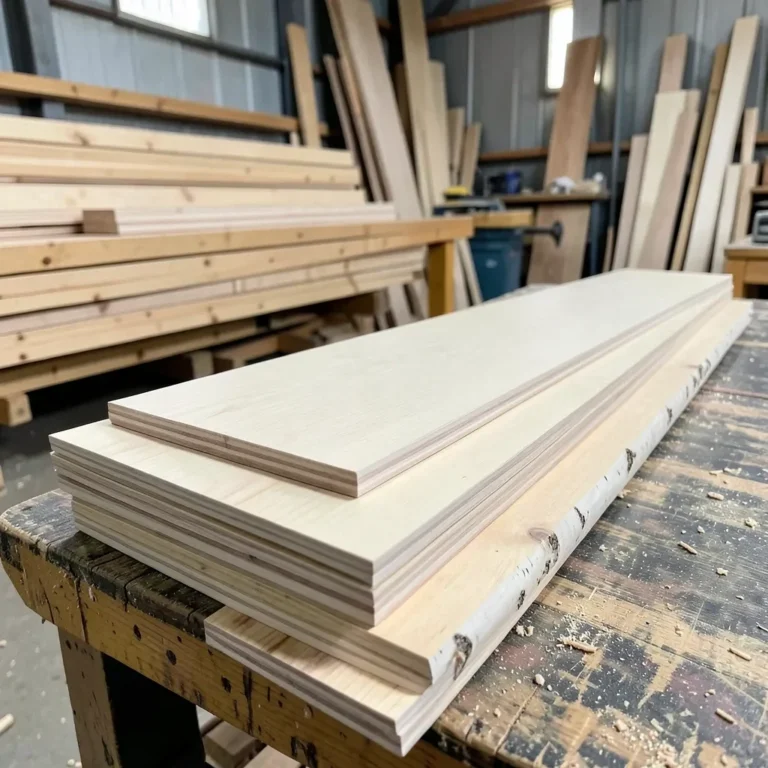
The number that trips people up most is the shrinkage rate. A tangential-to-radial shrinkage ratio around 2:1 means beech moves noticeably more than a stable wood like walnut as humidity swings through the seasons — wide beech panels can cup or gap if they’re not acclimated and finished on all faces before assembly. It’s also why solid beech is a riskier choice than beech plywood for anything wider than about 8–10 inches in a room with real seasonal humidity swings, like an uninsulated workshop or a house without central air.
How European Beech Works: Machining, Bending, and Finishing
Beech saws, planes, and turns cleanly with sharp tools, but that same tight, fine grain that makes it finish so smoothly also makes it prone to tear-out wherever the grain direction shifts — around knots or curl. Light passes and a freshly honed edge matter more here than on a forgiving wood like poplar. Beech also dulls edge tools faster than its moderate hardness would suggest, thanks to silica content in the wood.
Where beech genuinely stands out is steam bending. Its straight grain and moderate density let it take a tight bend without the fiber buckling on the compression side, which is exactly why 19th-century furniture makers built entire product lines — the classic bentwood bistro chair among them — around steamed beech instead of oak or ash.
For finishing, beech’s fine, closed pores mean it takes an oil finish evenly without the blotching that ring-porous woods like oak can show. A penetrating oil (rather than a heavy film finish) tends to look best because it doesn’t mask the subtle grain. It will also darken with UV exposure over time regardless of finish, so a finish with UV inhibitors helps if the piece sits near a window.
Best Uses for European Beech Wood
Beech’s combination of hardness, fine texture, and bendability points it toward a specific set of jobs rather than everything at once:
- Furniture and chairs: especially steam-bent frames, dining chairs, and cabinetry where a light, uniform color is wanted.
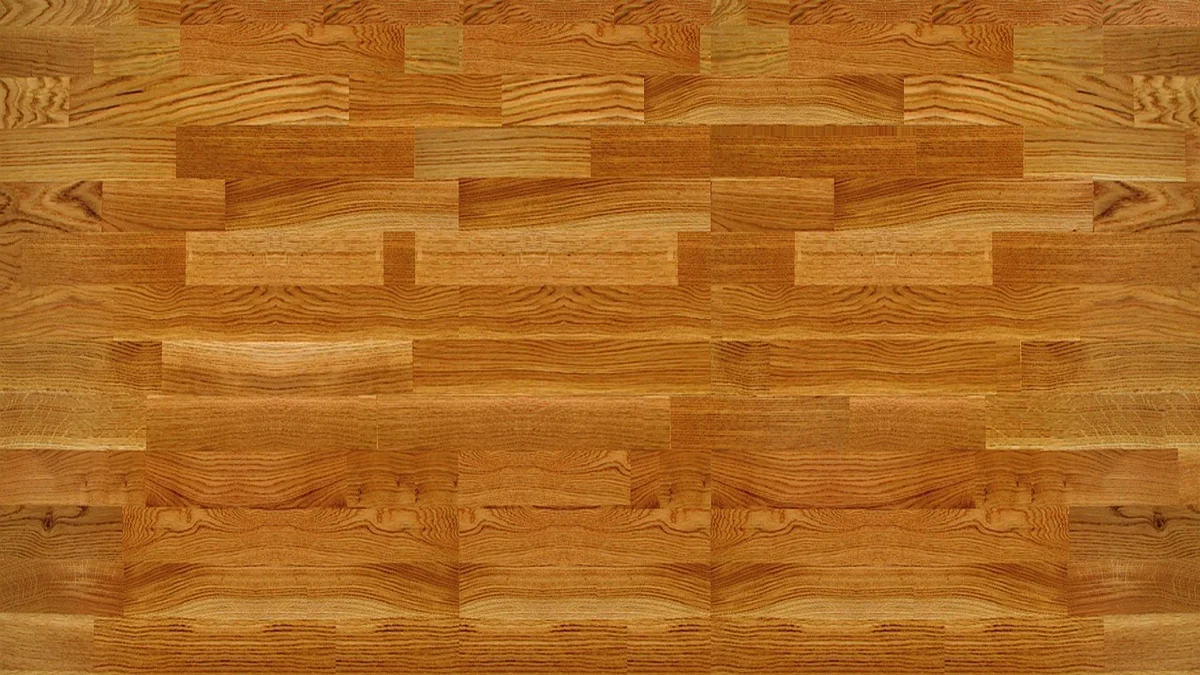
- Flooring: common in European parquet for its hardness and even color, though it needs a UV-stable finish and isn’t the first choice for rooms with heavy sun exposure or high humidity.
- Kitchen tools and cutting boards: closed grain resists staining and odor absorption better than open-pored woods, and it’s rated food-safe once finished with a food-grade oil.
- Tool handles and mallets: the density and shock resistance hold up to repeated impact.
- Musical instruments: piano actions and some guitar/drum components use beech for its stability and consistent stiffness.
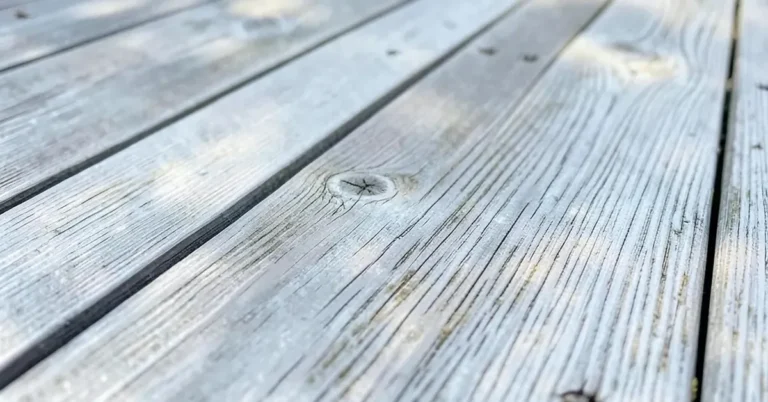
What beech is not a good fit for: anything outdoors or in ground contact. Its non-durable-to-perishable decay rating (see the table above) means untreated beech breaks down fast outside, unlike naturally rot-resistant species such as teak or white oak.
Caring for European Beech Furniture and Floors
Beech doesn’t need exotic care, just consistency:
- Wipe spills immediately — beech’s fine pores resist staining but a standing puddle will still leave a mark over time.
- Dust with a soft, dry cloth; avoid ammonia-based cleaners, which can dull an oil finish.
- Re-oil or re-wax furniture every 6–12 months depending on use — see our guide to choosing a wood polish for how to pick between oil, wax, and spray products.
- Keep beech pieces out of direct sun where possible — it darkens with UV exposure faster than many hardwoods, and uneven exposure creates visible color blotching.
- Control humidity swings in the room; beech’s high shrinkage rate (see the properties table above) means solid panels can develop visible gaps or cupping in a house that goes from dry winter heat to humid summers without any climate control.
Frequently Asked Questions
Is European Beech a Hardwood?
Yes. European beech is a true hardwood (angiosperm), with a Janka hardness of 1,450 lbf — harder than red oak (1,290 lbf) and noticeably harder than American beech’s roughly 1,300–1,350 lbf.
What Is the Difference Between European and American Beech?
European beech has shorter, broader leaves with smooth, non-serrated margins, while American beech has longer, pointed leaves with distinctly toothed edges. European beech also tests slightly harder on the Janka scale and is more often sold pre-steamed for furniture bending.
Is Beech Wood Good Quality for Furniture?
Yes, for indoor furniture. Beech is strong, fine-grained, and takes finish evenly, which is why it’s the backbone of European bentwood and mass-market furniture. It’s not durable outdoors or in high-moisture environments without added protection, so it’s a poor match for anything left outside.
Why Does Beech Wood Warp or Cup Over Time?
Beech has a high volumetric shrinkage rate (17.3%) and a roughly 2:1 tangential-to-radial shrinkage ratio, which means it moves more than stable woods like walnut as humidity changes. Wide, unfinished panels are the most likely to cup; finishing all faces evenly and controlling room humidity both reduce the risk.
What Are European Beech Trees Used For?
Beyond lumber for furniture, flooring, and tool handles, European beech trees provide beechnuts eaten by birds, squirrels, and other wildlife, and the trees themselves are widely planted in managed European forests for both timber and habitat value.
Conclusion
European beech earns its place in furniture shops for a specific reason: it’s harder than American beech, finishes evenly thanks to its fine closed grain, and bends under steam better than almost any other temperate hardwood. The tradeoff is a wood that moves more than average with humidity and won’t survive outdoors untreated. Used where it’s meant to be used — indoor furniture, flooring, tool handles, kitchenware — those tradeoffs rarely matter.
Sponsored / affiliate links. As an Amazon Associate I earn from qualifying purchases. I may earn additional commission from eligible campaigns.