Does MDF Have Formaldehyde: Uncovering the Truth
Have you ever wondered what’s really in the materials you use at home or in your workspace? If you’re considering MDF, or Medium Density Fiberboard, you might have stumbled upon some alarming information about formaldehyde.
The idea that something so common in furniture and construction could contain a potentially harmful chemical might make you pause. But before you decide to avoid MDF completely, it’s essential to understand the facts. What does formaldehyde in MDF mean for you and your family?
Is it as dangerous as it sounds, or is there more to the story? By the end of this article, you’ll have a clearer picture of how MDF and formaldehyde interact, and whether or not you need to be concerned. Let’s delve into the real impact on your everyday life and make informed choices for your health and safety.
Credit: www.ecohome.net
What Is MDF
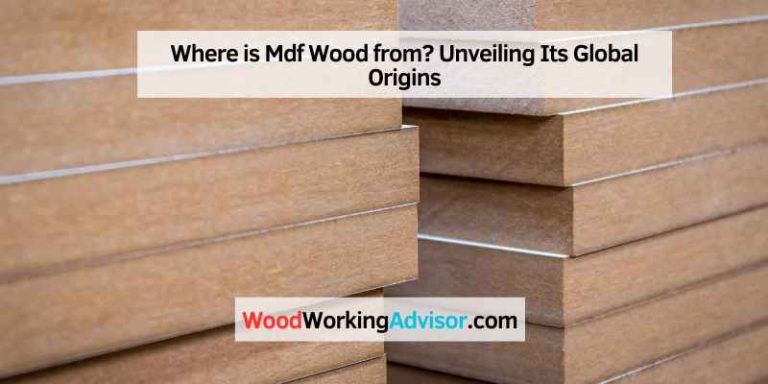
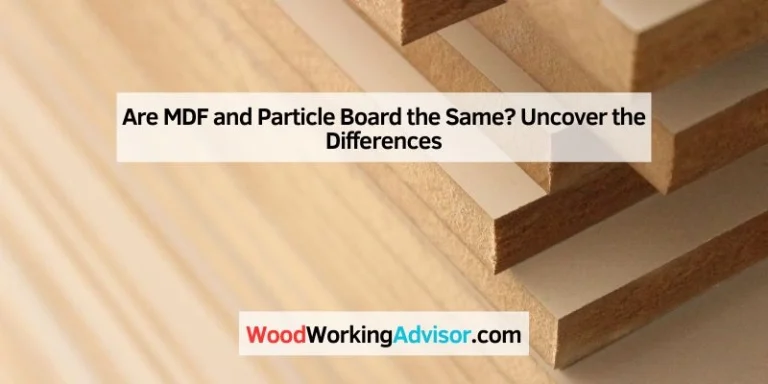
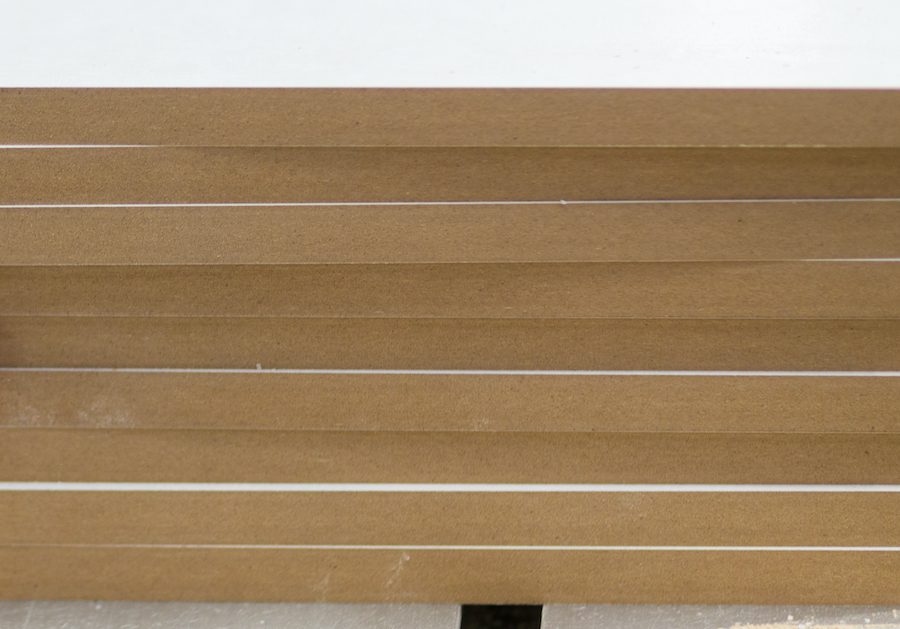
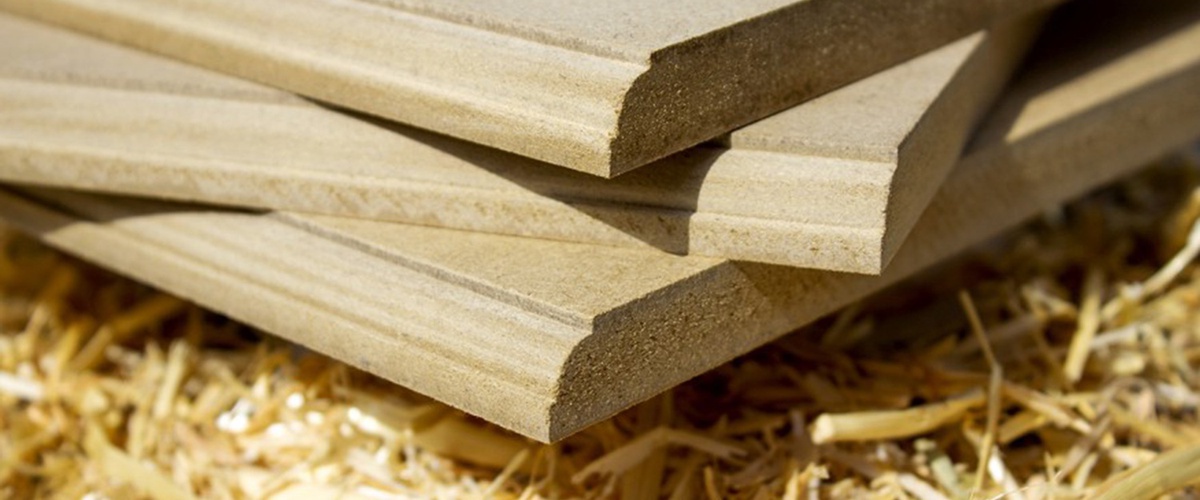
MDF means Medium Density Fiberboard. It is a type of wood product. People make it by breaking down wood into fibers. They then mix the fibers with wax and a resin binder. It is pressed into flat panels. MDF is smooth and strong. It is used for making furniture and cabinets. It is also used for building walls and doors. It is cheaper than solid wood. But it is not as strong as solid wood. MDF can be cut, drilled, and painted easily. It is good for indoor use. But it is not good for wet places.
Composition Of MDF
MDF stands for Medium Density Fiberboard. It is made from wood fibers. These fibers are glued together with resins. The main resin used is urea-formaldehyde. This helps in binding the fibers firmly. Due to this, MDF has formaldehyde.
Formaldehyde is a chemical. It’s used to make the board strong. It also helps in keeping the board smooth. But, too much of it can be harmful. Some people may get allergies. Breathing issues can occur if exposed for long. So, it’s essential to handle MDF carefully. Keeping rooms aired is helpful.
MDF is very popular. It’s used for making furniture. Also used in making cabinets. MDF is affordable. It can be painted easily. It’s versatile and easy to work with. But care is needed due to formaldehyde.
Role Of Formaldehyde
Formaldehyde is a chemical used in making MDF. This chemical helps glue the wood fibers together. MDF stands for Medium Density Fiberboard. It is strong and smooth because of formaldehyde. But it can be harmful to health. Breathing it can cause problems. Some people may get a headache or feel sick. Reducing exposure is important. Use MDF in well-ventilated areas. This helps keep the air fresh. Formaldehyde in MDF can also impact the environment. It may release gases over time. These gases can be bad for air quality.
Health Concerns
MDF, often used in furniture and building, contains formaldehyde, a chemical that can affect health. Formaldehyde can cause irritation to the eyes, nose, and throat. Choosing low-formaldehyde products can help minimize exposure and reduce potential health risks.
Short-term Exposure
Breathing formaldehyde can make eyes watery. Some people may feel a burning nose. Others might have a sore throat. It can also cause coughing. People might feel dizzy or have nausea. Skin can get red and itchy. These effects happen fast. Some people are more sensitive. They feel effects more quickly.
Long-term Exposure
Being around formaldehyde for a long time can cause serious problems. It might lead to asthma. Breathing problems can get worse. Some studies show it may cause cancer. People working with formaldehyde should be careful. Using masks and gloves is smart. Keeping rooms aired out helps. It’s important to stay safe.
Regulations And Standards
Many countries have strict rules about formaldehyde in MDF. These rules help keep people safe. The European Union has its own rules. They set limits on how much formaldehyde is okay. Japan also has guidelines for MDF use. They want to keep the air clean and safe. The United States follows EPA standards. These standards help control formaldehyde levels in products.
Each country can have its own local rules. In Canada, there are rules to protect indoor air quality. Australia also sets limits for formaldehyde emissions. This helps keep homes safe for families. Local rules can be stricter than international ones. They aim to protect health and the environment. Always check local guidelines before buying MDF. This ensures safety for everyone.
Credit: www.homedepot.com
Formaldehyde-free Alternatives
Many products today have lower formaldehyde emissions. These are safer for homes. Low-emission MDF is one choice. It uses less harmful glue. This makes the air cleaner. Many furniture makers now offer these products. They want safe homes for kids and adults. Check labels before buying. Look for low-emission tags. These products help reduce indoor pollution. They make breathing easier. Choose low-emission for a safer home.
Eco-friendly MDF uses natural materials. It is better for the planet. Many companies use sustainable wood. This helps save trees. Recycled wood is also used. It gives old wood new life. These options reduce waste. They help keep nature clean. Always look for eco-friendly labels. These products are better for the earth. They are also safer for people. A good choice for a healthy home.
Tips For Reducing Exposure
Fresh air is very important in homes with MDF. Open windows and doors to let air flow. Fans help move air too. Fresh air takes away harmful chemicals. It makes your home safer. Try to ventilate rooms often. This keeps the air clean and fresh. Air purifiers can also help. They remove bad stuff from the air.
Handle MDF with care. Wear gloves to protect your hands. Dust masks keep dust out of your lungs. Cut MDF in open spaces. This stops dust from filling the room. Clean up all dust right after cutting. Use a vacuum for small bits. Keep children away from the area. They should not breathe in dust.
Future Of MDF Production
MDF production is getting better with new technologies. Machines work faster and use less energy. This helps make MDF safer and stronger. Some factories now use robots. Robots help in cutting and shaping. This makes the process more efficient.
Many factories use sustainable methods now. They use less water and energy. Some even recycle old wood. This is good for the earth. New glue formulas have less formaldehyde. They are safer for us to use. These changes help in making eco-friendly MDF.

Credit: www.theguardian.com
Frequently Asked Questions
Is All MDF Made With Formaldehyde?
Not all MDF contains formaldehyde. Some manufacturers offer MDF made with alternative adhesives. These are formaldehyde-free, eco-friendly options. Always check product specifications to ensure low or no formaldehyde content. Choose certified formaldehyde-free MDF for safer indoor air quality.
How To Remove Formaldehyde From MDF?
Ventilate the area to reduce formaldehyde levels in MDF. Use air purifiers with activated carbon filters. Seal MDF surfaces with low-VOC sealants. Keep humidity low to minimize emissions. Consider using alternative materials like formaldehyde-free MDF.
Does Ikea MDF Have Formaldehyde?
Ikea MDF contains formaldehyde but meets safety standards. Low levels are used in production, ensuring consumer safety. Ikea prioritizes eco-friendly practices, adhering to stringent regulations. Their products comply with global health guidelines, minimizing formaldehyde emissions. Customers can enjoy Ikea furniture with confidence in its safety and environmental responsibility.
Should I Avoid MDF?
Avoid MDF if concerned about formaldehyde emissions, durability, or water exposure. It’s cost-effective but less durable than solid wood. Use MDF for interior projects like cabinetry where exposure to moisture is minimal. Ensure proper ventilation when cutting or sanding to reduce inhalation risks.
Make informed decisions based on project needs.
Conclusion
MDF does contain formaldehyde, a common concern for many. This chemical can release harmful fumes. Choosing low-formaldehyde or formaldehyde-free MDF reduces risks. Always ensure proper ventilation in your space. This helps limit exposure to harmful substances. Consider natural wood alternatives for safer options.
Awareness and informed choices lead to healthier living environments. Educating yourself on building materials is key. Keep safety a priority in your home projects. Your health and well-being matter most.