Early Termite Damage: Spotting the Signs Before It’s Too Late
Termites are small but destructive pests. They can cause significant damage quickly.
Early termite damage can be hard to detect. This makes it important to know the signs. Termites can silently invade your home, eating away at wood structures. If left unchecked, they can cause costly repairs. Knowing the early signs of termite damage can save you time and money.
You might see small holes in wood or notice hollow sounds when tapping on walls. Sometimes, you might even spot discarded wings. Recognizing these early signs can help you act fast. This blog will guide you through identifying early termite damage, helping you protect your home from these hidden invaders.
Credit: www.bugs.com
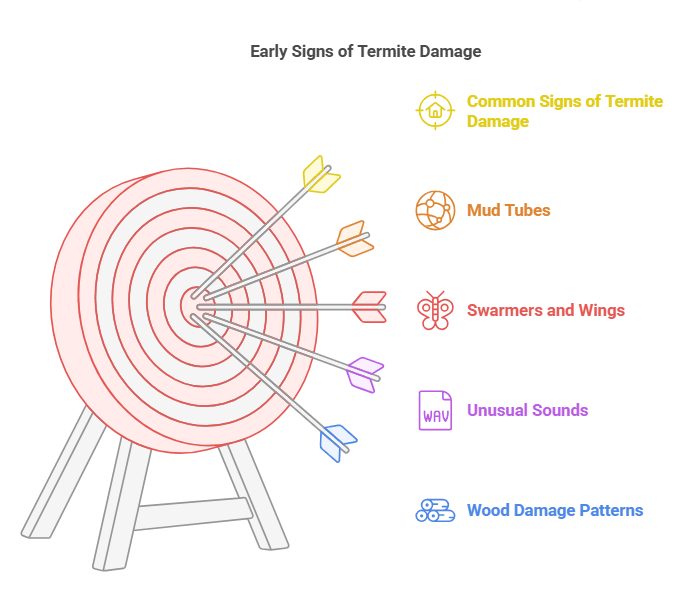
Common Signs Of Termite Damage
Early termite damage can be hard to spot. Knowing the common signs of termite damage can save your home from costly repairs. Early detection is crucial.
Hollow Wood
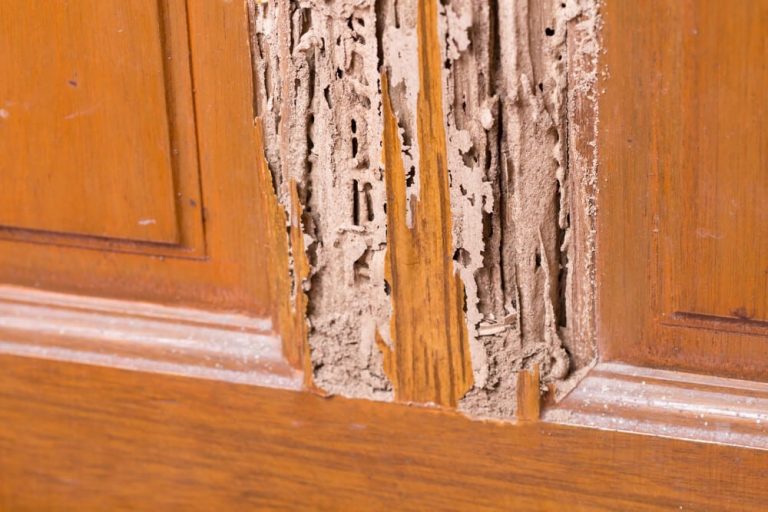
Termites eat wood from the inside out. Tap on wooden surfaces. If they sound hollow, you might have termites. Hollow wood is a major red flag. It indicates that termites have been at work for a while.
Check wooden beams, floors, and furniture. Use a screwdriver to probe suspect areas. If the wood crumbles easily, it’s another sign of termite damage. Be thorough. Termites can hide in tiny spaces.
Blistered Floors
Blistered floors are another common sign. Termites can cause moisture to build up under floors. This moisture causes blisters or bubbles on the surface. Blistered floors often look like water damage.
Inspect your floors carefully. Pay attention to any unusual blisters or soft spots. If you notice these signs, it’s time to call a professional. Early intervention can prevent further damage.
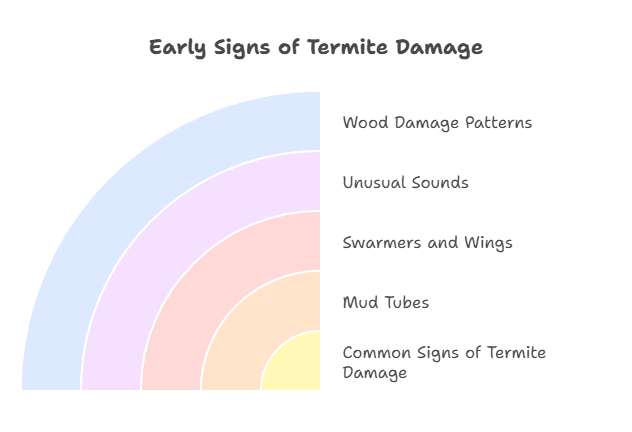
How To Identify Mud Tubes
Early termite damage can be tricky to spot. Identifying mud tubes is a crucial step. Termites build these tubes for protection and moisture. Knowing what they look like and where to find them helps in early detection.
Appearance
Mud tubes are thin, earthy, and brown. They resemble small tunnels made of dirt. Typically, they are pencil-width. Their texture is rough and gritty. You might see them with tiny particles of soil and wood.
Locations
Check around the foundation of your home. Inspect crawl spaces and basements. Look at walls, wooden beams, and near water sources. Mud tubes are often found in dark, hidden areas. They can also appear on exterior walls and concrete structures.
Swarmers And Discarded Wings
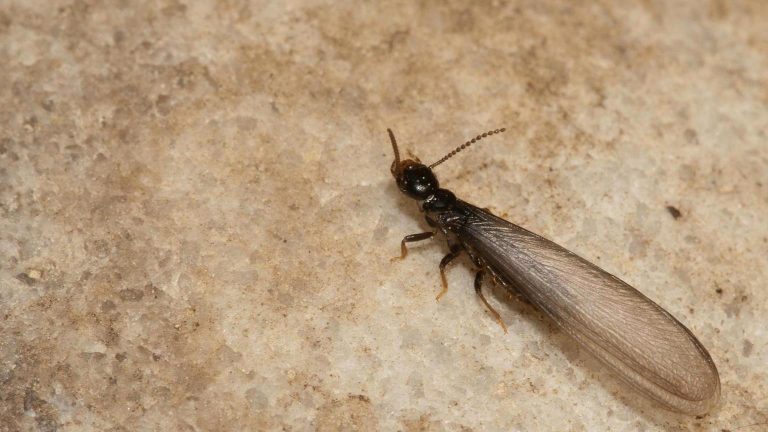
Early signs of termite damage include the presence of swarmers and discarded wings. Swarmers are winged termites that leave their colonies to mate and start new ones. Discarded wings are left behind after swarmers shed them during this process. Recognizing these signs is crucial in preventing extensive damage to your home.
What They Look Like
Swarmers resemble flying ants but have straight antennae and equal-sized wings. Their bodies are usually dark brown or black. The discarded wings are translucent and about a quarter of an inch long. You can find them near windowsills, doors, and light sources.
When To Expect Them
Swarmers are most active during spring and early summer. They often emerge after rain showers. This period is their prime mating season. Discarded wings might appear during the same time frame. Keep an eye out for these signs to detect termite activity early.
Unusual Sounds In Walls
Early termite damage can be hard to spot. One of the signs is unusual sounds in your walls. These sounds come from termites as they move and eat. Paying attention to these noises can help detect termite problems early.
Head Banging
Termites are tiny but noisy. You might hear faint head banging sounds. Soldier termites make these noises. They tap their heads against the wood. This action warns the colony of danger. If you hear tapping, it could mean termites are nearby.
Rustling Noises
Another sound to listen for is rustling. Termites chew through wood and make soft rustling noises. These sounds are often heard at night. When the house is quiet, rustling noises become more noticeable. If you hear rustling, check for other signs of termites.
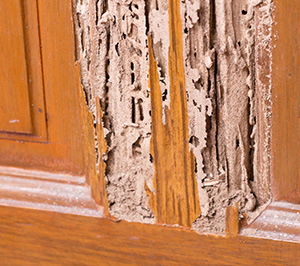
Wood Damage Patterns
Wood damage patterns by termites can be alarming. These pests can ruin wood structures from the inside out. Recognizing the signs early can save your home. Let’s explore the types of wood affected and the differences between surface and internal damage.
Types Of Wood Affected
Termites target various wood types. Softwoods like pine are easy prey. Termites also damage hardwoods such as oak. Even treated wood is not completely safe. Moist or decaying wood attracts termites more. Understanding which wood types are vulnerable helps in early detection.
Surface Damage Vs. Internal Damage
Surface damage is visible to the naked eye. You might notice grooves or tunnels on the wood surface. This type of damage is easier to spot and address.
Internal damage, however, is more insidious. Termites often eat wood from the inside out. This makes detection harder. You may not see signs until the wood is hollow. Regular inspections can help catch internal damage early. Listen for hollow sounds when tapping wood.
Knowing these patterns can help protect your home. Regular checks and professional inspections are key. Early detection can save you from costly repairs.
Credit: florida.bugoutservice.com
Detecting Frass And Termite Droppings
Early termite damage often goes unnoticed until significant harm has occurred. One of the first signs is the presence of frass and termite droppings. These small, tell-tale signs can help you detect an infestation before it gets out of hand. Knowing what frass looks like and where to find droppings can save your property.
Appearance Of Frass
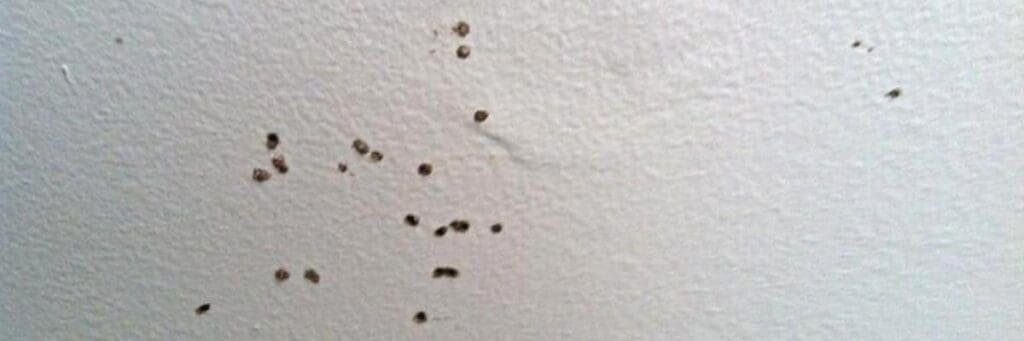
Frass, also known as termite droppings, resembles sawdust or coffee grounds. It is usually light brown but can vary in color. The texture is gritty, and it often accumulates in small piles. These droppings are a byproduct of the termites’ digestion process.
Termites create tunnels in wood, and as they do, they push frass out of the holes. This results in small mounds or lines of frass outside their nests. Finding frass is a strong indicator of an active termite infestation.
Where To Find Droppings
Termite droppings can be found in various places around your home. Look for frass in areas where wood meets the ground, such as:
- Basements
- Crawl spaces
- Wooden porches
Another common area is around wooden structures like furniture or window sills. Termites often push frass out of cracks and crevices, so check these places thoroughly.
Keep an eye on areas where wood is exposed or damaged. Termites prefer dark, damp places, so pay special attention to areas with moisture. Checking these spots regularly can help you catch an infestation early.
Signs In Outdoor Structures
Early termite damage can be subtle but devastating. Recognizing the signs in outdoor structures is crucial to preventing extensive and costly repairs. Termites can infiltrate and damage a variety of structures in your yard. Let’s explore the signs of termite damage in decks, patios, fences, and sheds.
Decks And Patios
Termites love wood, so decks and patios are prime targets. Look for these signs:
- Hollow-sounding wood: Tap on the wood. If it sounds hollow, termites might be inside.
- Cracks: Termite-infested wood may have tiny cracks.
- Frass: Termite droppings look like sawdust. Check for small piles.
- Swollen floors: Termite damage can cause wood to swell and buckle.
Fences And Sheds
Fences and sheds often suffer from termite attacks. Watch for these indicators:
- Mud tubes: Termites build small mud tubes to travel. Look at the base of fences and sheds.
- Soft wood: Press the wood with a screwdriver. If it feels soft, termites may be present.
- Wings: Termite wings near your shed or fence are a clear sign of an infestation.
- Peeling paint: Termite-damaged wood can cause paint to bubble or peel.
Being vigilant about these signs can save your outdoor structures from severe damage. Regular inspections and maintenance are key to early detection and prevention of termite infestations.
Professional Inspection Benefits
Early termite damage can be a serious problem for homeowners. One of the best ways to protect your home is through a professional inspection. Here, we will discuss the benefits of hiring professionals for termite inspections.
Advanced Detection Tools
Professional inspectors use advanced detection tools to find termites. These tools include moisture meters, thermal imaging cameras, and acoustic sensors. Moisture meters detect high moisture levels, which often indicate termite activity.
Thermal imaging cameras help in identifying heat patterns and potential termite nests. Acoustic sensors can pick up the sounds termites make as they move and eat through wood. These tools are more accurate than a visual inspection alone.
Expertise And Experience
Professional inspectors have the expertise and experience needed to spot early signs of termite damage. They know where termites are likely to hide and what signs to look for. This includes small holes in wood, mud tubes, and discarded wings.
Experienced inspectors can identify the type of termite causing the damage. This helps in choosing the right treatment method. Their knowledge saves you time and money in the long run.
| Detection Tool | Function |
|---|---|
| Moisture Meter | Detects high moisture levels |
| Thermal Imaging Camera | Identifies heat patterns and nests |
| Acoustic Sensor | Listens for termite movements |
In summary, professional termite inspections offer significant benefits. They use advanced tools and experienced personnel to detect early damage. This proactive approach helps in maintaining the integrity of your home.

Credit: www.unbugmepestcontrol.com
Frequently Asked Questions
What Does The Start Of Termite Damage Look Like?
The start of termite damage looks like small pinholes, hollow-sounding wood, or bubbling paint. You may also see discarded wings.
Can A House Be Saved From Termite Damage?
Yes, a house can be saved from termite damage with timely treatment and repairs. Early detection is crucial.
Is A Little Termite Damage Bad?
Yes, even a little termite damage is bad. Termites can cause structural issues and need immediate attention. Early detection is crucial.
How Long Does It Take For Termite Damage To Show?
Termite damage can show within a few months to several years. The extent depends on the termite species and infestation severity. Regular inspections help detect issues early.
Conclusion
Early termite damage can be costly. Regular inspections help catch problems early. This prevents serious issues and saves money. Act quickly if you see signs of termites. Seek professional help for effective treatment. Protect your home with preventive measures. Keep wood away from the ground.
Maintain a dry environment. Simple steps can safeguard your property. Stay vigilant and proactive. Your home’s safety depends on it.