Elm vs Oak Tree Key Differences Explained
Picking between an elm and an oak tree can seem tricky if you’re new to trees. Many people wonder about their looks and how they grow. This guide will make the Elm vs Oak Tree: Key Differences Explained simple.
We will break it down step-by-step. Get ready to learn how to tell them apart easily. Let’s start by looking at their leaves.
Elm Tree Characteristics
Elm trees are known for their graceful, vase-like shape and their distinctively serrated leaves. They were once very common in many landscapes but faced significant decline due to Dutch elm disease. Learning about their features helps in identifying them and appreciating their historical presence.
This section covers the key traits that define elm trees, making them stand out.
Leaf Shape and Arrangement
Elm leaves are typically oval or egg-shaped with a pointed tip. A defining characteristic is their asymmetrical base, meaning one side of the leaf is slightly longer than the other where it attaches to the stem. The edges of the leaves are doubly serrated, meaning they have small teeth along larger teeth.
This gives them a slightly rough texture.
These leaves are arranged alternately along the branches. This means that leaves sprout from the stem at different points, rather than directly opposite each other. This alternate arrangement contributes to how the branches fill out and how sunlight reaches the inner parts of the tree.
When you look at an elm leaf, pay attention to the venation. The veins usually run parallel to each other and extend from the central midrib to the leaf’s edge. This pattern is quite distinct and can be a good clue for identification.
Bark and Twigs
The bark of mature elm trees is often deeply furrowed, giving it a rough, rugged appearance. The color can range from gray to brown, depending on the species and age of the tree. This texture provides a habitat for various insects and mosses, adding to the tree’s ecological role.
Elm twigs are usually slender and flexible. They often have a zigzag pattern due to the alternate leaf arrangement. Buds are small and often protected by overlapping scales.
Some elm species have corky ridges on their twigs, which can be another identifying feature.
The growth habit of elms is also notable. Many species develop a distinctive vase shape, with branches arching outward and then upward, creating an elegant silhouette. This shape made them popular for planting along streets and in parks before disease became a widespread issue.
Fruit and Seeds
Elm trees produce a small, papery fruit called a samara. This samara is typically round or oval with a single seed in the center. The fruit ripens in the spring and is dispersed by the wind.
The samaras often hang in clusters from the branches, appearing before the leaves fully mature.
The samara’s wing helps the wind carry it some distance from the parent tree, aiding in seed dispersal. This method is efficient for elm trees to reproduce and spread. The presence of these distinctive fruits is a strong indicator of an elm.
The rapid spring ripening and dispersal of samaras mean that elm seeds are available for a short period. This timing is synchronized with favorable conditions for germination. The winged samaras are light and can travel significant distances, contributing to the species’ range.
Oak Tree Characteristics
Oak trees are iconic for their strength, longevity, and distinctive lobed leaves. They belong to the genus Quercus and are found in diverse climates worldwide. Oaks are known for their hard wood, acorns, and substantial stature.
This section details the typical features that help identify oak trees and understand their place in nature.
Leaf Shape and Arrangement
Oak leaves are highly variable among different species but are generally known for their lobed structure. These lobes can be rounded or pointed, depending on the type of oak. Some oaks, like the willow oak, have long, narrow, unlobed leaves that resemble willow leaves, which can be confusing.
The arrangement of oak leaves is alternate, similar to elms. However, the lobed pattern and the texture are usually quite different. The leaves can be leathery and thick, providing resilience against drying out.
The specific shape of the lobes is a key identifier for different oak species. For example, white oaks tend to have rounded lobes, while red oaks often have pointed lobes with bristly tips. This diversity in leaf form is a major reason for the richness of the oak genus.
Bark and Twigs
Oak bark is typically rough and deeply furrowed, especially on older trees. The color can vary from dark gray to brown. In some species, like the white oak, the bark may appear lighter and more scaly, sometimes peeling in strips.
The texture often provides a rough surface for mosses and lichens to grow.
Oak twigs are generally stout and strong. They often have distinctive terminal buds clustered at the tip of the twig, a feature common in many oak species. These buds can be pointed or rounded and are usually covered in scales.
The twigs of oaks can sometimes have corky wings, especially in younger branches or certain species. The overall sturdiness of the twigs reflects the tree’s general robustness and ability to withstand strong winds.
Fruit and Seeds
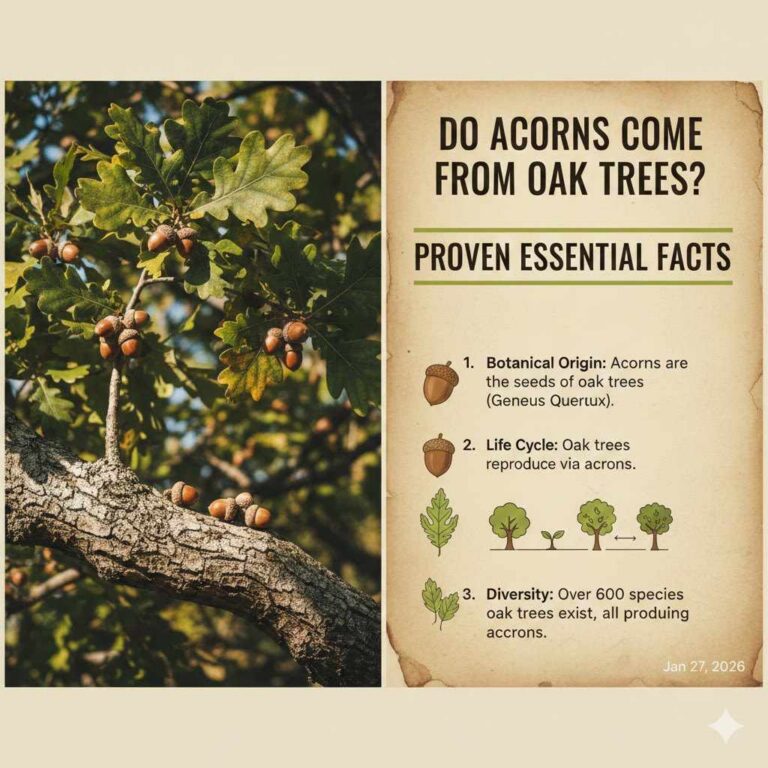
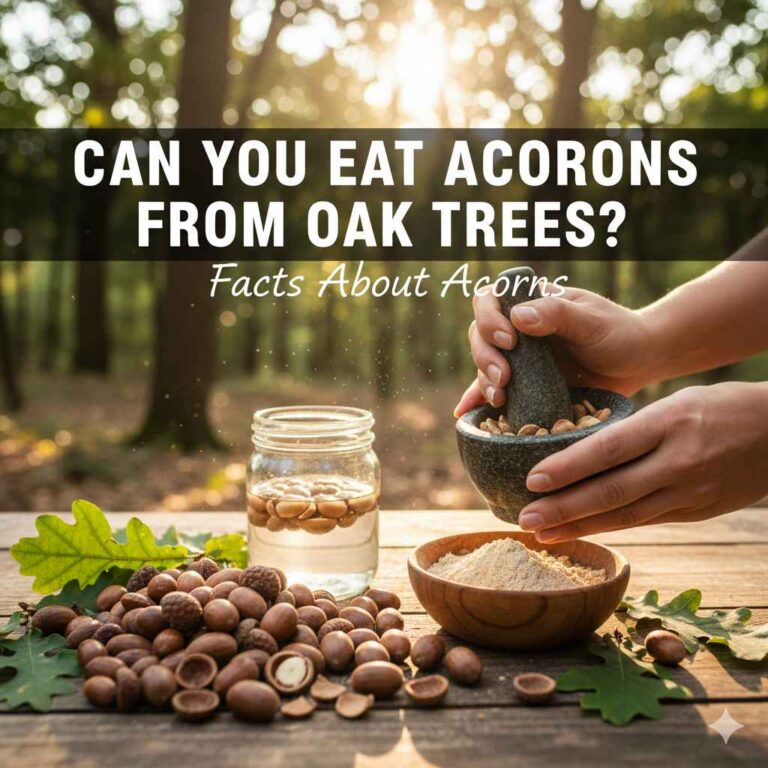
The most recognizable feature of an oak tree is its fruit, the acorn. An acorn is a nut that is partially enclosed by a cup-like structure called a cupule. Acorns vary in size and shape depending on the oak species.
They are a vital food source for wildlife, including squirrels, birds, and deer.
The presence of acorns is a definitive sign of an oak tree. The shape of the acorn and the texture of its cupule can help distinguish between different oak species. For instance, white oak acorns are typically sweeter and mature in one season, while red oak acorns take two years to mature and are often bitter due to higher tannin content.
The dispersal of acorns is primarily done by animals that collect and bury them for later consumption. Many of these buried acorns are forgotten and can then germinate, contributing to the reproduction of oak populations. This animal-assisted dispersal is crucial for oak regeneration.
Key Differences Between Elm and Oak Trees
Distinguishing between elm and oak trees is important for gardeners, naturalists, and anyone interested in local flora. While both are deciduous trees, their leaves, fruits, bark, and overall growth habits present clear differences. Understanding these distinctions allows for accurate identification and appreciation of each tree’s unique qualities and ecological roles.
Leaf Comparison
The most apparent difference lies in the leaves. Elm leaves are typically oval with a pointed tip and an asymmetrical base. Their edges are doubly serrated.
In contrast, oak leaves are usually lobed, with the lobes being either rounded or pointed. While some oaks have unlobed leaves, the characteristic feature is often the lobed shape and a generally thicker, sometimes leathery texture compared to elm leaves.
An elm’s leaf venation usually shows parallel veins extending from the midrib. Oak leaf veins tend to branch out more, especially from the midrib to the tips of the lobes. The arrangement is alternate for both, but the leaf outline and texture are key differentiators.
For example, if you find a leaf with a clear asymmetry at the base and fine, double-toothed edges, it strongly suggests an elm. If the leaf is clearly lobed, like a hand shape or deeply indented, and feels thicker, it’s very likely an oak.
Fruit (Seed) Comparison
The fruits are perhaps the most definitive identifiers. Elms produce samaras, which are small, papery, winged seeds. These are typically flat and dispersed by wind.
They appear in spring.
Oaks produce acorns, which are nuts partially enclosed by a cupule. Acorns are much larger and denser than samaras and are a significant food source for wildlife. They are typically found in the fall.
Imagine finding a small, flat disc with a paper-thin wing fluttering down from a tree; that’s an elm samara. Now picture a small nut sitting in a little cap; that’s an oak acorn. The difference is dramatic and unmistakable.
Bark and Twig Structures
Mature elm bark is usually deeply furrowed and rough, with vertical ridges. Elm twigs are generally slender and may have a zigzag appearance.
Oak bark is also rough and furrowed, but the patterns can vary greatly by species, sometimes appearing blocky, scaly, or deeply ridged. Oak twigs are often stouter, and a key feature for many oaks is the cluster of terminal buds at the twig’s tip.
The bark of a European Elm (Ulmus procera) might show distinct, interlacing ridges. In contrast, the bark of a Red Oak (Quercus rubra) often displays flatter, broader ridges. This textural and patterned difference is a valuable clue for identification.
Growth Habit and Form
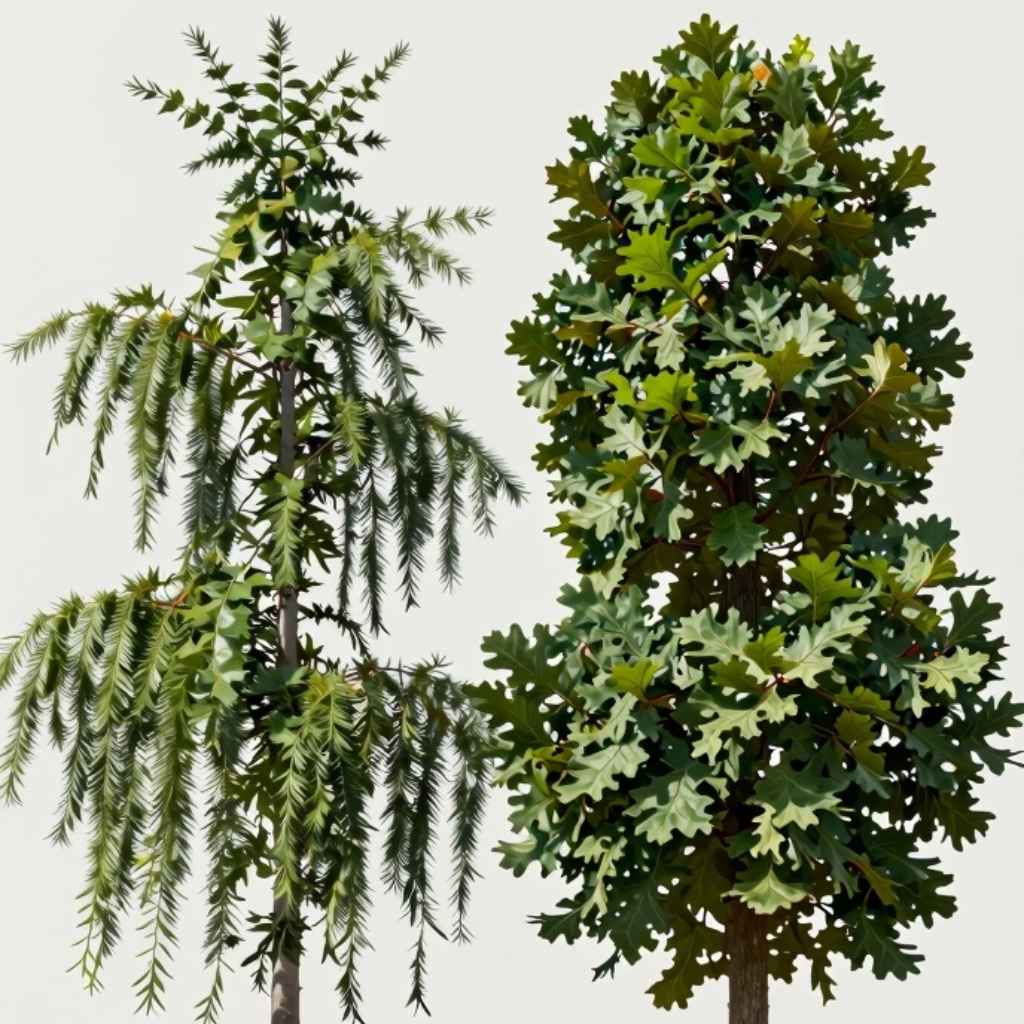
Elm trees are often recognized for their graceful vase shape, with arching branches. This upright, spreading form made them popular ornamental trees. However, this shape can be less pronounced in some species or when affected by disease.
Oak trees tend to have a more massive and spreading form. They are often very wide-spreading with a stout trunk and thick, heavy branches. Their shape can be rounded, spreading, or irregular, depending on the species and environmental conditions.
Consider a street lined with trees. If they have an upright, slightly weeping elegance, they might be elms. If the trees are broader, more robust, and seem to fill space with their bulk, they are more likely oaks.
This overall silhouette provides a strong initial clue.
Ecological Significance and Wood Use
Elm wood is moderately hard and was historically used for furniture, flooring, and boat building due to its resistance to splitting. However, the decline of elm populations due to Dutch elm disease has significantly reduced its availability and use. Elms are also important for providing shade and habitat.
Oak wood is renowned for its hardness, strength, and durability. It is widely used in furniture making, flooring, cabinetry, and construction. Oak trees also play a vital ecological role, providing acorns as food for wildlife and supporting a wide array of insects and birds.
The wood from an oak tree is known for its strength and is often used in heavy-duty construction or fine furniture. Elm wood, while also useful, might be found in older pieces or specialized applications, its widespread use hampered by disease. This difference in wood properties reflects the inherent structure of the trees.
Comparing Elm and Oak Trees Side-by-Side
To further clarify the differences, a direct comparison table highlights the most significant distinguishing features. This visual aid helps quickly identify key characteristics that set elm and oak trees apart. It serves as a handy reference for quick identification in the field or when studying tree species.
Identification Table
This table provides a quick overview of the main differences. It is useful for identifying trees when you can observe their leaves, fruits, and bark. Remember that variations exist within species, but these are general characteristics.
| Feature | Elm Tree | Oak Tree |
|---|---|---|
| Leaf Shape | Oval, pointed tip, asymmetrical base, doubly serrated edges | Lobed (rounded or pointed), sometimes unlobed but often thicker |
| Leaf Arrangement | Alternate | Alternate |
| Fruit | Samara (small, papery, winged seed) | Acorn (nut partially enclosed by a cupule) |
| Bark | Deeply furrowed, rough, vertical ridges | Rough, furrowed (variable patterns, blocky, scaly, ridged) |
| Twig | Slender, sometimes zigzag | Stouter, often with clustered terminal buds |
| Overall Form | Often vase-shaped, upright and spreading | Massive, broad, spreading, stout trunk |
The presence of acorns is a very strong indicator of an oak. Similarly, the distinctively asymmetrical leaf base and double serration point towards an elm. These features are usually the easiest to spot and confirm.
Real-Life Examples and Scenarios
Imagine you are walking in a park. You see a tree with leaves that feel a bit rough and have a clear unevenness at the bottom where they attach to the stem. The edges are toothed like a saw.
In the fall, you find small, flat, winged seeds scattered beneath it. This is almost certainly an elm tree.
Now, picture another tree in the same park. Its leaves are broad and deeply lobed, shaped somewhat like a hand. When you look up, you see sturdy branches and a thick trunk.
In autumn, you find hard nuts with little caps lying around. This tree is a classic oak.
Another scenario: You are helping a friend identify a tree in their yard. They show you a branch with leaves that are clearly lobed and feel somewhat leathery. They mention that the tree produces a lot of acorns every year, which their dog loves to play with.
This confirms it is an oak tree.
Statistics on Tree Distribution and Decline
Before the widespread impact of Dutch elm disease, American elms were among the most commonly planted trees in urban and suburban landscapes across North America. It’s estimated that millions of elm trees have been lost to the disease since its introduction in the 1930s. For instance, in the 1950s, over 50% of street trees in many American cities were American elms.
Oak species, on the other hand, are incredibly diverse and widespread, making up a significant portion of forests in North America, Europe, and Asia. There are hundreds of Quercus species globally, with an estimated 500 million acres of forest land dominated by oaks in North America alone. Their resilience and adaptability have allowed them to thrive in various environments.
The population of oaks is generally stable or increasing in many areas due to their ecological importance and ability to regenerate. This contrasts sharply with the dramatic decline of certain elm species, highlighting the different challenges and successes of these tree types.
Frequently Asked Questions
Question: What is the main difference between elm and oak leaves?
Answer: Elm leaves are typically oval with an asymmetrical base and doubly serrated edges, while oak leaves are usually lobed, either with rounded or pointed lobes.
Question: Do both elm and oak trees have the same type of fruit?
Answer: No, elm trees produce samaras, which are small, papery, winged seeds, whereas oak trees produce acorns, which are nuts enclosed in a cup-like structure.
Question: Which tree is generally considered stronger or more durable for wood use?
Answer: Oak wood is renowned for its strength, hardness, and durability, making it a preferred choice for construction and fine furniture. Elm wood is also useful but less common due to historical disease impacts.
Question: Are elm trees becoming rare because of a disease?
Answer: Yes, many elm species, particularly the American elm, have suffered significant population declines due to Dutch elm disease, a fungal infection spread by bark beetles.
Question: Can I tell an elm from an oak just by looking at the bark?
Answer: Bark can be a clue, but it’s not always definitive. Elm bark is typically deeply furrowed with vertical ridges. Oak bark varies by species but is generally rough and can be blocky, scaly, or ridged.
Observing leaves and fruit is usually more reliable.
Conclusion
Elm and oak trees are distinct species with unique features. Their leaves offer clear differences in shape and edge serration. The fruits, samaras for elms and acorns for oaks, are easily distinguishable.
Bark and twig structures also provide identification clues. Understanding these key distinctions helps in appreciating the diversity of trees around us.