End Grain Hardwood Floors: Elevate Your Home’s Style
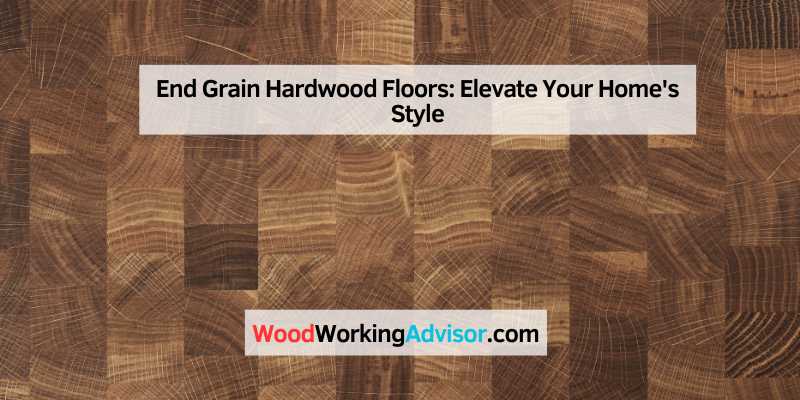
End Grain Hardwood Floors are made by cutting logs into blocks, with the annual growth rings exposed on every piece. This unique flooring style provides exceptional durability and a distinctive look, making it a popular choice for both residential and commercial spaces.
The end grain wood tiles are arranged to showcase the natural patterns and colors of the wood, creating a visually stunning and long-lasting floor. Additionally, the installation process involves precise cutting, fitting, and sealing to ensure a high-quality end result.
Whether used for traditional or contemporary designs, end grain hardwood floors add a touch of elegance and character to any interior. Their exceptional strength and timeless appeal make them an excellent investment for any property.
Introduction To End Grain Hardwood Floors
End grain hardwood floors are a unique and durable flooring option that showcases the natural beauty of wood. The flooring is made by cutting wood perpendicular to the grain, resulting in a distinctive and visually striking appearance. End grain hardwood floors are known for their exceptional durability and resistance to wear and tear, making them a popular choice for both residential and commercial spaces.
The Charm And Elegance
End grain hardwood floors are known for their exceptional charm and timeless elegance. Unlike traditional hardwood flooring, which is laid with the long grain facing up, end grain flooring is made by cutting the wood perpendicular to the grain. This unique cutting technique creates a stunning visual effect, showcasing the natural beauty of the wood’s growth rings and creating a highly durable and resilient floor surface.
The end grain pattern of these floors adds a touch of sophistication to any space. The intricate mosaic-like design creates a captivating visual appeal, making it a popular choice for high-end residential and commercial properties. Whether you are looking to enhance the aesthetics of your home or make a statement in a commercial space, end grain hardwood floors are sure to impress.
Historical Significance
End grain hardwood floors have a rich historical significance that adds to their allure. The technique of creating end grain flooring dates back centuries, with examples of this type of flooring found in ancient Egyptian and Roman architecture. In fact, end grain floors were commonly used in medieval castles and palaces due to their durability and ability to withstand heavy foot traffic.
Today, end grain hardwood floors continue to be celebrated for their historical charm. Many homeowners and designers choose this type of flooring to add a touch of old-world elegance to modern spaces. Whether you are renovating a historical building or simply appreciate the timeless beauty of end grain flooring, it is a choice that connects the past with the present.
Overall, end grain hardwood floors offer a unique combination of charm, elegance, and historical significance. Their visually stunning patterns and exceptional durability make them a top choice for those seeking a distinctive and long-lasting flooring option. Whether you want to create a classic look or add a touch of luxury to your space, end grain hardwood floors are sure to make a lasting impression.
What Makes End Grain Floors Unique
End grain hardwood floors are a unique and durable flooring option that offers a distinctive and visually striking appearance. What sets end grain floors apart from other hardwood flooring options is their exceptional durability, sustainability, and ability to withstand heavy foot traffic. In this section, we’ll explore the anatomy of end grain floors and delve into their comparative durability.
Anatomy Of End Grain
End grain wood flooring is constructed from small rectangular wood pieces that are arranged with the grain of the wood oriented vertically. This arrangement exposes the growth rings of the wood, creating a visually captivating pattern that showcases the natural beauty of the wood. Due to this unique orientation, end grain floors are exceptionally resilient and have the ability to withstand heavy impact and wear over time.
Comparative Durability
Compared to traditional plank flooring, end grain floors offer superior durability and resistance to wear and tear. The vertical orientation of the wood fibers in end grain flooring provides exceptional strength, making it an ideal choice for high-traffic areas. This unique construction also enhances the floor’s ability to resist scratches, dents, and other types of damage, ensuring that it maintains its stunning appearance for years to come.
Choosing The Right Wood
When it comes to end grain hardwood floors, choosing the right wood is crucial. The type of wood you select will not only determine the durability and longevity of your flooring but also greatly impact the overall aesthetics of your space. In this section, we will explore the best woods for end grain flooring, with a focus on maple as a popular choice.
Best Woods For End Grain Flooring
When it comes to selecting the best wood for your end grain flooring, there are several options to consider. Each wood type has its own unique characteristics, including color, grain pattern, hardness, and resistance to wear. Here are some of the top choices:
| Wood Type | Characteristics |
|---|---|
| Maple | Maple is a popular choice for end grain flooring due to its durability and light, creamy color. It has a tight grain pattern, which gives it a smooth and uniform appearance. Maple is also resistant to scratches and wear, making it ideal for high-traffic areas. |
| Walnut | Walnut is known for its rich, dark brown color and beautiful grain patterns. It has a medium hardness and is less resistant to scratches compared to maple. However, walnut flooring adds a touch of elegance and warmth to any space. |
| Cherry | Cherry wood offers a reddish-brown color that deepens over time. It has a distinctive grain pattern with occasional knots and mineral streaks, adding character to the flooring. Cherry is moderately hard and requires proper maintenance to preserve its beauty. |
These are just a few examples of the best woods for end grain flooring. Other options such as oak, hickory, and bamboo are also worth considering, depending on your personal preferences and the style of your space.
Maple: A Popular Choice
Among the various wood options available for end grain flooring, maple stands out as a popular choice for many reasons. Its light color and smooth texture make it a versatile option that complements a wide range of interior styles.
Maple is highly regarded for its exceptional durability, making it a suitable choice for both residential and commercial spaces. Its tight grain pattern gives it a clean and uniform appearance, adding a touch of sophistication to any room.
In addition to its aesthetic appeal, maple is known for its resistance to scratches and wear, making it an excellent choice for areas with high foot traffic. It is also relatively easy to maintain, requiring regular cleaning and occasional refinishing to keep it looking its best.
Whether you prefer a modern, minimalist look or a classic, timeless design, maple end grain flooring is a reliable option that offers both beauty and functionality.
In conclusion, choosing the right wood for your end grain flooring is essential to achieve the desired look and ensure long-lasting durability. Consider factors such as color, grain pattern, hardness, and resistance to wear when making your decision. Maple, with its durability and versatile aesthetics, is a popular choice worth considering.
Design Possibilities With End Grain
End grain hardwood floors offer a wide range of design possibilities, allowing for unique and visually striking patterns, layouts, color options, and finishes. The distinct characteristics of end grain flooring open up a world of creativity for interior design and flooring projects.
Patterns And Layouts
End grain hardwood floors provide an opportunity to create intricate and captivating patterns. From classic herringbone and chevron designs to custom geometric shapes and artistic mosaics, the layout options are endless. The natural grain patterns of different wood species can be showcased in diverse configurations, adding depth and visual interest to any space.
Color And Finish Options
When it comes to color and finish options, end grain flooring allows for versatile customization. The natural hues of various wood species can be highlighted through clear finishes, enhancing the organic beauty of the grain. Additionally, staining and coloring techniques can be used to achieve specific color palettes, from rich, dark tones to light, airy shades, offering flexibility in design and aesthetic expression.
Installation Basics
End Grain Hardwood Floors are a unique and durable flooring option that adds a touch of elegance to any space. With proper installation, these floors can withstand heavy foot traffic and provide a stunning visual appeal. Experience the beauty and craftsmanship of end grain hardwood floors in Austin, Texas.
Preparation Steps
Before installing end grain hardwood floors, it is important to make sure the subfloor is clean, dry, and level. Any unevenness in the subfloor can cause problems during installation and lead to an unstable final product. It is recommended to use a self-leveling compound to fix any minor imperfections in the subfloor.
Laying Down The Tiles
Once the subfloor is prepared, it’s time to start laying down the end grain hardwood tiles. It is important to carefully plan the layout of the tiles to ensure a uniform and aesthetically pleasing final product. Start by applying a layer of adhesive to the subfloor, then carefully place each tile onto the adhesive, making sure to align the grains of each tile.
Finishing Touches
After all the tiles have been installed, it is important to let the adhesive dry completely before applying any finishing touches. Sand the surface of the tiles to create a smooth and even finish, then apply a sealant to protect the surface from moisture and wear.
End grain hardwood floors are a unique and durable flooring option that can add a touch of rustic charm to any space. By following these basic installation steps, you can create a beautiful and long-lasting end grain hardwood floor in your home or business.
Maintenance And Care
Proper maintenance and care are essential for the longevity of end grain hardwood floors. Regular sweeping and mopping with a mild cleaner can help prevent scratches and water damage. It’s also important to avoid wearing high heels or heavy shoes on the floors and to place protective pads under furniture legs to prevent dents.
Routine Cleaning Tips
Cleaning end grain hardwood floors regularly is vital to maintain their beauty and longevity. Here are some routine cleaning tips to help you keep your floors looking their best:
- Sweep or vacuum your floors daily to remove dirt and debris that can scratch the surface.
- Use a damp mop with a mild cleaner to clean the floors. Avoid using excessive water, as it can damage the wood.
- Wipe up spills immediately to prevent stains and damage to the wood.
- Place doormats at the entrances to your home to minimize the amount of dirt and debris that gets tracked onto your floors.
Repairing Damaged Tiles
Even with proper care, end grain hardwood floors can still get damaged over time. It’s essential to repair any damaged tiles as soon as possible to prevent further damage. Here are some tips on repairing damaged tiles:
- Clean the damaged area thoroughly and let it dry completely.
- Remove the damaged tile by carefully prying it up with a putty knife.
- Measure the size of the opening and cut a new tile to fit.
- Apply adhesive to the back of the new tile and carefully press it into place.
- Wipe away any excess adhesive and let it dry completely before walking on the tile.
With proper maintenance and care, your end grain hardwood floors can last for many years. Regular cleaning and prompt repairs of any damages can help ensure that your floors stay beautiful and functional for years to come.
Cost Considerations
When considering end grain hardwood floors, it’s important to understand the cost implications. From budgeting for the initial installation to evaluating the long-term value, cost considerations play a significant role in the decision-making process.
Budgeting For End Grain Flooring
Installing end grain hardwood floors involves various cost elements. The primary expenses include the cost of materials, professional installation, and any additional preparatory work required. It’s essential to budget for these expenses to ensure a smooth and efficient installation process. Additionally, considering the long-term maintenance costs and factoring them into the initial budget can help in making informed financial decisions.
Long-term Value
While the initial cost of end grain hardwood floors may seem higher compared to other flooring options, it’s important to consider the long-term value they offer. These floors are exceptionally durable and can withstand heavy foot traffic, making them a cost-effective investment in the long run. Their longevity and timeless appeal contribute to the overall value they bring to a property, making them a worthwhile investment for homeowners.
Real-life Examples
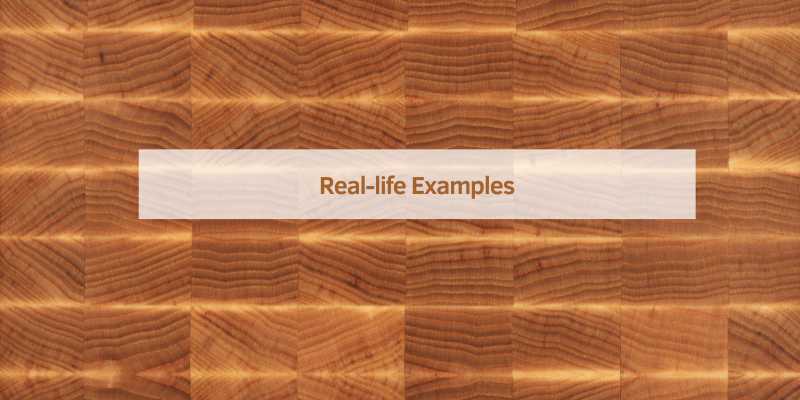
End grain hardwood floors are not just a theoretical concept or a design trend. They have been successfully implemented in various real-life settings, adding beauty and functionality to both residential and commercial spaces. Here are some notable examples:
Showcase Homes
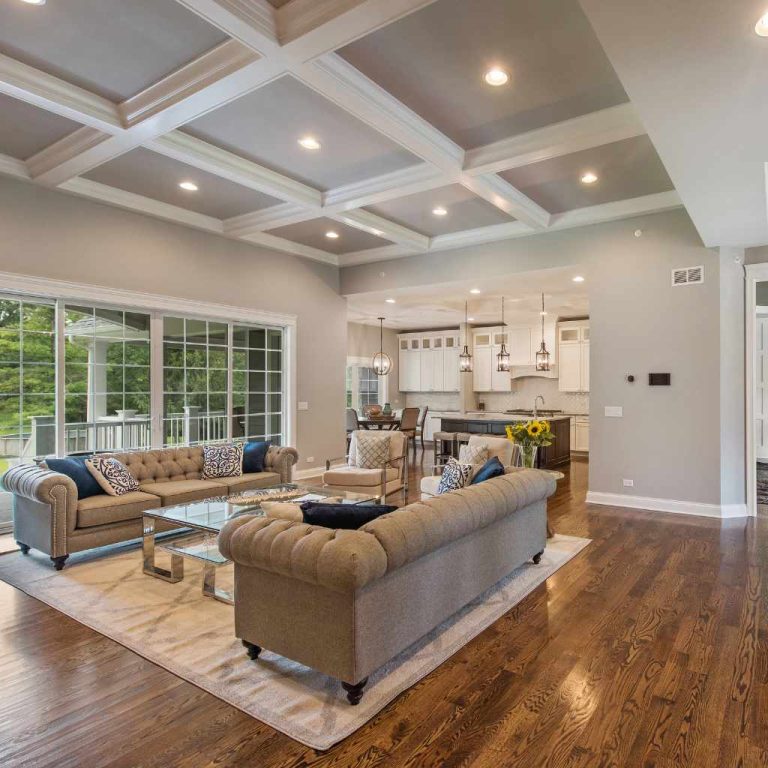
In showcase homes, end grain hardwood floors create a stunning visual impact and elevate the overall design aesthetic. These floors serve as a focal point, showcasing the natural beauty of the wood and adding a touch of sophistication to the space. Whether it’s a modern, minimalist home or a traditional, classic design, end grain hardwood floors can seamlessly blend in and enhance the overall appeal.
Commercial Spaces
End grain hardwood floors are not limited to residential settings. They have also found their place in commercial spaces, including restaurants, hotels, and retail stores. These floors offer durability and longevity, making them suitable for high-traffic areas. In addition to their practicality, they also create a unique and memorable atmosphere, leaving a lasting impression on customers and visitors.
Commercial spaces that have embraced end grain hardwood floors include upscale restaurants that want to create a warm and inviting ambiance, boutique hotels that aim to provide a luxurious experience, and high-end retail stores that want to showcase their products in a visually appealing environment. The versatility and charm of end grain hardwood floors make them a popular choice among designers and architects.
By incorporating end grain hardwood floors, these showcase homes and commercial spaces have successfully utilized the unique qualities of this flooring option to create visually stunning and functional environments.
Frequently Asked Questions
What Is End-grain Wood Flooring?
End-grain wood flooring is created by cutting logs or cants into blocks or rounds, with the annual growth rings exposed on every piece. It offers a unique and durable flooring option. End-grain flooring can be expensive, but it provides a stunning and high-quality finish for your home.
How Expensive Is End Grain Flooring?
End grain flooring can be expensive, with prices varying based on wood type and size.
What Is The Best Wood For End Grain Flooring?
The best wood for end grain flooring is hard and durable species like oak, maple, and cherry. These woods are resistant to wear and tear and provide a beautiful and long-lasting flooring solution.
What Hardwood Flooring Has Less Grain?
End grain hardwood flooring typically has less visible grain compared to other types of hardwood flooring. It is made by cutting logs or cants into blocks or rounds, exposing the annual growth rings on each piece. This type of flooring offers a unique and durable option for your home.
Conclusion
End grain hardwood floors offer a unique and durable flooring option for your home. With their distinctive appearance and the natural beauty of the wood, these floors can add a touch of elegance to any space. Whether you choose to DIY or hire a professional, the end result will be a stunning floor that is sure to impress.
Consider the benefits of end grain hardwood floors and explore the various options available to find the perfect fit for your home.