Best Dyson Attachment for Hardwood Floors (By Model): Which Head to Use
The Dyson attachment that actually works on hardwood floors is the soft roller cleaner head (“Fluffy”) — not the stiff-bristled Motorbar/direct-drive head that ships by default on most Dyson cordless kits. The soft roller’s felt-and-nylon roller and antistatic carbon-fiber filaments pick up fine dust without touching the finish, while the Motorbar head is built to dig into carpet fiber and can leave fine swirl scratches on a hardwood finish over months of use. Which specific soft-roller part you need, though, depends on which Dyson you own — Dyson has used at least three different head designs across its cordless lineup, and a part that fits a V10 will not click onto a V6.
The Soft Roller Head: Why It’s the Right Choice for Hardwood
Best Universal Fit (V7–V15)
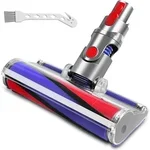 |
Lemige Soft Roller Cleaner Head (Dyson V7/V8/V10/V11/V15) – $59.99 A direct swap for the stiff Motorbar head that comes stock on most Dyson cordless kits — drops the scratch risk on hardwood, tile, and laminate.
|
The soft roller design solves a real mechanical problem. A carpet-style beater bar spins a bristle roll fast enough to lift fibers out of carpet pile — that same aggressiveness, combined with any grit trapped in the wheels or bristles, is what scores fine scratch lines into a polyurethane or oil finish over repeated passes. The soft roller replaces the bristle roll with a felt-and-nylon surface that has no rigid teeth, so it picks up dust and pet hair by contact and static rather than by scraping.
Antistatic carbon-fiber filaments woven into the roller are the other half of the design — they neutralize the static charge that normally makes fine dust cling to a wood floor and skip past a standard brush. That combination is why Dyson ships the soft roller head as the “hard floor” head in every cordless kit, alongside the carpet-oriented Motorbar or High Torque head.
Cross-Model Compatibility: Dyson Has Used Three Different Head Designs
This is the part most buying guides skip, and it’s the reason returns on third-party “Dyson-compatible” heads are so common: Dyson has not used one universal soft-roller design across its whole cordless lineup. The connector shape, roller diameter, and motor wiring changed twice as the line evolved.
| Dyson Generation | Stock Hard-Floor Head | Compatible Replacement Heads |
|---|---|---|
| V6 / DC-series uprights | Soft roller cleaner head (older mount) | V6-specific soft roller only — not interchangeable with V7–V15 parts |
| V7 / V8 | Soft roller “Fluffy” head | Fits universal V7–V15 replacement heads (OEM-equivalent #966489 series) |
| V10 / V11 | Soft roller “Fluffy” head | Same mount family as V7/V8 — universal V7–V15 heads fit |
| V15 Detect | “Fluffy Optic” head with built-in green laser | Universal V7–V15 heads fit and clean normally, but you lose the laser dust-illumination feature |
If you own a V15, a universal replacement head will still pick up dust and protect your floors — you just won’t get the laser that lights up dust on the floor ahead of the vacuum. For every other generation from V7 onward, a universal soft roller head is functionally identical to Dyson’s own part, just without the Dyson-branded price.
One Popular Head You Should Not Use on Hardwood
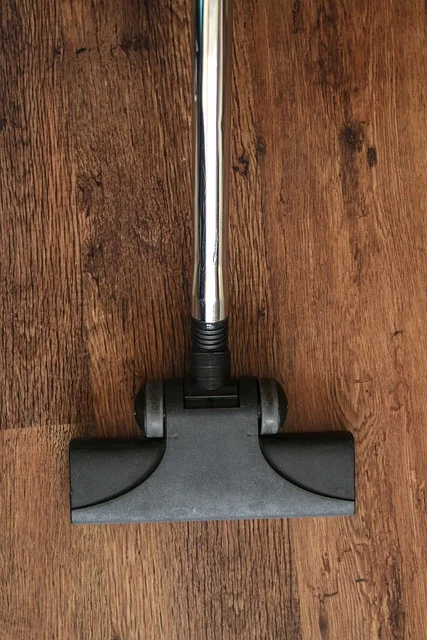
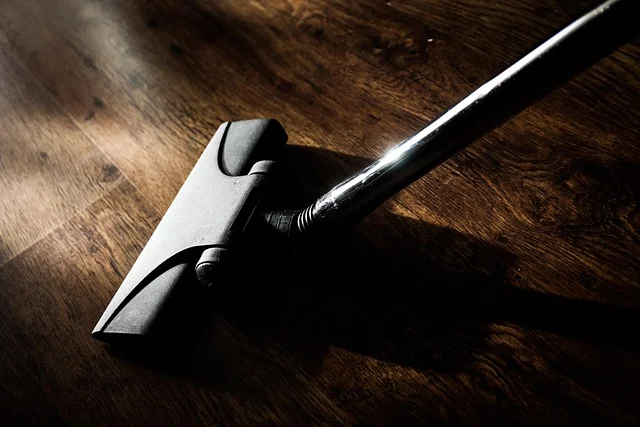
Some retail listings describe the standard Motorbar or direct-drive head as suitable for “all floor types,” which is technically true for a single quick pass but misleading as ongoing advice. The stiff nylon bristles on that head are tuned for carpet fiber, and if you vacuum hardwood with it regularly — especially with the “Boost” suction setting on, which pins the head down harder — you’re running a stiff brush roll against your finish every time you clean. Reserve the Motorbar/direct-drive head for rugs and carpet, and switch to the soft roller before crossing onto wood.
OEM Dyson Parts vs. Third-Party Replacement Heads
Dyson sells its own soft roller head directly, but the part typically runs $100–$130 through Dyson’s own store, since it includes the full motorized roller assembly, not just a brush. Third-party replacement heads like the one above use the same felt-and-nylon roller design and reference Dyson’s own OEM part numbers (966489-04, -08, -11, -12, -15, and 973208-01 cover the V7 through V15 mount family), which is how a $60 part can clean identically to the $120 Dyson-branded version — the mount, motor spec, and roller material are built to the same physical interface, not reverse-engineered from scratch.
The trade-off worth knowing about: Dyson’s own part carries Dyson’s 2-year warranty coverage if it fails, while a third-party head is covered by the seller’s own return policy instead (30 days on the listing above). For a wear part that mainly needs replacing every 1–2 years of regular use anyway, most owners find the seller warranty is enough coverage for the price difference. If your vacuum itself is still under Dyson’s warranty, check that swapping the head doesn’t affect coverage on the rest of the machine — it generally doesn’t, since the head is a separate accessory, not an internal component.
Signs Your Current Head Is Already Scratching Your Floor
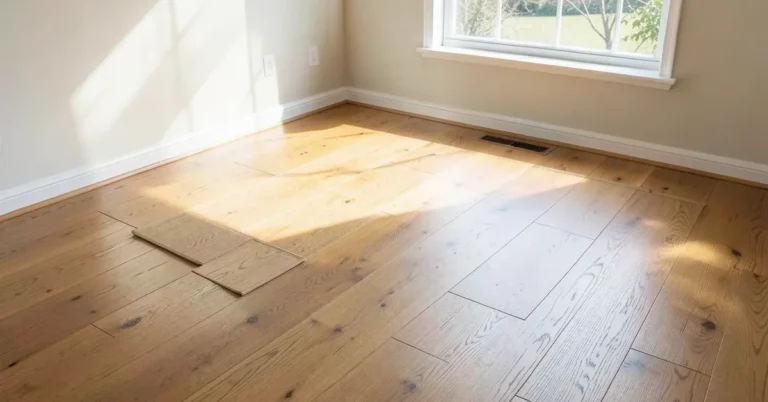
Fine scratching from a stiff-bristled head doesn’t show up under normal room lighting — it shows up under raking light, meaning light hitting the floor at a low angle, like late-afternoon sun through a window or a flashlight held near the floor’s surface. Crouch down and shine a light across the boards at a shallow angle rather than straight down. A network of fine, parallel hairline scratches running in the direction you typically vacuum is the signature pattern of a beater-bar head; random gouges or dents usually come from grit under furniture legs or dropped objects instead, and a soft roller swap won’t fix those.
If you catch it early, most polyurethane finishes can be buffed and recoated in the affected area without a full refinish, which typically runs $3–$8 per square foot. Waiting until the scratches cut through the finish into bare wood usually means sanding down to raw wood in that section, which costs more and can leave a visible color mismatch with the surrounding boards until the whole room is refinished.
Installing and Cleaning the Soft Roller Head
- Press and hold the quick-release button on the wand or vacuum body, then pull the old head straight off — don’t twist it, which can crack the connector tab.
- Line up the soft roller head’s connector with the wand and push until it clicks. You should hear one distinct click, not a loose rattle.
- Rinse the roller itself (not the motor housing) under running water every few weeks if you have pets, and let it air-dry fully — at least 24 hours — before reattaching, since a damp roller left sealed inside the head can grow mold.
- Check the brush ends monthly for tangled hair; a pair of scissors run along the roller’s edge clears it faster than pulling by hand.
Have a V8 Specifically, or Deciding Between Whole Vacuums Instead?
If you own a Dyson V8 and want the model-specific breakdown of stock vs. replacement heads, see our Dyson V8 hardwood floor attachment guide. If you haven’t bought a Dyson yet and are trying to decide which model handles hardwood best out of the box, our Dyson vacuum comparison for hardwood floors compares the V8, V11, and V15 head-to-head. And if your vacuum isn’t a Dyson at all, our general hardwood floor vacuum attachment guide covers matching any brand’s hose size to a soft attachment.
Frequently Asked Questions
Which Dyson attachment is best for hardwood floors?
The soft roller cleaner head, often called “Fluffy,” is the Dyson attachment built for hardwood floors. Its felt-and-nylon roller and antistatic carbon-fiber filaments remove dust and pet hair without the stiff bristles that the carpet-oriented Motorbar head uses.
Will the Motorbar or direct-drive head scratch my hardwood floor?
It can over time. The Motorbar/direct-drive head uses stiff nylon bristles designed to dig into carpet fiber, and repeated passes on hardwood — especially with Boost suction engaged — can leave fine swirl scratches in the finish. Switch to the soft roller head before vacuuming wood floors.
Does one soft roller head fit every Dyson model?
No. The original V6 uses a different connector than the V7 through V15 lineup, so a universal replacement head made for V7–V15 will not fit a V6 or the older DC-series uprights. Within V7 through V15, most universal soft roller heads are cross-compatible, though the V15’s own “Fluffy Optic” head has a built-in laser that a universal replacement won’t include.
How do I clean a Dyson soft roller head?
Remove tangled hair from the roller ends with scissors, then rinse the roller itself under running water every few weeks if you have pets. Let it air-dry completely, at least 24 hours, before reattaching — sealing a damp roller back into the head can lead to mold or mildew odor.
Bottom Line
For hardwood floors, the soft roller (“Fluffy”) head is the correct Dyson attachment across every current cordless model, and a universal replacement like the Lemige head above will clean V7 through V15 machines without the scratch risk the stock Motorbar head carries. Match the head to your specific Dyson generation using the compatibility table above before you buy, since the V6 and DC-series uprights use a different connector than everything from the V7 onward.
Sponsored / affiliate links. As an Amazon Associate I earn from qualifying purchases. I may earn additional commission from eligible campaigns.