What to Put on Hardwood Floors to Make Them Shine (By Finish)
What you put on a hardwood floor to make it shine depends on its finish: a polish made for polyurethane (surface-finished) floors, or paste wax only if the floor is already waxed. The National Wood Flooring Association (NWFA) says never to use a wax finish on top of a surface finish, and most finish warranties are voided by oil soap cleaners. This guide covers how to tell which finish you have, when a polish is enough, and when the floor needs a screen and recoat instead. For the full picture of floor types, see our wood flooring guide.
What to Put on Hardwood Floors to Make Them Shine
Best Polish for Sealed Floors
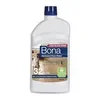 |
Bona Hardwood Floor Polish, 32 fl oz, High Gloss Shine ($14.39) A polish for the case this guide covers most: a polyurethane-sealed floor that has gone dull. Bona says it is for unwaxed, unoiled, polyurethane-finished floors, so run the finish test below before you buy.
|
As an Amazon Associate we earn from qualifying purchases.
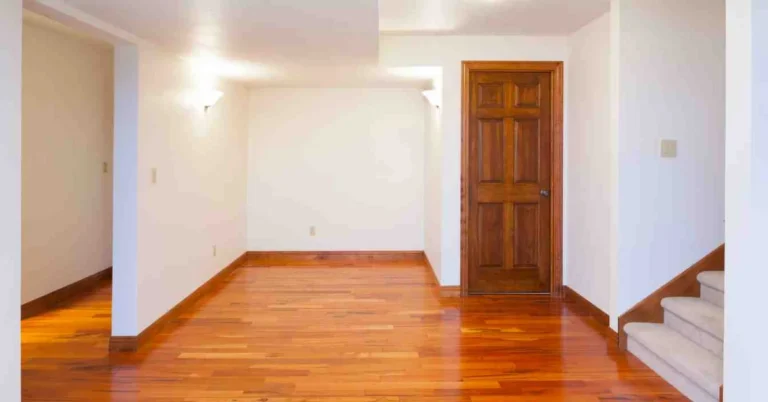
Most hardwood floors installed in recent decades carry a surface finish: a clear urethane or polyurethane film that sits on top of the wood. A surface finish loses shine as the film collects micro-scratches and ground-in grit, so the fix is to clean it properly and then add a thin polish layer that fills those scratches. A waxed or oil-finished floor is a different case and needs different products.
| Your floor finish | What to put on it for shine | What to keep off it |
|---|---|---|
| Surface finish (polyurethane, water-based urethane, conversion varnish) | Manufacturer-recommended cleaner, then a polish made for polyurethane floors; a screen and recoat when polish no longer helps | Wax, oil soap, dust sprays, wet mopping |
| Wax finish | Buffing with a pad, then re-waxing worn areas; wax-floor conditioners and cleaners | Too much wax, which NWFA says makes the floor scuff easily |
| Unknown or factory-finished | The flooring manufacturer’s care instructions (NWFA says using the wrong product can void the warranty) | Anything the maker does not list |
First, Find Out What Finish Your Floor Has
Picking the wrong product is the most common way people make a floor look worse, so spend five minutes on this test before you buy anything. Try each test in a closet or under a piece of furniture.
- Scrape test: Scratch an inconspicuous spot with a coin or a knife tip. If a clear, non-waxy material scrapes off, you have a surface finish that can be polished. If it only smudges, the finish is penetrating oil or wax, according to Bob Vila.
- Water-drop test for wax: NWFA says to put two drops of water on the floor. If white spots appear after about 10 minutes, the finish is probably wax.
- Mineral spirits test for wax: Wipe a clean white rag with a little mineral spirits on a low-traffic spot. NWFA says a slight yellow or brown color on the rag means paste wax is probably present.
If you cannot work it out, NWFA’s advice is to follow the flooring manufacturer’s directions for prefinished floors, or the finish manufacturer’s directions for floors finished on the job site. If you do not know who made the floor, use a generic hardwood floor cleaner sold at a flooring store.
Never use a wax finish on top of a surface finish.
NWFA Technical Publication C100, Maintenance and Recoating
Polish vs. Cleaner vs. Refresher vs. Screen and Recoat
These four products and services get lumped together as “shine,” but they do different jobs. Using a polish when the floor needs a recoat, or a cleaner when it needs a polish, is why many floors never look right no matter how much product goes on.
| Option | What it does | Timing from the maker | Use it when |
|---|---|---|---|
| Cleaner | Removes dirt and residue; adds no shine | Routine use; NWFA says to use only recommended products | Always first, before any polish |
| Polish (Bona) | Fills micro-scratches and scuffs, adds gloss or satin sheen | Walk in socks after 1-2 hours; wait 24 hours for furniture and pets; reapply every 2-6 months | Floor is dull but the finish is intact |
| Refresher or reviver (Minwax) | Water-based topcoat that Minwax describes as stronger than polish | Dry to walk on in about 2 hours; protection lasts roughly 3-6 months | Floor looks worn, still has finish, and you want longer protection than polish |
| Screen and recoat (pro) | Abrades the old finish and adds a new coat | Done when wear shows; NWFA says it is the answer when the finish is worn but not through to bare wood | Polish no longer helps, or traffic lanes look cloudy and worn |
The timings above come from Bona and Minwax for their own products. Bob Vila suggests polishing up to four times a year, so the safe approach is to follow the label on the bottle you buy rather than a general schedule.
How to Polish a Surface-Finished Hardwood Floor
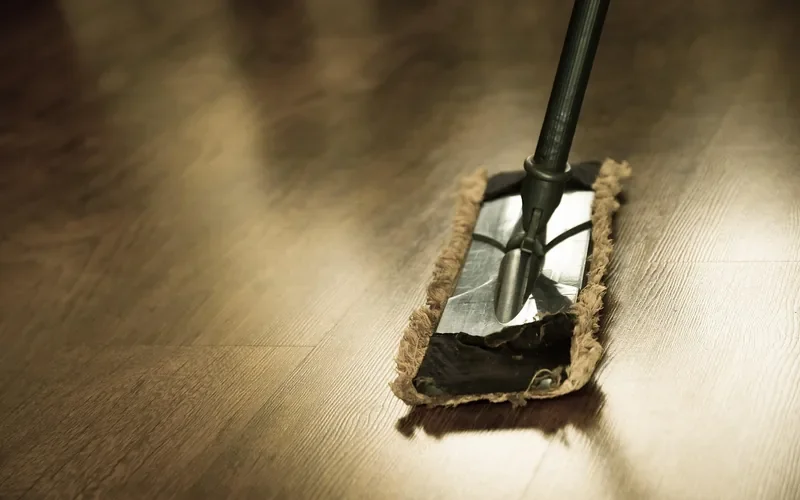
- Clear and dry-clean: Move furniture out, then sweep or dust-mop. NWFA says to use only a vacuum that has a hard-surface setting.
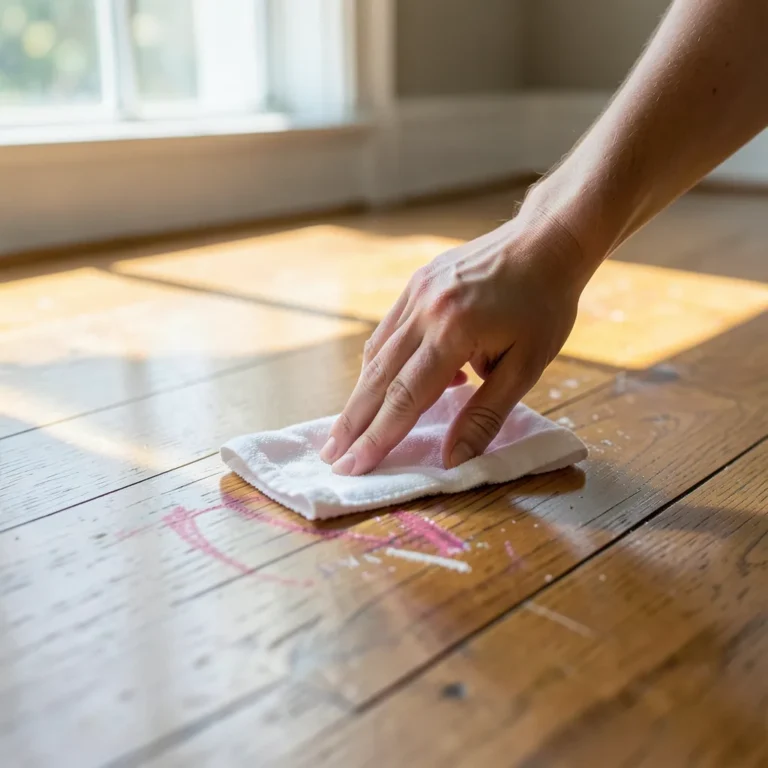
- Clean with the right cleaner: Use a cleaner from the polish maker or your floor manufacturer. Polish applied over dirt locks the dirt in.
- Let the floor dry completely: Minwax tells users to let the floor dry completely before applying its product.
- Test a small spot: Try the polish in a closet or corner to check how the sheen looks and that it levels without streaks.
- Apply a thin coat: Pour the polish in an S pattern and spread it along the grain with a flat microfiber pad, working about 3 to 5 feet at a time.
- Leave it alone: Allow about an hour before light foot traffic in socks, and a full day before furniture, rugs, and pets go back (Bona says 24 hours).
Too much polish is the usual mistake. A thin, even coat dries clear and level; a thick coat leaves streaks and tacky spots that trap dirt.
Which Sheen Will You Get?
A polish does not just add shine, it also sets the sheen you see. Bona sells its hardwood floor polish in high gloss and low gloss: the low gloss version gives the same protection with a satin sheen that helps hide scuffs and scratches, which Bona points to as a better fit for high-traffic homes with kids and pets. If your floor left the factory with a satin finish, a high gloss polish can look uneven, so match the sheen to what you have. Our guide to gloss and sheen levels for hardwood floors explains the four levels in more detail.
Vinegar, Olive Oil, and Baking Soda: What the Sources Say
Older versions of this page recommended a vinegar-and-water mix and a few drops of olive oil. We removed that advice after checking it against flooring sources, because it does not hold up on a polyurethane floor.
- Vinegar: Bob Vila specifically cautions against homemade cleaners that include diluted vinegar or ammonia on wood floors, because they can dull finishes. NWFA also lists ammonia as something not to use.
- Oil: NWFA says to use only cleaning products that will not leave a contaminating residue on the floor. A kitchen oil is a residue by definition, and NWFA warns that non-recommended products can cause problems when the floor is later recoated.
- Baking soda: We did not find a flooring association or finish maker recommending baking soda for shine, so there is no source here we can stand behind.
- Dust sprays and wet mops: NWFA says household dust treatments should never be used on wood floors, and its guidance lists wet mops under things not to do.
If a floor looks dull, the cause is usually a film of residue or a worn finish, not a lack of oil. Cleaning with a recommended product and then polishing is the route the manufacturers describe.
If Your Floor Is Waxed
Waxed floors are the one case where wax is the right product. NWFA says that when a waxed floor loses luster in heavy-traffic areas, you should buff those areas with a polishing brush or pad, and if that fails, re-wax only those areas and buff. It also notes that too much wax causes the floor to scuff easily. Water spots can be treated with fine steel wool and a small amount of mineral spirits, followed by re-waxing. NWFA adds that a waxed floor can be very hard to coat over with a surface finish later, even after sanding, so do not wax a floor you plan to recoat. Our guide to cleaning waxed wood floors covers the routine.
When Polish Will Not Help: Screen and Recoat
NWFA’s recoating guidance says that when a finish is worn so far that the wood color is uneven or bare wood shows, a complete resanding and refinishing is needed. If the wear is less severe, the usual option is to run a buffer with a screen or pad over the floor and recoat it, and factory-finished floors can generally be recoated the same way. NWFA lists several problems a recoat cannot fix: deep scratches that go through the finish, dents, and cupped floors.
That gives a practical rule. If the floor is dull everywhere and the finish is intact, polish. If there are worn lanes, white spots, or places where water has turned the wood gray, a polish will not hide them. See our guides on fixing scratches on hardwood floors and removing water stains from wood floors, and if you are putting new finish down, how to varnish wood floors.
Mistakes That Keep Floors Dull
- Polishing before cleaning. The polish seals grit under a new film instead of removing it.
- Putting wax on a polyurethane floor. NWFA says never to do this, and it can make later recoating difficult.
- Oil soap on a factory finish. NWFA says most finish and factory-finished flooring warranties are voided by oil soap cleaners.
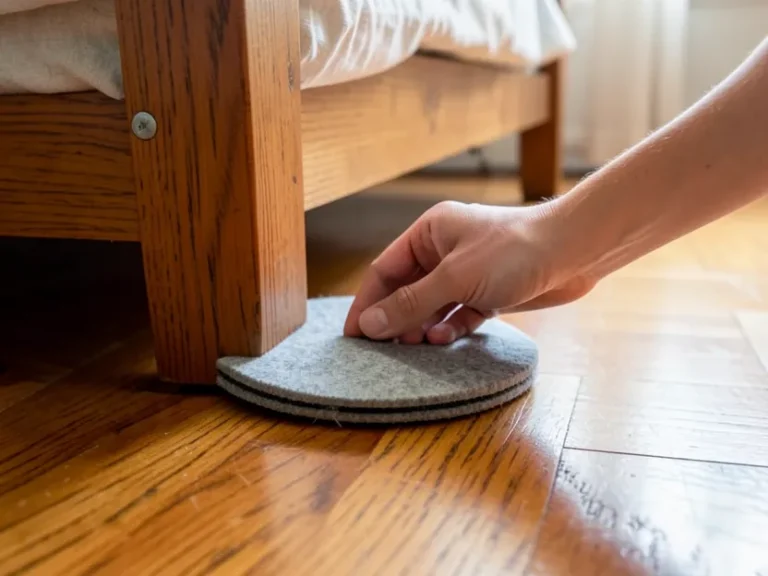
- Too much water. NWFA says moisture should not come in contact with the floor and should be wiped up right away. Standing water is a bigger risk than dullness: see how to fix hardwood floor buckling.
- Skipping grit control. NWFA points out that the more dirt and grit accumulate, the more they are tracked over the floor and scratch it. Mats, floor protectors, and regular vacuuming on a hard-surface setting do more for shine over time than any product. See our hardwood floor care guide for a routine.
Frequently Asked Questions
How Do I Get My Dull Hardwood Floors To Shine Again?
Clean the floor with a cleaner approved for your finish, let it dry, then apply a thin coat of a polish made for polyurethane floors. If a clear film scrapes off when you test the finish, polish is safe. If the floor is worn through in places, it needs a screen and recoat instead, which NWFA describes as the fix for excessive wear that has not reached bare wood.
How Do I Get A High Gloss Finish On Hardwood Floors?
For an existing sealed floor, a high gloss polish such as Bona High Gloss adds a glossy look and fills micro-scratches. A permanent high gloss comes from the topcoat itself, so if you want that, ask a flooring pro about a screen and recoat with a high gloss finish. Never use wax to build gloss on a surface finish.
Does Murphy’s Oil Soap Shine Wood Floors?
No, not on a polyurethane floor. NWFA says most finish and factory-finished flooring warranties are voided by oil soap cleaners, and non-recommended cleaners can cause trouble at recoating time. Use the cleaner your floor or finish maker recommends instead.
How Can I Brighten My Hardwood Floors Without Refinishing?
Clean with a recommended cleaner, then polish or use a topcoat refresher. Bona says its polish should be reapplied every 2-6 months, and Minwax says its Reviver gives about three to six months of protection. If the finish is worn, a screen and recoat is still far less work than a full sand and refinish.
Can I Use Wax To Make A Polyurethane Floor Shine?
No. NWFA says never to use a wax finish on top of a surface finish, and wax over a surface finish is a known recoating problem. Wax is only for floors that are already waxed.
The Short Version
Find out your finish, clean with a recommended cleaner, and polish only if the floor has a surface finish. Skip vinegar, oil, wax, and oil soap on polyurethane, and call a pro for a screen and recoat when polish stops working.
Sponsored / affiliate links. As an Amazon Associate I earn from qualifying purchases. I may earn additional commission from eligible campaigns.