Best Carpet and Hardwood Floor Cleaner: What Actually Works
The best carpet and hardwood floor cleaner is a wet/dry vacuum-mop combo like the Bissell CrossWave, not a standard carpet cleaner, which forces water and stiff brushes into wood seams and can warp a hardwood floor after one heavy pass. Using the wrong type voids most flooring warranties and can dull a polyurethane finish within weeks. This guide covers which cleaner type suits mixed flooring, our current top picks, and how to use one without damaging either surface.
Quick Answer
For mixed carpet and hardwood, use a wet/dry vacuum-mop combo (Bissell CrossWave or Tineco Floor One) set to its hard-floor mode near wood; never run a plain carpet-shampoo machine over hardwood. If you only need to mop hardwood, a pH-neutral liquid cleaner like Bona plus a microfiber mop is safer and cheaper.
Which Type of Cleaner Actually Works for Both Surfaces?
Best Carpet and Hardwood Floor Cleaner Pick
BISSELL CrossWave Pet Pro Wet Dry Vacuum Mop, 2306A
Vacuums and washes hard floors and area rugs in a single pass, with a two-tank system that keeps dirty water away from clean solution.
- Best for: Open-plan homes switching between hardwood and low-pile rugs or carpet
- Why we picked it: The original CrossWave platform has the longest track record of the multi-surface category and a dedicated hard-floor setting
- Main drawback: Brush roll needs rinsing after every use or it starts to smell
Compare more carpet and hardwood cleaner options
 Option 1 BISSELL CrossWave Edge Cordless Plus, 4329G
|
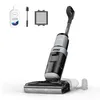 Option 2 Tineco Floor ONE i5 Stretch
|
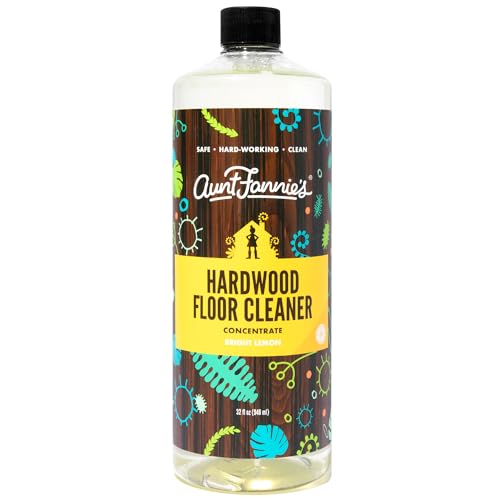
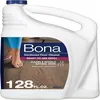 Option 3 Bona Hardwood Floor Cleaner Refill, 128 oz
|
As an Amazon Associate we earn from qualifying purchases.
“Carpet and hardwood floor cleaner” isn’t one product category — it’s four different tools, and picking the wrong one is how floors get damaged. Here’s what each type is actually built for.
- Wet/dry vacuum-mop combos (Bissell CrossWave, Tineco Floor One) — vacuum and wash in one pass, with a mode that cuts water flow for hard floors. The only category genuinely built to move between carpet and hardwood in the same session.
- Liquid hardwood cleaners (Bona, Method) — pH-neutral solutions for polyurethane-finished wood, used with a damp microfiber mop. Cheap and safe for hardwood, but not a carpet product at all.
- Steam mops — kill bacteria without chemicals, but manufacturers of engineered and solid hardwood routinely warn against steam because trapped heat and moisture can loosen adhesive or cup the boards over time.
- Professional cleaning services — worth it once or twice a year for deep carpet extraction or hardwood buffing, but not a weekly-maintenance answer.
If your home is mostly one continuous space with both floor types — the exact situation this guide is written for — a multi-surface vacuum built for both earns its price faster than owning two single-purpose tools.
Why a Regular Carpet Cleaner Can Wreck a Hardwood Floor
Carpet-shampoo machines are built to force water deep into pile fibers, then agitate it with a rotating brush. On hardwood, that same water finds the seams between boards instead of fibers — and once moisture gets under a wood floor, it swells the grain from the inside, which shows up as cupping or a whitish haze in the finish days later. The brush adds a second problem: bristles stiff enough to lift carpet dirt are abrasive enough to scratch a polyurethane topcoat within a handful of passes.
📊 Consumer Reports tests multi-surface floor cleaners by applying dried mustard and tomato soup, then measuring removal over 100 mop passes — a reminder that a cleaner rated for hard floors is judged on stain removal, not on moisture safety for wood seams. Source: Consumer Reports, 2026.
Sealed hardwood in good condition can sometimes tolerate an occasional pass from a multi-surface machine set to its hard-floor mode, which uses far less water than a carpet setting. A dedicated carpet-shampoo machine, run in its normal wet mode, should never touch exposed wood. For the day-to-day maintenance that keeps a finish from reaching that point in the first place, see our full hardwood floor care guide.
| Cleaner Type | Safe on Carpet | Safe on Hardwood | Typical Price | Best For |
|---|---|---|---|---|
| Wet/dry vacuum-mop combo | Yes | Yes (hard-floor mode) | $170–$400 | Open-plan homes with both floors |
| Liquid hardwood cleaner + mop | No | Yes | $15–$25 | Hardwood-only maintenance |
| Steam mop | No | Caution — check finish warranty | $50–$120 | Sealed tile/hard floors, not wood |
| Professional service | Yes | Yes | $150–$400/visit | Annual deep clean |
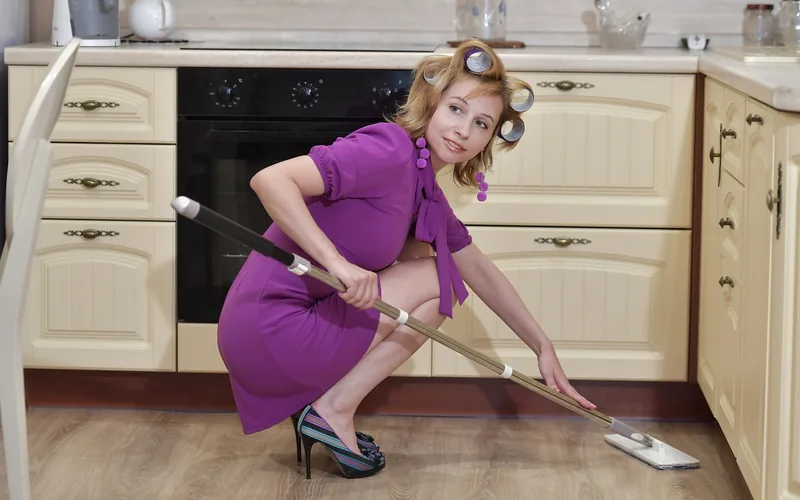
Our Top Picks for Carpet and Hardwood Floor Cleaning
These are current, actively-sold models across the two categories that actually matter for mixed flooring: a multi-surface machine for the primary job, and a liquid option for hardwood-only touch-ups.
How to Clean Both Surfaces Without Damaging Either
- Vacuum first, always: Pick up loose grit before any wet pass — grit dragged under a mop head is what actually scratches a hardwood finish, not the water itself. A stiff-bristle broom built for hardwood works just as well as a vacuum for this first step if you’d rather not drag a machine out for a quick pass.
- Switch modes at the doorway: On a combo machine, select the hard-floor setting before crossing from carpet to hardwood; the carpet setting releases roughly twice the water.
- Work with the grain: Mop hardwood in the direction of the boards so water sits in the finish, not driven sideways into the seams.
- Dry immediately: Follow the wet pass with a dry microfiber cloth on hardwood — don’t let a combo machine’s hard-floor mode be your only drying step near baseboards.
- Rinse the brush roll: Remove and rinse the roller after every session; a roller left wet is how mildew smell gets reintroduced to both floor types.
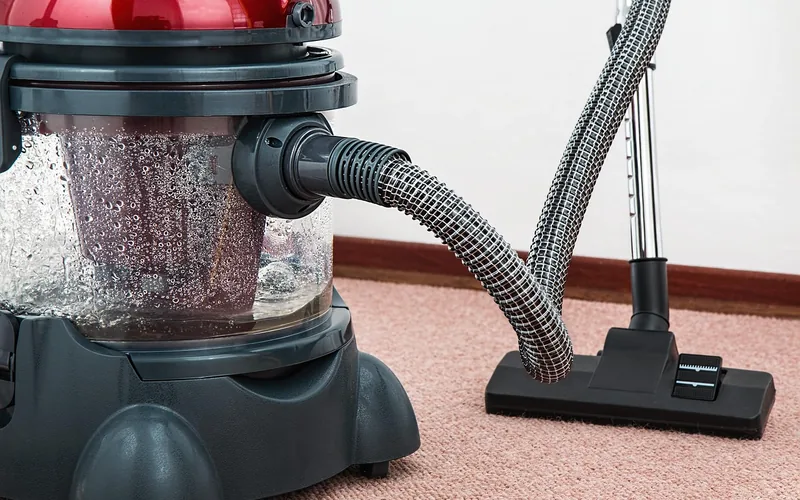
Buying Guide: What Actually Matters When Choosing a Multi-Surface Cleaner
- A dedicated hard-floor mode that measurably reduces water output — not just a marketing label — is the single most important spec for mixed flooring.
- Tank size above 0.8L saves refills on anything larger than a small apartment; below that, expect to stop mid-room.
- Roller and filter maintenance — self-cleaning cycles genuinely reduce the mildew smell that ruins these machines within a year.
- Manufacturer finish compatibility — check your hardwood’s finish warranty before buying; some oil-finished floors specifically exclude wet-vacuum machines. Our broader wood care and maintenance guide covers finish types in more depth if you’re not sure what’s on your floor.
- Warranty length on the machine itself — 2 years or more signals the brand expects the pump and motor to hold up to daily mixed-surface use.
“Water damage on a hardwood floor almost never comes from one big spill — it’s the slow kind, from a mop or machine that leaves a film behind every week. If a floor feels even slightly damp to the touch after cleaning, that’s the sign to switch to a drier method before the finish starts to haze.”
Frequently Asked Questions
Can you use a carpet cleaner on hardwood floors?
No, not a standard carpet-shampoo machine. Its rotating brush and high water output are built for pile fibers, and on hardwood that same water settles into the seams between boards, which can cause cupping or a cloudy finish. A wet/dry combo machine set to its hard-floor mode is the safe exception.
How often should you clean hardwood floors and carpet?
Vacuum both about once a week. Mop hardwood weekly at most with a barely damp head — more than that saturates the finish. Have carpet professionally deep-cleaned about once a quarter and hardwood professionally buffed once or twice a year, depending on foot traffic and pets.
What’s the best budget option for cleaning both carpet and hardwood?
The Tineco Floor ONE i5 Stretch (around $199) is the cheapest wet/dry combo that still includes a hard-floor mode. If budget is the only concern and you don’t need a carpet function, a $20 bottle of Bona Hardwood Floor Cleaner with a microfiber mop covers hardwood-only maintenance for a fraction of the cost.
Is a wet/dry vacuum-mop combo safe for hardwood floors?
Yes, when it has a hard-floor setting that lowers water flow versus the carpet setting, and when the floor’s finish is intact. Always dry the floor with a cloth afterward rather than letting it air-dry, especially along baseboards where water tends to pool.
Is professional floor cleaning worth it?
Yes, for the deep cleans a household machine can’t match — hot-water carpet extraction a few times a year, or a professional hardwood buff-and-recoat every couple of years. It’s not a substitute for weekly vacuuming and mopping, which still falls to a good multi-surface machine.
What are some eco-friendly cleaning solutions for floors?
Diluted white vinegar works on sealed hard floors but should be used sparingly since acid can dull some finishes over time; plant-based pH-neutral cleaners like Bona or Method are the safer eco-friendly choice for both hardwood and most carpet fibers.
Conclusion
The best carpet and hardwood floor cleaner for most mixed-flooring homes is a wet/dry vacuum-mop combo with a genuine hard-floor mode — not a standard carpet-shampoo machine, and not a steam mop on wood with an active warranty. Match the tool to the surface in front of you, dry hardwood immediately after any wet pass, and both floors will outlast the cleaner you bought for them.
Sponsored / affiliate links. As an Amazon Associate I earn from qualifying purchases. I may earn additional commission from eligible campaigns.