Evidence of Termites in House: Top Signs You Shouldn’t Ignore
Termites can cause serious damage to your home. They often go unnoticed until it’s too late.
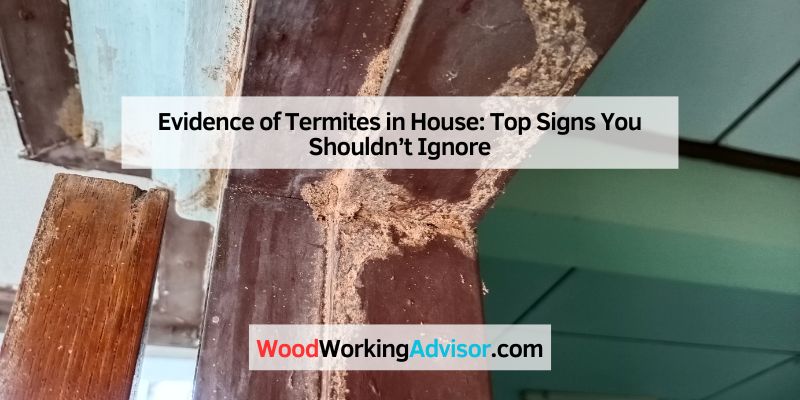
Termites are silent destroyers. They chew through wood, flooring, and even wallpaper. Catching them early can save you from costly repairs. But how can you tell if these pests are in your house? You might see small, pellet-like droppings. Or you might notice hollow-sounding wood.
Termite wings near windows or doors are another sign. Spotting these early signs is crucial. In this blog post, we will explore the common signs of termites. Knowing what to look for can help you act quickly. This can protect your home and your wallet. Stay with us to learn more about these tiny invaders.

Credit: mandmpestcontrol.com
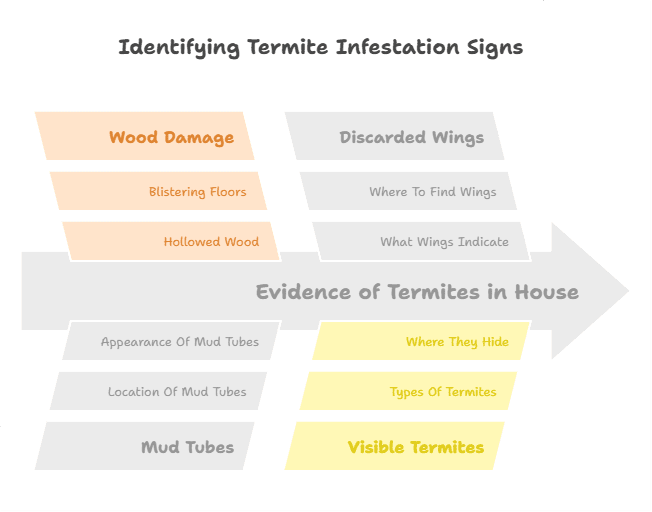
Wood Damage
Hey friends, today we are going to talk about one of the clear signs that you might have termites in your house: wood damage. Termites love wood. They munch on it all day and night. If you’re not careful, they can cause serious damage to your home. But don’t worry, I’ll show you how to spot the signs.
Hollowed Wood
One of the first things you might notice is hollowed wood. This is a big clue that termites are around. If you knock on a piece of wood and it sounds hollow, that’s a red flag. Think of it like knocking on a door that sounds empty inside.
Here are some ways to check for hollowed wood:
- Use a screwdriver to gently tap on wood surfaces.
- Listen for a hollow sound or an echo.
- Check for wood that feels soft or spongy.
I recently asked a friend to check their wooden fence. They tapped on it and found it sounded empty. It turned out, termites had been feasting on it for months!
Blistering Floors
Another sign to watch for is blistering floors. This happens when termites damage the wood underneath your floors. Imagine walking on a floor that feels uneven or looks like it has bubbles. That’s blistering.
Here are some tips to identify blistering floors:
- Look for areas where the floor seems raised or swollen.
- Notice if the floor feels bumpy or uneven when you walk on it.
- Check for cracks or splits in the wood surface.
I once visited a friend’s house and noticed their floor felt like it had small bumps. We checked it out and found termite damage underneath. It was a shocking discovery!
Remember, spotting these signs early can save you a lot of trouble. If you see any of these, it’s time to call a pest control expert. Stay vigilant and keep your home safe from termites!
Credit: extension.msstate.edu
Mud Tubes
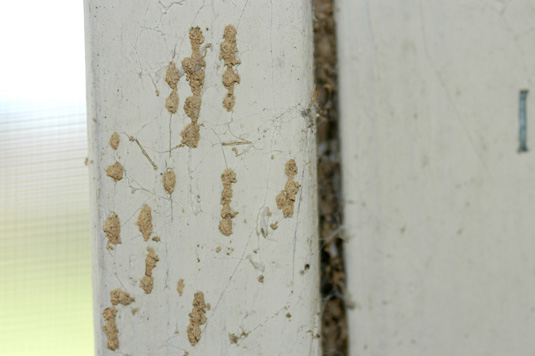
Hey friends, today we’re diving into something you might not know about: termite mud tubes. These little structures are a big red flag that termites are making themselves at home in your house. Let’s break it down so you can easily spot them.
Location Of Mud Tubes
First things first, where do you find these mud tubes? Termites are sneaky. They build these tubes in hidden places.
- Foundation walls: Check along the base of your house.
- Crawl spaces: Peek into those small areas under your house.
- Basements: Look on the walls and even on the floor.
- Wooden structures: Examine wooden beams, joists, and other timber.
Basically, anywhere that’s dark, damp, and out of sight is a good spot to check.
Appearance Of Mud Tubes
Now, let’s talk about what these mud tubes look like. Termites aren’t artists, but their tubes are unique.
- Color: They are usually brown or tan, like dirt.
- Size: Most are about the width of a pencil.
- Texture: They look like dried mud, with a rough surface.
- Shape: Long and thin, stretching from the ground up walls or over surfaces.
If you find something that fits this description, it’s time to take action.
The good news? Catching these early can save you a lot of trouble. So, next time you’re doing a home check, keep an eye out for these signs. Trust me, it’s worth the effort. I once found a mud tube in my basement and catching it early saved me from a bigger headache. Stay vigilant and your home will thank you!
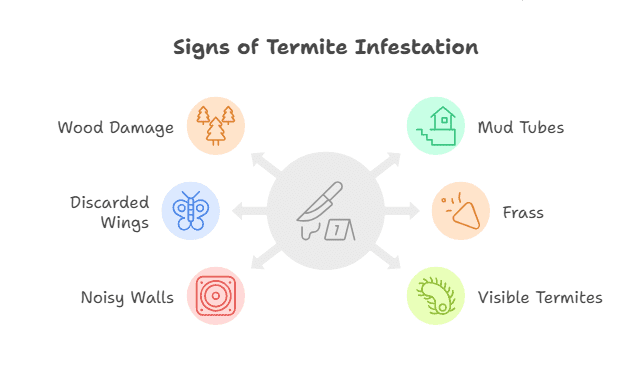
Discarded Wings
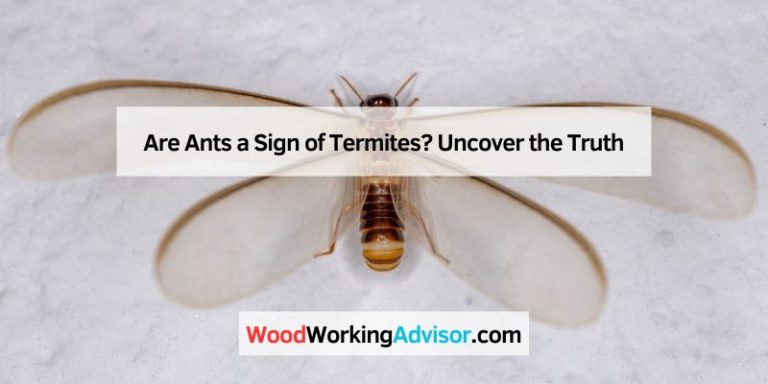
Termites are silent destroyers. They can cause significant damage to homes. One clear sign of their presence is discarded wings. These wings are often the first visible evidence of a termite infestation. Understanding where to find them and what they indicate can help you act quickly.
Where To Find Wings
Discarded termite wings are usually found near windowsills. They can also be found close to doors. Light sources attract termites. So, check near lamps and light fixtures. Piles of wings may also appear in basements. Pay attention to areas with high moisture. These are prime spots for termites.
What Wings Indicate
Finding discarded wings means termites are nearby. Termites shed their wings after mating. This indicates the start of a new colony. The presence of wings means the termites have moved into your home. Immediate action is necessary to prevent damage. A pest control expert can help assess the situation. Early detection is key to effective treatment.
Frass
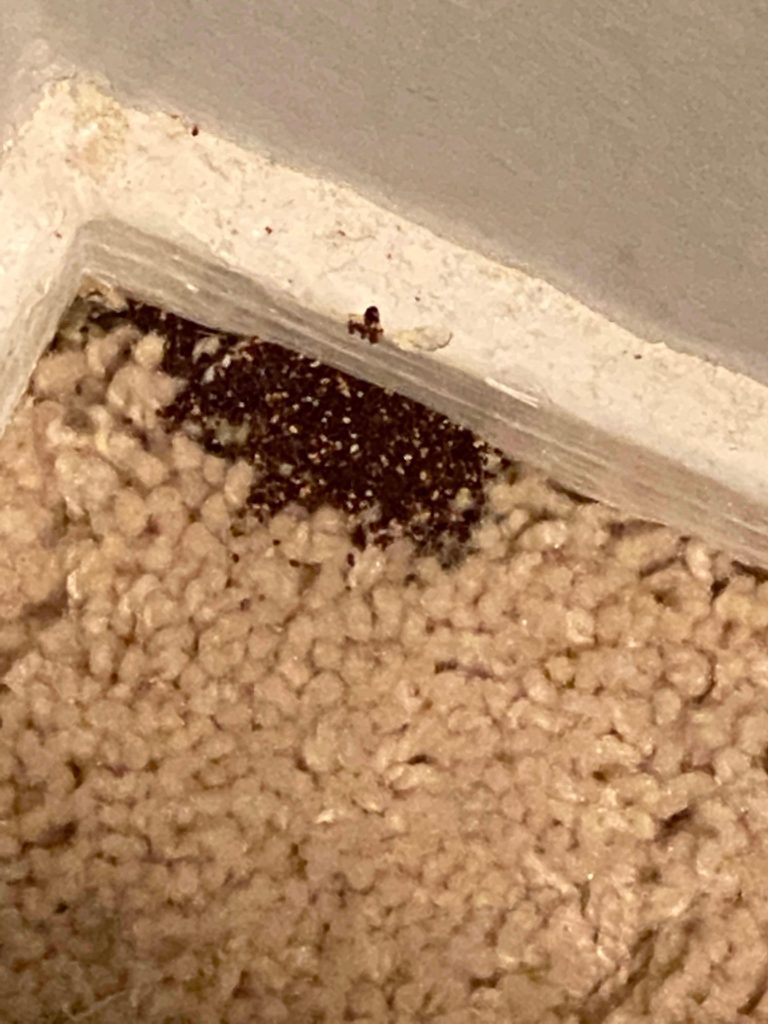
Termites can cause significant damage to homes. One of the telltale signs is frass. Frass is termite droppings that look like tiny wood pellets. Finding frass is a clear sign of a termite infestation.
Identifying Frass
Frass looks like small, hard pellets. They often resemble sawdust or coffee grounds. The color can vary from light beige to black. Termites push frass out of their tunnels. This keeps their nests clean. Finding these pellets is a strong indication of termite activity.
Common Locations
Frass can be found in many places around the house. Check window sills and baseboards. Look near wooden furniture and beams. Frass may also be found in crawl spaces and attics. Pay attention to areas with wood-to-soil contact. These are common termite entry points. Regularly inspect these spots for signs of frass.
Noisy Walls
Hey friends, have you ever heard strange sounds coming from your walls? It might be more than just the house settling. Noisy walls can be a sign of termites. These little pests can make a lot of noise as they munch on wood. Let’s dive in and see what to listen for.
Sounds To Listen For
Termites might be tiny, but they can make a surprising amount of noise. Here are some sounds you should pay attention to:
- Clicking Noises: Termites bang their heads against the wood or shake their bodies to signal danger to the colony. It sounds like tiny clicks.
- Rustling Sounds: You might hear a faint rustling noise inside your walls. This is the sound of termites chewing through the wood.
I remember once sitting quietly in my living room, trying to read a book. Suddenly, I heard faint clicking sounds coming from the wall behind me. At first, I thought it was just the house settling. But the clicks kept coming. That’s when I knew I had to investigate further.
When To Be Concerned
So, when should you be worried about these noises? Here are a few signs that it might be time to call in a professional:
- Consistent Noise: If you hear the sounds frequently, it’s a sign that termites are active and busy.
- Visible Damage: Check for visible signs of damage like hollow-sounding wood or small holes in the drywall.
- Swarmers: If you see winged termites (swarmers), it’s a definite sign of an infestation. They usually appear in spring.
The good news? You can catch the problem early if you’re attentive. Just like that time I heard the persistent clicks, I didn’t wait. I called a termite inspector right away. And guess what? They found an early infestation. A quick action saved me from major damage.
So, don’t ignore those odd sounds. Pay attention. Listen carefully. It could save your home from becoming a termite buffet. Stay alert and protect your home!
Visible Termites
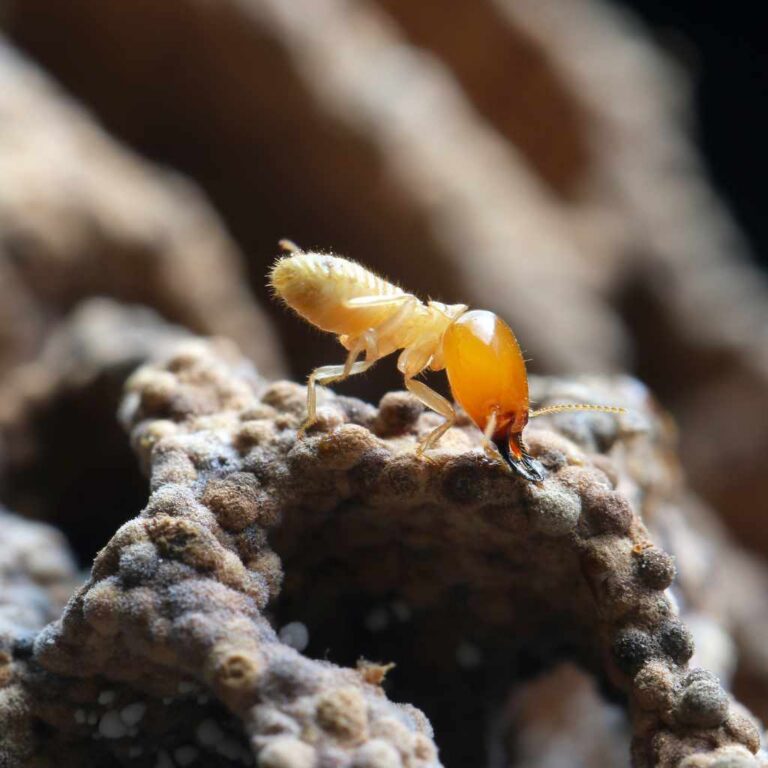
Hey friends, today I want to talk about something that can make your skin crawl. Termites. Those little pests can cause a lot of damage to your home. But how do you know if you have them? Sometimes, the evidence is right in front of you. Let’s dive into the world of visible termites.
Types Of Termites
First things first. Not all termites are the same. There are different types, and each one behaves differently.
- Subterranean Termites: These termites live underground. They build mud tubes to travel from their nest to your house.
- Drywood Termites: These guys like dry wood. They don’t need contact with soil, and they can live inside wooden structures.
- Dampwood Termites: As the name suggests, these termites prefer damp wood. They are less common in homes because they need a lot of moisture.
Where They Hide
Now, where do these termites like to hang out? Knowing their hiding spots can help you find them sooner.
Subterranean Termites usually hide in:
- Basements
- Foundations
- Wooden structures near soil
Drywood Termites can be found in:
- Attics
- Dry wooden furniture
- Wooden beams
Dampwood Termites prefer:
- Leaky pipes
- Bathrooms
- Basements with water issues
So, what should you do if you think you have termites? First, don’t panic. Check these common hiding spots. Look for small holes in wood, mud tubes, or even tiny wings. If you find any of these signs, it might be time to call a professional. Termites can cause a lot of damage if left unchecked. Better safe than sorry!
Stay tuned for more tips on how to keep your home safe from these pesky invaders. Until next time, happy home maintaining!
Sagging Doors And Windows
Sagging doors and windows can signal termite damage. Termites weaken the structure, causing alignment issues. Watch for other signs like hollow wood and mud tubes.
Hey friends, today we’re diving into a common problem you might face if you have termites in your house: Sagging Doors and Windows. These pesky bugs can cause a lot of damage. One of the first signs? Your doors and windows won’t close properly. Let’s break it down.
Structural Issues
Termites are small but mighty. They chew through wood, creating hollow spaces. This weakens the structure. Imagine your door frame is like a big puzzle. If termites eat away at the pieces, the puzzle won’t fit together right anymore.
Why it matters?
– Doors might stick or not close completely.
– Windows can become difficult to open.
– Frames might look uneven.
All these signs point to possible termite damage.
Inspection Tips
So, how do you check for this? Here are some easy steps:
1. Look at the frames: Check if they are straight. If they look crooked, it’s a red flag.
2. Test the doors and windows: Open and close them. Do they move smoothly? If they stick, there might be a problem.
3. Tap on the wood: Gently tap around the frames. Hollow sounds mean termites could be eating away inside.
Quick checklist:
– Frames are straight
– Doors and windows open smoothly
– No hollow sounds when tapped
If you find any issues, it’s time to call a professional. Better safe than sorry.
Your home’s safety is crucial. So, keep an eye on those doors and windows. They might be trying to tell you something.
Feel free to share any personal experiences or tips you might have. Let’s learn from each other!
Termite Swarms
Termite swarms are a clear sign of an infestation. These swarms occur when termites leave their nests to mate and start new colonies. Spotting swarms can help you identify a termite problem early. Understanding the difference between indoor and outdoor swarms is crucial.
Swarms Indoors
Indoor swarms usually happen near windows or light sources. Termites are attracted to light. If you see a swarm inside, you likely have an indoor nest. Look for discarded wings on windowsills or floors. This is a major indicator of termite presence. These wings are left behind after termites mate. They shed them before starting a new colony.
Swarms Outdoors
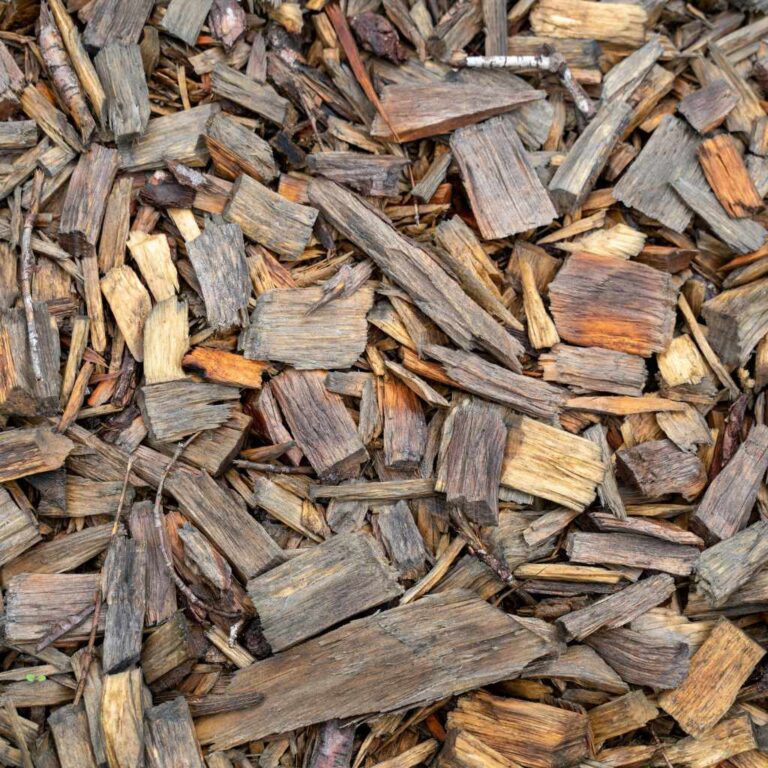
Outdoor swarms are often seen near tree stumps or mulch beds. These areas provide moisture and wood for termites. Seeing a swarm outside doesn’t always mean termites are in your home. But it does mean they are close. Check your home’s foundation and exterior wood structures. Look for mud tubes or damaged wood. These are signs termites may be moving in.

Credit: www.planetnatural.com
Frequently Asked Questions
What Are Signs Of Termites Inside Your House?
Signs of termites inside your house include hollow-sounding wood, discarded wings, mud tubes, frass (termite droppings), and damaged wood.
What Is Evidence Of Termites Look Like?
Termite evidence includes mud tubes, discarded wings, wood damage, and droppings. Look for small holes and hollow-sounding wood.
What Bug Can Be Mistaken For Termites?
Carpenter ants can be mistaken for termites. They both damage wood but have different behaviors and appearances.
How Do They Check Your House For Termites?
Inspectors check for termites by examining wood, looking for mud tubes, and using moisture meters and infrared cameras.
Conclusion
Spotting termites early can save your home from major damage. Look for signs like mud tubes, discarded wings, and hollow wood. These pests can cause serious harm. Keep an eye out and act quickly. Regular inspections and prompt treatments are crucial.
Protect your home and your peace of mind. Remember, prevention is always better than cure. Stay vigilant and safeguard your property from these destructive invaders. Your home deserves the best care. Don’t let termites take over. Act now for a termite-free home.