Dream Home Laminate Floors: Styles, Cost & Honest Review
Thinking about new floors for your home? It’s a big decision! You want something that looks great.
You also want it to last. And, of course, you want it to fit your budget. Laminate flooring often comes up.
It’s popular for many reasons. But is it the right choice for your dream home? Let’s dive in.
Dream Home Laminate Floors: What You Need to Know
Laminate flooring offers a good mix of looks and price. It can mimic real wood or stone. Many people choose it for its strength.
It holds up well to daily life. This is especially true in busy areas. Think about your living room or kitchen.
Kids, pets, and spills are common. Laminate can handle these things.
But there’s more to it. Understanding the styles is key. Knowing the costs helps you plan.
And an honest look at its pros and cons is vital. This article will guide you. We’ll cover everything.
You’ll feel confident choosing your next floors. We want your home to feel perfect. Let’s explore the world of laminate.
Laminate flooring is a synthetic product made to look like wood or stone. It’s built in layers. A core layer provides stability. A decorative layer shows the design. A clear top layer protects it. It’s known for being durable and affordable. Many homeowners choose it for its versatility and ease of care.
Understanding Laminate Flooring Styles
The look of your floors matters a lot. It sets the tone for your whole house. Laminate has come a long way.
Gone are the days of cheap-looking plastic floors. Today’s laminate offers amazing variety. You can find styles to match almost any taste.
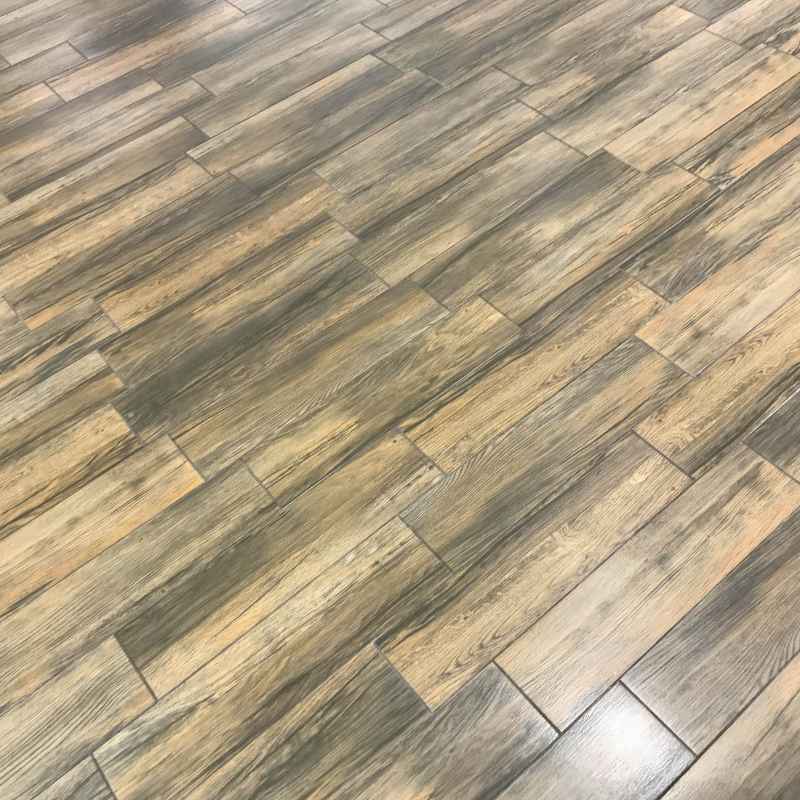
Mimicking Natural Beauty: Wood Looks
The most popular laminate style mimics real wood floors. This is for good reason. Wood floors add warmth and charm.
Laminate can do this without the high cost. You can find it in many wood species. Oak, maple, walnut, and cherry are common.
Each offers a different feel.
Oak styles can range from light and airy to dark and rich. Maple offers a clean, modern look. Walnut gives a sense of luxury.
Cherry can bring a warm, traditional vibe. The grain patterns are printed. Modern printing technology is very realistic.
You can even find styles with knots and texture.
Wide planks are very trendy right now. They make a room feel bigger. They also give a more modern feel.
Narrower planks can offer a classic look. Think about the width that fits your room best. The finish also makes a big difference.
A matte finish looks more natural. A high-gloss finish can look very modern but show scratches more.
Wood Style Considerations
Type of Wood: Oak, Maple, Walnut, Cherry, Hickory, Pine.
Plank Width: Narrow (3-5 inches), Medium (6-7 inches), Wide (8+ inches).
Color: Light, medium, dark, gray-toned, white-washed.
Texture: Smooth, brushed, hand-scraped.
Finish: Matte, satin, high-gloss.
Stone and Tile Looks
Laminate isn’t just for wood. It can also copy stone and tile. Think of the look of slate, granite, or marble.
Laminate can give you that style. It’s often much easier to install. It’s also warmer underfoot than real tile.
And it’s usually less expensive.
Slate styles can offer a rustic, natural feel. They often have varied colors. This hides dirt well.
Granite looks can be bold and elegant. Marble styles bring a touch of class. You can even find laminate that looks like ceramic or porcelain tiles.
Some have grout lines printed on them.
These styles are great for kitchens and bathrooms. They offer a waterproof option sometimes. Check the product details carefully.
This gives you the look you want. But with easier upkeep. Stone and tile can be cold.
Laminate is a warmer choice.
Stone & Tile Style Tips
Natural Stone Looks: Slate, Travertine, Limestone.
Engineered Stone Looks: Granite, Marble.
Tile Looks: Ceramic, Porcelain, Terracotta.
Size: Mimics square tiles or rectangular stone slabs.
Grout Lines: Some styles have realistic printed grout lines.
Unique and Modern Designs
Beyond wood and stone, laminate offers more. You can find abstract patterns. You might find concrete looks.
Some styles mimic painted wood. These can be great for a modern or eclectic home. They add a unique touch.
They allow you to express your personal style.
Consider a gray-washed wood look. This is very popular for a contemporary feel. Or perhaps a white-washed finish for a coastal vibe.
Some laminate even has metallic hints. These can add a touch of glam. The choices are almost endless.
You can find something that truly stands out.
The Real Cost of Laminate Flooring
Price is a major factor for many. Laminate flooring is often seen as budget-friendly. This is generally true.
But the cost can vary a lot. It depends on the quality and brand. It also depends on the style you choose.
Material Costs
Basic laminate flooring can start quite low. You might find options for under $1 per square foot. These are good for low-traffic areas.
They might not be as durable. Higher-quality laminate can cost $2 to $7 per square foot. This higher price usually means better durability.
It also means a more realistic look and feel.
Brands also play a role. Well-known brands often cost more. But they may offer better warranties.
They might also have more advanced features. Look for terms like AC ratings. AC (Abrasion Criteria) ratings show durability.
AC3 is good for most homes. AC4 and AC5 are for high-traffic areas. They cost more but last longer.
Understanding AC Ratings
AC1 (Light Residential): Least durable. For closets or bedrooms with little traffic.
AC2 (General Residential): For normal home use. Most bedrooms and living areas.
AC3 (Moderate to Heavy Residential): Good for all home areas, including high-traffic zones like hallways and kitchens.
AC4 (Heavy Residential / Light Commercial): Very durable. Suitable for busy homes and small businesses.
AC5 (Heavy Commercial): The most durable. For very busy public spaces and heavy home traffic.
Installation Costs
Do you plan to install it yourself? That saves a lot of money. Laminate is designed to be DIY-friendly.
It often uses a click-lock system. This means planks snap together. No glue or nails are typically needed.
This makes installation faster and cleaner.
If you hire a professional, expect to pay more. Installation costs can range from $2 to $5 per square foot. This adds to the total project cost.
So, a $3 per square foot floor could end up costing $5 to $8 per square foot installed. Always get multiple quotes from installers.
Remember to factor in underlayment. Most laminate needs a layer underneath. This adds cushioning.
It helps with moisture. It also blocks sound. Underlayment costs are usually $0.20 to $1 per square foot.
This is a small cost for big benefits.
Hidden Costs
Don’t forget other potential costs. You might need new baseboards. You might need transition strips for doorways.
You might need to remove old flooring. This can add labor costs. Always ask installers what’s included.
Get a clear, written estimate.
Moving furniture can also be a hassle. You might need to pay for temporary storage. These small things add up.
Planning ahead helps avoid surprises. Calculate your total budget. Include a little extra for unexpected needs.
An Honest Review: The Pros and Cons of Laminate
No flooring is perfect. Laminate has many great points. But it also has some drawbacks.
Knowing these helps you make the best choice. Let’s look at the good and the not-so-good.
The Upsides: Why People Love Laminate
Affordability: This is a big one. Laminate is often cheaper than hardwood or real tile. You get a similar look for less money.
This frees up budget for other home projects.
Durability: High-quality laminate is tough. The top layer is very hard. It resists scratches and dents well.
This makes it ideal for homes with kids and pets. It holds up to daily wear and tear better than some natural materials.
Ease of Installation: The click-lock system makes it easy to install. Many homeowners tackle it themselves. This saves on labor costs.
It’s also a less messy installation. No glue or nails mean faster cleanup.
Style Variety: As we saw, the options are vast. You can mimic almost any look. Wood, stone, tile – it’s all available.
This gives you a lot of design freedom.
Low Maintenance: Cleaning laminate is simple. A broom or a damp mop is usually enough. You don’t need special cleaners.
This saves time and effort.
Quick Laminate Wins
Budget-Friendly: Great value for the look.
Tough Surface: Resists scratches and fading.
DIY-Ready: Easy click-lock installation.
Endless Styles: Mimics natural materials beautifully.
Simple Cleaning: Just sweep or damp mop.
The Downsides: What to Watch Out For
Water Damage: This is the biggest concern. Most laminate is not waterproof. Spills can seep into the seams.
This can cause the planks to swell or warp. It can lead to permanent damage. Special “water-resistant” or “waterproof” laminates exist.
But they cost more. Always check the product specifics.
Cannot Be Refinished: Unlike hardwood, you can’t sand and refinish laminate. If it gets deeply scratched or damaged, you have to replace the affected planks. For major damage, you might need to replace a whole section or room.
Can Be Noisy: Without good underlayment, laminate can sound hollow. You might hear a clicking noise when you walk. This is especially true on a hard subfloor.
Good underlayment helps reduce this. But some noise can still be present.
Feels Less Authentic: Even the best laminate has a certain feel. Some people can tell it’s not real wood or stone. The printed grain might repeat.
The “hand-scraped” texture can feel uniform. This is subjective, but important to some.
Environmental Concerns: Laminate is made of synthetic materials. It often uses chemicals in its manufacturing. While many are safe once installed, the production process has an impact.
Some people prefer natural materials.
Real-World Context: Where Laminate Shines (and Where It Doesn’t)
Understanding where laminate works best is crucial. It’s not a one-size-fits-all solution. Let’s look at common areas in a home.
The Living Room: A Good Fit
Living rooms see a lot of foot traffic. They host family gatherings and movie nights. Laminate floors can handle this well.
The wide plank styles look very attractive here. They can make the space feel open and inviting. A moderate AC rating (AC3) is usually sufficient.
The durability is a big plus.
Habits: Kids playing, pets running, furniture being moved. Laminate holds up to these. The scratch resistance is key.
Design: Many wood looks complement living room decor. From modern grays to classic oaks. User Behavior: Easy to clean after parties or spills from snacks.
The Kitchen: Proceed with Caution
Kitchens are high-traffic areas. They also involve water. Spills from cooking are common.
Dropped glasses can happen. This is where water resistance becomes important. If you choose laminate for the kitchen, look for waterproof options.
Or be very diligent about wiping up spills immediately. Older laminate types can swell and warp from moisture.
Environment: High moisture potential from sinks, spills, and cooking. Habits: Dropping utensils, cooking splatters, cleaning. Design or Materials: Look for water-resistant or waterproof core layers.
The Bathroom: Generally Not Recommended
Bathrooms are the wettest rooms in the house. Constant moisture, steam, and water splashes. Even “water-resistant” laminate might struggle here.
Water can seep into the seams. This causes the core to break down. Real tile or luxury vinyl plank (LVP) are better choices for bathrooms.
User Behavior: High exposure to direct water, steam, and humidity.
Bedrooms: A Comfortable Choice
Bedrooms are typically low-traffic areas. They are generally dry. Laminate floors are a great fit here.
They offer a warm, comfortable feel. They are also easy to maintain. You can choose a more decorative style.
Or stick with a classic wood look.
Environment: Low traffic, dry conditions. Habits: Mostly walking and relaxing. Furniture is usually stationary.
Hallways and Entryways: Durability Matters
Hallways and entryways are high-traffic zones. They see dirt and debris tracked in from outside. This is where a higher AC rating (AC4 or AC5) is beneficial.
You want a floor that resists scratches and wear. The ease of cleaning is also a huge advantage here. A quick sweep keeps them looking good.
Environment: High traffic, potential for dirt and grit.
Laminate: Where It Works Best
Excellent For: Living rooms, dining rooms, bedrooms, home offices.
Good For (with caution/waterproof): Kitchens, hallways, entryways.
Not Recommended For: Bathrooms, laundry rooms, basements prone to flooding.
What This Means For Your Dream Home
So, what does all this tell you about laminate for your dream home? It means careful consideration is needed. Laminate is a strong contender for many areas.
Its affordability and style variety are huge draws.
When Laminate is a Great Choice
If your budget is tight, laminate is excellent. If you want a specific wood or stone look without the high cost, it’s a winner. For homes with kids and pets, the durability is a major plus.
If you are a DIYer, the easy installation saves you money and time.
Think about rooms where moisture isn’t a constant issue. Living rooms, bedrooms, and dining rooms are prime spots. You can achieve a beautiful, high-end look.
You can do it without breaking the bank. The ease of maintenance is also a huge benefit for busy families.
When to Look Elsewhere
If your heart is set on a truly authentic wood feel, laminate might disappoint. If you plan on major renovations that involve flooding, avoid laminate. Bathrooms and laundry rooms are usually better suited for waterproof materials like tile or LVP.
If you want floors you can refinish down the line, laminate is not the answer.
Consider your lifestyle. If you have very active pets that scratch furniture, they might scratch laminate too. If you are prone to spills and don’t clean them up fast, damage can occur.
Weigh these factors honestly. Your dream home deserves the right materials.
Quick Fixes & Tips for Laminate Floors
While you can’t refinish laminate, some things can help keep it looking good. And some tips can prevent common issues.
- Use Doormats: Place mats at all entryways. This catches dirt and grit before it reaches your floors. It dramatically reduces scratches.
- Clean Spills Fast: Never let liquid sit on laminate. Wipe up spills immediately with a soft cloth.
- Use Soft-Tread Furniture Pads: Put felt pads on the legs of all furniture. This prevents scratches when you move chairs or tables. Check them often for debris.
- Avoid Steam Mops: Steam can damage the core of laminate. It can force moisture into the seams. Stick to a slightly damp mop.
- Sweep or Vacuum Regularly: Daily sweeping or vacuuming removes dust and grit. This prevents it from scratching the surface over time. Use a vacuum with a hard floor attachment.
- Use pH-Neutral Cleaners: If you need a cleaner, choose one made for laminate floors. Avoid harsh chemicals or abrasive cleaners.
Laminate Care Checklist
Regular Cleaning: Sweep or vacuum 3-4 times a week.
Damp Mopping: Mop with a slightly damp mop once a week or as needed.
Spill Control: Wipe up spills within minutes.
Furniture Protection: Add felt pads to all furniture legs.
Entryway Mats: Use mats at all exterior doors.
Avoid Harsh Chemicals: Use only laminate-specific cleaners.
No Steam Mops: Never use a steam cleaner on laminate.
Frequently Asked Questions About Laminate Flooring
Is laminate flooring good for kitchens?
Laminate can be used in kitchens, but it’s best to choose water-resistant or waterproof options. Be sure to clean up spills immediately, as standing water can damage the core and cause swelling or warping over time. For very wet environments, tile or luxury vinyl plank might be a safer choice.
Can you install laminate flooring over existing tile?
Yes, you can often install laminate over existing tile. The tile floor must be smooth, level, and structurally sound. You may need a leveling compound if there are significant grout lines.
Always check the laminate manufacturer’s instructions for specific requirements.
How long does laminate flooring typically last?
The lifespan of laminate flooring varies greatly. A high-quality, well-maintained laminate floor in a moderate-traffic area can last 10 to 20 years or even longer. In high-traffic areas or with less care, it might last 5 to 10 years.
The AC rating is a good indicator of durability.
Is laminate flooring really waterproof?
Standard laminate flooring is not waterproof; it is usually water-resistant to some degree. However, there are now many “waterproof” laminate options available. These often have a special core material and a more sealed locking system.
It’s crucial to read product specifications carefully to confirm its water performance.
Can laminate flooring be repaired?
Minor scratches on the surface can sometimes be touched up with repair kits or markers. If a plank is deeply damaged or warped, it typically needs to be replaced. Laminate cannot be sanded and refinished like hardwood, so significant damage means replacing the affected pieces.
Does laminate flooring feel cold like tile?
Laminate flooring is generally warmer underfoot than ceramic or porcelain tile. This is because it has a core layer that offers some insulation. It’s not as warm as carpet or thick hardwood, but it’s usually comfortable for most rooms.
Using a good quality underlayment can further improve its warmth and comfort.
Choosing Your Dream Laminate Floors
Selecting flooring for your dream home is exciting. Laminate offers a fantastic balance. It brings style, durability, and affordability together.
Consider the specific styles that speak to you. Think about the costs involved. And be honest about the pros and cons for your lifestyle.
With the right choices, laminate can be a beautiful, long-lasting part of your home. It helps create the look you love. It stands up to daily life.
Make an informed decision. Enjoy your beautiful new floors!