Do I Need Screws With Wood Glue? What Testing Shows
You don’t strictly need screws with wood glue for every joint — but for butt joints, end-grain connections, or anything load-bearing, screws are what actually hold the joint together while glue’s rated strength mostly applies to long-grain surface contact. Below is real Titebond/Gorilla technical data plus an independent physical joint-strength test, so you can decide by joint type instead of guessing.
Quick Answer
Screws are necessary when a joint has little long-grain surface area (butt joints, end grain, plywood edges) or must carry ongoing structural load. Glue alone is usually enough for long-grain-to-long-grain joints (edge-glued panels, most mortise-and-tenon and dowel joints) where there’s generous surface contact. For anything you may need to disassemble later, use screws only — skip the glue.
How Wood Glue and Screws Each Do Their Job
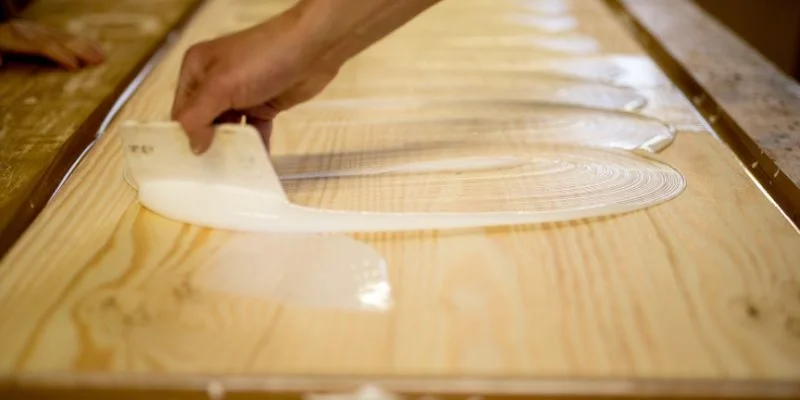
Wood glue bonds by soaking into open wood fibers and hardening inside them, which is why it needs a porous, tight-fitting, long-grain surface to work well – PVA glue (standard yellow glue) dries clear and suits most indoor work, polyurethane glue expands as it cures and resists water for outdoor joints, and epoxy bridges small gaps a tight glue joint can’t. Screws add mechanical clamping force while glue cures, and keep holding load afterward regardless of how much surface area the joint has – which matters most exactly where glue alone struggles: butt joints, end grain, and plywood edges.
Real Joint Strength Data: What Titebond And Independent Tests Show
Manufacturer shear-strength numbers and real-world joint tests tell two different stories, and both matter for this decision.
Per Franklin International’s own technical data sheets (ASTM D-905 hard maple block shear test), Titebond Original rates at roughly 3,600 psi shear strength at room temperature, Titebond II at about 1,750 psi, and Titebond III at around 4,000 psi. Gorilla Wood Glue (PVA formula) is rated at approximately 2,000 psi. On paper, that’s stronger than the wood fibers themselves — but those numbers assume a full, flat, long-grain glue surface.
That’s where Matthias Wandel’s independent joint-strength testing at woodgears.ca is useful. He physically broke pocket-hole joints on a test rig: four joints with no glue at all failed at an average of 99 pounds of force. When he re-ran the test with glue added to the pocket-hole joints, the average only rose to 111 pounds — about a 12% gain. Plain butt joints with no screws at all (glue only) failed at just 35 to 50 pounds.
The takeaway: glue’s high PSI rating is a real number, but it only pays off on joints with generous long-grain surface contact (edge joints, dowels, mortise-and-tenon). On low-surface-area joints like butt joints or pocket holes, the screw is doing most of the actual structural work, and adding glue on top gives a comparatively small boost.
“Glue doesn’t make these pocket hole joints stronger.”
Matthias Wandel, woodgears.ca joint-strength testing
Which Joint Type Actually Needs Screws?
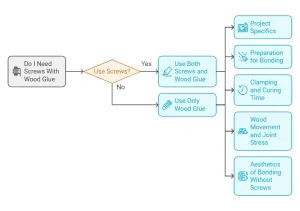
Use the joint type, not a general rule, to decide:
- Butt joints and end grain: Low surface area and poor glue absorption in end grain — always add screws.
- Long-grain edge joints (panel glue-ups): Large flat surface contact — glue alone typically exceeds the wood’s own strength.
- Pocket holes: Screws carry the load; glue adds only a small margin, per the test data above.
- Dowel and mortise-and-tenon joints: Glue alone is usually sufficient; screws are optional reinforcement for high-stress furniture.
- Anything you may disassemble later: Use screws only — glue is permanent, screws aren’t.
Applying Both Together
When a joint calls for both, prep matters more than the glue itself: clean and dry surfaces, pre-drill pilot holes so screws don’t split the wood, spread glue evenly to avoid excess squeeze-out, and clamp while it cures. Initial set takes about 30 minutes; full cure runs up to 24 hours, so avoid loading the joint before then. This combination handles wood movement from humidity and temperature swings better than glue alone, since the screws keep resisting pull-apart stress even as the wood expands and contracts seasonally.
The tradeoff is appearance – screws leave visible holes a glue-only joint doesn’t, which matters most on furniture with a polished, exposed finish. For those pieces, favor long-grain joints (dowels, mortise-and-tenon) that don’t need screws at all, and save screws for structural joints hidden from view.

Recommended Wood Glue For Screw-and-Glue Joints
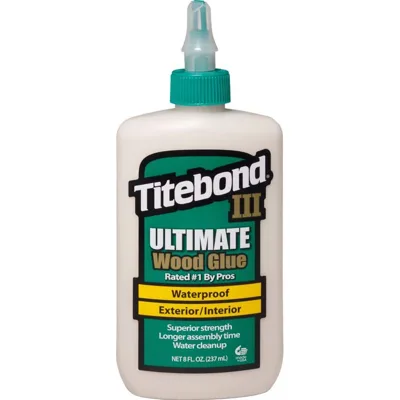
Titebond III Ultimate Wood Glue
Rated 4,000 psi shear strength (ASTM D-905), waterproof Type I bond — the 8oz size runs about $7.49 at retail.
Check Price on AmazonFrequently Asked Questions
Do I Need Screws With Wood Glue?
It depends on the joint. Butt joints, end grain, and pocket holes need screws because they don’t have enough long-grain surface area for glue alone to hold under stress. Long-grain edge joints and most dowel or mortise-and-tenon joints can rely on glue alone, since a properly glued long-grain joint often exceeds the strength of the surrounding wood.
Can Wood Glue Replace Screws?
On long-grain joints, yes — glue can fully replace screws. On butt joints or end grain, no: independent testing shows plain glued butt joints (no screws) failing at just 35-50 pounds of force, far below a screwed joint.
When Should I Use Screws Instead Of Glue?
Use screws when additional strength is needed, particularly in load-bearing joints or butt joints. Screws are also preferable in areas subject to movement or stress, and they allow for easier disassembly if repairs are necessary in the future.
How Long Does Wood Glue Take To Set?
Wood glue typically takes about 30 minutes to set initially. However, full curing can take up to 24 hours. For best results, avoid stress on the joint during this time. Always check the manufacturer’s instructions for specific setting times.
Do Butt Joints Need Screws With Wood Glue?
Yes. Butt joints have very little long-grain surface area, so glue alone is weak here — independent testing found plain glued butt joints failing at only 35-50 pounds of force. Add screws (or better, pocket-hole screws) to any butt joint that will bear real weight.
Conclusion
Whether you need screws with wood glue comes down to joint type: butt joints, end grain, and pocket holes need the mechanical support of screws, while long-grain edge joints and well-fitted dowel or mortise-and-tenon joints can rely on glue alone. When in doubt on a stressed or load-bearing project, combine both — the small extra effort is worth the added durability.
Sponsored / affiliate links. As an Amazon Associate I earn from qualifying purchases. I may earn additional commission from eligible campaigns.