Delta Radial Arm Saw Parts: Where to Find Replacements
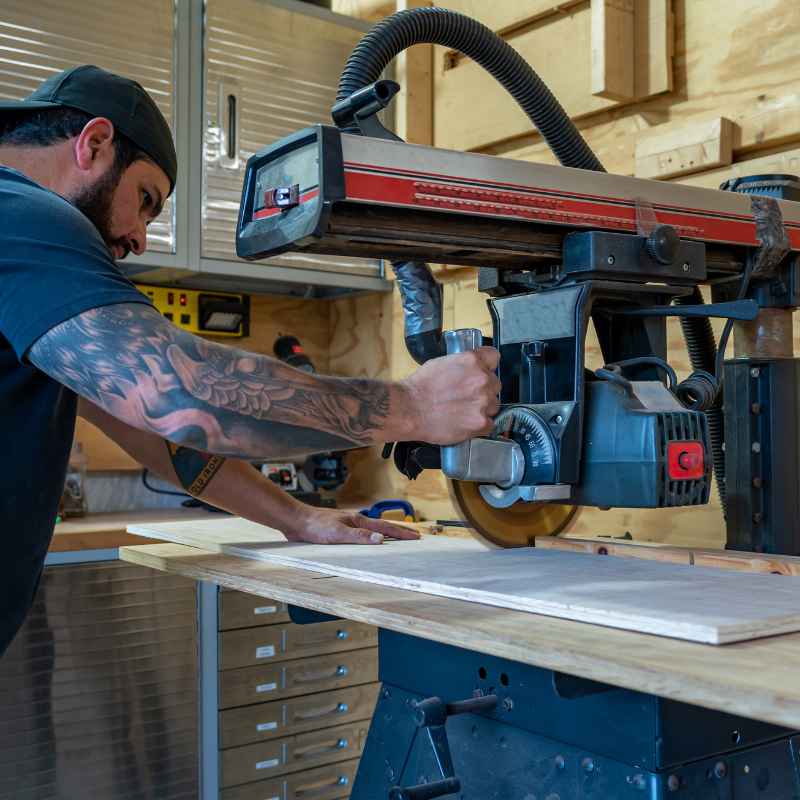
Oh, the trusty Delta radial arm saw. For many of us, it’s been a cornerstone in the workshop for years. It’s the tool that helps us make those perfect cuts for furniture, home projects, or even serious woodworking. But then, something happens. A critical part wears out, breaks, or gets lost.
Suddenly, this reliable workhorse is sitting idle, and that familiar frustration starts to creep in. Where do you even begin to find replacement parts for a tool that’s been around the block a few times? It feels like a puzzle, doesn’t it? You just want to get back to creating, not hunting for obscure components.
This guide is here to cut through that confusion. We’ll walk through the common issues people face with Delta radial arm saws and, more importantly, show you exactly where and how to find the parts you need. Think of this as your friendly roadmap to getting your saw back in action, so you can focus on what you do best – building.
Finding Delta radial arm saw parts involves checking specialized dealers, online marketplaces, and contacting manufacturers or their authorized repair centers. Often, older parts can be found used or refurbished. Understanding your saw’s model number is key to locating the correct replacement for common issues like worn bearings, blades, or power switches.
Understanding Your Delta Radial Arm Saw Parts Needs
Best Replacement Blade Pick
 |
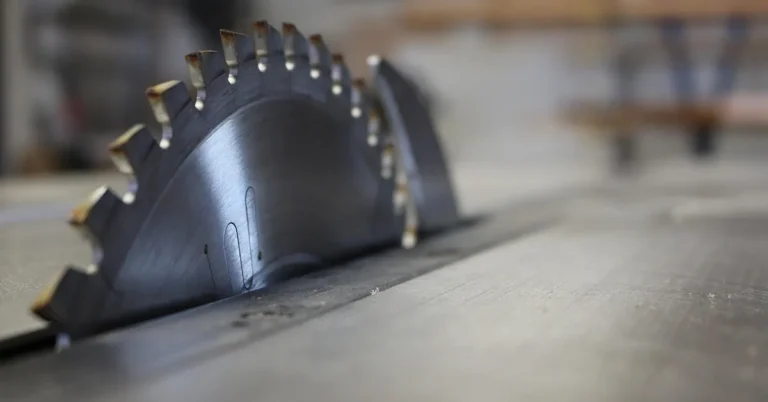
DEWALT 10" 40-Tooth Carbide Saw Blade (DWA11040) A fresh, sharp blade is the cheapest upgrade you can make to an older Delta radial arm saw — fits standard 5/8" arbors.
|
Delta radial arm saws are legendary for their versatility. They can rip, crosscut, dado, and more. But like any machine, parts can wear out. Knowing which part you need is the first step. Common culprits include the blade arbor, motor brushes, power switch, bearings, and the various knobs and handles that control its movement. Sometimes, it’s a safety feature like a guard component that’s missing or broken. Even small things like a missing depth stop adjustment screw can halt your work.
The specific model of your Delta radial arm saw is incredibly important. Delta has made many variations over the decades. You’ll often find model numbers like 34-360, 34-450, or even older ones starting with a “10” or “12”. This number is usually on a plate attached to the saw’s body or motor housing. Having this number ready will save you a lot of time when searching for parts. It tells you the size of the saw (e.g., 10-inch blade capacity) and its specific features.
Before you even start looking, take a good, hard look at the part you need. Can you identify it? Is there a part number visible on it? Sometimes, a clear photo can help when you contact a supplier. Also, consider the age of your saw. Very old models might have parts that are harder to find new. This is where looking for used or refurbished parts becomes a smart option.
My Own Brush With a Stubborn Part
I remember a few years back. I was in the middle of building a rather complex set of built-in bookshelves. My beloved Delta shop saw, a model I’d inherited from my dad, was my go-to for all the precise cuts. One afternoon, while making a rip cut, the main height adjustment wheel felt… loose.
Not just a little loose, but dangerously wobbly. My heart sank. The whole project relied on accurate depth control. Panic set in, but I took a deep breath. I knew I had to fix it. I found the model number, which was an older designation I barely recognized, and started searching online. For days, I found nothing. Just dead ends. Then, I stumbled onto a forum where someone mentioned contacting Delta directly, even for older models. It felt like a long shot, but I tried.
And guess what? They didn’t have the exact part, but they pointed me to an authorized service center that had a warehouse of older inventory. It took a few weeks, but I got the right part and finished the shelves. That feeling of relief was immense.
Common Delta Radial Arm Saw Part Searches
- Motor Brushes: These wear down over time and cause the motor to run weak or stop.
- Blade Arbor Nut/Washer: Essential for securing the blade. Can get lost or corroded.
- Power Switch: A frequent point of failure due to repeated use.
- Carriage Lock Lever: If this breaks, you lose precise control of the saw head.
- Depth Stop Adjustment: Crucial for repeated cuts at the same depth.
- Belts: Although less common on direct-drive models, some might have them.
Where to Find Delta Radial Arm Saw Parts
So, where do you actually go to find these elusive parts? It’s not like you can just pop into your local hardware store and ask for a specific Delta radial arm saw component. You need to know the right places to look.
Specialized Power Tool Parts Dealers
These are your go-to experts. Many businesses specialize in selling replacement parts for all sorts of power tools, including brands like Delta. They often have extensive catalogs and knowledgeable staff who can help you identify the part you need, even if you only have a description or a photo.
When you contact them, have your saw’s model number ready. The more specific you are, the faster they can help. Some of these dealers also have online stores, which makes searching much easier. They might carry new old stock, aftermarket parts, or even refurbished components.
Online Marketplaces and Forums
Websites like eBay can be goldmines for older or hard-to-find parts. You’ll find individuals selling parts from dismantled saws, as well as small businesses that specialize in used tools and parts. It’s a bit of a treasure hunt, but you can often find exactly what you’re looking for at a good price.
Don’t underestimate the power of online woodworking forums and Facebook groups dedicated to Delta tools or radial arm saws in general. People in these communities often have spare parts lying around, or they know exactly where to point you. Many experienced woodworkers are happy to share their knowledge and resources. Asking a question there can lead to a direct contact who has the part you need.
Contacting Delta or Authorized Service Centers
Even though Delta has gone through ownership changes, parts are still available. Your first stop might be the official Delta website. They usually have a support or parts section. Even if your model is older, they might keep a database of parts or be able to direct you to an authorized service center.
Authorized service centers are often the best bet for genuine parts. They work directly with the manufacturer and have access to official schematics and parts lists. They can be incredibly helpful in identifying the correct part number and ordering it for you. It might be a bit more expensive than an aftermarket option, but you get the assurance of a genuine fit and quality.
Used and Refurbished Parts Options
For older saws, finding brand-new parts can be tough. This is where used and refurbished parts shine. Many small shops and individuals specialize in taking apart old tools, cleaning and testing components, and selling them. These parts can be significantly cheaper than new ones.
When buying used, try to buy from sellers with good reviews. Ask about the condition of the part and if it was tested. Refurbished parts often come with a guarantee, giving you more peace of mind. It’s a great way to keep an older, beloved tool running for years to come without breaking the bank.
Quick-Scan: Part Finding Checklist
| Resource | Pros | Cons |
|---|---|---|
| Specialized Dealers | Expert help, wide selection, sometimes new old stock. | Can be pricier than other options. |
| Online Marketplaces (eBay) | Great for used/rare parts, competitive pricing. | Requires careful seller vetting, part condition varies. |
| Forums/Groups | Community help, direct connections, free advice. | Finding the exact part might take time and luck. |
| Delta/Service Centers | Genuine parts, accurate part numbers, official support. | Often the most expensive option. |
Common Replacement Parts and Their Issues
Let’s break down some of the most commonly needed parts and what issues they might have. Knowing this can help you spot a problem before it becomes a disaster.
Motor Brushes
These small carbon blocks make contact with the motor’s commutator to deliver electricity. Over time, they wear down. Signs of worn brushes include a motor that runs weak, sparks excessively, or stops altogether. Replacing them is usually straightforward. You’ll often find them in pairs. Always disconnect power before attempting this. It’s a common maintenance item for many electric motors.
Blade Arbor and Nuts
The arbor is the shaft that the blade mounts onto. The arbor nut and washer hold the blade in place. These can become damaged if a blade is overtightened, cross-threaded, or if the saw has been dropped. A damaged arbor can cause the blade to run out of true, leading to poor cuts and vibration. The nut can also strip or become lost. Always ensure the blade is mounted correctly and tightened with the proper wrench.
Power Switch Issues
The on/off switch sees a lot of action. Dust, moisture, and repeated use can cause it to fail. Symptoms include the saw not turning on at all, or it turning on intermittently. Sometimes, the switch might not turn off properly. Replacing a power switch usually involves some basic electrical work, so if you’re not comfortable with that, it’s best to call a professional or get guidance from an experienced friend.
Carriage and Fence Components
The parts that allow the saw head to move along the carriage, and the fence that guides your work, can also wear. This includes things like plastic gibs, locking levers, and adjustment screws. If your saw head feels loose, or if the fence doesn’t lock securely, these components might be the issue. A loose carriage can lead to inaccurate cuts and safety hazards.
Part Identification Tip
Tip: Take clear, well-lit photos of the part you need from multiple angles. Include a ruler or common object in the photo for scale. This can be incredibly helpful when communicating with parts suppliers or asking for advice on forums.
Real-World Context: Why Parts Fail
Several factors contribute to parts wearing out on a Delta radial arm saw. Understanding these can help you prolong the life of your tool.
Environment and Storage
Where you keep your saw matters a lot. A damp garage can lead to rust on metal parts, and can cause electrical components to degrade faster. Extreme temperature changes can also affect plastics and lubricants. If possible, store your saw in a dry, temperature-controlled environment. Covering it can also protect it from dust and moisture.
Usage Habits
How you use your saw plays a huge role. Forcing cuts, using dull blades, or overloading the motor will put extra stress on its components. Regularly cleaning dust buildup, especially around moving parts like the carriage and motor housing, is crucial. This dust can jam mechanisms or wear down surfaces prematurely.
Design and Materials of Older Saws
Let’s be honest, some older Delta saws were built like tanks. However, materials and manufacturing processes were different. You might find parts made from older types of plastic or metal alloys that are more prone to cracking or wearing than modern equivalents. This is often why specific parts for very old models are hard to find. They simply didn’t anticipate them needing replacement after 40 or 50 years of heavy use.
User Error and Maintenance Gaps
Sometimes, parts fail because of simple user error or a lack of basic maintenance. Not tightening the blade properly, overtightening adjustment knobs, or failing to lubricate moving parts can all lead to premature wear or breakage. Regular checks of critical components, like the carriage lock and the blade arbor, can prevent small issues from becoming big problems.
Contrast Matrix: Normal Wear vs. Problematic Failure
| Normal Wear | Problematic Failure |
|---|---|
| Slight sheen on motor brushes, gradual reduction in motor power over years. | Motor stops suddenly, excessive sparking, or smoke from brushes. |
| Minor dust accumulation on carriage ways. | Carriage sticks, moves unevenly, or locks up unexpectedly. |
| Blade arbor nut shows minor tool marks from tightening. | Arbor threads are stripped, nut won’t tighten, or arbor is bent. |
| Power switch feels slightly less crisp after many years. | Saw won’t turn on, or won’t turn off. Intermittent power. |
What This Means for You: When to Worry
It’s important to distinguish between normal wear and tear that requires maintenance and a part failure that poses a safety risk or makes the tool unusable. Knowing this distinction helps you decide when to act.
When It’s Normal Wear
Minor dust buildup, a slight gloss on motor brushes, or a power switch that feels a little less responsive after years of use are all normal. These are indicators that maintenance might be due soon. For example, if your motor seems a bit weaker, it’s probably time to check and maybe replace the motor brushes. This is part of owning and operating a machine.
When to Worry
You should worry if you notice any of these: sudden loss of power, unusual noises like grinding or loud clunking, excessive vibration that wasn’t there before, or if safety mechanisms are compromised. If a critical part, like the carriage lock or blade guard support, breaks, stop using the saw immediately. These are signs that the tool is no longer safe to operate and needs prompt repair with the correct parts.
Simple Checks You Can Do
Before searching for parts, do a quick visual inspection. Unplug the saw! Check for loose bolts, damaged cords, or obvious cracks in plastic components. Wiggle the main parts—the blade, the carriage, the arm—to feel for excessive play. Listen to the motor when you turn it on (if it still runs). Any strange sounds are a red flag.
Checking the user manual, if you still have it, can also be very helpful. It often has diagrams showing the location of key parts and explains basic maintenance procedures. Sometimes, a problem might be something simple like a misadjusted component rather than a broken part.
Quick Fixes and Tips for Longevity
While this article focuses on finding parts, a few tips can help you avoid needing them as often.
Regular Cleaning is Key
Sawdust is the enemy of precision machinery. Make it a habit to thoroughly clean your Delta radial arm saw after each use. Use compressed air, a soft brush, and a shop vacuum to remove dust from the motor housing, carriage tracks, and control mechanisms. This prevents buildup that can jam parts or cause premature wear.
Use Sharp Blades
A dull blade requires more force to cut, which puts unnecessary strain on the motor and arbor. It also leads to rougher cuts and can cause kickback. Invest in good quality blades and have them sharpened regularly. This is one of the easiest ways to improve performance and reduce wear on your saw.
Lubricate Moving Parts
Refer to your owner’s manual for specific lubrication points. Generally, the carriage tracks and any pivot points benefit from a light application of grease or oil. This ensures smooth operation and prevents wear. Don’t over-lubricate, as this can attract dust.
Proper Storage
As mentioned before, store your saw in a dry place. If possible, keep it covered to protect it from dust and moisture. If you move the saw, ensure all locking mechanisms are engaged to prevent damage during transit.
Quick Maintenance Reminders
- Clean After Use: Dust is your enemy.
- Sharp Blades: Less force, better cuts, less wear.
- Lubricate: Keep moving parts smooth.
- Check Connections: Ensure bolts and screws are snug.
- Inspect Cords: Look for fraying or damage.
Frequently Asked Questions About Delta Radial Arm Saw Parts
What is the most common Delta radial arm saw part that needs replacement?
The most common parts to need replacement are drive belts, motor brushes, and the blade guard’s anti-kickback pawls, since these wear out from regular friction and use faster than the saw’s metal components.
Can I use aftermarket parts for my Delta radial arm saw?
Yes, aftermarket parts are often available for Delta radial arm saws, especially for more common models. While they can be a more affordable option, it’s crucial to ensure the aftermarket part is compatible with your specific saw model and meets safety standards. Genuine parts are always recommended for best fit and performance, but quality aftermarket options can be a good alternative.
How do I find the model number of my Delta radial arm saw?
The model number is typically found on a metal plate or sticker attached to the main body, motor housing, or the arm assembly of the saw. It will usually start with “34-” or an older designation. Writing down this number before you start searching for parts is essential for accurate identification.
What should I do if I can’t find a specific part for my older Delta saw?
If a new part is unavailable, explore options for used or refurbished parts from specialized dealers or online marketplaces like eBay. Woodworking forums and groups dedicated to Delta tools are also excellent places to ask; community members often have spare parts or know where to find them. Sometimes, a local machine shop can even fabricate a replacement part if you have the original for reference.
Are there any safety concerns when replacing parts on a radial arm saw?
Absolutely. Always disconnect the power to the saw before attempting any part replacement, and never bypass a safety guard or anti-kickback device to make a repair easier. Any guard or pawl part should be replaced with a genuine or equivalent part, not left off.
How can I tell if the motor brushes need replacing?
Signs that motor brushes need replacing include the motor running weaker than usual, excessive sparking from the motor housing (beyond normal small sparks), or the motor stopping intermittently or altogether. If you notice these symptoms, especially after a period of heavy use, checking the motor brushes is a good first step. They are consumable parts designed to wear out.
Conclusion
Finding the right parts for your Delta radial arm saw might seem daunting at first, but with the right approach, it’s a manageable task. Armed with your saw’s model number and this guide, you can navigate the world of specialized dealers, online marketplaces, and community resources. Keep your saw clean, well-maintained, and use it wisely to minimize the need for replacements. Getting your Delta back to full working order is totally achievable, letting you get back to the satisfaction of creating.
Sponsored / affiliate links. As an Amazon Associate I earn from qualifying purchases. I may earn additional commission from eligible campaigns.