Fire Pit On Wood Deck Ideas: Essential Safety
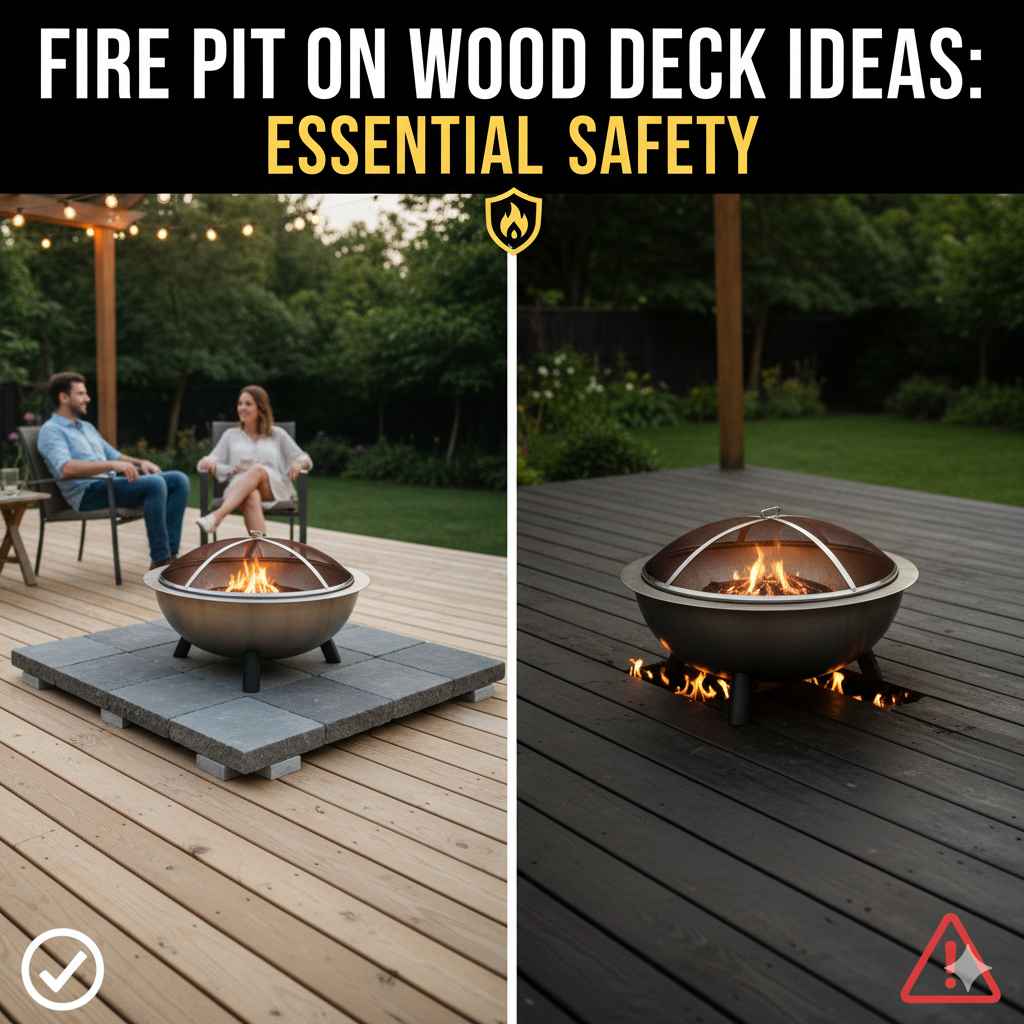
Placing a fire pit on a wood deck requires essential safety precautions. Always use a fire-resistant barrier, maintain safe distances, choose a suitable fire pit, and never leave a fire unattended. Follow these steps to enjoy your deck safely.
Hello there! I’m Md Meraj, your guide to making your home projects both beautiful and safe. Dreaming of cozy evenings by a crackling fire on your beautiful wood deck? It’s a wonderful image, but the thought of a fire pit so close to wood can feel a bit daunting, right? You want that perfect ambiance without the worry of a potential hazard. It’s a common concern for many homeowners, and honestly, it’s a smart one to have! The good news is, with a little planning and the right approach, you can absolutely have a safe and enjoyable fire feature on your deck.
We’re going to walk through everything you need to know, step by simple step, to make sure your deck fire pit dreams become a safe reality. Get ready to learn how to relax by the fire with complete peace of mind!
Why Safety is Paramount for Deck Fire Pits
Wood decks are beautiful, adding warmth and an inviting outdoor living space to your home. However, wood is inherently combustible. Introducing an open flame or concentrated heat, like that from a fire pit, directly onto or too close to a wooden structure requires careful consideration. The risks are significant: uncontrolled flames can ignite the wood, potentially spreading quickly and causing extensive damage to your deck, home, and surrounding property. High heat alone can also scorch or smolder the wood over time, compromising its structural integrity. Understanding these risks isn’t about scaring you; it’s about empowering you with the knowledge to make informed decisions and implement necessary safety measures. Our goal here is to enjoy the warmth and ambiance of a fire pit responsibly, ensuring your deck remains a safe haven for gatherings, not a fire hazard.
Understanding the Risks: Heat, Sparks, and Proximity
Before we even think about choosing a fire pit, let’s talk about why this needs careful planning. There are three main culprits when it comes to fire pit danger on a deck:
- Direct Heat: Fire pits radiate a lot of heat. If placed directly on a wood surface without proper insulation, this heat can transfer through the deck boards, causing them to char, warp, or even ignite over time.
- Sparks and Embers: Wind can easily carry stray sparks and glowing embers from a fire pit. These small, hot particles can land on deck surfaces, in nearby planters, or even get blown into your home through open windows, posing a significant ignition risk.
- Proximity to Combustibles: Beyond the deck itself, think about what’s around your deck spaces. Overhanging branches, patio furniture made of flammable materials, dry leaves, or stored items can all become fuel for a fire if they are too close to the heat source.
By understanding these risks, we can become proactive in our safety measures. It’s about working with the environment, not against it, to create a secure and delightful outdoor experience.
Essential Fire Pit Safety Equipment and Barriers
The cornerstone of safely placing a fire pit on a wood deck is creating an effective barrier between the heat and the wood. This barrier is your primary line of defense. You’ll need to consider both what goes under the fire pit and potentially around it.
Choosing the Right Fire-Resistant Base
Never, ever place a fire pit directly on your wood deck, even if it has a small base. You need a substantial, fire-resistant barrier. Here are your best options:
1. Fire-Resistant Mats and Pads
These are specifically designed to protect surfaces from heat and embers. They are usually made from materials like fiberglass, silicone-coated fabric, or other heat-resistant composites.
- What to look for: Ensure the mat is large enough to extend at least 18-24 inches beyond the fire pit on all sides. This provides a generous buffer against stray sparks and heat. Check that it’s rated for high temperatures and is waterproof if you plan to use it in damp conditions.
- Pros: Lightweight, portable, relatively inexpensive, easy to clean, and come in various sizes and styles.
- Cons: May not offer the highest level of insulation for very hot fires. Edges can sometimes be a tripping hazard if not integrated well.
You can find excellent fire-resistant mats suitable for decks from reputable outdoor living retailers or specialized safety equipment suppliers. Look for products that clearly state they are designed for use on decks and patios.
2. Pavers, Bricks, or Stone Slabs
Creating a more permanent and robust platform using non-combustible materials is a highly effective method. You can arrange these directly on the deck, ensuring there are no gaps for heat to penetrate.
- Setup: Lay a layer of heavy-duty fire-resistant matting first (as described above) directly on the deck. Then, meticulously arrange fire-rated pavers, bricks, or large, flat stone slabs on top of the matting. Ensure they fit snugly together to form a solid, heat-proof surface. Leave a perimeter of at least 18-24 inches of clear, non-combustible space around this platform.
- Pros: Extremely durable, excellent heat insulation, can be very aesthetically pleasing, and provides a stable base for heavier fire pits.
- Cons: Heavier, less portable, requires more effort to install, and can be more expensive upfront.
When selecting pavers or bricks, ensure they are specifically rated for fire resistance and outdoor use. Some porous materials can crack or even explode if they contain moisture and are exposed to intense heat.
3. Protective Shielding for the Fire Pit Itself
Some portable fire pits come with built-in heat shields or double-walled construction. While these help, they are not a substitute for a substantial base barrier on a wood deck.
Important Note on Insulation: If you are building a more permanent fire pit structure, consider incorporating insulation materials like concrete board or cement board beneath the fire pit’s inner lining. However, for pre-made fire pits on a deck, focusing on a robust external barrier is key.
Essential Safety Accessories
Beyond the base, a few other items are crucial for fire pit safety on a deck:
- Spark Screen: A good quality spark screen is non-negotiable. It significantly reduces the risk of embers escaping and igniting surrounding materials.
- Fire Poker/Tools: Long-handled tools (poker, tongs, shovel) allow you to safely adjust logs or embers without getting too close to the heat or flame.
- Fire Extinguisher: Keep a working ABC-rated fire extinguisher readily accessible near the deck area. Know how to use it.
- Water Source: Have a hose or several buckets of water nearby, especially during dry conditions.
Selecting the Right Type of Fire Pit for Deck Use
Not all fire pits are created equal, and some are much better suited (or safer) for use on a wood deck than others. The primary considerations are portability, heat output, and how cleanly it burns.
Types of Fire Pits and Their Deck Suitability
Here’s a breakdown of common fire pit types, with an emphasis on safety for your deck:
| Fire Pit Type | Description | Deck Suitability & Safety Notes |
|---|---|---|
| Portable Propane Fire Pit | Uses propane tanks for fuel. Typically enclosed with a decorative mantle. | High Suitability. Generally considered one of the safest options. Less soot, fewer sparks, and easier to control temperature. Ensure it has a stable base and is used with a protective mat on the deck. Always check for leaks. |
| Propane Fire Table | Similar to propane fire pits but often more aesthetically integrated as a table. | High Suitability. Similar safety profile to portable propane pits. Their enclosed nature and controlled flame make them a good choice. Use with a protective mat. |
| Wood-Burning Fire Pit (Portable Metal) | Traditional fire pits designed for burning wood, often made of steel or cast iron. | Moderate Suitability (with extreme caution). These produce the most sparks and require the most diligent safety measures. MUST be used with a heavy-duty, multi-layered fire-resistant barrier, a spark screen, and constant monitoring. Consider models with deep bowls and better ember containment. |
| Gel or Ethanol Fire Pit | Uses clean-burning gel fuel or liquid ethanol. | Good Suitability. Generally produce less heat and fewer sparks than wood-burning options. Easy to use and clean. Still requires a protective mat, as they do generate heat. |
| Built-in Fire Pit/Fireplace | Permanently installed structures, usually made of masonry or concrete. | Low Suitability for DIY on existing deck. These are NOT suitable for placement directly ON a wood deck unless the deck structure has been specifically engineered and built to support significant weight and heat, usually involving substantial non-combustible construction and insulation. Consult professionals if considering this. |
Key Features to Look for:
- Stable Base: The fire pit should have a wide, stable base to prevent tipping.
- High Sides/Deep Bowl: For wood-burning pits, deeper bowls help contain embers better.
- Spark Arrestor/Screen: A well-fitting lid or screen is essential for wood-burning and some other types.
- Material Durability: Choose fire pits made from sturdy, heat-resistant materials like steel, cast iron, or sturdy ceramic.
Safe Placement and Clearance Distances
Where you position your fire pit on the deck is just as critical as the barrier you place beneath it. Proper clearance ensures that heat and flames don’t come into contact with combustible materials around the perimeter.
General Clearance Guidelines
The National Fire Protection Association (NFPA) recommends specific clearances for outdoor heating devices. While these are general guidelines, adapting them for a deck is crucial:
- Minimum Distance from Structures: Keep fire pits at least 10-25 feet away from your home, garage, sheds, fences, and any other structures. Some local codes may have stricter requirements, so always check with your local fire department or building inspector.
- Overhead Clearance: Ensure there are no low-hanging branches, awnings, or pergolas directly above the fire pit. A minimum of 10-15 feet of vertical clearance is often recommended, but this can vary greatly depending on the fire pit’s height and heat output.
Deck-Specific Clearance Considerations:
When placing a fire pit on a wood deck, you need to think about clearances on the deck itself, in addition to distances from structures.
- Perimeter Around the Fire Pit: As mentioned, your heat-resistant barrier should extend at least 18-24 inches beyond the edges of the fire pit. This creates a “safe zone” directly around the fire.
- Clearance from Railings: Position the fire pit so it is at least 3-5 feet away from any deck railings, especially if they are made of wood or vinyl. Heat can linger and damage these materials.
- Clearance from Furniture/Decor: Keep flammable furniture (cushions, wicker, plastic), planters containing dry foliage, and any other combustible items at a safe distance – ideally 5-10 feet away from the fire pit, even with a barrier.
- Edge of the Deck: Avoid placing fire pits too close to the edge of the deck. This minimizes the risk of it being accidentally knocked off by pets or children, or falling into landscaping below.
Pro Tip: Before your first fire, do a “dry run” with your fire pit (without lighting it) in its intended location on the deck. This helps visualize the space and ensure all clearances are adequate. Imagine the heat radiating outward and the potential for sparks.
Step-by-Step Guide: Setting Up Your Deck Fire Pit Safely
Ready to set up? Follow these steps carefully to ensure a safe and enjoyable experience:
- Choose Your Location: Select a spot on your deck that meets all clearance requirements. Ensure it’s a level area and away from overhanging structures or branches. Proximity to seating areas is nice, but safety comes first.
- Prepare the Deck Surface: Clean the chosen area thoroughly. Remove any debris, dry leaves, or flammable materials that may have accumulated.
- Lay Your Protective Barrier:
- If using a fire-resistant mat or pad: Unroll it completely and place it firmly on the deck. Ensure it lies flat and covers the area extending at least 18-24 inches on all sides of where the fire pit will sit.
- If using pavers/bricks: First, lay down a heavy-duty fire-resistant mat. Then, carefully arrange your pavers, bricks, or stone slabs on top, ensuring they fit snugly and create a solid, heat-proof surface. Again, ensure this platform extends at least 18-24 inches beyond the fire pit’s footprint.
- Position the Fire Pit: Carefully place your chosen fire pit in the center of the protective barrier. Ensure it is stable and won’t tip. If it’s a propane fire pit, connect the gas line securely according to the manufacturer’s instructions.
- Place Your Spark Screen/Lid: If using a wood-burning fire pit, place the spark screen securely over the opening. Ensure it fits tightly.
- Gather Safety Equipment: Have your fire extinguisher, water source (hose or buckets), and long-handled fire tools within easy reach.
- Final Safety Check: Walk around the fire pit area. Double-check all clearances from railings, furniture, and structures. Ensure there are no flammable materials close by.
During Use: Maintaining Safety
Setting up is only half the battle. Safe operation is crucial for preventing accidents.
- Never Leave Unattended: This is the golden rule. Always have a responsible adult supervising the fire pit and the immediate area.
- Keep Children and Pets Safe: Establish a clear “no-go zone” around the fire pit. Supervise children and pets closely and ensure they understand the dangers.
- Mind the Wind: Avoid using your fire pit on very windy days. Sparks can travel much farther and ignite unintended materials. If the wind picks up unexpectedly, be prepared to extinguish the fire immediately.
- Moderate Fuel: Don’t overload the fire pit, especially wood-burning ones. A smaller, controlled fire is much safer and easier to manage on a deck.
- Be Aware of Surroundings: Constantly scan the area for any stray sparks or signs of smoldering on the deck or nearby structures.
- Extinguishing the Fire: Ensure the fire is completely out before leaving the area or going to bed. Douse embers with water, stir them with a shovel, and douse again until no heat or glow remains. For propane pits, turn off the gas valve completely.
For more detailed safety information and best practices, consulting resources like the National Fire Protection Association (NFPA) is always a good idea. They provide comprehensive guidelines on fire safety for homes and outdoor activities.
After Use: Cleaning and Maintenance
Proper care after each use ensures your fire pit remains safe and functional for future enjoyment.
- Cool Down Period: Allow the fire pit and the protective barrier to cool completely before attempting to move them or clean them. This can take several hours.
- Ash Disposal (Wood-Burning): Once cooled, carefully scoop any ash into a metal container with a lid. Store this metal container away from any combustible materials outdoors until you can safely dispose of the ashes. Never dispose of ashes in plastic bins or near your house.
- Cleaning the Fire Pit: Wipe down the exterior of your fire pit to remove soot or debris. Follow the manufacturer’s instructions for deeper cleaning if needed.
- Inspecting the Barrier: After each use, inspect your fire-resistant mat, pavers, or bricks for any signs of damage, charring, or excessive wear. Replace mats that show significant degradation to maintain their protective qualities.
- Storing Accessories: Ensure fire tools, spark screens, and the fire extinguisher are clean, dry, and stored safely and accessibly for the next use.
Regular maintenance ensures your fire pit remains a safe and enjoyable feature for years to come. It’s a small effort for significant peace of mind.
Frequently Asked Questions (FAQ)
Q1: Can I put any fire pit on a wood deck?
A: No, absolutely not all fire pits are suitable for direct placement on a wood deck. You must always use a fire-resistant barrier (like a heat mat or pavers) beneath the fire pit, and choose the right type of fire pit, with portable propane or ethanol options generally!