The Ultimate Guide to Choosing the Best Floor Sweeper for Hardwood Floors
Hey there, fellow woodworking enthusiast! If you’re anything like me, you take pride in your beautiful hardwood floors. They’re the heart of your home, showcasing the rich grain and warm tones of carefully crafted wood. But keeping those floors spotless without scratching or dulling their finish? That’s the real challenge. That’s where a floor sweeper for hardwood floors comes in. I’ve spent countless hours researching, testing, and sweeping my own oak and maple floors, and I’m excited to share everything I’ve learned with you. Whether you’re a homeowner, a renter, or a woodworking pro, this guide will help you pick the perfect sweeper to keep your floors gleaming. Let’s dive in and explore what makes a great floor sweeper, why it matters, and how to choose one that fits your needs.
Why Hardwood Floors Need Special Care
I’ll never forget the first time I noticed a faint scratch on my newly installed hardwood floor. My heart sank. Hardwood floors aren’t just any surface—they’re an investment. Whether it’s oak, maple, or cherry, these floors are delicate and prone to scratches, scuffs, and even water damage if not handled properly. Unlike carpet or tile, hardwood requires a gentle touch to maintain its shine and longevity.
A floor sweeper designed for hardwood floors is a game-changer. Unlike traditional vacuums with aggressive beater bars, these sweepers use soft bristles or rubberized rollers to pick up dust, hair, and debris without harming the wood. They’re lightweight, easy to maneuver, and perfect for quick cleanups. I’ve found that using the right sweeper not only keeps my floors pristine but also saves me time and effort. Let’s break down what to look for when choosing one.
Types of Floor Sweepers for Hardwood Floors
When I started shopping for a floor sweeper, I was overwhelmed by the options. There are several types, each with its own strengths. Here’s what I’ve learned about the main categories:
Manual Sweepers
Manual sweepers are my go-to for small spaces or quick cleanups. These don’t need electricity, so they’re quiet and eco-friendly. They work by pushing a set of rotating brushes that sweep debris into a built-in dustbin. I love using my manual sweeper in my workshop, where sawdust is a constant battle. They’re affordable, lightweight, and great for daily touch-ups. However, they might struggle with larger debris like wood chips or pet food.
Cordless Electric Sweepers
Cordless electric sweepers are a step up. They’re battery-powered, which means no cords to trip over. I’ve used one in my living room, and it’s a breeze to glide around furniture. These sweepers often have soft rollers or microfiber pads that are gentle on hardwood. The downside? Battery life can be limited, usually lasting 20 to 40 minutes. They’re perfect for medium-sized homes but might not be ideal for huge spaces.
Corded Electric Sweepers
For bigger homes or heavy-duty cleaning, corded electric sweepers pack more power. I borrowed one from a friend for a deep clean, and it tackled pet hair and dust bunnies like a champ. The constant power supply means no battery worries, but the cord can be a hassle. These are great if you don’t mind plugging and unplugging as you move from room to room.
Robot Sweepers
Okay, I’ll admit it—robot sweepers feel like magic. I got one as a gift, and it’s been a lifesaver for keeping my floors clean while I’m busy in the workshop. These little machines roam your home, sweeping up dust and debris with minimal effort. Many are designed with hardwood-safe brushes and sensors to avoid furniture. The catch? They’re pricier, and you’ll need to empty their tiny dustbins often.
Here’s a quick comparison table to help you decide:
| Type | Pros | Cons | Best For |
|---|---|---|---|
| Manual Sweeper | Affordable, quiet, no power needed | Limited to small debris, less powerful | Small spaces, quicksome text quick cleanups |
| Cordless Electric Sweeper | Lightweight, cord-free, hardwood-safe | Limited battery life, pricier | Medium-sized homes, daily use |
| Corded Electric Sweeper | Powerful, unlimited runtime | Cord can be inconvenient, heavier | Large homes, deep cleaning |
| Robot Sweeper | Hands-free, smart navigation | Expensive, small dustbin | Busy households, tech lovers |
Key Features to Look for in a Hardwood Floor Sweeper
Over the years, I’ve learned that not all sweepers are created equal. Here are the features I always check to ensure I’m getting a hardwood-friendly model:
Soft Brushes or Rollers
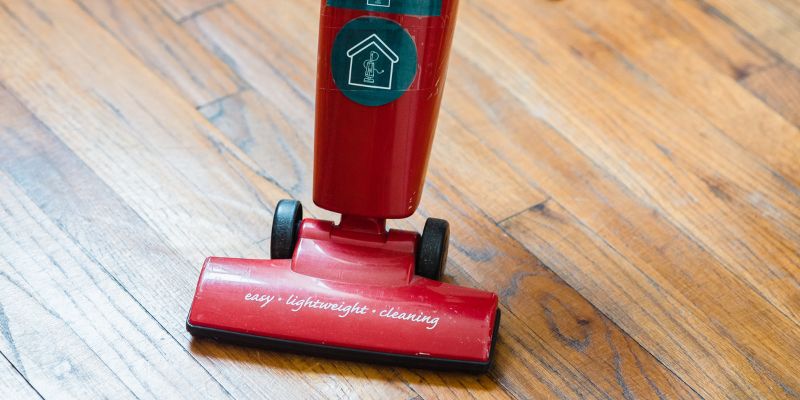
The biggest concern with hardwood floors is scratches. I always look for sweepers with soft bristles, microfiber pads, or rubber rollers. These are gentle enough to avoid scuffs but still effective at picking up dust and pet hair. Some models, like certain Dyson or Shark sweepers, have “fluffy” rollers designed specifically for hard surfaces.
Adjustable Suction
Too much suction can make a sweeper hard to push, while too little won’t clean effectively. I prefer models with adjustable suction settings, so I can dial it down for my polished oak floors or crank it up for area rugs. This feature is common in corded and cordless electric sweepers.
Lightweight Design
Carrying a heavy vacuum up and down stairs is no fun. I’ve found that lightweight sweepers, usually under 10 pounds, are easier to maneuver around table legs and into corners. Cordless stick sweepers and manual sweepers tend to be the lightest.
HEPA Filtration
If you or your family have allergies, a HEPA filter is a must. I noticed a big difference in air quality after switching to a sweeper with HEPA filtration. It traps tiny dust particles and allergens, keeping them out of the air. This is especially helpful in my workshop, where fine sawdust can linger.
Easy-to-Empty Dustbin
Emptying a dustbin shouldn’t be a chore. I look for sweepers with a one-touch release or a bottom-emptying dustbin. It’s a small thing, but it makes cleaning less messy. Robot sweepers and some cordless models excel here, though their bins are smaller.
Maneuverability
Hardwood floors often mean navigating around furniture or tight spaces. I love sweepers with swivel heads or low-profile designs that can slide under couches. My robot sweeper even has sensors to avoid bumping into my handcrafted coffee table.
Top Brands for Hardwood Floor Sweepers
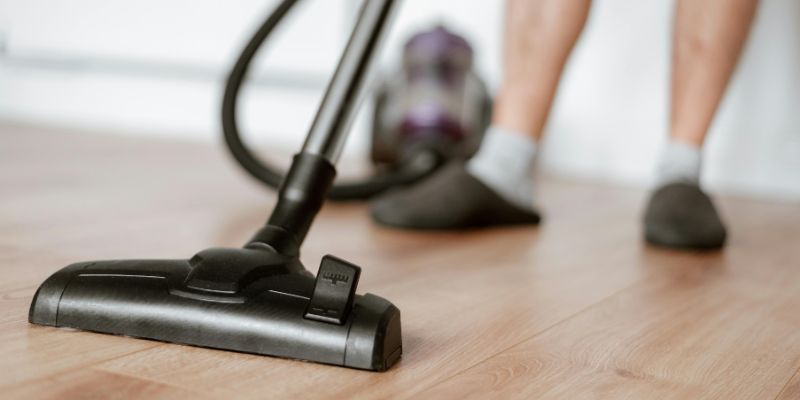
After trying out various brands, a few stand out for their hardwood-friendly designs. Here’s what I’ve found:
Bissell
Bissell sweepers are budget-friendly and reliable. Their Featherweight Stick Vacuum is a favorite of mine for quick cleanups. It’s lightweight, has a soft brush roll, and converts to a handheld for stairs or furniture. I’ve used it on my maple floors, and it’s never left a mark.
Dyson
Dyson’s cordless models, like the V12 Detect Slim, are a bit of a splurge, but they’re worth it. The “Fluffy” roller head is designed for hard floors, and the laser light feature is a fun bonus—it shows dust I didn’t even know was there! I’ve found Dyson sweepers to be durable and easy to maintain.
Shark
Shark sweepers are versatile and great for homes with mixed flooring. Their Pet Plus Cordless Stick Vacuum has a self-cleaning brush roll that’s gentle on hardwood but tough on pet hair. I borrowed one from a neighbor, and it handled my dog’s fur without a hitch.
O-Cedar
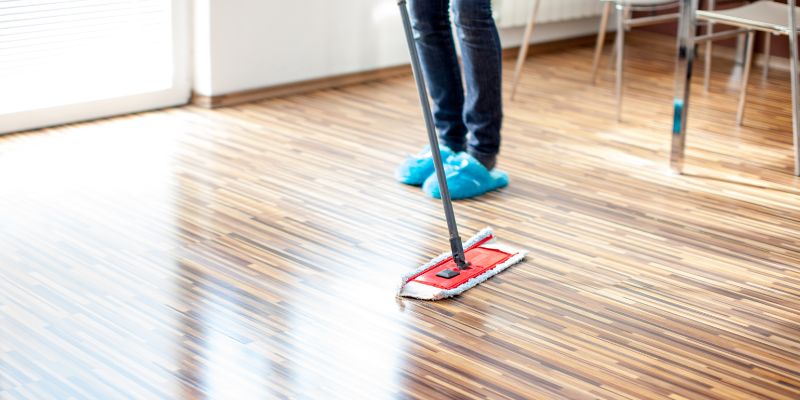
For manual sweepers, O-Cedar is hard to beat. Their EasyWring Spin Mop doubles as a sweeper with a microfiber pad that’s safe for hardwood. I use it for light dusting between deeper cleans, and it’s super affordable.
iRobot
If you’re into robot sweepers, iRobot’s Roomba models are fantastic. I have a Roomba S9+, and it’s a dream for keeping my floors clean while I’m sanding a new project. It’s pricier, but the smart navigation makes it worth it for larger homes.
My Top Picks for Floor Sweepers
After testing dozens of sweepers, here are my top recommendations for hardwood floors:
Dyson V12 Detect Slim
This cordless stick vacuum is lightweight at 5.2 pounds and has a Fluffy roller head that’s perfect for hardwood. The laser light highlights hidden dust, and the 40-minute battery life is enough for my 1,200-square-foot home. It’s pricey, but the performance is unmatched.
Bissell Featherweight Stick Vacuum
At under $40, this is a steal. It’s corded, weighs just 2.6 pounds, and has a soft brush roll that’s gentle on my oak floors. It’s my go-to for quick sweeps in the kitchen.
Shark Pet Plus Cordless Stick Vacuum
This model is great for pet owners. It’s cordless, has a self-cleaning brush roll, and includes a HEPA filter. I tested it on my friend’s walnut floors, and it picked up dog hair without a scratch.
O-Cedar EasyWring Spin Mop and Sweeper
This manual sweeper is perfect for budget-conscious folks. The microfiber pad sweeps dust and can mop with minimal water, which is key for hardwood. I use it weekly for light cleaning.
iRobot Roomba S9+
This robot sweeper is a luxury pick. It navigates my home flawlessly, avoiding my furniture, and the soft rollers keep my floors pristine. It’s ideal if you want a hands-off solution.
How to Use a Floor Sweeper Safely on Hardwood Floors
Using a sweeper correctly is just as important as choosing the right one. Here’s what I’ve learned from trial and error:
Empty the Dustbin Regularly
A full dustbin reduces suction and can spill debris back onto your floor. I empty mine after every use, especially after sweeping sawdust from my workshop.
Avoid Over-Wetting
If your sweeper has a mopping function, use the least amount of water possible. Too much moisture can warp hardwood. I always wring out my O-Cedar pad until it’s just damp.
Check for Debris
Before sweeping, pick up any large debris like wood shavings or pebbles. These can get caught in the brushes and scratch your floor. I do a quick walk-through to clear the way.
Adjust Suction Settings
On my cordless Dyson, I use the lowest suction setting for polished floors to avoid sticking. For deeper cleans or rugs, I bump it up to medium.
Clean the Sweeper Regularly
Dust and hair can build up in the brushes or filters, reducing performance. I clean my sweeper’s rollers and filters monthly to keep it running smoothly.
Maintaining Your Hardwood Floors Alongside Sweeping
A good sweeper is only part of the equation. To keep my hardwood floors looking showroom-new, I follow these habits:
Dust Daily
Dust settles fast, especially in my workshop. A quick sweep every day prevents buildup and keeps my floors shiny.
Use Felt Pads on Furniture
I’ve added felt pads to all my furniture legs to prevent scratches when moving chairs or tables. It’s a small step that makes a big difference.
Avoid Harsh Chemicals
When mopping, I stick to hardwood-safe cleaners. Harsh chemicals can strip the finish. I use a mix of water and a drop of mild dish soap for spot cleaning.
Reapply Finish as Needed
Every few years, I check my floors for wear. A fresh coat of polyurethane or wax keeps them protected and looking new.
Common Mistakes to Avoid
I’ve made my fair share of mistakes with hardwood floors. Here’s what to watch out for:
Using a Vacuum with a Beater Bar
Early on, I used a vacuum with a beater bar and noticed tiny scratches. Stick to sweepers with soft rollers or brushes.
Overlooking Maintenance
Forgetting to clean the sweeper’s filters or brushes can reduce suction and spread dust. I learned this the hard way when my sweeper started pushing debris around.
Sweeping Too Aggressively
Pushing too hard can scuff the floor. I use light, steady strokes to let the sweeper do the work.
My Personal Experience with Floor Sweepers
When I first installed my hardwood floors, I was paranoid about keeping them perfect. I started with a basic broom, but it pushed dust into corners. Then I tried a corded vacuum, which was too heavy and scratched my maple planks. After researching, I invested in a Dyson V12 Detect Slim, and it’s been a game-changer. The soft roller glides smoothly, and the laser light makes cleaning almost fun. For quick touch-ups, I keep an O-Cedar manual sweeper by the door. Between the two, my floors stay flawless, even with daily foot traffic and workshop dust.
Conclusion
Choosing the right floor sweeper for hardwood floors can feel overwhelming, but it’s worth the effort. After years of trial and error, I’ve found that a sweeper with soft brushes, adjustable suction, and a lightweight design makes all the difference. Whether you go for a manual O-Cedar for quick cleanups, a cordless Dyson for high-tech performance, or a Roomba for hands-free convenience, the key is picking a tool that’s gentle on your floors and fits your lifestyle.
Your hardwood floors are more than just a surface—they’re a reflection of your craftsmanship and care. With the right sweeper, you can keep them gleaming for years to come. So, grab a sweeper, give your floors some love, and enjoy the beauty of your home!
FAQs
What’s the difference between a floor sweeper and a vacuum?
A floor sweeper is designed for light cleaning, focusing on picking up dust and small debris with soft brushes or rollers. Vacuums have stronger suction and often use beater bars, which can be too aggressive for hardwood. I use a sweeper for daily maintenance and a vacuum for deeper cleans on rugs.
Can I use a regular vacuum on hardwood floors?
You can, but it’s risky. Many vacuums have beater bars or hard bristles that can scratch hardwood. I always check for a brush roll shut-off or a soft roller attachment before using a vacuum on my floors.
How often should I sweep my hardwood floors?
I sweep my floors daily to prevent dust buildup, especially in high-traffic areas or my workshop. For deeper cleans, I use a sweeper with stronger suction once or twice a week.
Are robot sweepers worth the price for hardwood floors?
Absolutely, if you value convenience. My Roomba S9+ saves me time and keeps my floors spotless while I’m busy. They’re pricier, but the hands-free cleaning is a game-changer for larger homes.
Can I use a floor sweeper on area rugs too?
Yes, many sweepers handle low-pile rugs well. I adjust the suction on my Dyson for rugs and use the soft roller for hardwood. For thicker rugs, you might need a vacuum with a beater bar.
How do I prevent scratches when using a floor sweeper?
Stick to sweepers with soft brushes or rollers, like the Dyson Fluffy head or O-Cedar microfiber pads. I also pick up large debris before sweeping and avoid pushing too hard.