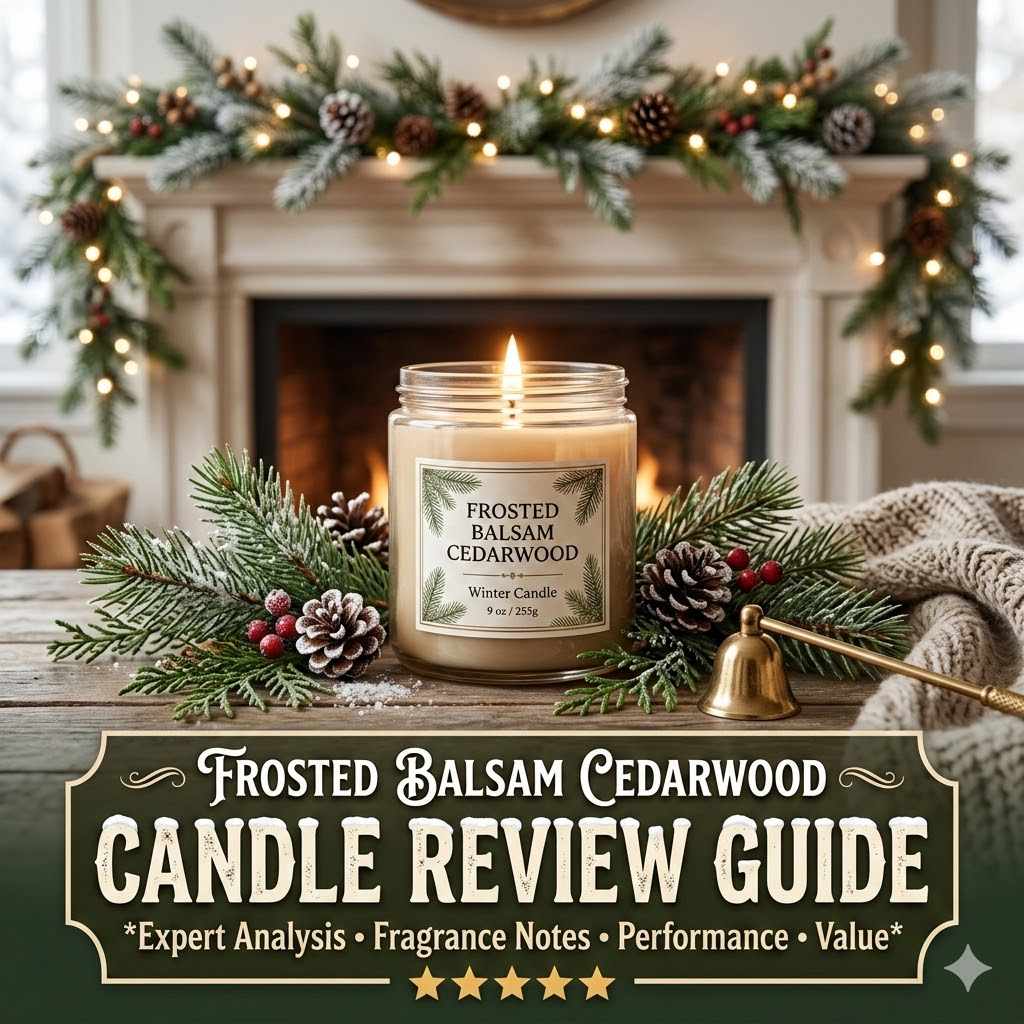
Frosted Balsam Cedarwood Candle Review Guide
Looking into a Frosted Balsam & Cedarwood Candle Review can feel a bit tricky at first. Many people aren’t sure where to start or what to focus on. It might seem like a lot of details to consider, but don’t worry!
We’ll break it all down very simply, step by step. This guide will make it easy for you to get the best information and make smart choices. Let’s look at what makes a great candle and how to find it.
Exploring Frosted Balsam & Cedarwood Candle Qualities
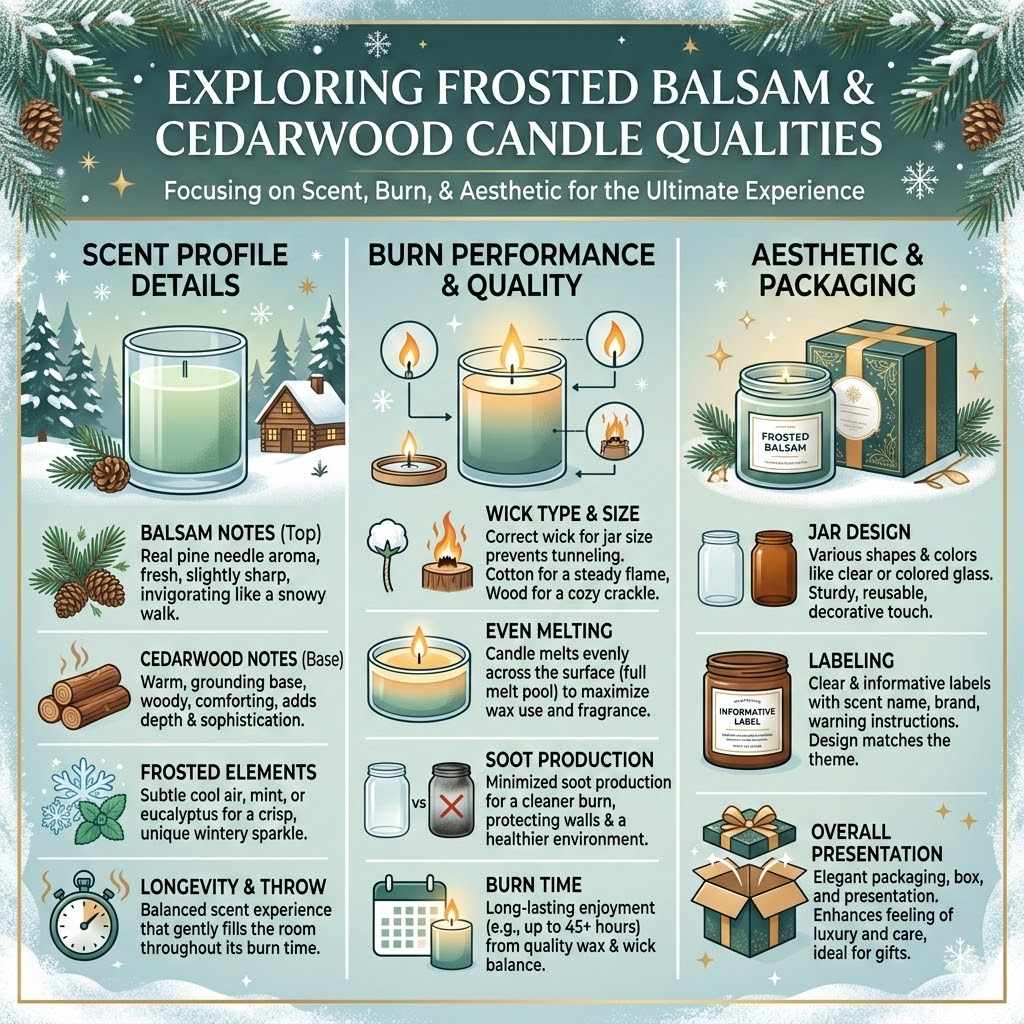
This section focuses on the core characteristics that define a Frosted Balsam & Cedarwood candle. We will look at the scent profile, how it burns, and the overall aesthetic. Understanding these elements helps you appreciate the candle’s performance and appeal.
It’s about experiencing the fragrance and the quality of the materials used. This is key to enjoying your candle.
Scent Profile Details
The scent is the most important part of any candle. For a Frosted Balsam & Cedarwood candle, the goal is to evoke a wintery forest feel. This means a balance of fresh, crisp balsam notes and warm, woody cedarwood.
Sometimes, there might be hints of frost or cool air to enhance the “frosted” aspect. A good scent should be noticeable but not overpowering. It should fill a room gently.
- Balsam Notes: These should smell like real pine needles, fresh and slightly sharp. They bring a clean, invigorating quality. Think of walking through a forest after a light snow.
- This is a core element that makes the scent feel authentic and refreshing. A well-done balsam note is bright and clear, not muddy or artificial.
- Cedarwood Notes: Cedarwood provides a warm, grounding base. It’s woody, slightly smoky, and comforting. This note adds depth and sophistication to the fragrance.
- It prevents the balsam from being too sharp. The cedarwood creates a cozy atmosphere. It’s like sitting by a fireplace in a log cabin surrounded by trees.
- Frosted Elements: This often comes from subtle notes of mint, eucalyptus, or even a touch of icy air. It adds a crisp, cool sensation to the fragrance. This element is what makes it a “frosted” scent.
- It enhances the wintery feel. It’s the sparkle on the pine needles. It makes the scent unique and memorable.
- Longevity and Throw: How long does the scent last? Does it fill the room well (good throw)? A strong scent that fades quickly isn’t ideal.
- Neither is a scent that is too weak to notice. A good Frosted Balsam & Cedarwood candle offers a balanced scent experience throughout its burn time. This is what users look for in reviews.
Burn Performance and Quality
How a candle burns is as important as how it smells. A good burn means a clean flame and even melting. This ensures you get the most out of your candle without waste.
We look at things like the wick type and how it affects the burn. A well-made candle burns steadily.
- Wick Type and Size: Wicks are typically made of cotton or wood. The right wick for the jar size is crucial. A wick that’s too small will cause tunneling (wax only melts in the center).
- A wick that’s too large can create a large flame and soot. Cotton wicks are common and effective. Wood wicks offer a gentle crackling sound.
- Even Melting: A candle should melt evenly across the surface. This is often called a full melt pool. It means all the wax gets to melt.
- This prevents wasted wax around the edges. It ensures you get the full fragrance potential. It also makes the candle look nicer as it burns.
- Soot Production: Some candles produce black soot, especially if the wick is too long or the wax isn’t burning cleanly. Soot can stain walls and ceilings. A high-quality candle minimizes soot.
- This is often a sign of good wax and wick balance. It contributes to a healthier home environment.
- Burn Time: How long does the candle last? Manufacturers often provide an estimated burn time. This is based on the wax volume and burn rate.
- A longer burn time means you get more enjoyment from the candle. It also represents better value for your money. Factors like draft can affect burn time.
Aesthetic and Packaging
The look of a candle matters too. Many people buy candles as decor. The jar, label, and overall design should be pleasing.
Good packaging also protects the candle during shipping. It adds to the experience of unboxing the product.
- Jar Design: Jars come in various shapes, sizes, and colors. Clear glass jars show off the wax color. Amber or colored glass can add a decorative touch.
- Some jars are reusable after the candle is finished. The jar should be sturdy and safe for holding melted wax.
- Labeling: The label should be clear and informative. It should include the scent name, brand, and any warning instructions. A well-designed label can enhance the candle’s appeal.
- It should match the scent’s theme. A rustic label fits balsam and cedarwood well.
- Overall Presentation: From the box it comes in to the candle itself, the presentation creates an impression. A premium candle often has elegant packaging. This makes it a great gift.
It enhances the feeling of luxury and care.
Key Ingredients and Wax Types
The materials used to make a candle greatly influence its scent, burn, and environmental impact. Understanding the different wax types and common ingredients helps you choose a quality product. This part of the Frosted Balsam & Cedarwood Candle Review covers what goes into making the candle.
It’s about natural versus synthetic elements.
Wax Base Comparison
Different waxes offer different burning properties and scent diffusion. The choice of wax impacts the candle’s overall quality. We will compare the most common types found in candles.
| Wax Type | Description | Pros | Cons |
|---|---|---|---|
| Soy Wax | Made from soybean oil. Renewable and natural. | Clean burn, good scent throw, eco-friendly. Burns slower. | Can sometimes frost (white crystalline appearance). May not hold as much fragrance as paraffin. |
| Paraffin Wax | A byproduct of petroleum refining. Traditional wax. | Excellent scent throw, holds color well, inexpensive. Consistent burn. | Not a renewable resource. Can release VOCs (volatile organic compounds) when burned. |
| Beeswax | Natural wax produced by bees. | Natural air purifier, long burn time, beautiful natural color. Subtle honey scent. | Expensive, can be difficult to scent strongly, limited color options. |
| Coconut Wax | Made from coconut oil. Often blended with other waxes. | Excellent scent throw, clean burn, luxurious creamy texture. Burns very slowly. | Can be very soft and require blending. Expensive on its own. |
Understanding Wax Blends
Many candles use a blend of waxes to get the best properties from each. For example, a soy-coconut blend is popular. It combines the eco-friendliness of soy with the excellent scent throw of coconut.
Blends can offer a more balanced performance. They can help avoid the drawbacks of single wax types. This is common in higher-end candles.
It aims for an optimal burn and scent experience.
Fragrance Oils vs. Essential Oils
The scent of a Frosted Balsam & Cedarwood candle comes from fragrance oils or essential oils. Each has its own characteristics and benefits. Knowing the difference helps in choosing a candle that suits your preferences.
Fragrance Oils
Fragrance oils are synthetic or a blend of synthetic and natural components. They are designed to create specific scents. They are often more stable and can produce more complex or exotic aromas than essential oils alone.
For scents like “frosted” or very specific botanical recreations, fragrance oils are frequently used. They can offer a stronger and more consistent scent throw. Many people find them to be highly effective.
Brands use them to guarantee a specific scent profile.
Essential Oils
Essential oils are derived directly from plants. They capture the natural aroma of flowers, herbs, and trees. Essential oils are natural and can have therapeutic properties.
For a balsam and cedarwood scent, pure essential oils would be used. These would offer a more natural, earthy aroma. However, their scent throw might be less potent than fragrance oils.
They can also be more expensive. The aroma is often considered more authentic and pure.
Other Additives
Candles may contain other ingredients that affect their appearance and performance. These are usually present in small amounts. They are added to improve the wax or scent.
It’s good to be aware of what else might be in your candle.
- Dyes: Some candles are colored to match their scent or decor. Dyes should be added sparingly. Too much dye can affect the wax’s burn.
- It can also clog the wick. Natural dyes are often preferred for eco-conscious products. The color of a frosted balsam and cedarwood candle might be a soft green or white.
- UV Inhibitors: These are sometimes added to prevent wax from fading if exposed to sunlight. This is more common for candles that will be displayed for long periods. It helps maintain the wax’s appearance.
- It ensures the candle stays looking its best.
- Stabilizers: These can help keep the fragrance oils mixed evenly with the wax. They prevent separation. This ensures a consistent scent release throughout the burn.
- It helps maintain the quality of the candle.
Performance Analysis of Frosted Balsam & Cedarwood Candles
This section goes deeper into how specific Frosted Balsam & Cedarwood candles perform in real-world settings. We will look at user experiences and common feedback. This helps set expectations for the scent and burn quality.
It’s about what buyers actually find when they use the candle.
Scent Experience and Throw
The scent is the primary reason for buying a candle. For Frosted Balsam & Cedarwood, the ideal scent captures the essence of a crisp winter forest. This means clean pine notes balanced with warm wood.
The “frosted” aspect adds a cool, refreshing touch. The throw (how well the scent fills a room) is crucial. It needs to be noticeable without being overwhelming.
- Real-Life Scenarios: Imagine lighting this candle in your living room on a chilly evening. The scent should evoke feelings of coziness and nature. It should complement a quiet night in or a gathering with friends.
- A strong throw means you can enjoy the scent from across the room. A weak throw means you might only smell it when you are very close.
- User Feedback Examples: Many reviews praise candles that deliver an authentic balsam scent. They enjoy the depth of the cedarwood. Comments often mention how the “frosted” element adds a unique twist.
- Negative feedback might highlight a scent that is too artificial, too weak, or too strong. Some users find it smells too much like air freshener instead of a real forest. This is a common critique for artificial scents.
- Comparing Strengths: Some brands excel at creating a strong, room-filling fragrance. Others offer a more subtle, personal scent. The best Frosted Balsam & Cedarwood candles strike a balance.
- They provide a noticeable aroma without being cloying. This makes them suitable for various preferences and room sizes. This is a key differentiator.
Case Study: “Winter Woods” Candle
A popular candle brand released a “Winter Woods” scent, featuring notes of frosted balsam and cedarwood. Initial customer reviews indicated a strong, true-to-life forest scent. The balsam was described as crisp, and the cedarwood as grounding and warm.
The “frosted” element was subtle, adding a hint of cool mint that users found refreshing. The throw was consistently rated as excellent, filling a medium-sized room effectively. Burn time was reported to be around 50 hours for the 8-ounce candle, with even melting and minimal soot.
This case highlights successful execution of the scent profile and burn quality.
Burn Quality and Longevity
A candle’s burn quality impacts the overall experience. Even burning, minimal soot, and a good flame are signs of a well-made product. Longevity, or how long the candle lasts, is also a key factor for value.
- Tunneling Avoidance: A common problem is tunneling, where the wax melts only in the center. This leaves a lot of wax on the sides. High-quality candles use correctly sized wicks to ensure an even melt pool.
- This maximizes the amount of scent released and wax used. Consistent reviews praise candles that avoid this issue.
- Soot and Cleanliness: Candles that produce a lot of black soot are undesirable. Soot can stain surfaces and affect air quality. A clean-burning candle is often made with high-quality wax and a well-balanced wick.
- Reviews frequently mention if a candle burns cleanly. This is a significant factor for home use.
- Estimated Burn Time vs. Actual: Manufacturers often give an estimated burn time. This is a guideline.
- Actual burn time can vary based on burning habits, drafts, and wick trimming. A candle that consistently meets or exceeds its estimated burn time is a good value. For instance, an 8oz candle advertised for 40-50 hours is usually satisfactory.
Sample Scenario: A Cozy Evening Setup
Imagine you’re settling in for a quiet evening. You light your Frosted Balsam & Cedarwood candle. The flame flickers gently, casting a warm glow.
The scent begins to fill the air, a perfect blend of pine and wood. You notice the wax melting evenly, no tunneling in sight. You read a book, and the aroma is a comforting presence, not a distraction.
You feel relaxed and at peace, enjoying the simple pleasure of a well-performing candle.
Value for Money
The price of a candle should reflect its quality and performance. A cheap candle that smells bad or burns poorly is not good value. Conversely, an expensive candle that delivers an exceptional scent and burn is worth the investment.
- Price Range: Frosted Balsam & Cedarwood candles can range from $10 to $50 or more. Budget-friendly options might use simpler waxes or fragrance oils. Premium candles often use high-quality waxes, complex scent blends, and elegant packaging.
- Understanding what you get for the price is important.
- Cost Per Burn Hour: To assess value, consider the price divided by the estimated burn time. A $30 candle with a 60-hour burn time ($0.50 per hour) might offer better value than a $15 candle with a 20-hour burn time ($0.75 per hour). This calculation helps compare different options objectively.
- Brand Reputation: Established candle brands often have a reputation for quality and consistency. This can sometimes justify a higher price point. They have likely refined their formulations.
- They are more likely to deliver on scent and burn promises. Relying on trusted brands can lead to a better overall experience.
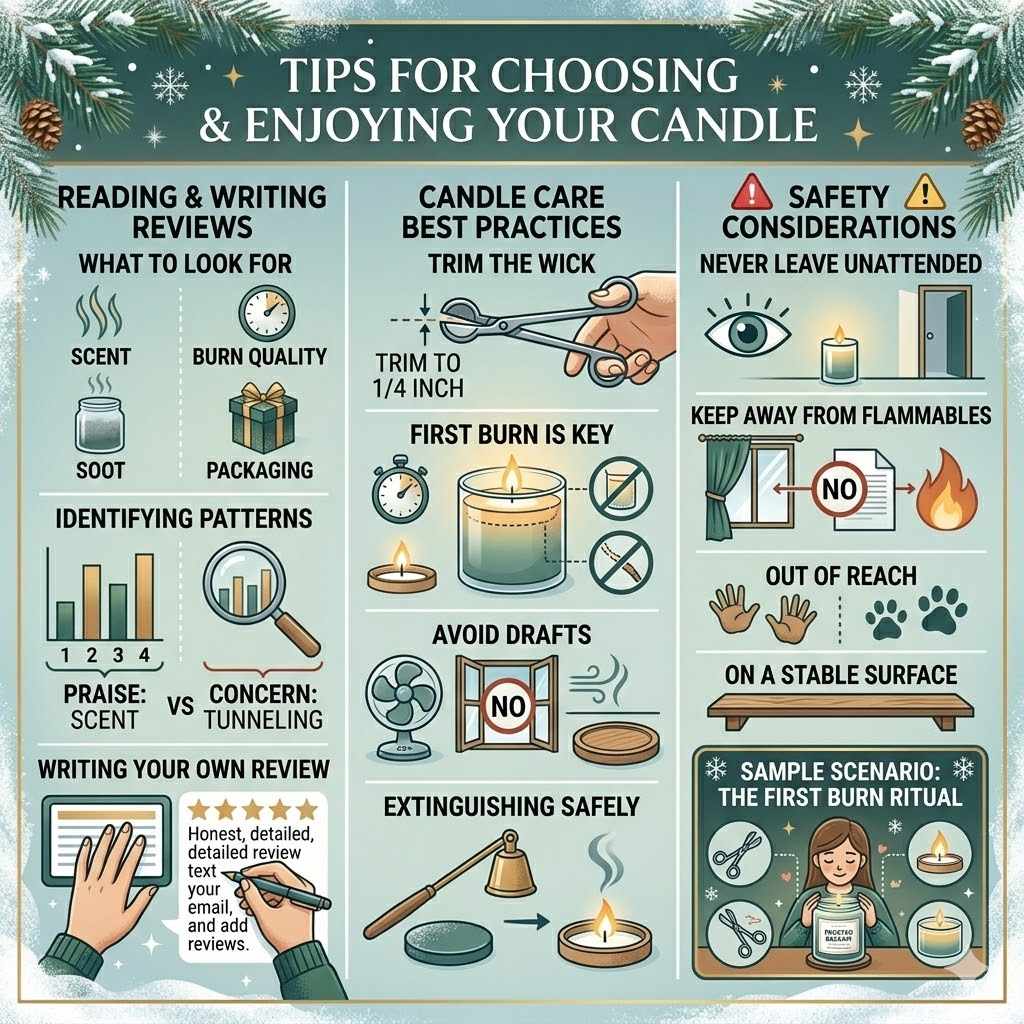
Tips for Choosing and Enjoying Your Candle
Selecting the right Frosted Balsam & Cedarwood candle and caring for it properly can enhance your experience. These tips are designed to help you make informed choices and get the most out of your purchase. It’s about making sure you enjoy the candle from start to finish.
Reading and Writing Reviews
Customer reviews are a valuable resource when choosing a candle. They offer real-world feedback from people who have actually used the product. Learning to read them effectively can save you disappointment.
- What to Look For: Focus on reviews that discuss scent strength, accuracy, and throw. Pay attention to comments about burn quality, such as tunneling or soot. Also, note any mention of packaging or customer service.
- Reviews with specific details are more helpful than general praise or complaints.
- Identifying Patterns: Look for recurring themes across multiple reviews. If many people praise the scent but complain about tunneling, it’s a potential issue. If most reviewers rave about the long-lasting fragrance, it’s likely a strong point for that candle.
- Writing Your Own Review: When you buy a candle, consider leaving a review. Be honest and specific about your experience. Mention the scent notes you detected, how well it burned, and the overall value.
- This helps other shoppers. It contributes to a more informed marketplace.
Candle Care Best Practices
Proper candle care ensures a safe, clean, and long-lasting burn. Simple steps can make a big difference in your candle experience.
- Trim the Wick: Before each use, trim the wick to about 1/4 inch. This prevents a large flame, reduces soot, and helps the candle burn more evenly. A sharp pair of scissors or wick trimmers works best.
- A trimmed wick leads to a cleaner burn.
- First Burn is Key: Allow the candle to burn until the wax melts all the way to the edges of the container on the first burn. This is crucial for preventing tunneling. It ensures you get the maximum scent and wax usage.
- This initial melt pool is very important.
- Avoid Drafts: Burning a candle in a drafty area can cause uneven burning and sooting. Place your candle on a stable, heat-resistant surface away from open windows or fans. This promotes a steady flame and even melt.
- It helps the candle burn as intended.
- Extinguishing Safely: Use a snuffer or a lid to extinguish the flame. Blowing out a candle can sometimes cause the wick to sputter wax or create smoke. Allowing the wax to cool and solidify after extinguishing ensures safety.
- It also makes relighting easier.
Sample Scenario: The First Burn Ritual
You receive your new Frosted Balsam & Cedarwood candle. Before lighting it, you carefully trim the wick to about a quarter of an inch. You then place it on a sturdy, heat-proof coaster on your coffee table.
You light the candle and let it burn for a good three hours, ensuring the entire surface melts to a liquid pool. This ritual guarantees a good start, preventing future problems and maximizing your enjoyment of the wonderful scent.
Safety Considerations
Candles are a fire hazard if not used properly. Always prioritize safety when burning candles.
- Never Leave Unattended: Always supervise a burning candle. Never leave it in a room where you are not present. This is a fundamental safety rule for any open flame.
- It prevents accidents.
- Keep Away from Flammables: Ensure candles are placed away from curtains, bedding, paper, and other flammable materials. A safe distance is essential to prevent fires. Always check your surroundings before lighting.
- Out of Reach of Children and Pets: Keep candles out of reach of children and pets. Accidental tipping or curious hands can lead to burns or fires. Always be mindful of who is in the room.
- On a Stable Surface: Always burn candles on a stable, heat-resistant surface. This prevents the candle from tipping over. It also protects furniture from heat damage.
- A secure spot is vital for safe burning.
Frequently Asked Questions
Question: What makes a Frosted Balsam & Cedarwood candle smell “frosted”?
Answer: The “frosted” aspect usually comes from subtle additions of cool, crisp notes like mint, eucalyptus, or a hint of icy air in the fragrance blend. This complements the natural balsam and cedarwood scents, giving a sensation of a cool, wintry atmosphere.
Question: Is soy wax better for this type of candle?
Answer: Soy wax is a popular choice for many candles, including Frosted Balsam & Cedarwood, because it offers a clean burn and good scent throw. However, other waxes or blends might also work well, depending on the desired fragrance strength and burn characteristics.
Question: How long should a Frosted Balsam & Cedarwood candle typically burn?
Answer: The burn time varies greatly depending on the candle’s size and the wax used. A standard 8-ounce candle often burns for 40-60 hours, but it’s best to check the manufacturer’s estimated burn time listed on the product.
Question: Can I use a Frosted Balsam & Cedarwood candle all year round?
Answer: Absolutely! While this scent is often associated with winter holidays, its natural forest notes can be enjoyed anytime you want to create a cozy, grounding, or refreshing atmosphere in your home.
Question: What’s the difference between essential oils and fragrance oils in candles?
Answer: Essential oils are natural extracts from plants, offering authentic scents. Fragrance oils are synthetic or a blend, allowing for more complex, consistent, and often stronger aromas. For a specific scent like “frosted” notes, fragrance oils are frequently used to achieve the desired profile.
Final Thoughts
Choosing a Frosted Balsam & Cedarwood candle is about finding a scent that brings the outdoors in. Look for a balanced fragrance with crisp balsam and warm cedarwood. Pay attention to how it burns, aiming for an even melt and clean flame.
Enjoying these candles means caring for them properly and always burning safely. Find one that sparks joy.