Can You Be Allergic to Cedar Wood? Real Symptoms, Causes & When to See a Doctor
Yes — cedar wood allergy is a real, medically documented condition, and it’s more specific than most articles make it sound. The reaction isn’t caused by “cedar” in general or by cedar’s smell; it’s caused by plicatic acid, a compound in the sawdust of Western Red Cedar (Thuja plicata) that occupational medicine has studied since the 1970s. If you work with cedar regularly — cutting, sanding, or sawing it in a shop — this is worth understanding in detail, not just as a list of generic allergy symptoms.
Yes, Cedar Wood Allergy Is Real — Here’s the Actual Cause
Best N95 Respirator for Cedar Dust
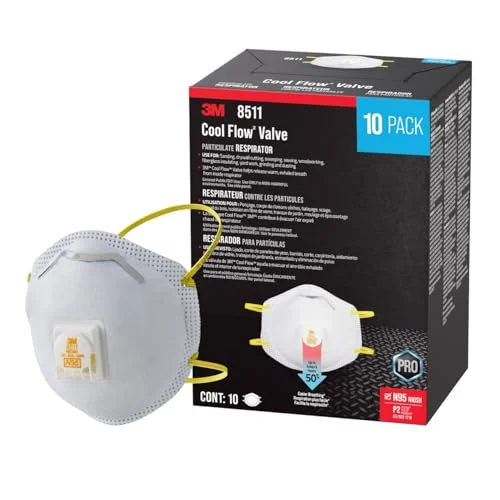 |
3M 8511 N95 Cool Flow Valved Respirator (10-Pack) – $24.22 Rated NIOSH N95 with a cool-flow exhale valve, purpose-marketed for sanding and sawing — the practical minimum for filtering the fine cedar sawdust that carries plicatic acid.
|
What most people call a “cedar allergy” is actually two different things that get lumped together, and separating them matters if you’re trying to figure out what’s happening to you. One is cedar fever, a seasonal pollen allergy from Mountain Cedar (Ashe juniper) trees that has nothing to do with woodworking — we cover that separately in our cedar fever symptoms guide. The other is true cedar wood allergy: a reaction to the actual sawdust and wood particles, most extensively documented in Western Red Cedar.
Research going back to Dr. Moira Chan-Yeung’s occupational medicine studies identified plicatic acid as the specific chemical responsible. In provocation tests, plicatic acid alone produced the same bronchial reaction as whole cedar dust extract, confirming it as the causal agent rather than just a correlated compound. Unusually, many cedar-sensitized workers show a type IV (delayed) hypersensitivity reaction rather than the classic immediate IgE-antibody response you’d see with a pollen or food allergy — which is part of why symptoms can show up hours after exposure rather than within minutes, and why some people don’t connect the dots for years.
This isn’t a fringe condition. Occupational asthma from Western Red Cedar is the single most common cause of occupational asthma in the Pacific Northwest, and studies of exposed workers — sawmill employees, shingle and shake mill workers, carpenters, and cabinetmakers — put the affected rate at roughly 4% to 13.5% of people with regular exposure. That’s a meaningfully high number for anyone spending serious shop time around cedar dust.
Symptoms: Respiratory, Skin, and Eye Reactions
Symptoms cluster into three categories, and which ones you get — and how fast — depends partly on whether your reaction is the immediate type or the delayed type described above.
Respiratory symptoms are the best-documented and most serious. Coughing, wheezing, chest tightness, and shortness of breath are the classic presentation of Western Red Cedar occupational asthma. A distinctive pattern shows up in case studies: workers develop nocturnal attacks — coughing and wheezing that wake them up hours after their shift ends — and as sensitization worsens, symptoms start appearing earlier and earlier in the workday. Rhinitis (a chronically irritated, runny, or blocked nose) often accompanies the asthma symptoms rather than showing up alone.
- Skin reactions: Direct contact with cedar dust or sap can cause contact dermatitis — redness, itching, and sometimes hives — particularly on the hands, forearms, and neck where dust settles against skin. Because this can be a delayed reaction too, a patch test (dust left against the skin for 48 hours) is often more diagnostic than an immediate skin-prick test for the contact form.
- Eye irritation: Airborne cedar particles irritate the eyes directly — redness, tearing, itching, and swelling — especially in an enclosed shop with poor ventilation where dust concentration builds up over hours of sanding or cutting.
- Persistent effects: One of the more important findings from long-term occupational studies is that asthma and bronchial hyperreactivity can persist even after a worker is removed from cedar exposure entirely. This is part of why catching symptoms early and reducing exposure right away — rather than waiting to see if it gets worse — actually matters.
Cedar Wood Allergy vs. Cedar Fever — They’re Not the Same Thing
This distinction trips people up constantly, including a lot of health content written about “cedar allergy” without separating the two. Cedar fever comes from wind-blown pollen released by Mountain Cedar (actually Ashe juniper, a different genus than true cedars) mainly from December through February, and it behaves like a classic seasonal pollen allergy: itchy eyes, sneezing, congestion, sometimes fatigue and headache. You don’t need to touch a single piece of wood to get it — living downwind of a juniper grove during pollen season is enough. We break down the full picture in how to know if you have cedar fever and how to manage it.
True cedar wood allergy, the subject of this article, comes from physical exposure to wood dust and particles — it’s an occupational and hobbyist woodworking issue, not a seasonal one, and it’s documented mainly in Western Red Cedar specifically rather than junipers broadly. You can have cedar fever and never react to cedar wood dust, or vice versa; they’re driven by different allergens from different plants through different exposure routes. If your symptoms only show up in winter and you’re nowhere near a woodshop, cedar fever is the more likely culprit. If your symptoms track with time spent cutting or sanding cedar — any season, any location — wood dust is the one to investigate.
Who’s Most at Risk
Risk isn’t evenly distributed. A few factors reliably raise the odds:
- Occupational-level exposure: The 4%–13.5% sensitization rate applies specifically to people with regular, sustained shop exposure — sawmill and mill workers, cabinet makers, and carpenters who handle cedar daily. Occasional weekend woodworking carries meaningfully lower risk, though it isn’t zero, especially without dust control.
- Atopy and existing allergies: People with a personal or family history of allergies, asthma, eczema, or hay fever are more likely to become sensitized to cedar dust as well — the same underlying tendency toward allergic responses applies across different allergens.
- Cumulative exposure history: Sensitization to plicatic acid tends to develop after months or years of repeated exposure rather than on first contact, which is exactly why symptoms often get written off as “just a cold” or “shop dust irritation” for a long time before someone connects it to cedar specifically.
- Poor ventilation and no dust control: Enclosed shops without dust collection or fresh-air exchange concentrate airborne plicatic acid particles, raising both the dose per session and the likelihood of triggering a reaction.
How Cedar Wood Allergy Is Diagnosed
Because cedar wood allergy can involve both an immediate and a delayed reaction pathway, diagnosis usually leans on more than one test, and an allergist will typically start with your exposure history before running anything.
Skin prick test: A small amount of cedar extract is placed on the skin, which is then lightly pricked. A raised, itchy bump within 15–20 minutes indicates an immediate-type sensitivity. This catches classic IgE-mediated reactions but can miss delayed hypersensitivity.
Patch test: Because contact dermatitis from cedar dust is often a delayed reaction, a patch test — extract taped to the skin, usually the back, for 48 hours — is frequently more useful than a prick test for skin-focused symptoms.
Blood (IgE) test: Measures cedar-specific IgE antibody levels in a blood sample, useful when skin testing isn’t practical or when results are ambiguous.
Specific inhalation challenge: In occupational medicine settings, a controlled exposure to cedar dust under medical supervision is sometimes used to confirm work-related asthma when other tests are inconclusive — this is the gold-standard test used in the original Chan-Yeung research but isn’t routine for casual cases.
Protecting Yourself: Practical Steps for Woodworkers
Since there’s no cure and the effects can be long-lasting, controlling exposure is the actual front line — not an afterthought.
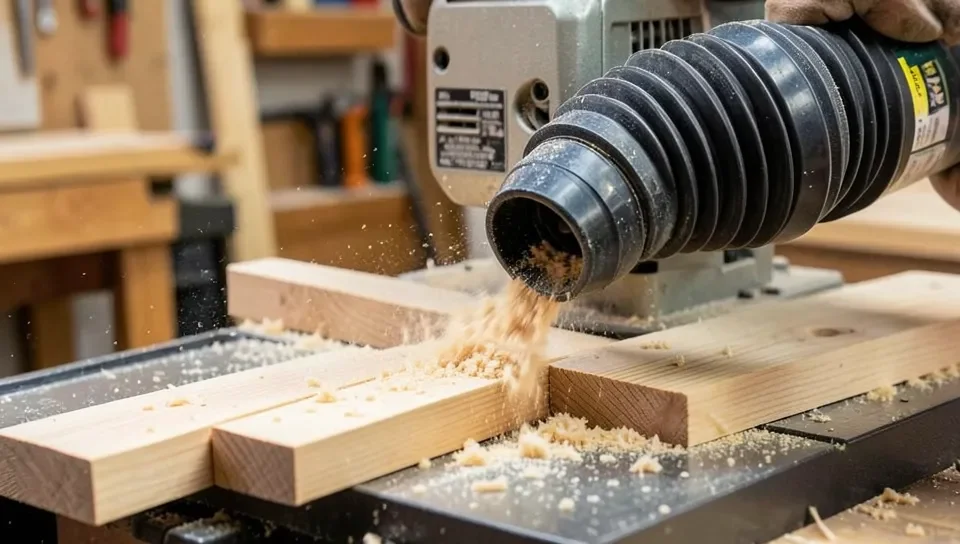
- Capture dust at the source. A shop vacuum or dust collector attached directly to your saw, sander, or router removes the majority of airborne particles before you breathe them, rather than relying on a mask alone to filter what’s already in the air.
- Wear a properly rated respirator, not a paper dust mask. A basic surgical or hardware-store dust mask is not rated to filter the fine particulate that carries plicatic acid. A NIOSH-certified N95 or P100 respirator is the practical minimum for any extended cedar cutting or sanding session.
- Ventilate the shop. Cross-ventilation or an exhaust fan pulling air (and dust) out of the workspace prevents particle concentration from building up over a multi-hour session — this matters even with a respirator on, since it also protects anyone else nearby.
- Cover exposed skin with long sleeves and gloves if you’ve had skin reactions before, and wash exposed skin promptly after a cedar-heavy session rather than waiting until the end of the day.
- Watch for early warning signs. If you notice a cough or wheeze that shows up hours after a cedar cutting session — not during it — that delayed pattern is itself a clue worth mentioning to a doctor, since it matches the documented occupational-asthma pattern rather than simple dust irritation.
Treatment Options
There’s no cure for cedar wood allergy — the strategy is exposure reduction plus symptom management, and in persistent cases, that combination genuinely works.
Antihistamines block the histamine response and help with sneezing, itching, and runny nose. Nasal corticosteroid sprays reduce nasal inflammation for ongoing rhinitis. Eye drops — artificial tears or antihistamine drops — relieve eye irritation. For asthma-pattern symptoms (wheezing, chest tightness), a doctor may prescribe an inhaled bronchodilator or corticosteroid rather than relying on antihistamines alone, since the underlying mechanism is different from a typical hay-fever reaction. Allergy shots (immunotherapy) are sometimes used for persistent cases, though evidence specific to plicatic acid immunotherapy is more limited than for common pollen allergens.
Seek medical attention promptly for trouble breathing, chest tightness that doesn’t ease, or swelling — these can signal a more serious reaction. And if antihistamines and avoidance aren’t controlling your symptoms, or you’re getting the nocturnal-cough pattern described above, see an allergist rather than continuing to self-treat — occupational asthma specifically benefits from an accurate diagnosis early, since bronchial hyperreactivity can persist even after exposure stops.
Frequently Asked Questions
Is a cedar wood allergy the same as cedar fever?
No. Cedar fever is a seasonal reaction to Mountain Cedar (Ashe juniper) pollen and has nothing to do with woodworking. Cedar wood allergy is a reaction to sawdust and wood particles, primarily documented in Western Red Cedar, and it’s tied to shop exposure rather than a pollen season.
What actually causes a cedar wood allergy?
Plicatic acid, a compound found in Western Red Cedar sawdust. Occupational medicine research identified it as the specific agent responsible for cedar-related occupational asthma, and provocation testing has shown it alone triggers the same reaction as whole cedar dust extract.
How common is cedar wood allergy among woodworkers?
Studies of regularly exposed workers — sawmill employees, cabinet makers, carpenters — put sensitization rates at roughly 4% to 13.5%. Western Red Cedar occupational asthma is the leading cause of occupational asthma in the Pacific Northwest, where cedar milling is common.
Can symptoms show up hours after I stop working with cedar?
Yes. Many cedar-sensitized workers show a delayed (type IV) hypersensitivity pattern rather than an immediate reaction, which is why nocturnal coughing or wheezing hours after a shop session is a documented and recognizable pattern — not a coincidence.
Can I still work with cedar if I have this allergy?
Sometimes, with strict dust control — source-capture dust collection, a NIOSH-rated N95 or P100 respirator, and good shop ventilation. But because bronchial hyperreactivity can persist even after exposure stops, anyone with confirmed occupational asthma symptoms should get individualized guidance from an allergist rather than just adding a mask and continuing as before.
Sponsored / affiliate links. As an Amazon Associate I earn from qualifying purchases. I may earn additional commission from eligible campaigns.