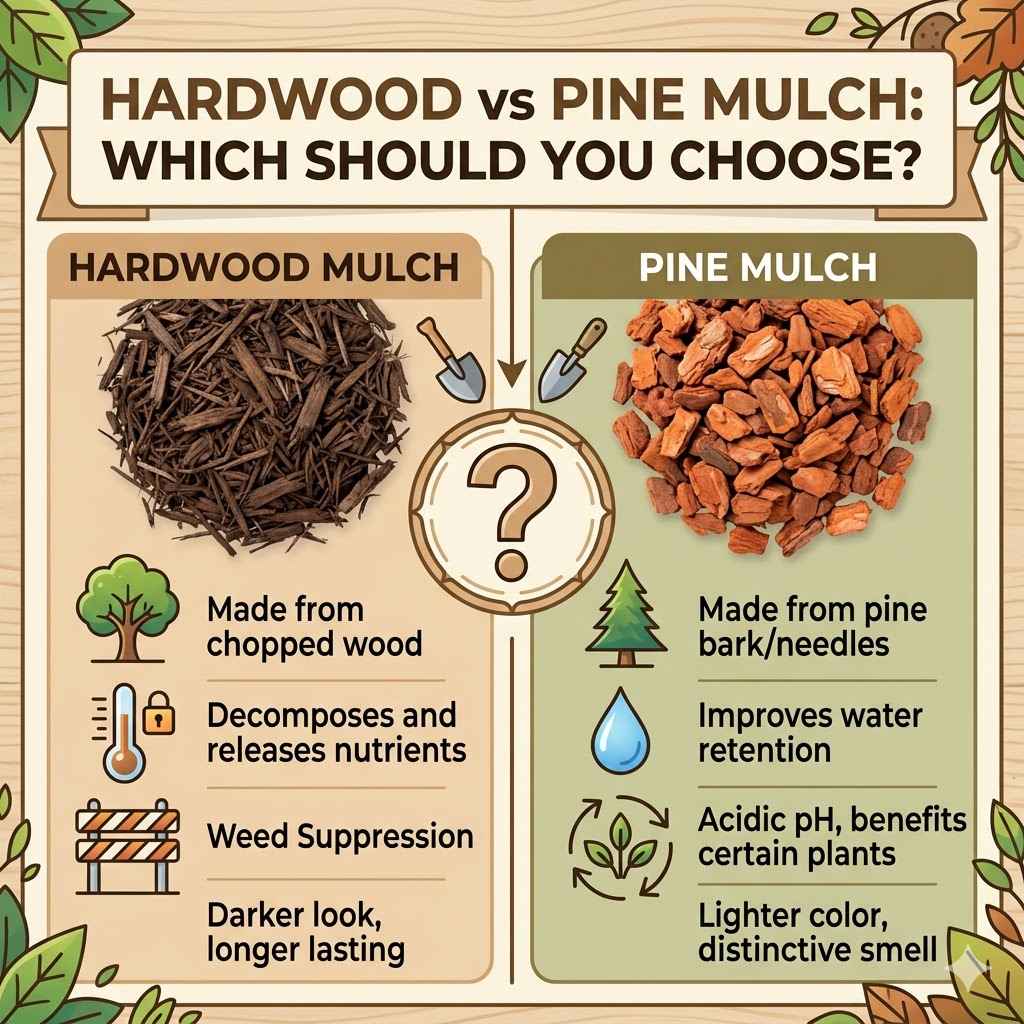
Hardwood vs Pine Mulch: Which Should You Choose?
When you’re getting your garden ready, picking the right mulch makes a big difference. For many new gardeners, the choice between hardwood and pine mulch can feel a bit tricky. They both look nice and help plants, but they act a little differently.
Don’t worry, though! We’ll make this simple. We’ll walk through what each mulch is, what it does, and how to pick the one that’s perfect for your yard.
Let’s figure out Hardwood vs Pine Mulch: Which Should You Choose? so your plants can thrive.
Understanding Your Mulch Options
Choosing the right mulch is a key step in creating a healthy and beautiful garden. Mulch isn’t just for looks; it’s a functional layer that helps your plants grow better. It keeps the soil moist, stops weeds from growing, and keeps soil temperatures more steady.
This means less work for you and happier plants. But with so many types of mulch available, it’s easy to get confused, especially when you’re just starting out. We’ll break down the two most popular choices: hardwood and pine mulch.
What is Hardwood Mulch?
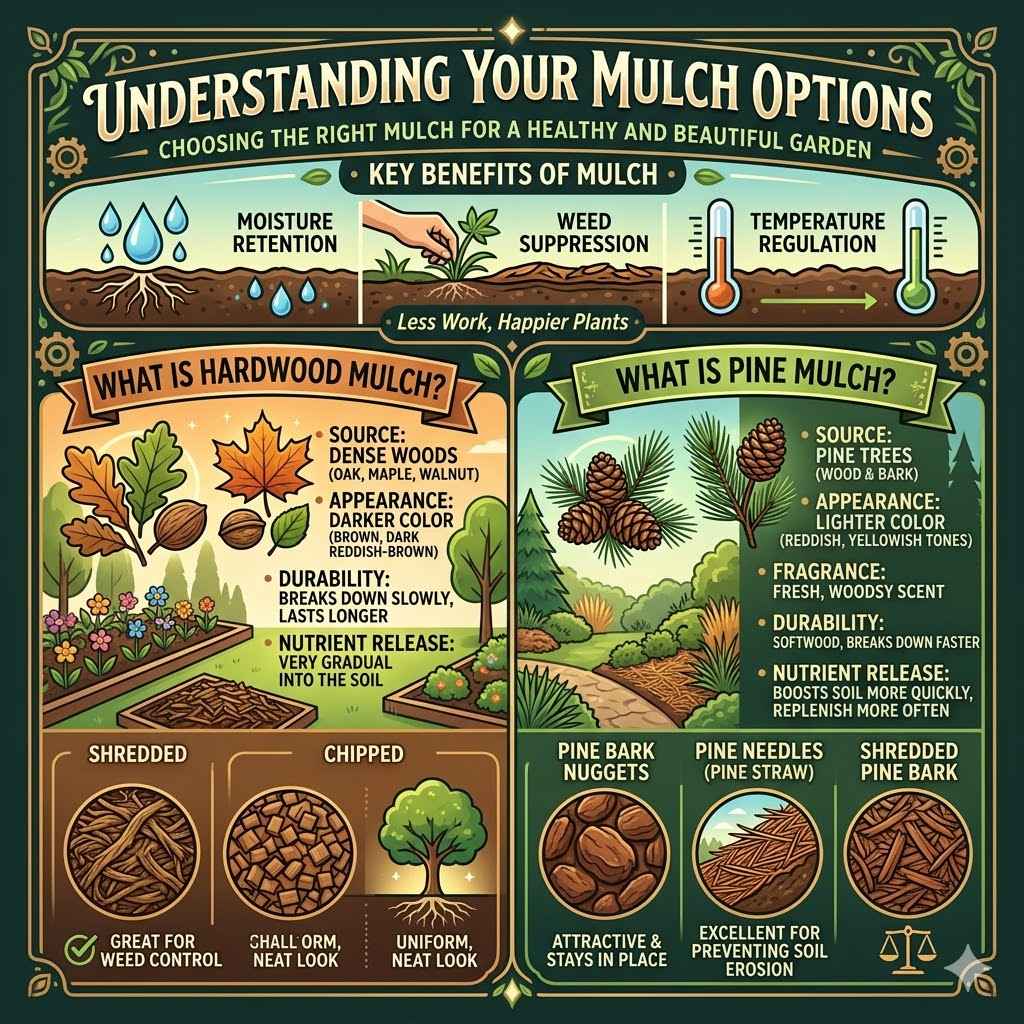
Hardwood mulch comes from trees like oak, maple, and walnut. These are dense woods. Because they come from these types of trees, hardwood mulches are often a bit darker in color, like brown or dark reddish-brown.
They tend to last longer than some other mulches because the wood breaks down slowly. This slow breakdown is good because it means you won’t have to add more mulch as often. It also means the nutrients from the mulch go into the soil very gradually over time.
The texture of hardwood mulch can vary. Some are shredded, while others are chipped into smaller pieces. This variety affects how it looks and how it behaves in your garden.
Shredded mulch tends to clump together more, which can be great for stopping weeds. Chipped mulch might look a little more natural, like a forest floor. Both types offer good benefits for your garden’s soil and moisture levels.
They create a nice, uniform look that many people like for flower beds and around trees.
What is Pine Mulch?
Pine mulch, on the other hand, is made from pine trees. This includes wood and bark from these evergreen trees. Pine mulches often have a lighter color, sometimes with reddish or yellowish tones, and they usually have a fresh, woodsy scent.
Because pine is a softwood, it tends to break down a bit faster than hardwood. This means it releases its nutrients into the soil more quickly, which can be a boost for some plants. However, it also means you might need to replenish it more often.
Pine mulch comes in different forms, such as pine bark nuggets, pine needles, and shredded pine bark. Pine bark nuggets are popular because they are attractive and stay in place well. Pine needles, also known as pine straw, create a soft, natural-looking layer that is excellent for preventing soil erosion on slopes.
Shredded pine bark offers a good balance of texture and breakdown rate. Each form of pine mulch has its own unique look and functional advantages for different garden settings.
Comparing Hardwood and Pine Mulch for Your Garden
When you are deciding between hardwood and pine mulch, think about what you want to achieve in your garden. Both have great qualities that help plants, but they do it in slightly different ways. The way they look, how long they last, and how they affect your soil are all important points to consider.
Understanding these differences will help you pick the mulch that best fits your garden’s needs and your personal style.
Durability and Longevity
One of the biggest differences between hardwood and pine mulch is how long they last. Hardwood mulch, made from denser wood, takes longer to decompose. This means it stays looking good and providing its benefits for a longer time, often 12 to 18 months.
You won’t have to replace it as frequently. This makes it a good choice if you prefer less maintenance and want a mulch that stays put for a while.
Pine mulch, being a softwood, breaks down more quickly. This can be good for adding nutrients to the soil faster, but it also means you’ll need to add more pine mulch every 6 to 12 months. If you like refreshing your garden beds often or want to give your soil a quicker nutrient boost, pine mulch might be a better fit.
The faster breakdown also means it can compact a bit more over time, which might affect water penetration if not managed properly.
Aesthetic Appeal
The look of mulch is a big factor for many gardeners. Hardwood mulches usually have a rich, dark brown to reddish-brown color. This classic look works well in many garden designs, providing a clean backdrop for colorful flowers and green foliage.
They can create a very uniform and tidy appearance, making garden beds look very polished.
Pine mulches often have a lighter, warmer color palette, ranging from tan to reddish-brown, with hints of yellow. Pine bark nuggets, in particular, are very popular for their rustic and natural appearance. Pine needles offer an even more natural look, especially in woodland gardens or areas where you want a softer texture.
The scent of pine mulch is also a pleasant bonus for many people.
Soil Improvement and pH Levels
Both hardwood and pine mulch contribute to soil health as they break down. Hardwood mulch decomposes slowly, releasing organic matter gradually into the soil. This slow release helps improve soil structure over a longer period without drastically altering the soil’s pH.
Most hardwood mulches are pH neutral, meaning they won’t significantly change the acidity or alkalinity of your soil, making them safe for a wide variety of plants.
Pine mulch, especially pine bark and pine needles, can be slightly acidic as they decompose. This slight acidity can be beneficial for plants that prefer more acidic soil, such as blueberries, azaleas, and rhododendrons. Over time, as pine mulch breaks down, it adds organic matter to the soil, which improves drainage and aeration.
The faster decomposition rate means that any changes to soil pH or nutrient content will happen more quickly compared to hardwood mulch.
Weed Suppression and Moisture Retention
One of the most important jobs of mulch is to stop weeds from growing and to keep the soil moist. Both hardwood and pine mulches are effective at this. A good layer of mulch acts as a physical barrier, blocking sunlight from reaching weed seeds and preventing them from sprouting.
This significantly reduces the amount of weeding you’ll need to do in your garden beds.
Mulch also helps to conserve soil moisture. It creates a protective layer that reduces evaporation from the soil surface, meaning your plants will need less watering. This is especially helpful during hot, dry spells.
Both hardwood and pine mulches are good at retaining moisture, although the way they do it can differ slightly based on their texture and how tightly they pack down.
Cost and Availability
The cost and availability of hardwood and pine mulch can vary depending on your location and the specific type of mulch. Generally, both are widely available at garden centers, nurseries, and landscaping supply stores. In some regions, one type might be more abundant and therefore less expensive than the other due to local tree populations.
Hardwood mulch might sometimes be a bit more expensive than basic pine mulches, especially if it’s a high-quality shredded hardwood. Pine bark nuggets can also be priced higher due to their size and appearance. However, because hardwood mulch lasts longer, the cost per year might be comparable or even lower than pine mulch if you have to replace pine more frequently.
It’s always a good idea to compare prices at local suppliers to see what offers the best value for your budget.
Factors to Consider When Making Your Choice
Now that you know the basics about hardwood and pine mulch, let’s think about what really matters for your specific garden. The type of plants you have, the look you want for your yard, and how much time you have for garden upkeep all play a role. Thinking through these points will help you make the perfect choice.
Your Plant Selection
The plants you choose for your garden are a big clue for picking the right mulch. If you have acid-loving plants like azaleas, rhododendrons, or blueberries, pine mulch’s tendency to be slightly acidic as it breaks down can be a real benefit. It can help maintain the pH level that these plants need to thrive.
It provides a gentle, natural acidifying effect that supports their growth.
For most other plants, including vegetables, annual flowers, and many perennials, a neutral mulch is best. Hardwood mulch is generally pH neutral, so it won’t change your soil’s chemistry. This makes it a safe and versatile choice for mixed garden beds.
If you are unsure about your soil’s pH or your plants’ needs, a neutral mulch like hardwood is a safe bet. You can always test your soil and adjust pH separately if needed.
Garden Style and Aesthetics
The look you’re going for in your garden is very personal. If you prefer a tidy, manicured look, darker, uniform hardwood mulches might be your preference. They create a clean, classic appearance that really makes plantings stand out.
This look is often favored in formal gardens or in front yards where curb appeal is important. The consistency of color and texture helps achieve a polished finish.
For a more natural, rustic, or informal garden setting, pine mulches can be ideal. Pine bark nuggets have a charming, earthy look that fits well in country gardens or around trees and shrubs. Pine needles create a soft, woodland feel.
If you enjoy the natural look of a forest floor or want to complement a more relaxed garden design, pine mulch offers a wonderful aesthetic. Its lighter colors can also brighten up shady areas.
Maintenance and Budget
Your budget and how much time you want to spend on your garden are practical considerations. Hardwood mulch, due to its slower decomposition rate, often requires less frequent replenishment. While the initial cost might sometimes be slightly higher, the fact that it lasts longer can make it more cost-effective over time.
It means fewer trips to the store and less physical work spreading mulch.
Pine mulch, breaking down faster, may need to be topped up more often. This can be a consideration if you’re on a tight budget and need to spread out your expenses throughout the year. However, if you enjoy the process of gardening and like refreshing your beds more frequently, the quicker breakdown can be a positive.
It’s about balancing upfront costs with long-term needs and personal preferences for garden upkeep.
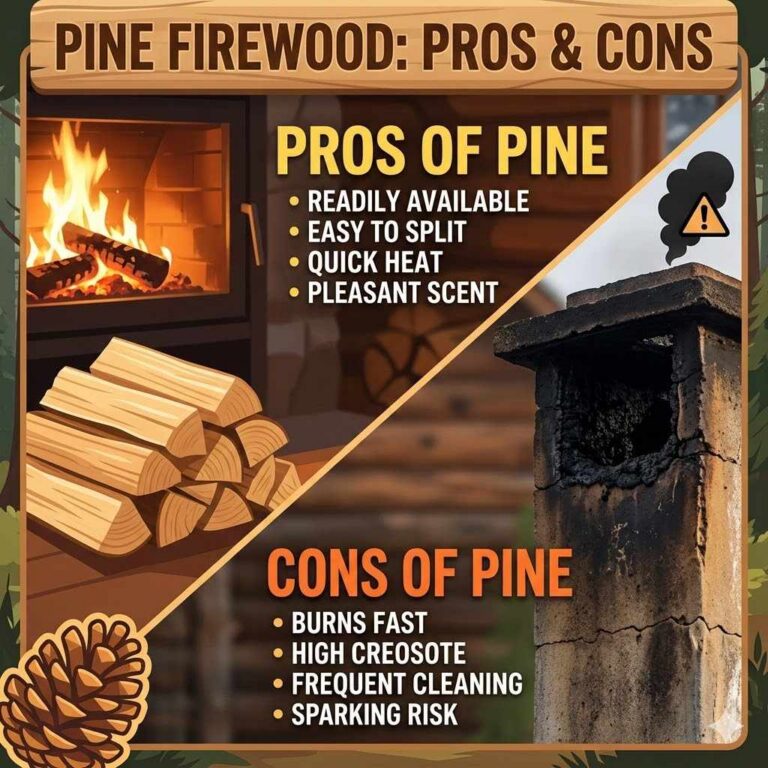
Pros and Cons Table
To make the decision even clearer, here’s a quick look at the advantages and disadvantages of each type of mulch.
| Mulch Type | Pros | Cons |
|---|---|---|
| Hardwood Mulch |
|
|
| Pine Mulch |
|
|
Real-World Examples and Scenarios
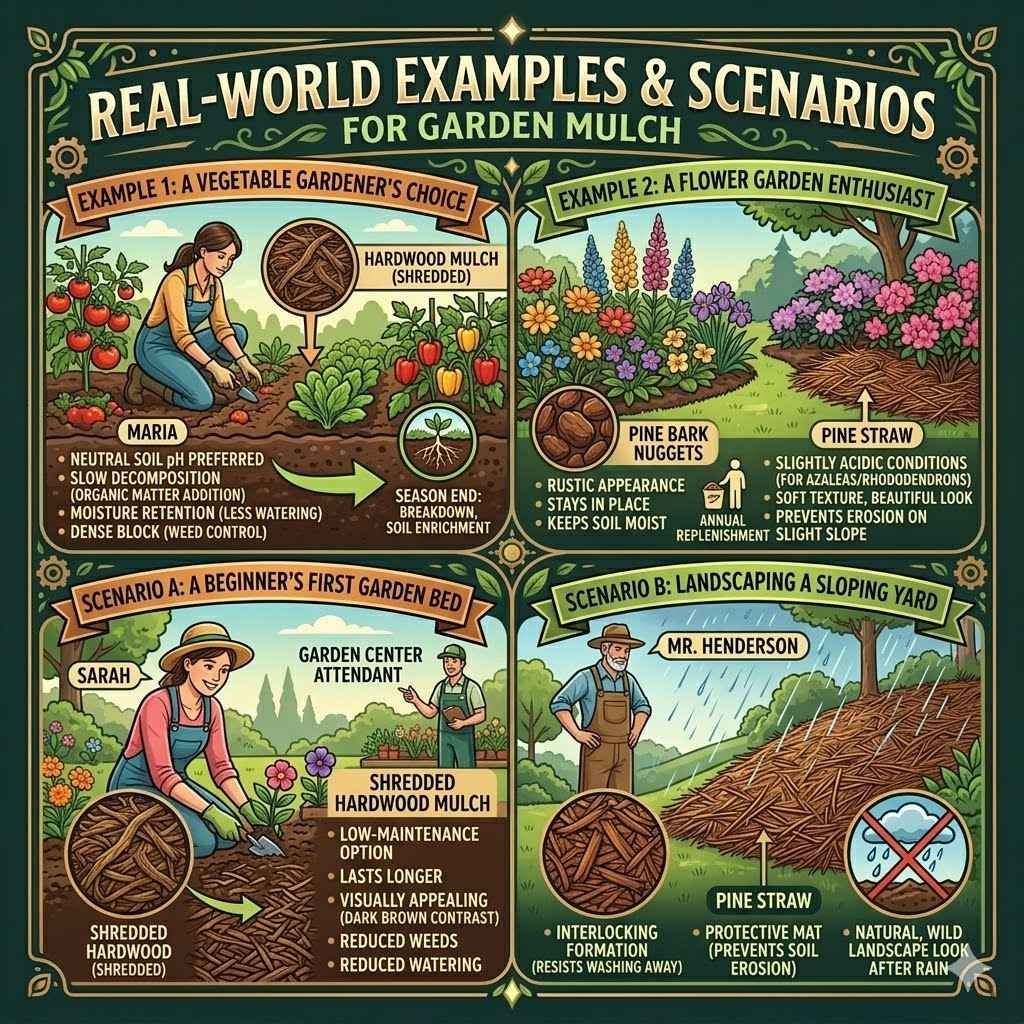
Let’s look at how different gardeners might choose between hardwood and pine mulch for their specific situations. These examples show how practical choices can be made based on garden needs and goals.
Example 1 A Vegetable Gardener’s Choice
Maria is planning her vegetable garden for the season. She wants to ensure her soil is healthy and rich for growing vegetables. She also wants to keep weeds down so her plants get all the nutrients.
Maria decides to use a shredded hardwood mulch. She knows that vegetables generally prefer a neutral soil pH, and hardwood mulch will provide that. Its slow decomposition means it will continuously add organic matter to her soil over the growing season without drastic changes.
Maria applies a good 3-inch layer of the hardwood mulch around her tomato plants, peppers, and leafy greens. She finds that it keeps the soil consistently moist, meaning she waters less often. The dense nature of the shredded mulch also does a great job of blocking out weed seedlings.
By the end of the season, the mulch has started to break down, enriching the soil for the next planting. She’ll likely only need to add a bit more next year.
Example 2 A Flower Garden Enthusiast
David loves his vibrant flower beds filled with colorful annuals and perennials. He’s also planted several azaleas and rhododendrons in a shadier corner of his yard. David chooses to use pine bark nuggets for most of his flower beds.
He enjoys their rustic appearance and the natural look they give his garden. The nuggets stay in place well, even with wind or light rain, and they help keep the soil moist for his flowers.
For the area with his azaleas and rhododendrons, David uses pine straw. He knows these plants thrive in slightly acidic conditions, and the pine straw will help maintain that. Plus, the soft texture of pine straw looks beautiful under the shrubs and helps prevent erosion on a slight slope.
He plans to replenish the pine bark nuggets and pine straw about once a year to keep everything looking its best.
Scenario A Beginner’s First Garden Bed
Sarah is a first-time gardener and wants to create a simple flower bed in her front yard. She wants something easy to manage and visually appealing. She visits her local garden center and sees both shredded hardwood mulch and pine bark nuggets.
The garden center attendant explains that hardwood mulch lasts longer and is good for most plants. Sarah decides to go with the shredded hardwood mulch because she wants a low-maintenance option.
She applies a 2-3 inch layer around her newly planted marigolds and petunias. Sarah is happy to see that the mulch helps her remember to water less frequently. She also notices far fewer weeds popping up than she expected.
The dark brown color makes her flowers really stand out, and she feels confident she made a good choice for her first garden project.
Scenario B Landscaping a Sloping Yard
Mr. Henderson has a yard with a noticeable slope, and he’s concerned about soil erosion, especially during heavy rains. He’s looking for a mulch that will stay in place and help hold the soil.
He considers pine straw because it’s known for its ability to interlock and form a protective mat that resists washing away. He also likes the natural, slightly wild look it gives to the landscape.
He decides to spread a thick layer of pine straw across the entire slope, ensuring it covers the soil well. He finds that after a few rain showers, the pine needles have settled nicely and seem to be effectively preventing the topsoil from being carried downhill. He is pleased with the dual benefit of erosion control and a more natural landscape appearance.
Frequently Asked Questions
Question: Which mulch is better for vegetable gardens
Answer: For vegetable gardens, shredded hardwood mulch is often recommended because it is pH neutral and breaks down slowly, improving soil over time without drastically changing its composition. It also provides good weed suppression and moisture retention.
Question: Will pine mulch make my soil too acidic
Answer: Pine mulch can be slightly acidic as it decomposes, which is beneficial for acid-loving plants. For most vegetables and other plants, this effect is usually very mild and temporary, and it generally does not cause significant problems. If you are concerned, you can test your soil’s pH.
Question: How thick should I apply mulch
Answer: A general recommendation is to apply mulch 2 to 3 inches deep. This thickness is usually enough to suppress weeds, retain moisture, and insulate the soil without smothering plant roots or hindering air circulation.
Question: How often do I need to reapply mulch
Answer: This depends on the type of mulch. Hardwood mulch typically lasts 12 to 18 months, while pine mulch may need replenishing every 6 to 12 months due to faster decomposition.
Question: Can I mix hardwood and pine mulch
Answer: Yes, you can mix different types of mulch. However, it’s usually best to stick to one type for a consistent look and to understand how it will affect your soil. If you do mix them, consider the properties of each and how they might interact.
Summary
Choosing between hardwood and pine mulch comes down to your garden’s needs and your personal preferences. Hardwood mulch offers durability and a neutral pH for most plants, while pine mulch provides a natural look and a slight acidity beneficial for specific plants. Both effectively suppress weeds and retain soil moisture.