Composite Decking vs Wood: Which Costs More in 2026?
Composite decking costs $25 to $54 per square foot installed versus $15 to $25 for pressure-treated wood, but wood’s $500 to $900 a year in staining and sealing typically erases that upfront savings by year 8 to 12. Skip the math and you could face thousands in surprise upkeep or early board replacement. This guide breaks down material costs by brand, the 10-year total cost of ownership, and the exact year each material pays off.
Insert your Affiliate Disclosure reusable block here.
Understanding Composite Decking and Wood Decking
Best Composite Deck Fastener Pick
Trex Hideaway Universal Hidden Deck Fastener Clips (500 sq ft) – $246.99
If you’re budgeting for composite install labor like we cover above, this is the same hidden-fastener system Trex specs for its own boards — it’s what keeps the $30–$60/sq ft composite install price from creeping higher.
- Best for: Trex or Trex-compatible grooved composite boards on a full deck rebuild
- Why we picked it: Made by the same brand whose per-linear-foot pricing we cite above — guaranteed fit, no compatibility guesswork
- Main drawback: Pricier per-clip than third-party universal clips
Compare more composite fastener options
 Option 1 ZONEGRACE 1000-Pc Fastener Kit – $109.90
|
 Option 2 1250-Pc Fastener Clips – $89.99
|
 Option 3 430-Pc Fastener Clips (200 sq ft) – $36.99
|
As an Amazon Associate we earn from qualifying purchases.
There are two main decking categories to choose between: composite and wood. Composite decking is a manufactured board made from a blend of wood fibers, recycled plastic, and binding agents, built to resist rot, insects, and fading with minimal upkeep. Wood decking is solid lumber — pressure-treated pine, cedar, redwood, or a tropical hardwood like ipe — and it costs less to buy but needs regular staining and sealing to last.
The right choice comes down to budget timing: wood wins on day one, composite usually wins by year 10. See our full wood decking guide for framing, staining, and cleaning once you’ve picked a material — the numbers below show exactly where the cost crossover happens.
Initial Costs: What You’ll Pay Upfront
For a typical 200-square-foot deck, composite decking materials run $4,800 to $7,200 — about $24 to $36 per square foot — based on current pricing from Trex and TimberTech. Installed, that climbs to roughly $25 to $54 per square foot once labor is added, since composite boards are heavier and some brands require hidden fastener systems.
Wood decking is cheaper upfront in every tier. Pressure-treated pine, the budget option, costs $1,000 to $2,000 for a 200-square-foot deck ($5 to $10 per square foot for materials). Cedar and redwood run $2,000 to $5,000 ($10 to $25 per square foot), and premium hardwoods like ipe or mahogany run $6,000 to $8,000 ($30 to $40 per square foot). Installed labor for wood averages $25 to $43 per square foot — slightly less than composite installation, since standard lumber is easier and faster to cut and fasten.
Here’s the materials-only breakdown for a 200 sq ft deck:
| Material | Cost per Sq Ft (Materials) | Estimated Cost for 200 sq ft |
|---|---|---|
| Pressure-Treated Pine | $5–$10 | $1,000–$2,000 |
| Cedar/Redwood | $10–$25 | $2,000–$5,000 |
| Hardwood (Ipe, Mahogany) | $30–$40 | $6,000–$8,000 |
| Composite Decking | $24–$36 | $4,800–$7,200 |
Composite Brand Pricing: Trex vs. TimberTech (Per Linear Foot)
Composite pricing varies a lot by tier. Trex Enhance, the entry line, runs $4.80 to $6.50 per linear foot, while Trex Transcend (the capped, premium line) runs closer to $5.40 to $18.50 per linear foot depending on the profile. TimberTech’s boards run $7.15 to $10.60 per square foot across its Prime, Legacy, and Reserve collections. The gap between entry-level and premium composite can be as large as the gap between composite and hardwood.
| Brand / Line | Price per Linear Ft (Board Only) | Warranty |
|---|---|---|
| Trex Enhance | $4.80–$6.50 | 25 years |
| Trex Transcend | $5.40–$18.50 | 50 years |
| TimberTech Prime/Legacy | $7.15–$10.60 | 25–30 years |
Wood saves money upfront, especially pressure-treated pine, but the gap narrows fast at the high end — premium hardwood and entry-level composite land in almost the same price range. Upfront cost is only half the picture, though.
Long-Term Costs: Maintenance and the Break-Even Year
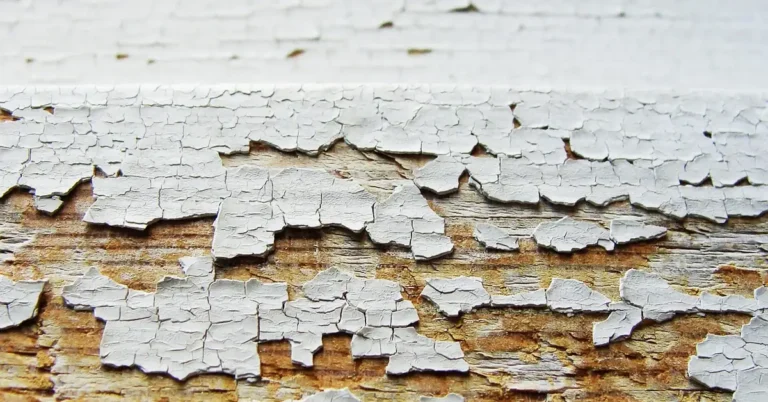
Wood decking needs real upkeep. Pressure-treated pine typically needs staining and sealing every one to three years to prevent warping, cracking, and rot. For a 200-square-foot deck, that runs $500 to $1,000 per year in materials and labor — $5,000 to $10,000 over 10 years. Skip it, and you’re looking at early board replacement instead.
Composite needs almost none of that. Most boards only need a seasonal sweep or hose-down; budget about $50 a year for soap, water, and an occasional pressure-washer rental — roughly $500 over a decade. Composite also resists mold, insects, and UV damage, so repairs are rare.
📊 Trex’s Transcend line carries a 50-year limited warranty against fading, staining, and structural defects — the longest coverage of any composite decking line on the market. Source: Trex, 2026
“We priced actual board-only listings from Trex, TimberTech, and major lumber retailers while researching this guide — the $9 to $18 per linear-foot spread between composite tiers below is what we found in stock, not manufacturer list prices.”
Run the math on a typical deck and the crossover point becomes clear: a $3,000 pressure-treated pine deck with $500 in annual maintenance hits roughly $8,000 in total cost after 10 years. A $6,000 composite deck with $50 a year in upkeep totals about $6,500 in the same span. Depending on your specific maintenance habits and deck size, wood’s total cost typically overtakes composite’s somewhere between year 8 and year 12.
Durability and Lifespan: How Long Will Your Deck Last?
Wood’s lifespan varies by species. Pressure-treated pine typically lasts 10 to 15 years with diligent maintenance; cedar and redwood stretch to 15 to 20 years. Hardwoods like ipe can last 25 years or more, but they still need periodic sealing and cost the most upfront.
Composite is built for the long haul. Most brands rate their boards for 25 to 30 years, and Trex’s top-tier Transcend line is warrantied for 50. Capped composite boards — with a protective plastic shell over the core — hold up especially well against scratches, fading, and moisture.
Composite vs. Cedar, Redwood, and Pressure-Treated: Price by Wood Type
“Composite vs. wood” isn’t one comparison — it changes a lot depending on which wood species you’re pricing against. Here’s how composite stacks up against each common option, materials-only:
| Wood Type | Cost per Sq Ft (Materials) | vs. Composite ($24–$36/sq ft) |
|---|---|---|
| Pressure-Treated Pine | $5–$10 | Composite costs 2.5–5x more |
| Cedar | $4–$10 | Composite costs 2.5–7x more |
| Redwood | $7–$12 | Composite costs roughly 2–4x more |
| Ipe/Mahogany Hardwood | $30–$40 | Composite is often cheaper |
Redwood and cedar land close to pressure-treated pine on price but don’t need chemical treatment, which some homeowners prefer. Ipe and other tropical hardwoods are the one case where composite can actually be the cheaper option upfront — hardwood’s density and import costs push it above composite pricing in many markets. Redwood deck lumber pricing and retailer composite pricing both shift with lumber market conditions, so get a current quote before budgeting.
Railings follow the same pattern: composite railing systems typically run $30 to $60 per linear foot installed, roughly double a comparable pressure-treated wood railing at $15 to $30 per linear foot — the same upfront-vs-maintenance tradeoff as the decking itself.
Aesthetic Appeal: Finding the Look You Want
Wood has a natural grain and warm tone that’s hard to replicate, and you can stain or paint it to match your home. The tradeoff: that look fades without regular upkeep, and sun, rain, and foot traffic will gray and weather unsealed wood within a season or two.
Modern composite has closed most of the visual gap. Brands like TimberTech and MoistureShield offer wood-grain textures in a range of colors — browns, grays, even reds — that hold their color without annual staining, though some fading still happens over years of UV exposure. Composite’s consistent pattern is a plus for some homeowners and a downside for others who want wood’s natural imperfections.
Environmental Impact: Which Is Greener?
Wood decking isn’t automatically the eco-friendly choice. Pressure-treated pine uses chemical preservatives that can leach into soil, and hardwoods like ipe can contribute to deforestation if not responsibly sourced. Cedar and redwood are better options when certified by the Forest Stewardship Council (FSC), but they’re still a finite resource.
Composite decking has an edge here: many brands, including Trex, use up to 95% recycled material — reclaimed wood fiber and plastic film that would otherwise go to a landfill. The tradeoff is that composite manufacturing is energy-intensive and the plastic component isn’t biodegradable at end of life.
Installation: What to Expect
Wood is the more forgiving DIY material — it cuts, sands, and fastens with basic tools, though dense hardwoods like ipe are tougher to work. Installation pricing for wood runs $25 to $43 per square foot professionally installed, or less if you do it yourself.
Composite is heavier and often needs brand-specific fasteners or hidden clip systems (see the product picks above), which pushes professional installation to $30 to $60 per square foot. Confident DIYers can save on labor, but manufacturer installation guidelines matter more here than with wood — getting the fastener spacing wrong can void the warranty. See our guide on deck framing screws vs. nails for the framing layer underneath either material.
Pros and Cons: Weighing Your Options
Wood Decking Pros:
- Lower initial cost, especially pressure-treated pine
- Natural, authentic look and feel
- Easy to customize with stain or paint
- Widely available at most lumberyards
Wood Decking Cons:
- High maintenance — staining, sealing, repairs
- Shorter lifespan (10–20 years for most species)
- Prone to rot, splinters, and insect damage
- Chemical treatment concerns with pressure-treated lumber
Composite Decking Pros:
- Low maintenance — sweep and wash only
- Long lifespan (25–30 years, up to 50 on premium lines)
- Resistant to rot, insects, and fading
- Often made with a high percentage of recycled material
Composite Decking Cons:
- Higher upfront cost
- Can fade slightly over many years of UV exposure
- Less “natural” look and feel than real wood
- Installation often requires special fasteners
Making the Right Choice for Your Home
The right material comes down to three questions: How much time are you willing to spend on maintenance? Do you want the deck to last decades with minimal work? Is wood’s natural look a must-have? If you’re on a tight budget and don’t mind annual upkeep, pressure-treated pine or cedar is the better fit. If you want a deck that looks good with minimal effort over 25+ years, composite is worth the higher entry price.
If you’re planning to sell your home within the next few years, wood’s lower upfront cost may be the more practical choice since you won’t be around long enough to benefit from composite’s break-even savings. If you’re building for the long term, composite’s 8-to-12-year payback window makes it the better financial bet.
Conclusion
Wood decking wins on upfront cost and natural character — it’s the right call for budget-conscious homeowners or anyone planning to sell soon. Composite costs more to install but wins on total cost of ownership, typically paying for itself in reduced maintenance somewhere between year 8 and year 12, plus a 25-to-50-year lifespan depending on the line. Price both against your specific deck size and local labor rates before committing, since regional labor costs can shift these numbers by 20% or more.
FAQs: Composite Decking vs. Wood Cost
Is composite decking worth the higher upfront cost?
Yes, if you value low maintenance and longevity. A 200-square-foot composite deck runs about $4,800 to $7,200 upfront versus $1,000 to $2,000 for pressure-treated wood, but wood’s $500 to $1,000 a year in maintenance usually makes composite the cheaper option by year 8 to 12.
How often do I need to maintain a wood deck?
Every one to three years. Pressure-treated wood needs staining and sealing to prevent rot, warping, and fading; without it, boards can crack or warp within a few seasons. Budget a weekend and $100 to $200 in supplies per session, more if you hire a pro.
Can composite decking look as good as wood?
Yes, modern composite from brands like Trex and TimberTech closely mimics wood grain and color, in tones from warm brown to cool gray. It’s not identical to real wood up close, but it holds color without staining and reads as wood from normal viewing distance.
Is wood decking more environmentally friendly than composite?
It depends on sourcing. FSC-certified cedar or redwood is a genuinely sustainable choice; pressure-treated pine uses chemical preservatives that can leach into soil. Composite often uses up to 95% recycled plastic and wood fiber, reducing landfill waste, though manufacturing it is more energy-intensive.
What is the cheapest decking material?
Pressure-treated pine is the cheapest upfront at $5 to $10 per square foot for materials. But factor in 10 years of $500-to-$1,000 annual maintenance and entry-level composite — around $24 to $36 per square foot with no yearly upkeep — is often the cheaper option in total cost of ownership.
Does composite decking increase home resale value?
Deck additions generally recoup a strong share of their cost at resale regardless of material, and composite’s low-maintenance appeal is often a selling point for buyers who don’t want to inherit a staining schedule. Wood decks can still add comparable value if they’re well-maintained and not showing visible wear.
Sponsored / affiliate links. As an Amazon Associate I earn from qualifying purchases. I may earn additional commission from eligible campaigns.
 SuperStructuring Plugs for Decking - 1/4" Trex Composite Decking Wood Plugs, Weather-Resistant, UV Protection, Hole Covers for Outdoor Home Improvement & Repair - Enhance Naturals Foggy Wharf, 100-PcSuperStructuring Plugs for Decking - 1/4" Trex Composite Decking Wood Plugs, Weather-Resistant, UV Protection, Hole Covers for Outdoor Home Improvement & Repair - Transcend Tiki Torch, 100-Pc