Can Cedar Chips Be Used As Mulch? (Depth, Myths & Safe Use)
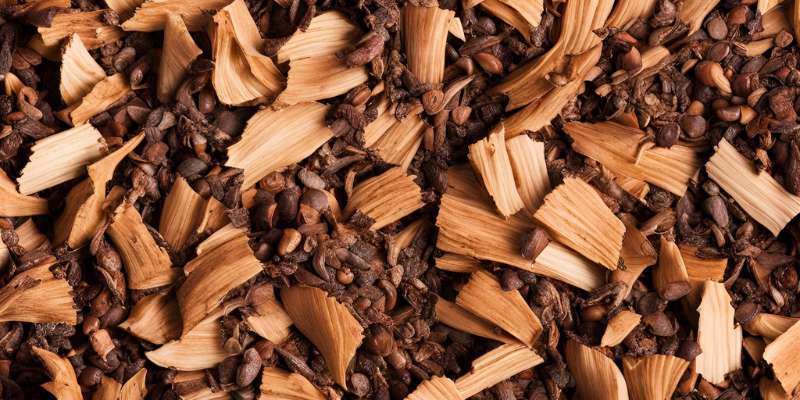
Yes, cedar chips can be used as mulch — spread fine chips 1 to 2 inches deep or coarse chips 3 to 4 inches deep, keeping the layer off plant stems. Piling mulch too thick or against stems traps moisture and causes rot. This guide covers the right application depth, the allelopathy myth research has already debunked, and how cedar stacks up against pine and hardwood mulch.
Insert your Affiliate Disclosure reusable block here
Benefits of Using Cedar Chips as Mulch
Best Cedar Mulch Pick
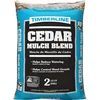
OLDCASTLE Lawn & Garden Cedar Mulch 2CF – $27.50
A 2-cubic-foot bag sized right for the 2-4 inch depth this guide recommends around a few beds — 100% shredded cedar, no dye.
- Best for: Small to medium garden beds needing reliable coverage
- Why we picked it: Established garden brand, 4.2 stars, sized for the depth guidance above
- Main drawback: A few reviewers note a fainter cedar scent in some batches
Compare more cedar mulch options
 Option 1 Cedar Wood Chip Mulch, 42 Quarts – $29.99
|
 Option 2 Cedar Mulch, 3.0 Cu. Ft. Bag – $49.99
|
 Option 3 MIGHTY109 Cedar Mulch, 40+8 Qt – $29.99
|
As an Amazon Associate we earn from qualifying purchases.
Cedar chips block sunlight from reaching weed seedlings, so a full-coverage layer meaningfully cuts down on weeding. The chips also slow evaporation from the soil surface, which means less frequent watering during hot stretches — helpful in a cedar-mulched bed versus bare soil.
Because cedar is naturally dense, it breaks down slower than softer mulches like pine straw or shredded hardwood, so you’re not replenishing it every season. It also has a natural aroma that many gardeners find pleasant, and the reddish-brown color holds up visually longer than mulches that fade to gray within a few months.
📊 Cedar mulch typically needs replenishing only once every 1-2 years, compared to straw or grass-clipping mulch that often breaks down within a single growing season — Source: University of Maine Cooperative Extension, 2024
If you already have cedar shavings or planer chips left over from a woodworking project, don’t toss them — untreated, unfinished cedar offcuts from the shop work just as well as bagged garden-center mulch, and it’s free. Just skip any wood that’s been stained, painted, or pressure-treated; only bare, natural cedar belongs in the garden.
How to Apply Cedar Chip Mulch
The right depth depends on chip size: fine, shredded cedar settles densely, so 1 to 2 inches is enough to block light and hold moisture. Coarser, chunkier chips have more air gaps, so they need 3 to 4 inches to do the same job. If you’re not sure how many bags to buy for your bed size, see how much cedar mulch you need before you shop. Here’s the full process:
- Clear the bed: Pull existing weeds and rake away debris so the mulch sits directly on soil, not on top of old growth that will just push through.
- Water first if the soil is dry: Mulch traps whatever moisture is already there — spreading it over bone-dry soil locks in the dryness instead of solving it.
- Spread to the right depth: Use 1-2 inches for fine/shredded cedar or 3-4 inches for coarse chips, per the sizing above.
- Leave a gap at every stem: Keep mulch 2-3 inches back from stems and trunks. Piling it directly against a stem (a “mulch volcano”) traps moisture against the bark and invites rot and pests.
- Rake it level: Even out the layer so water and air reach the soil uniformly instead of pooling in low spots.
- Check every few weeks: Fluff compacted spots and top off any areas that have thinned, especially after heavy rain.
Is Cedar Mulch Toxic to Plants? Debunking the Allelopathy Myth
Allelopathy is when one plant releases chemicals that suppress the growth of others nearby — black walnut is the textbook example, and it’s the real reason some gardeners assume all wood mulches are risky. Cedar gets lumped in by association, but that assumption doesn’t hold up under research.
Washington State University Extension horticulturist Linda Chalker-Scott reviewed the available research on this specifically and found no documented evidence that cedar (Thuja or true Cedrus species) is allelopathic to plant tissue. Cases where plants struggle near cedar mulch are more often explained by nitrogen tie-up at the soil surface, poor drainage, or simply too thick a layer — not toxicity.
“There is virtually no documented evidence for allelopathic activity in either Thuja or Cedrus [cedar] species… these worries have not been supported by experimental evidence.”
The one real caveat: fresh, unweathered wood chips of any species can temporarily pull nitrogen from the soil as microbes break them down — but that effect happens at the soil surface and mainly affects shallow-rooted seedlings, not established plants with deeper roots. For vegetable beds or seedlings specifically, let cedar chips age for a season first, or keep them as a top dressing rather than working them into the soil.
Potential Drawbacks of Cedar Chip Mulch
Cedar’s biggest real drawbacks are cost and a mild, slow shift in soil pH — not the toxicity myth above. See our full rundown of cedar mulch’s disadvantages for a deeper look at each one.
Soil Acidity
Cedar mulch can nudge soil slightly more acidic as it breaks down over years, which matters for plants that need neutral-to-alkaline soil (lilacs and clematis, for example). It’s a minor, gradual effect — not enough to worry about for one season, but worth checking with a $10 soil pH tester if you’re mulching the same bed year after year. Add garden lime if the pH drifts below what your plants need.
Cost
Bagged cedar mulch runs roughly $27-$50 for 2-3 cubic feet — more than straw, shredded leaves, or grass clippings, which can be free. Cedar earns the higher price back over time since it lasts 1-2 years between refreshes instead of one season, but for a large area on a tight budget, a cheaper mulch replenished more often may pencil out better.
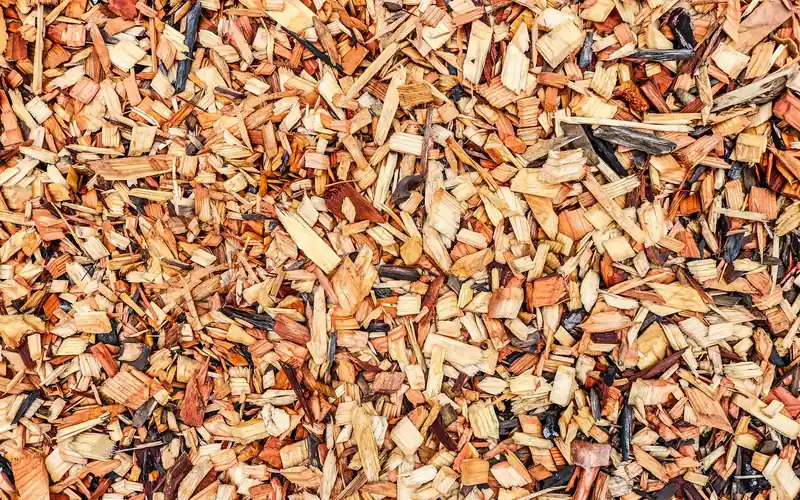
Cedar Chips vs. Other Mulch Types
| Mulch Type | Typical Lifespan | Relative Cost | Best For |
|---|---|---|---|
| Cedar chips | 1-2 years | $$$ | Beds you don’t want to redo often; naturally fragrant |
| Pine bark/straw | 6-12 months | $$ | Acid-loving plants (azaleas, blueberries) |
| Shredded hardwood | 6-9 months | $ | General beds on a budget; mats down to resist wind |
| Straw / grass clippings | One season | Free-$ | Vegetable beds needing a fast-breakdown, soil-building mulch |
Cedar wins on longevity and appearance; straw and grass clippings win on cost and how quickly they feed the soil as they break down. For a bed you want to look good with minimal upkeep, cedar is worth the premium. For a vegetable garden you’re actively amending every season anyway, a faster-breaking-down mulch usually makes more sense.
Cedar Mulch, Pests, and Pets
Cedar’s aromatic oils are real, but the “repels everything” claim gets overstated — see our dedicated look at whether cedar actually repels bugs for the full picture. The evidence supports a mild, short-term deterrent effect on some insects near fresh mulch — not a guarantee against ants, termites, or fleas. If pest control near pets is your main goal, see our deeper look at whether cedar mulch actually repels fleas and whether cedar chips are safe for dogs before relying on mulch alone as pest protection.
Tips for Maintaining Cedar Mulch
Rake the mulch every few weeks to keep it from matting down, especially after rain — a compacted layer blocks air and water from reaching the soil almost as much as no mulch at all. Watch damp, shaded areas for mold; if you spot it, rake the spot out to expose it to air, or remove and replace that patch. Refresh the whole layer roughly once a year, removing any faded or fully broken-down mulch first rather than piling new on top of old.
Frequently Asked Questions
Can Cedar Chips Be Used As Mulch?
Yes. Cedar chips suppress weeds, retain soil moisture, and last longer than softer mulches like straw or hardwood. Apply 1-2 inches for fine chips or 3-4 inches for coarse chips, kept clear of plant stems.
Do Cedar Chips Repel Insects?
Cedar’s natural oils provide a mild, short-term deterrent effect on some insects, but research doesn’t support it as a reliable repellent for ants, termites, or fleas. Treat any pest-control benefit as a bonus, not the main reason to mulch.
Are Cedar Chips Good For Plant Health?
Yes, for established plants. Cedar chips prevent weed growth, retain soil moisture, and moderate soil temperature. Keep them away from seedlings and young transplants until the chips have aged, since fresh wood can temporarily tie up surface nitrogen.
Do Cedar Chips Decompose?
Yes, but slowly — that’s cedar’s main advantage over other mulches. Most bagged cedar mulch holds its look and function for 1 to 2 years before needing a full refresh, versus one growing season for straw or grass clippings.
Is Cedar Mulch Toxic or Harmful to Plants?
No. WSU Extension research found no documented evidence that cedar is allelopathic (toxic) to nearby plants, unlike black walnut. Any plant struggles near cedar mulch are more likely from a too-thick layer, poor drainage, or temporary surface nitrogen tie-up — not the wood itself.
Is Cedar Mulch Safe for Vegetable Gardens and Seedlings?
Use it carefully. Fresh cedar chips can pull nitrogen from the soil surface as they start breaking down, which mainly affects shallow-rooted seedlings. Let chips age for a season first, or keep them as a top dressing around established vegetable plants rather than working them into the soil near young roots.
How Often Should You Replace Cedar Mulch?
About once every 1 to 2 years for a full refresh, though it’s worth raking and topping off thin spots every few months in between. Remove faded or fully broken-down mulch before adding a new layer rather than stacking fresh on top of old.
Conclusion
Cedar chips are a solid mulch choice for most garden beds: they suppress weeds, hold moisture, and outlast cheaper mulches by a year or more. Match the depth to the chip size — 1-2 inches for fine chips, 3-4 inches for coarse — keep it off plant stems, and let it age before using it around seedlings. The toxicity worry doesn’t hold up to research, so the real decision comes down to cost versus how long you want the mulch to last.
Sponsored / affiliate links. As an Amazon Associate I earn from qualifying purchases. I may earn additional commission from eligible campaigns.