Helical Vs Spiral Cutter Head: Which One is Best?
When it comes to woodworking, the tools you choose can make all the difference in the quality of your work. If you’ve ever wondered about the difference between helical and spiral cutter heads, you’re not alone.
You might be asking yourself: which one should I use for my projects? How do they affect the finish of the wood? Understanding these differences is crucial for achieving the results you desire. Imagine the satisfaction of working with tools that give you smoother cuts, quieter operation, and less wear and tear on your equipment.
You deserve to know which cutter head will maximize your efficiency and elevate your craftsmanship. Dive into this article, and you’ll gain insights that could transform your woodworking experience. You’ll see why choosing the right cutter head isn’t just a technical decision—it’s a step towards mastering your craft.
Helical Cutter Head Basics
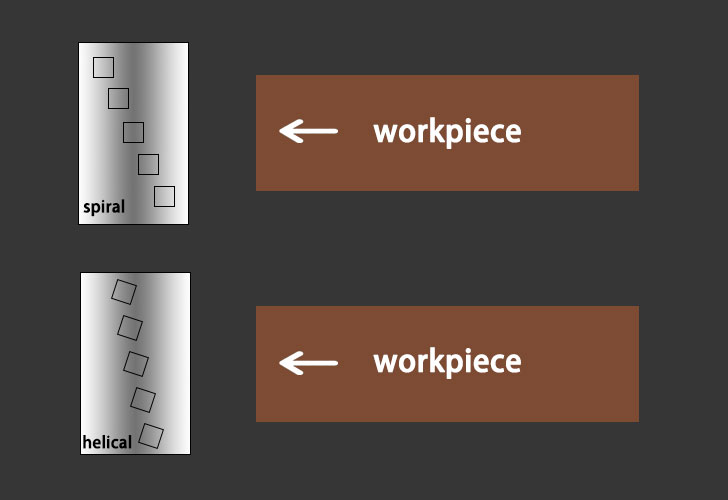
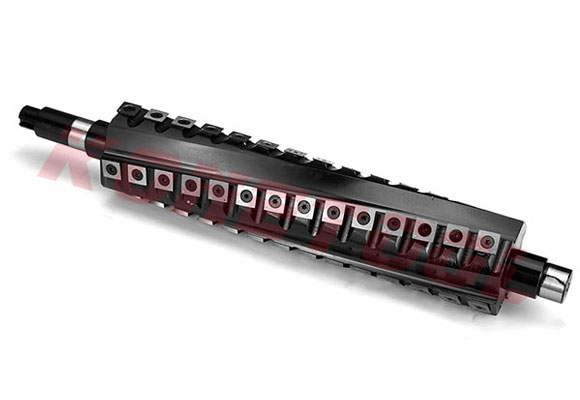
The helical cutter head is a tool used in woodworking. It has small, square blades. These blades are placed in a spiral pattern. This design helps in smooth cutting. It reduces noise and makes less dust. Woodworkers like it because it makes clean edges. The cutter head is often used with planers and jointers. People prefer it for its efficiency. It lasts longer than other cutter heads. The blades can be turned when dull. This saves time and money.
Installation is simple. Many machines come with it already. The cost can be higher. But it’s worth it for the quality and performance. Wood becomes more beautiful after cutting. Many people find it easy to use. That’s why it’s popular among woodworkers.
Spiral Cutter Head Features
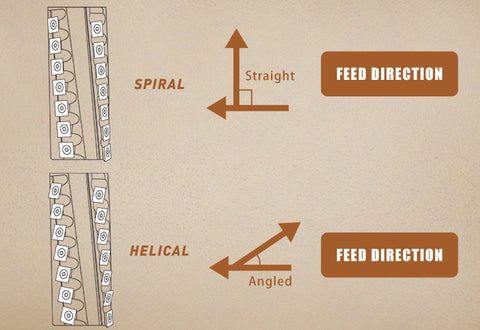
Spiral cutter heads are known for their smooth cutting. They feature small, square blades arranged in a spiral pattern. This design helps in reducing noise during operation. The blades cut the wood at an angle, making the process efficient and clean.
These cutter heads also offer easy blade replacement. If a blade gets dull, it can be rotated to use a fresh edge. This extends the life of the cutter head and ensures consistent performance. Spiral cutter heads are often preferred for their durability and reliability in woodworking tasks.
Key Differences
Helical cutter heads have angled knives. Spiral cutter heads have straight blades. Helical designs are smoother when cutting. Spiral designs are simple but less smooth. Both have multiple blades for efficiency.
Helical cutter heads offer cleaner cuts. Spiral cutter heads cut faster but less cleanly. Helical heads reduce tear-out on wood. Spiral heads are quick and good for soft woods. Helical heads are better for hard woods.
Helical cutter heads are quieter when working. Spiral cutter heads can be louder. Noise levels are important in small workshops. Helical heads reduce vibration and noise. Spiral heads may require ear protection.

Credit: www.youtube.com
Performance Analysis
Helical cutter heads can handle hard materials well. They work smoothly on wood and metal. Spiral cutter heads are also good but not as strong. They are best for soft materials. Helical designs use angled blades. This helps in even cutting. Spiral heads use straight blades. This can make cutting less smooth.
Helical heads give a smooth finish. They reduce tear-out and chipping. Spiral cutter heads can leave marks on surfaces. This makes them less ideal for fine work. Helical designs often use smaller blades. This allows for a finer cut.
Helical heads are very durable. They need less maintenance over time. The blades are easy to replace. Spiral cutter heads may need more frequent changes. They can wear out quicker. Helical heads require less sharpening. This saves time and effort.
Cost Considerations
Helical cutter heads are often more expensive than spiral cutter heads. This is due to the advanced design and precision engineering. Many woodworkers choose spiral cutters for their lower upfront cost. It is important to weigh the initial spending against the long-term benefits. Some believe better performance justifies the higher price.
Helical heads might save money over time. Durability means less frequent replacements. Maintenance costs are lower due to fewer blade changes. Spiral heads may need replacement blades more often. This can add up in cost. Consider how long-term savings can offset the initial price. Many find helical heads more cost-effective in the long run.
Credit: www.konetool.com
User Preferences And Feedback
Woodworkers often share their thoughts on cutter heads. Some prefer helical for its smooth cuts. Others like spiral for less noise. Both types have fans. Many users find helical lasts longer. Some say spiral is cheaper. Cost matters to buyers. Feedback shows helical is good for hardwood. Spiral works well with softwood. Each has strong points.
People talk about ease of use. Helical is easy to maintain. Spiral is simple to install. Woodworkers want tools that save time. Users notice the finish quality. Helical gives a clean surface. Spiral offers a fair finish. Opinions vary among users. Reviews help new buyers decide.
Applications In Woodworking
Professional workshops often choose helical cutter heads
Choosing The Right Option
Different projects need different tools. Helical cutter heads are great for smooth finishes. Spiral cutter heads are ideal for heavy-duty tasks. Each cutter works best in certain situations. Knowing your project’s needs helps in choosing the right tool. Think about the material you are working with.
Beginners might find helical cutters easier to use. They are simple and forgiving. Spiral cutters may require more skill. They offer more control but need experience. Your comfort level matters. Choose what you can handle. Practicing helps improve your skills over time.
Credit: www.konetool.com
Frequently Asked Questions
Which Is Better, A Spiral Or A Helical Cutterhead?
A helical cutterhead is better for smoother cuts and reduced noise. A spiral cutterhead offers easy blade replacement. Choose based on priority: smoother finish or maintenance convenience.
Are Helical Head Planers Better?
Helical head planers provide quieter operation and smoother cuts. They excel at minimizing tear-out on wood surfaces. Their carbide cutters last longer, reducing maintenance costs. For woodworking precision and efficiency, helical head planers are often preferred over traditional ones. They are ideal for professionals seeking high-quality finishes.
Are Helical And Spiral The Same?
Helical and spiral are different shapes. Helical refers to a 3D coil-like structure, while spiral is flat and circular. Both are winding, but helical has a vertical axis, and spiral lies on a plane. Understanding their differences is crucial for accurate descriptions in design and engineering contexts.
What Is The Difference Between Helical And Spiral Path?
Helical paths move in a three-dimensional corkscrew manner. Spiral paths lie flat, expanding outward in a circular pattern. Helical is used in screws, while spiral is found in galaxies and whirlpools. Understanding their differences aids in engineering and natural phenomena studies.
Conclusion
Choosing between helical and spiral cutter heads? It depends on your needs. Helical heads offer quieter operation. Spiral heads provide smoother finishes. Consider the type of wood you work with. Think about your budget too. Helical heads can be pricier.
Spiral heads may need more maintenance. Both have their strengths. Your choice should fit your projects. Prioritize efficiency and outcome. Evaluate your workshop’s requirements. Make an informed decision that suits you. Happy woodworking!