Homemade Beehive: A Step-by-Step Guide to Boost Your Garden
Curious about homemade beehives? You’re not alone.
Many people are discovering the joys of beekeeping right in their backyard. Creating a homemade beehive is a rewarding project. It connects you with nature and supports the environment. Bees play a vital role in pollination, helping plants grow and reproduce.
With a homemade beehive, you can contribute to this process while enjoying fresh honey. You don’t need to be an expert to start. With some basic materials and a bit of patience, you can build a safe and comfortable home for your bees. Plus, the experience of watching your hive thrive is truly amazing. Ready to dive in? Let’s explore the basics of creating your own beehive.
Introduction To Homemade Beehives
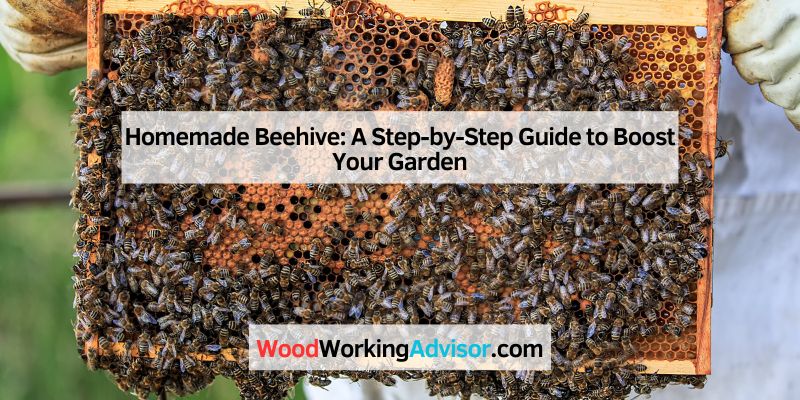
Beekeeping is a fun hobby. It helps our environment. Bees make honey. Honey tastes sweet and delicious. Homemade beehives are easy to make. They can save money. You can enjoy fresh honey at home.
Beekeeping has many benefits. First, it helps plants grow. Bees pollinate flowers. This improves the garden. Second, bees make honey. Honey is natural and healthy. Third, it is good for the planet. Beekeeping supports bee populations.
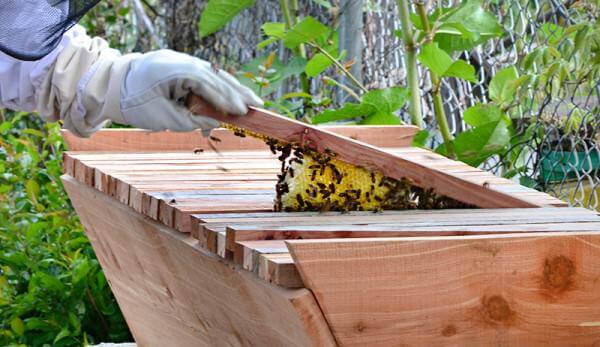
Choose the right hive for your bees. The Langstroth hive is popular. It has removable frames. This makes it easy to check on the bees. Top-bar hives are simple. They are good for small spaces. Warre hives mimic natural bee habitats. They are good for beginners.
Credit: insteading.com
Essential Tools And Materials
Hammer is essential for building the hive. Nails hold the pieces together. Saw is used to cut wood to size. Measuring tape ensures accuracy. Screwdriver tightens screws. Protective gloves keep your hands safe. Bee brush gently moves bees. Hive tool helps open the hive.
Wood should be strong and untreated. Frames hold the honeycomb. Foundation sheets guide bees. Beeswax can be used for coating. Entrance reducer controls hive access. Queen excluder keeps the queen in place. Feeder provides food for bees. Smoker calms the bees.
Building The Hive Structure
Start by measuring and cutting the wood. Use a saw for precise cuts. Make sure all pieces fit well together. Assemble the parts using nails or screws. Check the alignment of each piece. Adjust if necessary to ensure a snug fit. Sturdy joints are important for the hive.
Secure the base to prevent tipping. Double-check the stability by gently pushing the hive. Reinforce weak spots with extra nails. Smooth edges to avoid splinters. Safety is key for both you and the bees. Stable hives help bees thrive.

Credit: www.honeybeesuite.com
Preparing The Hive For Bees
It’s crucial to keep the hive clean. Dirty hives attract pests. Use warm water and soap. Scrub every corner. Rinse well. Let it dry completely. This prevents mold. Bees need a safe home.
Frames hold the honeycomb. Fit them snugly. Use wax foundation. This guides bees. They build their comb on it. Ensure frames are evenly spaced. This helps bees work efficiently. Bees like orderly spaces. It makes their job easier.
Introducing Bees To The Hive
Bee species matter for your hive. Honeybees are popular. They produce lots of honey. Bumblebees are good for pollination. They work well in gardens. Native bees can be easier to care for. They adapt to local climates. Choose the species that fits your needs.
There are two main methods to install bees. Package bees are common. They come in a box with a queen. Simply open the box inside the hive. Nucleus colonies, or nucs, are another option. They come with frames of bees and brood. Place the frames inside your hive. Ensure the queen is inside. Bees will start working quickly. Both methods are effective.
Maintaining Your Beehive
Inspect your beehive every two weeks. Look for signs of disease or pests. Check if bees are producing enough honey. Remove any dead bees. Ensure there is enough space for bees to move.
Wax moths can destroy your hive. Use traps to catch them. Varroa mites are harmful to bees. Treat them with special strips. Queen problems can affect the hive. Replace the queen if she is not laying eggs. Diseases like foulbrood can spread quickly. Use antibiotics to treat them.
Harvesting Honey
Honey is ready when the comb is sealed. Bees cover the comb with wax caps. This shows the honey is dry and ready. Waiting too long can spoil the honey. Bees work hard to make honey. Be sure to leave some for them. They need it for winter.
Use a clean knife to cut the wax caps. A special tool called an uncapping fork also works. Gently scrape the wax off. Be careful not to damage the comb. Place the frames in an extractor. Spin them to release the honey. Strain the honey to remove any wax bits. Store the honey in clean jars. Keep the jars in a cool, dark place.
Supporting Your Garden With Bees
Bees help plants grow better. They move pollen from one flower to another. This makes more fruits and vegetables. Your garden will look full and colorful. Bees are very busy workers.
Bees make plants strong. Strong plants need less water. They also fight off bugs better. Healthy plants give more food. Bees are your garden’s best friends.
Conclusion And Final Tips
Check your hive every few weeks. Look for signs of disease or pests. Ensure the bees have enough food. Keep the hive clean and dry. Rotate frames to prevent overcrowding. Use a smoker to calm bees during inspections.
Plant bee-friendly flowers nearby. Avoid pesticides that harm bees. Provide fresh water for your bees. Support local beekeeping groups. Educate others about the importance of bees. Share your honey with friends and family.

Credit: livelovefruit.com
Frequently Asked Questions
How To Build A Homemade Bee Hive?
To build a homemade bee hive, gather materials like wood, nails, and frames. Cut and assemble parts for the hive box. Ensure proper ventilation and space for bees. Paint the exterior with non-toxic paint. Place the hive in a safe, shaded area.
Is It Cheaper To Build Your Own Beehive?
Yes, building your own beehive can be cheaper. It saves money on materials and labor costs. DIY beehives also offer customization options.
What Is The 3 Feet 3 Mile Rule For Bees?
The 3 feet 3 mile rule for bees advises moving hives either less than 3 feet or more than 3 miles. This prevents bees from getting disoriented and helps them find their new location easily.
What Is The 7/10 Rule In Beekeeping?
The 7/10 rule in beekeeping suggests inspecting hives every 7 to 10 days. This helps manage hive health and prevent swarming.
Conclusion
Building a homemade beehive is a rewarding project. It nurtures local bee populations and supports the environment. Bees play a crucial role in pollination. So, your effort helps nature flourish. Plus, harvesting your honey is satisfying. Follow simple steps, and you can enjoy the benefits.
Happy beekeeping!