Sam Maloof Rocking Chair Plans: Real Sources, Not Just a PDF Myth
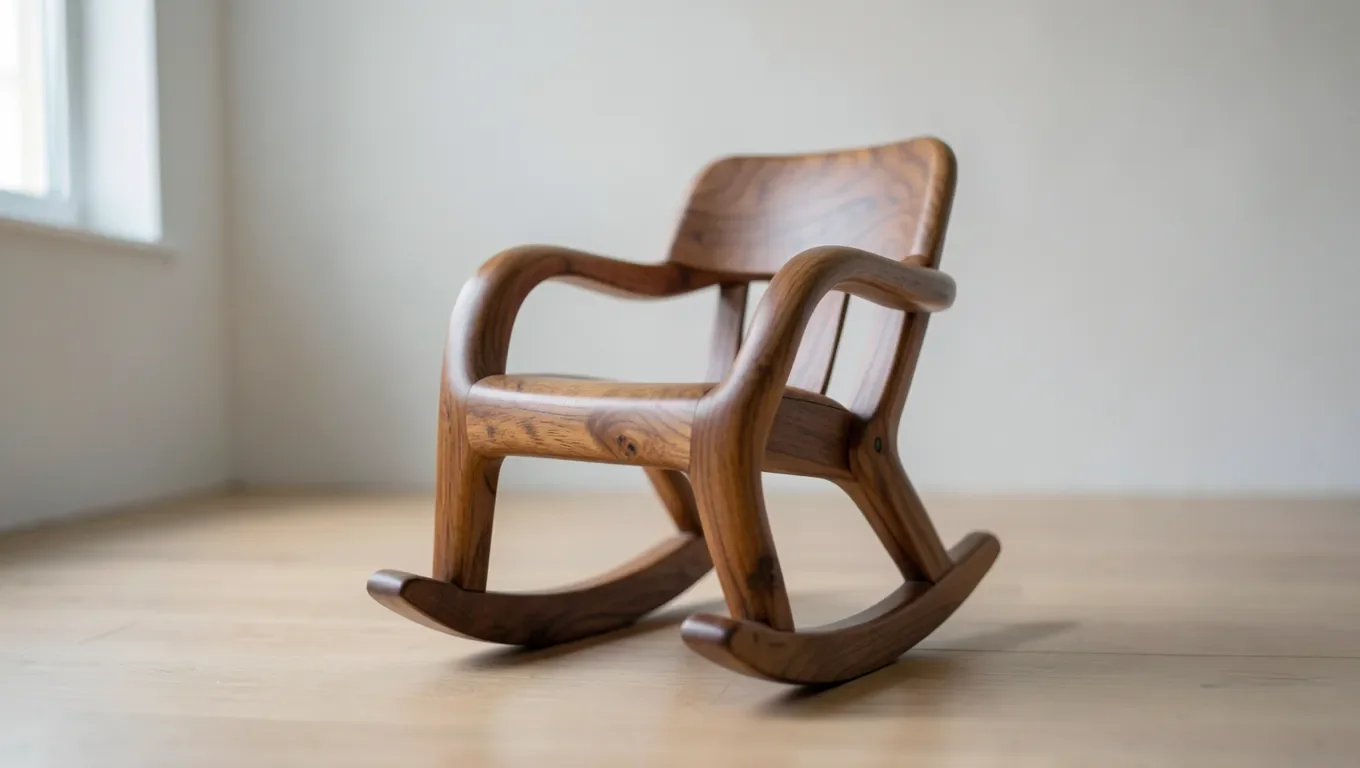
Search “sam maloof rocking chair plans pdf” and you’ll find a lot of pages implying a free official pattern exists. It doesn’t – Maloof never published one universal PDF, and his own workshop builds each chair to order rather than selling plans. What actually exists are a handful of legitimate, purchasable plan sources plus published build specs, and this guide points to the real ones.
Where Real Maloof-Style Rocker Plans Actually Come From
Best Rocker-Building Bandsaw Blade Pick
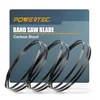
POWERTEC Bandsaw Blade Assortment – $29.99
Rough-cutting the seat blank outline and rocker runner curves starts on a bandsaw — this assortment covers the blade widths a chair build actually needs.
- Best for: Cutting the seat blank and curved rocker runners
- Why we picked it: Multiple TPI/width options in one pack instead of buying blades one at a time
- Main drawback: An assortment pack means some blades you won’t use on this project
Compare more rocker-building supply options
 Option 1 TARIST 3-Piece Wood Rasp File Set – $14.99
|
 Option 2 Barrington Hardwoods Walnut Lumber (3/4″ x 6″ x 36″, 2 pc) – $49.22
|
 Option 3 Titebond III Ultimate Wood Glue, 16 oz – $9.98
|
Three sources have an actual track record here, rather than being reprinted blog filler:
- Hal Taylor’s plans (available through his own site and rockingchairuniversity.com) – Taylor has built and sold plans for this style of rocker for decades and remains active answering builders’ questions directly, which is more support than a generic PDF gives you.
- Fine Woodworking’s “How I Make a Rocker” – a published, first-person account from Maloof himself covering his actual seat-blank and joint construction (membership-gated, but it’s the closest thing to an authoritative written source).
- Our own guide to finding real Maloof chair templates – covers full-scale pattern sources specifically, including for the low-back version of this design.
The Real Build Specs (Not Generic Filler)
A few concrete numbers, sourced from Maloof’s own published account of his process, that most articles on this topic skip entirely:
- The seat is glued up from 8/4 (2-inch) stock – typically five boards, each at least 22 inches long and 3 to 7 inches wide, glued edge to edge to reach roughly a 20-inch finished width.
- A complete rocker realistically takes over 200 hours of shop time from rough lumber to finished chair – useful to know before committing to this as a first chair-building project.
- The legs lock into the seat with the same rabbeted Maloof joint used across his chair line, assembled oversized and then hand-carved down to its final flowing shape – not cut to final dimension before glue-up.
Materials And Tools You’ll Actually Need
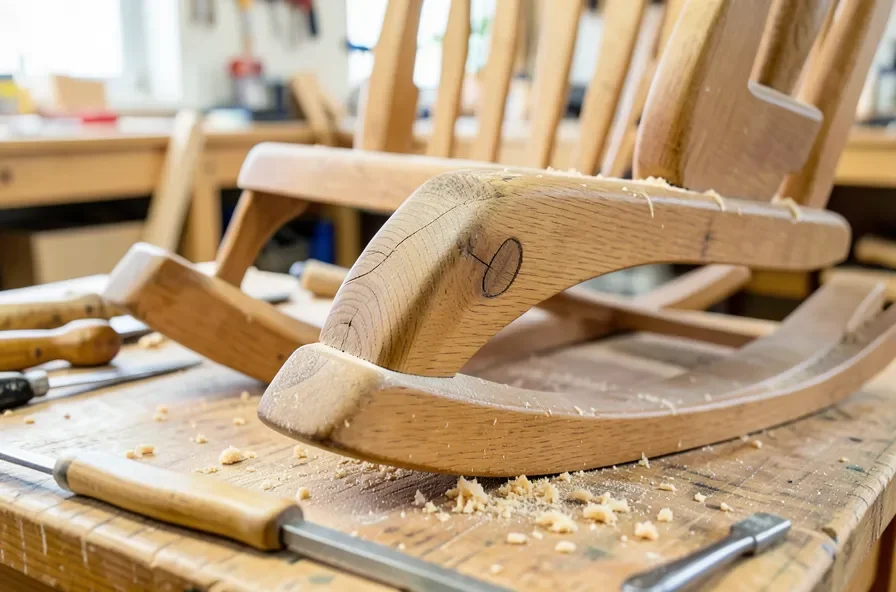
Real Maloof-style rockers are built in walnut (his signature wood) or sapele, not the oak/maple/pine mix that generic articles list – both carve cleanly on tight curves without chipping out. Beyond lumber, plan on needing a bandsaw for rough-cutting the seat blank and rocker runners, rasps and a spokeshave for the hand-shaping stage, and a reliable wood glue for the seat glue-up and leg joints — the leg-to-seat Maloof joint itself relies on glue and interlocking geometry rather than a metal fastener, though other parts of the chair (arms, spindles) are glued and screwed with the screws counterbored and plugged so nothing shows on the finished piece.
The Build, In Realistic Stages
- Seat blank: glue up your 8/4 boards to width, then rough-cut the seat’s overall outline on the bandsaw.
- Leg and spindle shaping: cut oversized, then hand-shape with a spokeshave and rasps once the joint is glued.
- Joint assembly and carving: glue the rabbeted leg joints, then carve the leg-to-seat transition down as one continuous shape – this is the step that separates a Maloof-style chair from a generic rocker.
- Rocker runners: shaped and tuned for balance last, since the runner curve determines how the finished chair actually rocks.
- Finish: hand-rubbed oil finish, applied in thin coats, is the traditional choice over film finishes like polyurethane.
Care And Maintenance Of Your Rocker
Dust with a dry or barely-damp cloth and keep it out of direct sun to avoid uneven fading. Because there are no screws to check or tighten, a joint that starts to feel loose on an older chair is a glue issue, not a hardware issue – that calls for a re-glue, ideally from someone experienced with this joinery style, not just a tightened screw.
Frequently Asked Questions
Is There A Free Official Sam Maloof Rocker PDF?
No. Maloof’s workshop built chairs to commission rather than publishing a pattern, and no official free PDF exists despite that phrase being heavily searched. Legitimate paid plans exist from sources like Hal Taylor, and Fine Woodworking published Maloof’s own written account of his process.
How To Build A Maloof-Style Rocking Chair?
Glue up an 8/4 hardwood seat blank, rough-cut the seat and leg shapes on a bandsaw, assemble the legs into the seat with the rabbeted Maloof joint, then hand-carve the joint and shape the spindles and rocker runners with a spokeshave and rasps before a hand-rubbed oil finish. Budget over 200 hours for a first attempt.
What Materials Are Needed For A Maloof-Style Rocker?
Black walnut or sapele hardwood in 8/4 stock, wood glue for the seat glue-up and leg joints, and a hand-rubbed oil finish. A bandsaw, spokeshave, and wood rasps cover the shaping tools most builders need.
Where Can I Find Real Maloof Rocker Templates?
Hal Taylor sells detailed plans built specifically for this rocker style, and our guide to Maloof chair templates covers additional full-scale pattern sources, including for the low-back chair variant.
Bottom Line
Skip the pages promising a free official PDF that doesn’t exist. Between Hal Taylor’s plans, Fine Woodworking’s published account, and the real specs above, you have what you actually need to plan a Maloof-style rocker build. For the joint technique in more depth, see our breakdown of Maloof’s woodworking process.
Sponsored / affiliate links. As an Amazon Associate I earn from qualifying purchases. I may earn additional commission from eligible campaigns.