Sam Maloof Chair Reproductions: Licensed Makers & Prices
Only one workshop is legally authorized to build Sam Maloof’s chair designs: Maloof Woodworking, Inc., where craftsman Mike Johnson has worked from Maloof’s original templates for three decades. An unlicensed “Maloof-style” copy can cost nearly as much as a licensed piece without the same joinery, materials, or provenance. This guide covers licensed pricing, where to buy each tier, and how to verify authenticity before paying.
Quick Answer
A licensed Sam Maloof chair reproduction, built by Mike Johnson at Maloof Woodworking, Inc. from Maloof’s own templates, starts around $19,500. Independent artisans build handmade “Maloof-style” replicas for far less (one documented walnut low-back copy sold for $5,300), but these are not licensed and don’t use the original templates.
Licensed Reproductions vs. “Maloof-Style” Copies
Best Maloof Reference Pick
 |
Sam Maloof, Woodworker (Fairbanks & Maloof) – $43.06 The definitive reference on Maloof’s actual joinery and template-based process — useful for comparing a reproduction’s construction against the real technique before you spend $19,500 or more.
|
As an Amazon Associate we earn from qualifying purchases.
A “Sam Maloof chair reproduction” can mean two very different things. A licensed reproduction is built by Maloof Woodworking, Inc. in Alta Loma, California, where Mike Johnson — who worked alongside Sam Maloof for more than 30 years — still builds from Maloof’s original plywood templates using the same dado-and-rabbet leg-to-seat joint. A “Maloof-style” piece is made by an independent woodworker who admires the aesthetic but has no access to the templates, the joinery method, or any license from the Maloof workshop.
Neither option is a scam by default — independent makers are usually upfront that their pieces are “in the style of” Maloof rather than official. The problem is when a seller blurs that line. Before you buy, see our guide to Sam Maloof’s original chair designs so you know what an authentic silhouette and joint actually look like.
How Much Do Sam Maloof Chair Reproductions Cost?
Price is the fastest way to tell the tiers apart. Here’s what each level actually costs, based on the workshop’s own current-inventory information and a real documented independent sale:
| Tier | Example Price | Who Builds It | What You Get |
|---|---|---|---|
| Authorized reproduction | $19,500 starting | Maloof Woodworking, Inc. (Mike Johnson) | Built from Maloof’s original templates, licensed dado-and-rabbet joinery |
| Independent handmade replica | $5,300 (documented walnut low-back copy) | Independent artisans (e.g. woodworkers selling through Etsy, 1stDibs, or Styylish) | Hand-built “in the style of” Maloof; no license or template access |
| Factory “Maloof-style” chair | Varies by retailer | Overseas/factory manufacturers | Shape loosely inspired by Maloof; typically machine-made, not hand-sculpted |
📊 Authorized Maloof reproductions start at $19,500 — Source: Woodcraft, “Famous Furniture: The Maloof Rocker”
By comparison, original Maloof rockers he built himself have sold at auction for far more — our guide to Maloof furniture value and authentication covers real auction records and a step-by-step way to check whether a piece is one of his originals rather than any kind of reproduction.
Where to Buy an Authentic Reproduction
- For a licensed reproduction: contact Maloof Woodworking, Inc. directly at (909) 987-2805 or [email protected]. Most pieces are made to order rather than kept in stock, and current pricing isn’t published online — you request a quote.
- For an independent handmade replica: marketplaces like Etsy, 1stDibs, and small studio sites list “Maloof-style” pieces from named independent makers. Ask directly whether the maker has any license or template connection to the original workshop — most will say no, which is fine as long as it’s disclosed.
- Avoid: generic “Maloof-inspired” listings with no maker name, no wood species listed, and stock photography that doesn’t match the actual item for sale.
What Makes a Reproduction “Authentic”?
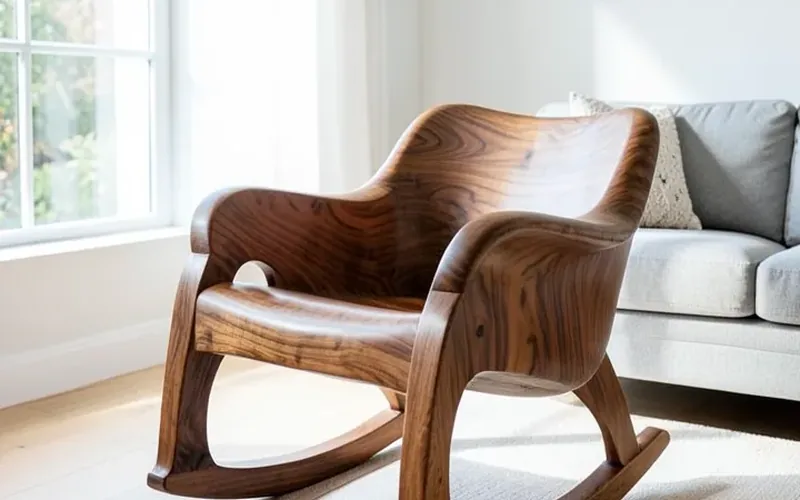
An authentic Maloof reproduction is a chair built by Maloof Woodworking, Inc. using Sam Maloof’s own plywood templates, the same dado-and-rabbet leg-to-seat joint, and one of the wood species he actually used: walnut, maple, rosewood, cherry, or zircote. It is not simply any chair with rounded, sculpted lines — the joint geometry and template lineage are what the “authentic” label actually refers to.
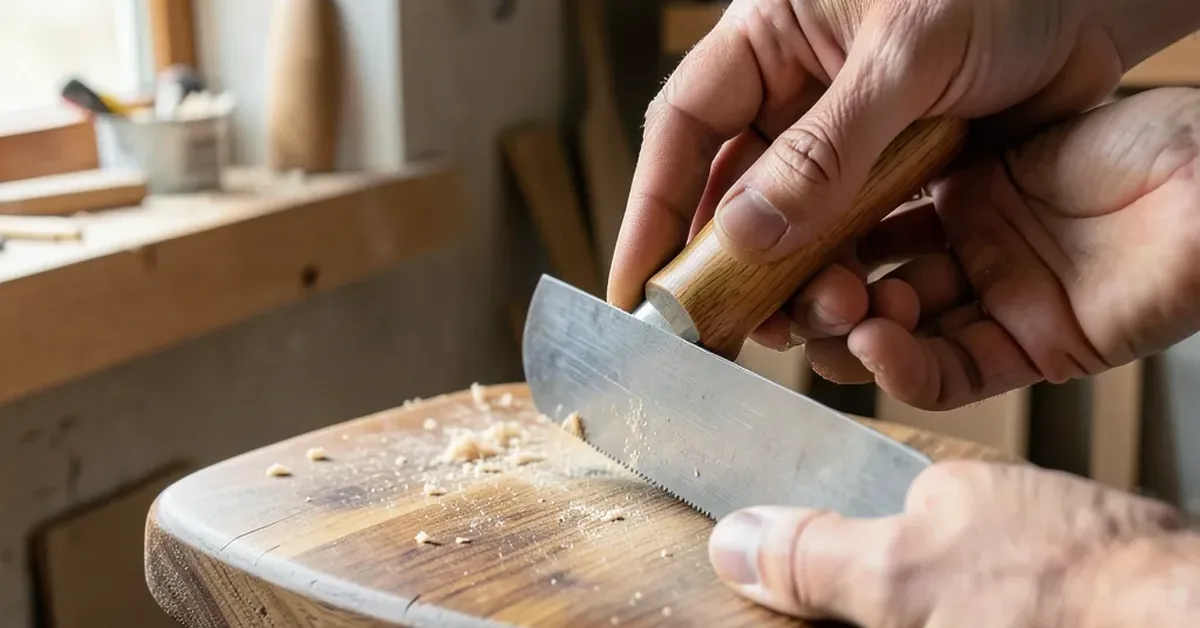
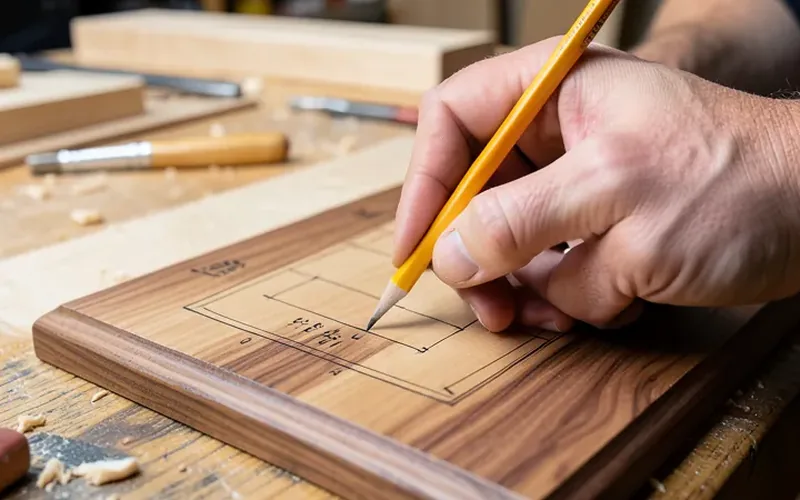
The build process itself hasn’t changed much: parts are bandsawn from the template outline, then hand-shaped with spokeshaves and rasps, and finished with an oil-and-poly mix and wax — the same finishing approach documented on our guide to Maloof’s chair templates.
“I finally got it right.”
How to Verify Authenticity Before You Buy
- Ask for provenance: Confirm in writing that the piece was built at Maloof Woodworking, Inc. from Sam Maloof’s original templates, not just “inspired by” his work.
- Inspect the joint: Look underneath the seat for the sculpted dado-and-rabbet leg-to-seat joint rather than a plain mortise-and-tenon or dowel joint.
- Check the wood species: Authorized reproductions use solid walnut, maple, rosewood, cherry, or zircote — not plywood, veneer, or an unlisted “hardwood.”
- Ask about the maker’s background: An independent artisan should be able to name their own training and be upfront that they are not affiliated with Maloof Woodworking, Inc.
- Get a bill of sale that names the actual maker: whether it’s Maloof Woodworking, Inc. or an independent studio, the invoice should name who actually built the chair, not just “Maloof reproduction.”
Sam Maloof also hand-carved a numbered signature into the underside of every original piece he personally built — that mark is specific to his own originals, not to workshop reproductions made after his direction. See our guide to Maloof’s signature and numbering system if you’re trying to confirm whether a piece is an original versus any kind of reproduction.
Frequently Asked Questions
Are Sam Maloof chair reproductions legal to sell?
Yes. Only Maloof Woodworking, Inc. can call a piece a licensed reproduction built from Maloof’s own templates, but independent woodworkers can legally sell their own “Maloof-style” or “Maloof-inspired” chairs as long as they don’t falsely claim an official license or use protected trademarks like the Maloof name as their own brand.
Authorized reproductions from Maloof Woodworking, Inc. start at $19,500, according to Woodcraft’s reporting on the workshop. Exact pricing depends on the chair model and wood species, and the workshop quotes each order individually rather than publishing a price list.
Where can I buy a Sam Maloof chair reproduction?
For a licensed piece, contact Maloof Woodworking, Inc. directly by phone or email to request a quote. For an independent handmade replica, marketplaces like Etsy and 1stDibs list pieces from named artisans — confirm directly with the seller whether their piece is licensed or independently made.
How can I tell if a Maloof reproduction is authentic?
Check for the sculpted dado-and-rabbet leg-to-seat joint, confirm the wood is walnut, maple, rosewood, cherry, or zircote, and ask the seller for written provenance connecting the piece to Maloof Woodworking, Inc. and its original templates.
What wood do Sam Maloof chair reproductions use?
Authorized reproductions use the same species Maloof used in his originals: walnut, maple, rosewood, cherry, or zircote. Independent makers sometimes substitute other hardwoods, so confirm the species before buying if authenticity to the original matters to you.
Conclusion
A genuine licensed Sam Maloof chair reproduction still comes from one place: Maloof Woodworking, Inc., built from Maloof’s own templates for $19,500 and up. An honest independent “Maloof-style” piece can be a good value at a fraction of that price, as long as the maker is upfront about it. What you should never accept is a seller who blurs the two and charges licensed-workshop prices for an unlicensed copy.
Sponsored / affiliate links. As an Amazon Associate I earn from qualifying purchases. I may earn additional commission from eligible campaigns.