How Dissolve Super Glue: Quick & Easy Solutions
To dissolve super glue, use acetone or nail polish remover. Soak the glued area for a few minutes, then gently scrape it off.
Super glue is known for its strong bonding capabilities, making it a popular choice for various repairs. However, accidents can happen, leaving you with unwanted adhesive residue on surfaces or skin. Understanding how to effectively dissolve super glue is essential for quick and easy cleanup.
Whether it’s a craft project gone wrong or a minor mishap at home, knowing the right solvents can save you time and frustration. This guide will explore effective methods to safely remove super glue, ensuring you can tackle any sticky situation with confidence and ease.
Introduction To Super Glue
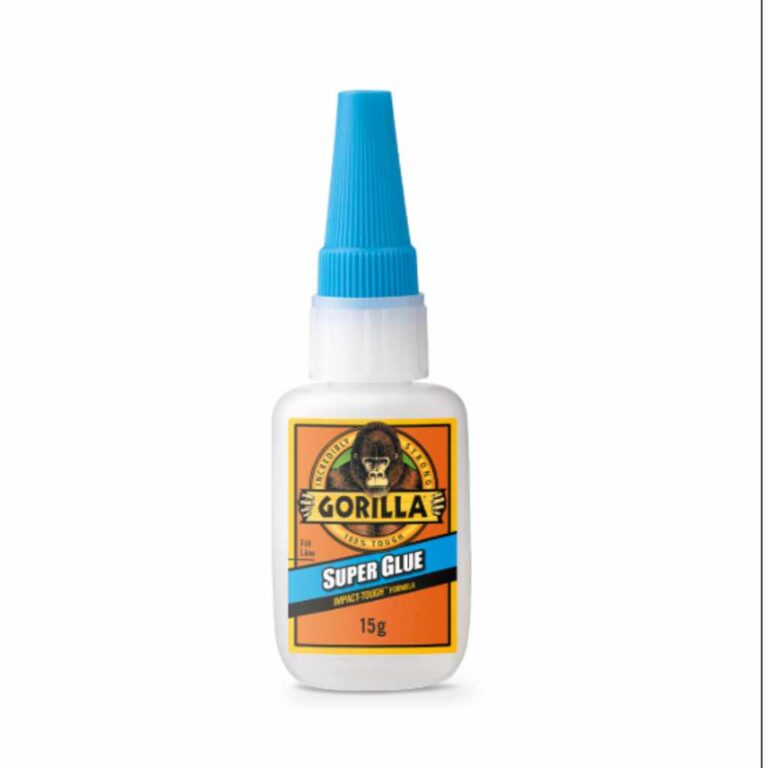
Super Glue is known for its strong bond. It works quickly and sticks to many surfaces. This makes it useful, but also a challenge. Removing Super Glue can be tricky. It can bond skin, fabric, and other materials together. Trying to pull them apart may cause damage.
Common methods to remove it include acetone or warm soapy water. Acetone is found in nail polish remover. It breaks down the glue’s strength. Warm soapy water can help loosen the bond. Patience is key when using these methods.
Always test on a small area first. This prevents further damage. If Super Glue is on skin, soak it in warm water. Gently rub the area to help it come off.
Safety First
Always wear gloves and goggles when handling super glue. This protects your skin and eyes from harm. Use ventilation to avoid inhaling fumes. A mask can help in poorly ventilated areas.
Keep super glue away from children and pets. Store it in a safe place. Read labels carefully to understand the ingredients. In case of spills, use a cloth to wipe the area.
Understanding how super glue works is important. It uses a chemical reaction to bond surfaces. Water activates the glue, making it stick. Avoid mixing with other chemicals, as this can cause dangerous reactions.
Common Household Items For Dissolving Super Glue
Acetone is a powerful solvent that works wonders on super glue. This common product is found in nail polish remover. Apply acetone using a cotton ball or cloth. Gently rub the glued area until the bond weakens. Be careful, as acetone can damage some surfaces.
The warm soapy water technique is another effective method. Mix warm water with dish soap. Soak the glued item in this solution for about 30 minutes. This helps to loosen the glue. After soaking, gently scrape off the residue with a plastic scraper.
Natural Alternatives
Using lemon juice and baking soda can effectively dissolve super glue. Mix equal parts of lemon juice and baking soda to create a paste. Apply the paste to the glued area. Let it sit for about 10 minutes. This method is safe and natural.
Many oils from your kitchen can also help. Olive oil, coconut oil, and vegetable oil are great options. Apply the oil directly to the glue. Gently rub the area with a soft cloth. The glue should start to loosen.
| Oil Type | How to Use |
|---|---|
| Olive Oil | Apply and rub gently. |
| Coconut Oil | Soak the area and scrape off glue. |
| Vegetable Oil | Massage into the glue for easy removal. |
Commercial Products
Choosing the right specialized super glue remover can be tricky. Many options are available in stores. Look for products that are safe for the surfaces you are cleaning. Some removers work better on plastic, while others suit wood or metal.
Popular brands include Goo Gone and Super Glue Remover. Always check the instructions before use. Some products require a longer soak time. Try a test patch to avoid damage.
| Product Name | Best For |
|---|---|
| Goo Gone | General use |
| Super Glue Remover | Plastic and wood |
| Acetone | Metal surfaces |
Step-by-step Removal Guide
Start by clearing the area around the glue. Use a soft cloth to remove any dust. Make sure the surface is dry before applying any solvent. This step helps the solvent work better.
Choose a suitable solvent like acetone or rubbing alcohol. Apply a small amount on a cotton ball or cloth. Gently rub the affected area. Wait for a few minutes to let the solvent dissolve the glue.
Check the area after waiting. If the glue is still there, repeat the process. Patience is key for effective removal.
Preventing Future Accidents
Proper storage of super glue is key to preventing future accidents. Keep the glue in a cool, dry place. Avoid areas with high heat or direct sunlight. Store it upright to prevent leaks. Always check the expiration date before use.
For safe usage, follow these tips:
- Use in a well-ventilated area.
- Wear gloves to protect your hands.
- Keep away from children and pets.
- Close the cap tightly after each use.
- Do not mix with other chemicals.
Following these steps helps keep super glue safe and effective. Proper handling can prevent unwanted messes and injuries.
Frequently Asked Questions
How Can I Easily Dissolve Super Glue?
You can easily dissolve super glue using acetone or nail polish remover. Apply a small amount to the glued area using a cotton ball. Allow it to sit for a few minutes to break down the adhesive. Gently scrape off the residue with a plastic scraper to avoid damage.
What Household Items Can Dissolve Super Glue?
Common household items like vinegar and rubbing alcohol can dissolve super glue. Soak a cloth in either liquid and apply it to the glue. Let it sit for a few minutes before wiping away the residue. Always test on a small surface first to ensure no damage occurs.
Is It Safe To Use Acetone On Skin?
While acetone can dissolve super glue, it may irritate the skin. If you accidentally get it on your skin, wash immediately with soap and water. Avoid prolonged exposure to prevent dryness or irritation. Always handle acetone in a well-ventilated area for safety.
Can I Use Hot Water To Remove Super Glue?
Hot water can help loosen super glue, especially on fabrics. Soak the affected item in hot water for several minutes. After soaking, gently rub the area to remove the glue. This method may take longer than using chemicals but is safer for sensitive surfaces.
Conclusion
Dissolving super glue can be simple with the right methods. Acetone, vinegar, and warm soapy water are effective solutions. Always test on a small area first to avoid damage. By following these tips, you can safely remove stubborn glue and restore your surfaces.
Keep these techniques handy for future needs!