How to Soften Wood Glue in Bottle: Quick Fixes!
Wood glue hardened in the bottle softens fastest with a 10-15 minute warm water bath (110-120°F) or a low-heat hairdryer pass. Glue that’s fully solidified past its printed expiration date won’t come back either way, and a clogged nozzle left untreated for weeks usually means replacing an $8 bottle instead of reviving it. This guide covers the warm water and hairdryer methods, clearing a clogged nozzle, and preventing it from hardening again.
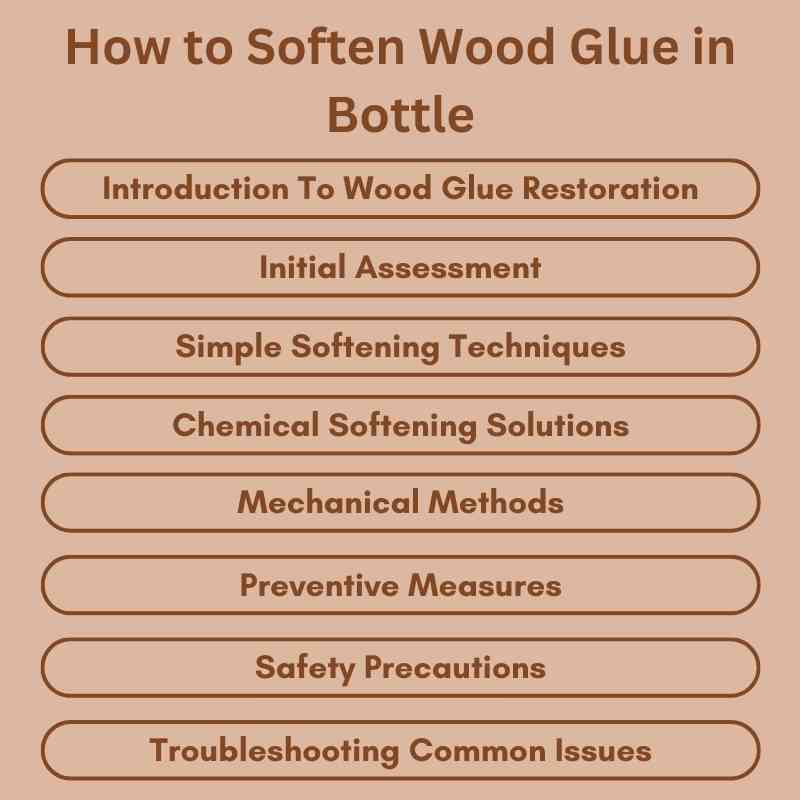
Introduction To Wood Glue Restoration
Best Wood Glue Bottle Pick
Milescraft Glue Mate 450 Precision Wood Glue Bottle – $6.89
Its anti-drip, multi-chamber design is built to stop the air exposure that this guide’s Introduction section identifies as the main reason glue hardens in the bottle in the first place.
- Best for: dowel and biscuit joinery needing a controlled glue bead
- Why we picked it: the anti-drip nozzle directly targets the hardening-in-the-bottle problem this guide covers
- Main drawback: 15oz capacity means more frequent refills on larger glue-ups
Compare more wood glue bottle options
 Option 1 FastCap Glu-Bot Glue Dispenser – $6.99
|
 Option 2 Rockler Wood Glue Applicator Set – $22.99
|
 Option 3 16oz Clog-Free Refillable Glue Bottle – $6.99
|
As an Amazon Associate we earn from qualifying purchases.
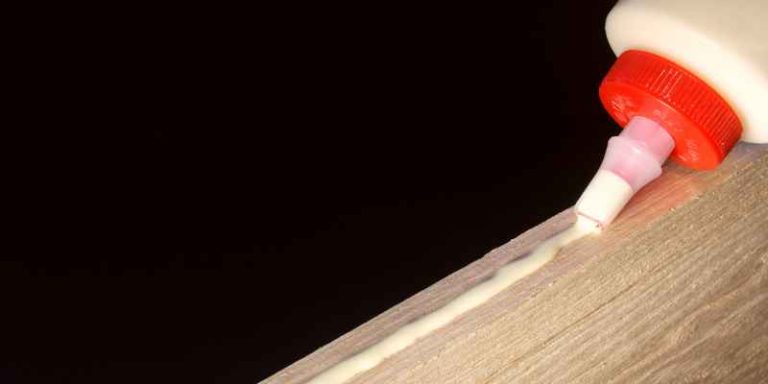
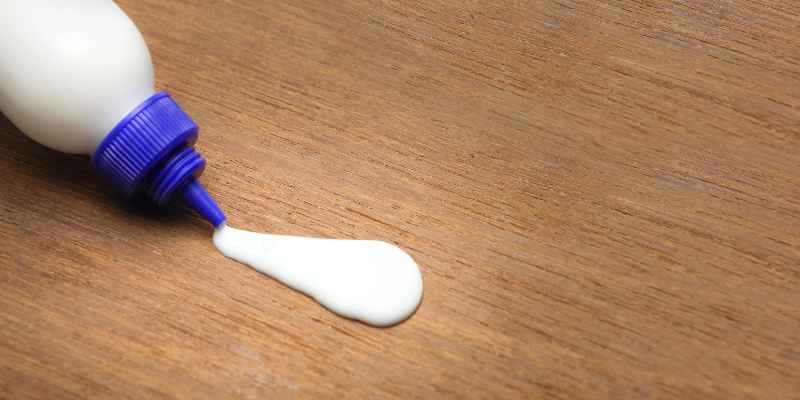
Wood glue hardens due to moisture loss and chemical reactions. Over time, exposure to air causes it to dry up. This makes it tough to use. Softening wood glue can save time and money.
Softening is important for various reasons. It helps in restoring the glue’s original consistency. This allows for better application and adhesion. Properly softened glue works effectively on projects.
Softened wood glue can also help avoid waste. Instead of throwing away hard glue, it can be revived. This is both eco-friendly and economical.
Initial Assessment
Checking the expiry date of wood glue is important. An expired glue may not work well. Look for a date on the bottle. If the date is past, it’s best to replace it.
Evaluating the consistency of the glue is also key. Squeeze a small amount onto a surface. Good glue should be thick and sticky. If it is runny or clumpy, it may be bad. Always test before use.
Simple Softening Techniques
Soften wood glue with two easy methods. The Warm Water Bath Method is simple. Fill a bowl with warm water. Place the glue bottle in the water for 10 to 15 minutes. This will make the glue easier to squeeze out.
The Hairdryer Method works well too. Set the hairdryer on a low heat. Aim it at the glue bottle for a few minutes. Keep the dryer moving to avoid overheating. The heat will loosen the glue inside.
Both methods are effective and quick. Choose the one that suits you best.
Chemical Softening Solutions
Acetone is a great choice for softening wood glue. Apply a small amount to the glue. Let it sit for a few minutes. Use a cloth to wipe away the glue easily. This method works well for many types of glue.
A vinegar solution can also soften wood glue. Mix equal parts of vinegar and water. Soak a cloth in the mixture. Press the cloth against the glue. Wait for a few minutes, then wipe it away. This is a safe method to try.
Mechanical Methods
To soften wood glue in a bottle, use a few mechanical methods. The stirring method is simple. Shake the bottle well to mix the glue. This can help break up thicker glue. Use a stick or a spoon to stir the glue inside the bottle. Make sure it reaches the bottom.
The plunger technique is another effective method. A syringe can create pressure inside the bottle. Insert the syringe into the glue bottle. Pull the plunger back gently to create suction. This pulls the glue towards the opening. Repeat this process several times.
Preventive Measures
To keep wood glue fresh, store it in a cool, dry place. Avoid areas with high humidity. Make sure the cap is tightly closed after each use. This prevents air from drying out the glue.
Check the glue bottle regularly for any signs of damage. If it starts to harden, use it quickly. Shake the bottle before use to mix the contents well.
Use a small container for your projects. This way, you won’t waste glue from the main bottle. Clean the nozzle after each use to prevent blockage.
By following these simple tips, you can maintain your wood glue effectively. If your bottle keeps hardening no matter what you try, our wood glue buying guide covers which formulas and bottle designs resist clogging the longest.
Safety Precautions
Safety is important when handling wood glue. Always use gloves to protect your skin. A mask can help prevent inhaling fumes. Make sure to work in a well-ventilated area.
Keep chemicals away from children and pets. Store them in a secure place. Always read the label for instructions and warnings.
Dealing with heat can help soften glue. Use a heat gun or hairdryer. Keep it at a safe distance to avoid burns. Do not overheat the bottle. Check often to prevent damage.
Troubleshooting Common Issues
Unclogging the nozzle of wood glue can be tricky. First, try using a pin or a needle to clear the opening. This can help remove any dried glue. If the nozzle is still clogged, soak it in warm water for a few minutes. This will help dissolve the glue. If the cap itself is fused shut rather than just the nozzle, our guide to opening a stuck Gorilla Wood Glue bottle covers the hot-water-and-pliers method.
Dealing with separation in wood glue is also common. If the glue separates, shake the bottle well. Sometimes, stirring the glue can help mix it back together. For thicker glue, adding a few drops of water can restore its consistency — or see our guide on how to thin wood glue for safer ratios that won’t weaken the bond. Always test the glue on a small area before using it.
Frequently Asked Questions
How Can I Soften Wood Glue In A Bottle?
To soften wood glue in a bottle, place it in warm water for several minutes. This heat can help to loosen the adhesive. Ensure the cap is tightly sealed to prevent water from entering. Shake the bottle gently to mix the softened glue before use.
What Causes Wood Glue To Harden In The Bottle?
Wood glue hardens due to exposure to air and moisture. Over time, this can lead to a thick, unusable consistency. Storing glue in a cool, dry place helps to prolong its shelf life. Always ensure the cap is tightly sealed after each use to minimize hardening.
Is It Safe To Microwave Wood Glue?
Microwaving wood glue is generally not recommended. The heat can cause pressure build-up, leading to potential explosions. Instead, use warm water to soften glue safely. Always follow the manufacturer’s instructions for optimal results and safety precautions.
How Long Does It Take For Wood Glue To Soften?
Wood glue typically softens within a few minutes when immersed in warm water. The exact time may vary depending on the glue’s thickness and age. Always monitor the process to achieve the desired consistency. Test the glue with a small amount before applying it to your project.
Conclusion
Softening wood glue in a bottle is a simple yet effective process. Proper techniques save your glue and prevent waste. Whether using heat or solvents, ensure safety precautions are followed. With these tips, you can maintain the usability of your wood glue.
Keep your projects smooth and hassle-free!
Sponsored / affiliate links. As an Amazon Associate I earn from qualifying purchases. I may earn additional commission from eligible campaigns.