How Long Does Super Glue Take to Dry? Cure Time Guide by Surface
Super glue sets on wood in about 10 to 60 seconds, but “set” is not “cured”. The bond only reaches full strength after roughly 24 hours, and shop conditions can move both numbers. This guide gives realistic dry times by material, explains why wood behaves differently from metal or glass, and shows what actually speeds the cure up and what quietly weakens the joint.
How Long Does Super Glue Take to Dry and Cure?
Best Squeeze-Control Super Glue Pick
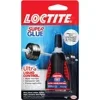 |
Loctite Super Glue Ultra Liquid Control, 4 g – $4.77 A thin liquid cyanoacrylate in a squeeze bottle, which is the right viscosity for tight wood joints, cracks and small repairs where you want a fast set.
|
Quick Answer
Super glue sets in 10 to 60 seconds on most materials, can be handled gently after 1 to 2 minutes, and reaches full strength in about 24 hours. Wood is usually the fast end of that range. Cold, dry air and thick glue lines push you toward the slow end.
Super glue is cyanoacrylate, and it does not dry by evaporation the way white glue does. It hardens by a chemical reaction (anionic polymerization) that is triggered by the thin film of moisture on the surfaces you are joining. That is why a bottle can sit for months without hardening and the glue sets the moment it touches a part, and why humidity matters so much. If you want the chemistry in detail, see how super glue is made.
| Stage | Typical time | What it means in the shop |
|---|---|---|
| Set (fixture) | 10-60 seconds | The parts stop sliding. Hold them still, do not reposition. |
| Handling | 1-2 minutes | Light handling is fine. No clamping force, no sanding, no loading. |
| Working strength | 1-4 hours | Most of the bond is there, enough for light assembly steps. |
| Full cure | About 24 hours | Rated strength. Wait this long before stress, sanding or finishing. |
These are typical ranges for thin liquid grades at room temperature, not a guarantee. Always check the bottle for your specific brand and gel or liquid formula.
Super Glue Dry Time by Material
The surface decides how fast the first set happens. The film of adsorbed moisture is what starts the reaction, so surfaces that hold a little moisture set quickly, and bone-dry, non-porous surfaces set more slowly.
| Material | Typical set time | Notes |
|---|---|---|
| Wood (tight joint) | 10-60 seconds | Fast, but thin glue can wick into the grain. See the wood section below. |
| Paper, cardboard, leather | 5-30 seconds | Very fast because of the surface moisture. |
| Rubber | 10-30 seconds | Use a rubber-toughened grade for flexing parts. |
| Hard plastics (ABS, PVC, acrylic) | 15-60 seconds | Bonds well, but can craze some clear plastics. |
| Metal, glass, ceramic | 30 seconds to 2 minutes | Slower on dry, non-porous surfaces. A tight, thin film matters most. |
| Polyethylene, polypropylene, silicone, PTFE | Does not bond reliably | Needs a primer or a different adhesive. See can you glue HDPE. |
Why Wood Behaves Differently From Other Materials
Most dry-time articles stop at “wood is porous, so it sets fast”. For woodwork that is only half true, and it leads to weak joints.
- Thin glue can starve the joint. Open-pored and end-grain wood pulls thin liquid cyanoacrylate away from the glue line before it can cure. The glue sets fast, but there may be little left between the surfaces. Use a gel or medium-viscosity grade on end grain and open-pored species such as oak and ash.
- Oily and acidic woods set slower. Natural oils in teak and rosewood interfere with the bond, and acidic surfaces slow the cure because the reaction prefers a neutral to slightly alkaline surface. Wipe oily woods with acetone first and expect a longer set.
- Gaps are the real limit. Super glue works best when the joint is tight, roughly a hair’s width or less. A loose joint leaves a thick glue line that cures on the outside and stays soft inside. Gel grades tolerate more gap, but for real gaps use epoxy.
- Super glue is brittle. It is strong in tension but poor in peel and impact. That is why it is great for fixing a hairline crack or tearout, and a poor choice for a chair rung or a tabletop glue-up. For structural joints use a real wood glue. Our wood glue comparison chart lists strength and dry time side by side, and best wood glues for small repairs covers the fast-setting options.
What Slows Down or Speeds Up Super Glue Cure Time
| Factor | Effect on cure | What to do |
|---|---|---|
| Humidity below 30% | Noticeably slower set, especially on non-porous parts | Work in a less dry space, or use accelerator |
| Humidity 40-60% | Ideal range for a strong, clean cure | Nothing to change |
| Humidity above 70-80% | Very fast set, more blooming, can give a more brittle bond | Use less glue, ventilate |
| Temperature below 10 C (50 F) | Slower set, and the glue is thicker | Warm the parts and the bottle to room temperature |
| Thick glue line | Skins over, stays liquid underneath | Apply a thin film, one drop per few square inches |
| Dirty or oily surface | Slower set and a weaker bond | Wipe with isopropyl alcohol or acetone first |
Humidity and Temperature
Because moisture drives the reaction, a damp summer garage and a dry winter shop can give very different set times from the same bottle. Cold slows the reaction and thickens the glue, which makes thick glue lines even more likely. Bring the parts inside for a few minutes before gluing in winter.
Glue Amount
More glue is not stronger. A thick bead cures from the outside in, so the skin sets while the middle stays liquid for much longer, and the joint can fail along that soft layer. A thin film pressed between tight surfaces is the strongest and the fastest.
How to Make Super Glue Cure Faster
- Apply less glue. This is the biggest single gain, and it also gives the strongest bond.
- Use an accelerator (kicker). A mist or dab of accelerator on one surface sets the glue in a few seconds. The trade-off is that the fast cure can leave a more brittle bond and some haze, so reserve it for tacking parts in place and non-structural repairs.
- Warm the work. Bringing cold parts to room temperature is a free speed-up.
- Raise surface moisture slightly. A gentle breath on a very dry surface can help. Misting with water is a last resort, because too much water causes blooming and a weak joint.
Safety Notes Before You Start
- Never use super glue with cotton, wool or fleece. The reaction gives off heat and can cause burns or smoke. Do not wipe spills with a cotton rag or a pile of paper towels.
- Skin bonds in seconds. Do not pull skin apart. Soak in warm soapy water and peel gently. For eyelids or lips, get medical help.
- Ventilate. Cyanoacrylate vapor irritates eyes and the nose, and it is the source of blooming.
Finishing After Super Glue on Wood
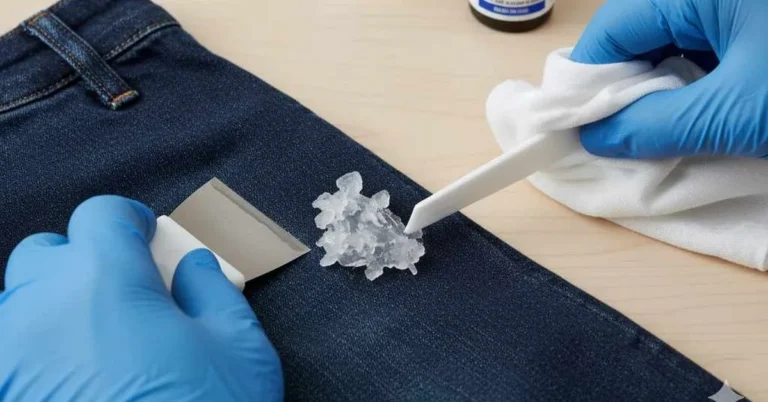
Cured cyanoacrylate is hard and non-porous, so stain and finish do not soak in where glue has soaked into the wood. Sand off squeeze-out after the full 24 hours and test stain on a scrap with a glued edge. If you spilled glue on a finished surface, see how to remove super glue from wood.
If you are comparing dry times, wood glue (PVA) sets in minutes under a clamp and reaches full strength in around 24 hours, which is similar to super glue’s full cure but with a much stronger joint on large surfaces. Full-strength timing for PVA glues is covered in how long wood glue takes to cure. For a general ranking of adhesives by job, see our best woodworking glue guide.
Troubleshooting Slow or Weak Super Glue Bonds
- Glue will not set: the surfaces are probably too dry, too cold or too oily, or the glue line is too thick. Wipe it off, clean both parts, warm them, and reapply a thin film.
- White haze around the joint: blooming. Use less glue, ventilate, and sand or wipe it off.
- Bond pops apart later: either the joint was loaded before the 24-hour cure, the gap was too big, or the glue was too brittle for the job. Re-clean and use gel, epoxy or wood glue instead.
- Old bottle turned thick or stringy: it has partly polymerized in the bottle. Replace it, since weak glue is not worth a failed repair.
If a bond has already set in the wrong place, see how to separate glued wood pieces for the acetone method and its fire cautions.
Frequently Asked Questions
How long does super glue take to dry on wood?
Thin super glue on tight-fitting wood usually sets in 10 to 60 seconds. You can handle the piece gently after a minute or two and should leave it 24 hours before loading the joint. End grain and open-pored wood can soak up thin glue, so a gel often makes a better bond even though it feels slower.
How long does super glue take to be fully dry?
Most super glues reach full strength in about 24 hours at room temperature. Thick glue lines, cold shops and non-porous materials can stretch that, so give structural repairs a full day, and longer if the shop is cold.
Can I speed up super glue drying?
Yes. Use a thin film, warm the workpieces to room temperature, and spray a cyanoacrylate accelerator on one surface before joining. Accelerator makes the glue set in seconds but can leave a more brittle bond, so skip it on joints that will take stress.
What happens if I touch super glue before it cures?
Moving the joint during the first minute can break the forming bond and leave a weak, crazed glue line. After the initial set you can handle it gently, but treat it as unloaded until the 24-hour mark.
Why is my super glue not drying?
The usual causes are glue applied too thickly, very dry air, cold workpieces, acidic or oily surfaces, or a bottle that has aged and thickened. Clean both surfaces, apply a thin film, and bring the parts to room temperature. If the glue is still liquid after several minutes, wipe it off and reapply with fresh glue.
Why does super glue turn white?
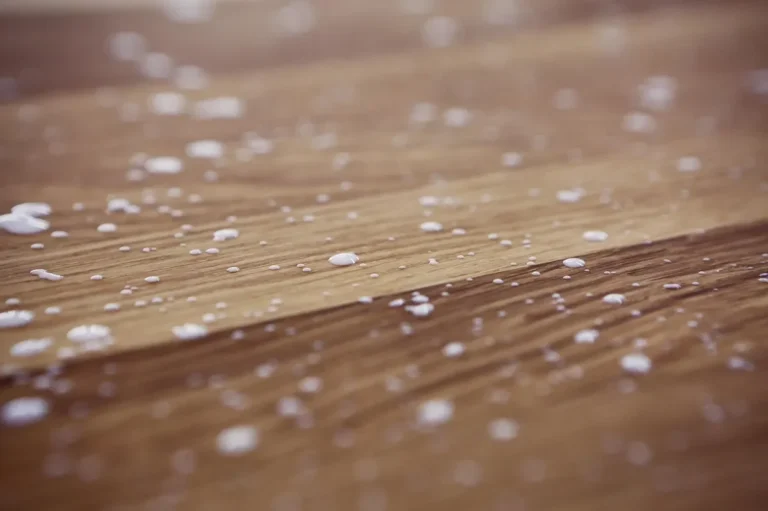
The white haze is called blooming. Some cyanoacrylate vapor escapes, reacts with moisture in the air and settles as a powder next to the joint. Use less glue, work with ventilation, and avoid accelerator mist near visible surfaces. It is cosmetic and can usually be sanded or wiped off.
Is it safe to use super glue on skin?
Super glue is not meant for skin. If fingers bond, soak them in warm soapy water and gently peel or roll them apart without pulling. Never force bonded eyelids or lips apart and get medical help instead. Keep it away from cotton, wool and fleece, because the reaction can heat up enough to burn.
Sponsored / affiliate links. As an Amazon Associate I earn from qualifying purchases. I may earn additional commission from eligible campaigns.