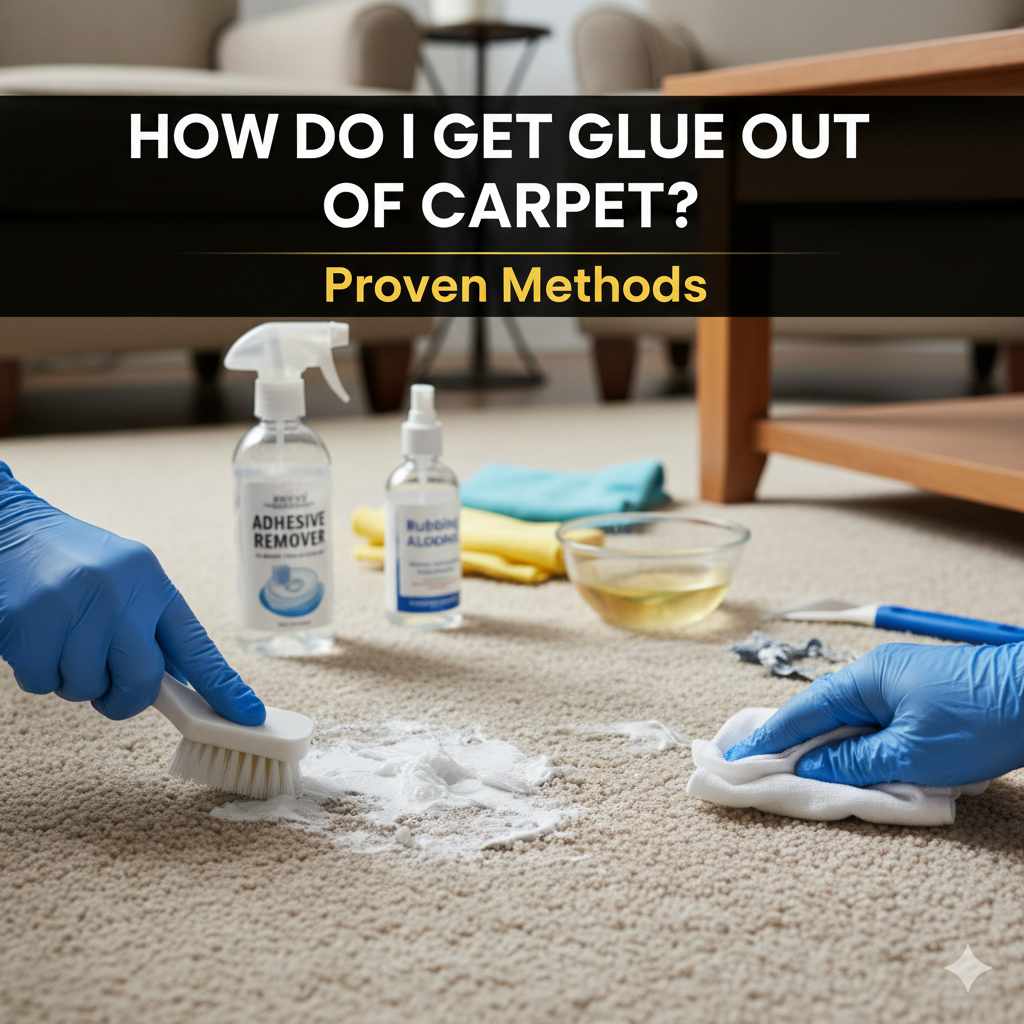
How Do I Get Glue Out of Carpet: Proven Methods
Get glue out of carpet with simple home remedies and careful scraping. Start by chilling the glue to make it brittle, then gently lift it. For stubborn spots, use common household solvents with caution, testing in an inconspicuous area first to protect your carpet fibers.
Uh-oh, a glue mishap on your carpet! It happens to the best of us, whether from a craft project gone awry, a spill from the kids, or just a clumsy moment. The good news is, a sticky situation doesn’t have to mean a permanent stain. You don’t need to be a professional cleaner to tackle this. With a few common household items and a little patience, you can usually lift that glue right out of your carpet fibers. Let’s walk through some proven methods that will have your carpet looking good as new. We’ll cover everything from the easiest, gentlest approaches to solutions for those tougher, dried-on messes.
Why Glue on Carpet is a Sticky Problem
Glue, by its very nature, is designed to stick. That’s its superpower! When it gets onto your carpet, that superpower works against you. Carpet fibers are woven, creating tiny nooks and crannies where glue can settle and bond. Once dried, it can harden and become an unsightly, rough patch that attracts dirt and can even damage the carpet fibers if you try to pull it off forcefully.
The frustration comes from the fear of making it worse. Will scrubbing spread it further? Will a cleaning solution discolor my carpet? These are valid concerns, and that’s why we’re going to approach this methodically, starting with the least invasive techniques and moving towards more targeted solutions.
Tools and Supplies You Might Need
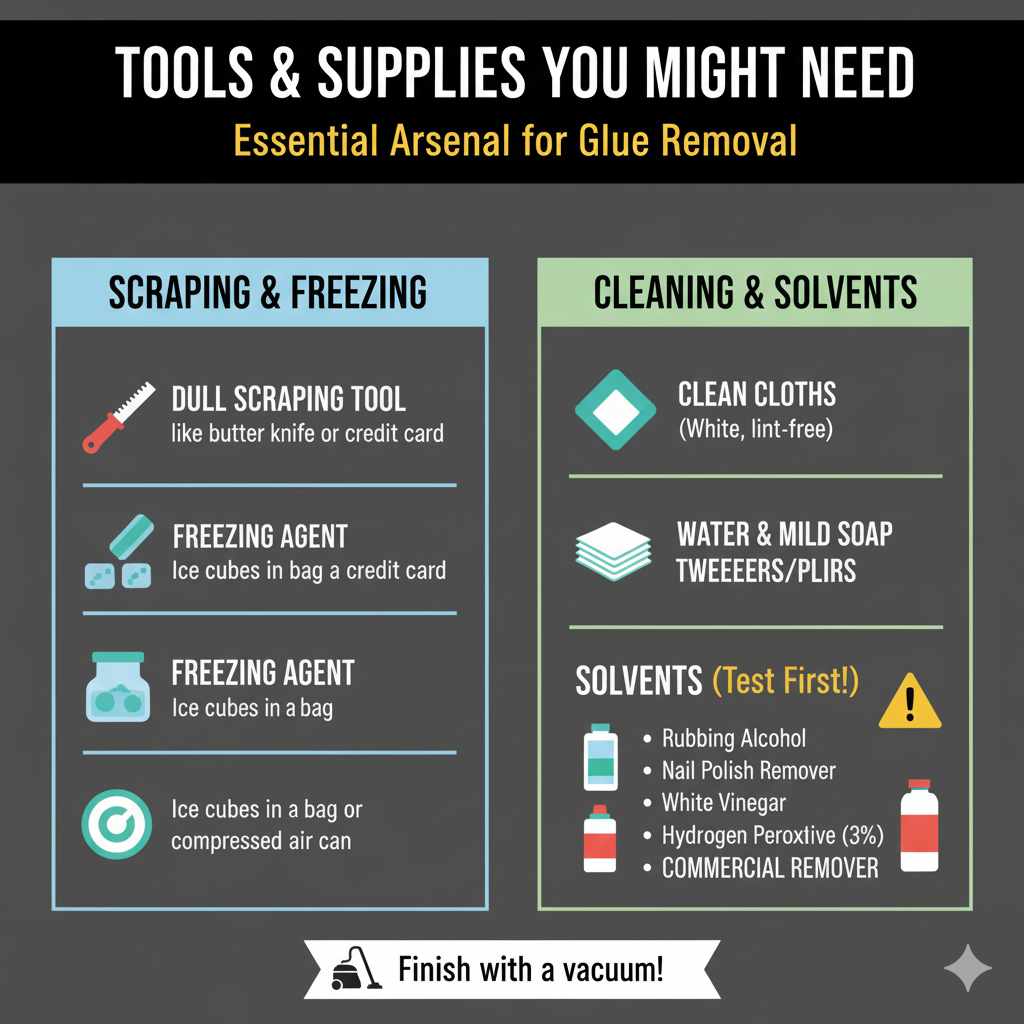
Before we dive into the methods, let’s gather what you might need. Having these items on hand will make the process smoother. Think of this as preparing your workbench before starting a woodworking project – preparation is key!
- Scraping Tool: A dull butter knife, a plastic putty knife, or an old credit card. Avoid anything too sharp that could snag carpet fibers.
- Freezing Agent: Ice cubes in a plastic bag, or a can of compressed air held upside down.
- Cleaning Cloths: White, lint-free cloths are best so you don’t transfer dyes.
- Water: Cool or lukewarm water.
- Mild Soap: A small amount of dish soap or laundry detergent.
- Solvents (Use with caution and test first!):
- Rubbing alcohol (isopropyl alcohol)
- Nail polish remover (acetone-based or non-acetone)
- White vinegar
- Hydrogen peroxide (3%)
- Commercial carpet glue remover (follow product instructions precisely)
- Tweezer or Pliers: For picking up small, loosened pieces.
- Vacuum Cleaner: To tidy up afterward.
Method 1: The Ice Cube Chill & Scrape
This is often the first and best approach for any type of glue, especially fresh or slightly dried spills. It works on the principle that extreme cold can make many adhesives brittle and less sticky.
- Apply Ice: Place a few ice cubes in a plastic bag and seal it. Apply the bag of ice directly to the glue spot. Hold it there for 10-15 minutes, or until the glue feels hard and brittle. If using compressed air, hold the can upside down and spray a small burst onto the glue for a few seconds. Be very careful, as the propellant can be extremely cold.
- Scrape Gently: Once the glue is frozen and hardened, take your dull knife or plastic scraper. Carefully try to chip away at the brittle glue. Work from the outside of the spot inward to avoid spreading. The goal is to lift the hardened glue off the carpet fibers. You’ll be surprised how much can pop off.
- Vacuum: Vacuum up all the loosened glue fragments.
- Repeat if Necessary: For thicker glue, you might need to repeat the freezing and scraping process a few times.
Method 2: Warm Water and Mild Soap
For water-based glues (like school glue or some craft glues), warm water and a bit of soap can be very effective. This method is gentle and safe for most carpet types.
- Dampen the Area: Mix a teaspoon of mild dish soap with a cup of lukewarm water. Dip a clean white cloth into the solution, wring it out so it’s damp but not soaking wet, and blot the glue spot.
- Let it Sit (Optional): For stubborn spots, you can let the soapy water sit on the glue for about 5-10 minutes.
- Scrape and Blot: Use your dull scraper to gently lift softened glue. Then, use a clean, dry part of the cloth or a new damp cloth (just water this time) to blot and rinse away the soap and dissolved glue.
- Dry Thoroughly: Blot the area with a dry cloth or paper towels. You can also place a thick stack of paper towels over the damp spot and weigh it down with something heavy (like books) overnight to absorb remaining moisture.
Method 3: Rubbing Alcohol (Isopropyl Alcohol)
Rubbing alcohol is a fantastic solvent for many types of adhesives, including many craft glues and even some stronger adhesives. It evaporates quickly and is usually safe for synthetic carpets, but always test first!
Important Safety Note: Rubbing alcohol is flammable. Ensure good ventilation, keep it away from open flames or sparks, and do not smoke while using it. Always test in an inconspicuous spot (like inside a closet or under furniture) to check for colorfastness before applying to a visible area.
- Test First: Apply a small amount of rubbing alcohol to a hidden area of your carpet. Wait a few minutes, then blot with a white cloth. If the cloth picks up any color from the carpet, do not proceed with this method.
- Apply Alcohol: Dampen a clean white cloth with rubbing alcohol. Don’t pour it directly onto the carpet.
- Blot the Glue: Gently blot the glue spot with the dampened cloth. You should see the glue begin to dissolve and transfer to the cloth.
- Scrape and Lift: As the glue softens, use your scraper to gently lift it away. Work in small sections.
- Rinse and Blot: Once the glue is removed, dampen a clean cloth with plain water and blot the area to rinse out any alcohol residue. Then, blot dry with a clean, dry cloth.
Method 4: White Vinegar
White vinegar is another mild acidic cleaner that can break down some glues. Its sour smell dissipates as it dries.
- Mix Solution: Combine equal parts white vinegar and water in a bowl.
- Apply and Blot: Dip a clean white cloth into the vinegar-water solution and blot the glue spot. Let it sit for about 10-15 minutes.
- Scrape and Lift: Use your scraper to gently lift the softened glue.
- Rinse and Blot Dry: Blot the area with a clean cloth dampened with plain water, then blot dry with a towel.
Method 5: Nail Polish Remover (Acetone or Non-Acetone)
Nail polish remover, especially acetone, is a strong solvent that can be effective on tough, dried glues. However, it can also damage certain carpet fibers, particularly those made of acetate or rayon, and can cause some synthetic carpets to lose their color or sheen.
Extreme Caution Advised: Acetone is a powerful chemical. Always test in a hidden area first. If the test spot shows any sign of damage, color loss, or fiber degradation, do not use this method. Ensure excellent ventilation and keep away from open flames.
- Perform a Thorough Test: This is crucial. Apply acetone to a tiny, hidden area. Wait a few minutes, then check for any adverse reactions on the carpet fibers.
- Apply Sparingly: If your test is successful, dampen a cotton ball or the corner of a white cloth with nail polish remover. Dab it onto the glue, one small section at a time.
- Work Quickly and Gently: The acetone will start to break down the glue. Immediately use your scraper to lift the softened glue. Avoid excessive rubbing.
- Rinse Immediately: As soon as the glue is removed, use a cloth dampened with plain water to blot the area thoroughly. This is important to remove all traces of the nail polish remover.
- Blot Dry: Blot the area with a clean, dry towel.
If you’re unsure whether your carpet is synthetic and sensitive to acetone, or if you have a natural fiber carpet like wool, it’s best to avoid acetone entirely.
Method 6: Hydrogen Peroxide (for Light-Colored Carpets)
A 3% solution of hydrogen peroxide can act as a mild bleaching agent and solvent. It’s best suited for light-colored carpets as it can lighten darker fibers.
Test is Key: Always test in an inconspicuous area first to ensure it doesn’t lighten your carpet color more than desired.
- Test Area: Apply a small amount to a hidden spot, let it sit for 5-10 minutes, then blot and check for color loss.
- Apply Peroxide: If the test is good, dampen a clean white cloth with 3% hydrogen peroxide.
- Blot the Glue: Gently blot the glue spot. You may see some bubbling as it reacts with the glue.
- Scrape and Lift: After a few minutes, use your scraper to lift the softened glue.
- Rinse and Blot Dry: Blot the area with a water-dampened cloth to rinse, then blot dry with a clean, dry towel.
Method 7: Commercial Carpet Glue Removers
If home remedies aren’t cutting it, you might consider a specialized product. These are formulated to break down adhesives without (ideally) damaging carpet fibers.
Always Read Instructions: Each product is different. Follow the manufacturer’s instructions precisely for application, dwell time, and rinsing. Safety precautions are also vital, so wear gloves and ensure good ventilation.
Where to Find: These are typically available at hardware stores, home improvement centers, or online retailers.
Stubborn Glue: What to Do When Nothing Else Works
If you’ve tried multiple methods and the glue is still holding strong, or if you’re worried about damaging your carpet, it might be time to call in the professionals. Professional carpet cleaners have access to stronger, specialized solvents and equipment that can tackle very stubborn stains safely.
Another option, especially for very old or deeply embedded glue, is to strategically trim the affected carpet fibers. This is a last resort, and you’d want to do it very carefully with small, sharp scissors (like embroidery scissors) to snip just the very tips of the carpet fibers that have glue on them. Only do this if the glue is confined to the very top of the pile and won’t be noticeable once trimmed. It’s best to practice this on a scrap piece of carpet if possible. For excellent resources on carpet care and stain removal, you can consult the Carpet and Rug Institute’s cleaning guides.
Table: Choosing the Right Method for Your Glue Type
Not all glues are created equal, and the type of glue you’re dealing with can influence the best removal method. Here’s a quick guide:
| Glue Type | Likely Methods to Try First | Consider If Stubborn | Cautions |
|---|---|---|---|
| Water-based (e.g., School Glue, Craft Glue) | Ice Cube Chill & Scrape, Warm Water & Mild Soap | Rubbing Alcohol | Avoid oversaturation with water. |
| Adhesive (e.g., Hot Glue, Craft Glue Sticks) | Ice Cube Chill & Scrape | Rubbing Alcohol, Commercial Remover | Hot glue can melt and spread if heat is applied. |
| Super Glue (Cyanoacrylate) | Soak with Acetone (test extensively!), Commercial Remover | – | Acetone can damage many carpet types. Very difficult to remove. |
| Wood Glue (PVA) | Ice Cube Chill & Scrape (when wet), Warm Water & Mild Soap (when not fully cured), Rubbing Alcohol (when dry) | Commercial Remover | Can be very difficult to remove once fully cured. |
| Spray Adhesive | Commercial Remover, Rubbing Alcohol (test first) | – | Can spread easily. Requires patience. |
Tips for Success and Preventing Future Mishaps
Removing glue can be a bit like working with fine joinery – precision and patience yield the best results. Here are a few extra tips to help you succeed:
- Act Fast: The sooner you tackle a glue spill, the easier it will be to remove. Fresh glue is much easier to lift than dried, hardened glue.
- Blot, Don’t Rub: Rubbing can spread the glue and push it deeper into the carpet fibers, making the problem worse. Always blot from the outside in.
- Test, Test, Test: I can’t stress this enough. Always test any cleaning solution or solvent in an inconspicuous area of your carpet first to ensure it doesn’t cause discoloration or damage. This protects your carpet investment.
- Ventilation is Key: When using solvents like rubbing alcohol or nail polish remover, ensure the room is well-ventilated by opening windows and doors.
- Gentle Tools: Use tools that won’t damage your carpet fibers. A dull knife or a plastic card is better than a sharp blade.
- Protect Your Hands: Wear gloves, especially when working with stronger solvents.
- Prevent Future Accidents: When doing crafts or DIY projects, lay down a drop cloth or old newspapers to protect your flooring. Store glues securely, out of reach of children and pets.
Carpet Care and Fiber Types
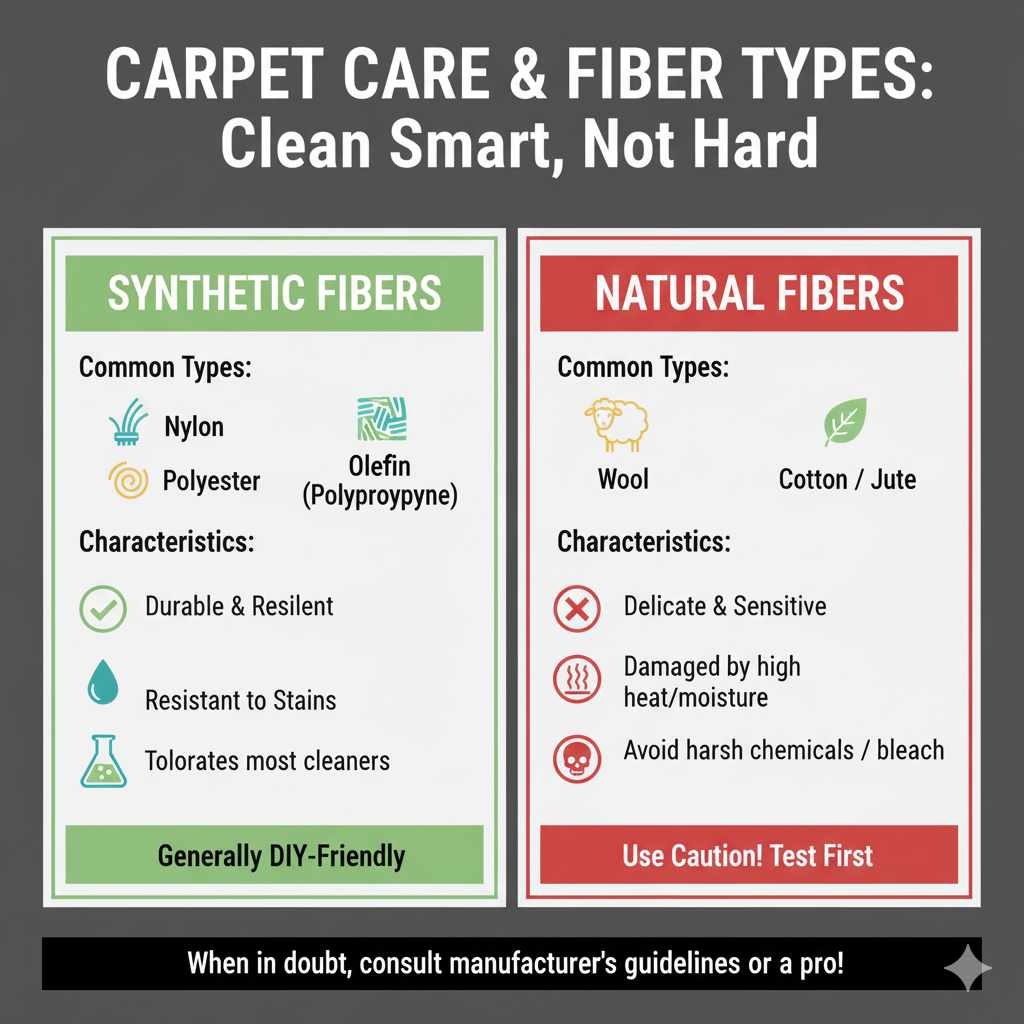
Understanding your carpet fiber type can help you choose the safest and most effective cleaning method. Most carpets today are made from synthetic fibers like nylon, polyester, or olefin (polypropylene). These are generally quite durable and can withstand a variety of cleaning agents.
Natural fibers, like wool, are more delicate. Wool carpets can be damaged by harsh chemicals, high heat, or excessive moisture. If you have a wool carpet, stick to the gentlest methods: ice, mild soap and water, and perhaps a very diluted vinegar solution, always testing first. For any carpet, it’s wise to consult the manufacturer’s cleaning recommendations if you have them.
For a deeper understanding of carpet fibers and care, resources from organizations like The Carpet and Rug Institute (CRI) provide valuable information on stain removal and maintenance.
FAQ: Your Glue-Removal Questions Answered
Q1: What is the quickest way to get glue out of carpet?
The quickest method for many types of glue is the ice cube trick. Freezing the glue makes it brittle, allowing you to chip and scrape it off more easily. Start with this method if the glue is still somewhat fresh.
Q2: Can I use heat to remove glue from carpet?
Generally, no. While heat can sometimes soften adhesives, it can also melt them and spread them further into the carpet fibers, creating a bigger mess. It can also damage synthetic carpet fibers. Stick to cold or solvent-based methods.
Q3: My glue is super dried and hard. What should I do?
Dried glue usually requires a more potent method. Start with the ice cube method to make it brittle, then try rubbing alcohol or a commercial glue remover. Patience and repeated applications might be necessary.
Q4: Will nail polish remover damage my carpet?
Yes, it can. Acetone-based nail polish remover is a strong solvent that can discolor or even dissolve certain synthetic carpet fibers. Always test it in a hidden spot VERY thoroughly before applying it to the main carpet area. Non-acetone removers are usually milder but still require testing.
Q5: How do I clean up after using a solvent like rubbing alcohol?
After you’ve successfully removed the glue, you’ll want to remove any solvent residue. Dampen a clean cloth with plain water and gently blot the treated area. Follow up by blotting with a dry cloth to absorb excess moisture.