How Do You Calculate the Weight of a Log: Quick Tips
To calculate the weight of a log, you can use the formula: weight = density x volume. Measure the length, width, and thickness of the log in like units, then multiply the measurements together to get the volume.
After that, find the density of the wood and multiply it by the volume to get the weight. Calculating the weight of a log is essential for various purposes, such as transportation and determining the load capacity of structures. The weight of a log depends on its density and volume, which can vary based on the species of wood and its moisture content.
Understanding how to accurately calculate the weight of a log ensures efficient and safe handling and usage of wood materials. Whether you are a professional in the construction industry or an enthusiast working on a DIY project, knowing the weight of a log is crucial for successful and safe woodworking endeavors.
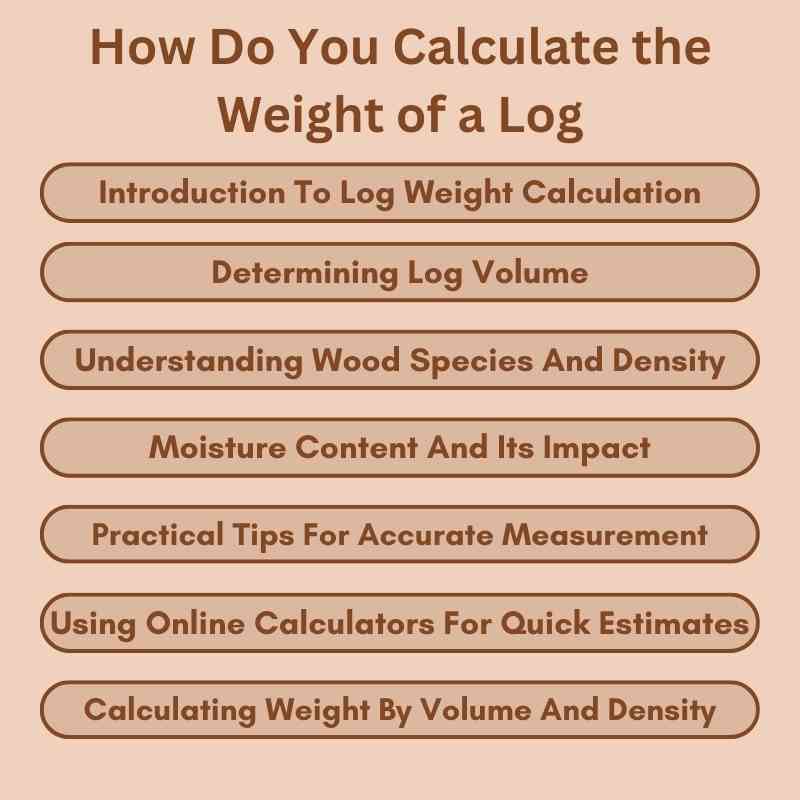
Introduction To Log Weight Calculation
The weight of a log is an essential factor in various industries and activities, including transportation, construction, and forestry. Understanding the importance of knowing log weight can help in efficient planning and resource management. Factors such as wood species, log volume, and moisture content play a significant role in determining the weight of a log. Each of these elements contributes to the overall density and mass of the log, influencing its weight and usability in different applications.
Determining Log Volume
Determining the weight of a log involves calculating its volume. For logs with simple shapes, such as rectangular prisms, you can measure the length, width, and thickness in the same units and multiply these measurements together to get the volume. If the log has an irregular shape, you can use the water displacement method. First, wax or oil the wood or cover it with cling wrap. Then, immerse the log in a cylindrical container filled with water, making sure it is fully submerged. Measure the depth from the top of the cylinder to the water level and the inside diameter of the cylinder. The volume can be calculated using the formula V = ¼πd²h. To determine the weight, use a scale or balance to weigh the log before applying any finish. The weight of the log depends on factors such as the wood species, volume, and moisture content.
Understanding Wood Species And Density
Understanding wood species and density is crucial when calculating the weight of a log. The wood species determines the density of the wood, which is key to accurate weight calculations. Different wood species have varying densities, impacting the weight of the log. By considering the role of wood species in weight calculation, you can accurately determine the weight of a log based on its density. This understanding enables precise calculations, essential for various woodworking and construction applications.
Moisture Content And Its Impact
Calculating the weight of a log involves considering the wood species, log volume, and moisture content. The density of the wood is determined by the species, but moisture content affects its weight. Moisture content refers to the amount of water present in the wood.
To accurately calculate log weight, all these factors must be taken into account.
| Defining Moisture Content | Moisture Content’s Effect on Log Weight |
| Moisture content is the amount of water present in a log. | The weight of a log increases with moisture content. |
| Moisture content is expressed as a percentage of the log’s dry weight. | A log with high moisture content will weigh more than a log with low moisture content. |
| Moisture content affects the weight of a log because water is heavier than wood. | Knowing the moisture content of a log is important in calculating its weight. |
Calculating the weight of a log requires knowledge of its moisture content. Moisture content is defined as the amount of water present in a log and is expressed as a percentage of the log’s dry weight. A log with high moisture content will weigh more than a log with low moisture content because water is heavier than wood. It is important to know the moisture content of a log in order to accurately calculate its weight.
Practical Tips For Accurate Measurement
To calculate the weight of a log, measure its length and diameter, then use a log weight chart or an online log weight calculator to determine the weight based on the wood species and moisture content. Ensure accurate measurements for precise results.
| Tools Needed for Measuring: |
|
| Avoiding Common Measurement Errors: |
|
To accurately calculate the weight of a log, you need to measure its volume and density. If the log is in the form of a rectangular prism, measure its length, width, and thickness in the same unit and multiply the measurements together. If it’s an irregular shape, you can wax or apply an oil-based finish to it or cover it with cling wrap. To measure the volume, immerse the log in a cylindrical container filled with water and measure the depth and inside diameter of the cylinder. The volume can be calculated using the formula V = ¼πd²h. Weigh the log using a scale or balance before applying any finish. To avoid common measurement errors, ensure the log is fully submerged in water, measure the inside diameter of the cylinder accurately, and remove any extreme outliers when calculating the length-weight relationship.
Using Online Calculators For Quick Estimates
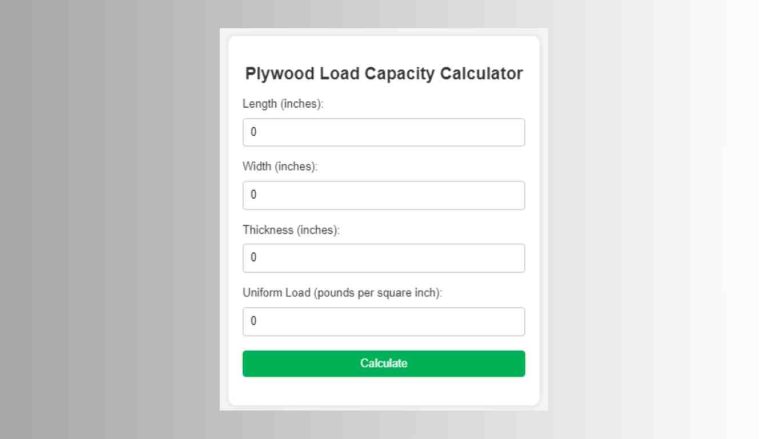
Online weight calculators are a great tool to quickly estimate the weight of a log. They provide accurate results based on the measurements you input. One of the benefits of using online calculators is that they save you time and effort. You don’t need to manually calculate the weight using formulas or equations. Additionally, online calculators are easily accessible and can be used from anywhere with an internet connection.
Using online tools effectively requires you to input accurate measurements. Make sure to measure the log’s length, width, and thickness in like units. If the log is not a simple shape, you can immerse it in water to calculate its volume. Before weighing the log, make sure it is free from any finishes or coverings. You can then weigh the log using a scale or balance. Lastly, you can divide the weight by the volume to calculate the unit density.
Calculating Weight By Volume And Density
To calculate the weight of a log, you need to consider its volume and density. Measure the log’s dimensions and multiply them together to find the volume. Then, use a scale or balance to weigh the log. By dividing the weight by the volume, you can determine the unit density.
| Calculating Log Weight |
| Calculating the weight of a log can be done by using its volume and density. To calculate the weight of a log, first measure its length, width, and thickness in the same unit. If the log is not a simple shape, cover it with cling wrap and immerse it in a cylindrical container filled with water. Measure the depth from the top of the cylinder to the water level and the inside diameter of the cylinder. Use the formula V = ¼πd²h to calculate the volume of the log. |
| Next, weigh the log using a scale or balance before it is waxed or oiled. Divide the weight by the volume to get the unit density. Knowing the wood species, look up the specific gravity of the wood to get the density. Multiply the volume of the log by its density to get its weight. |
| Follow these step-by-step calculations to determine the weight of a log accurately. |
Advanced Techniques And Considerations
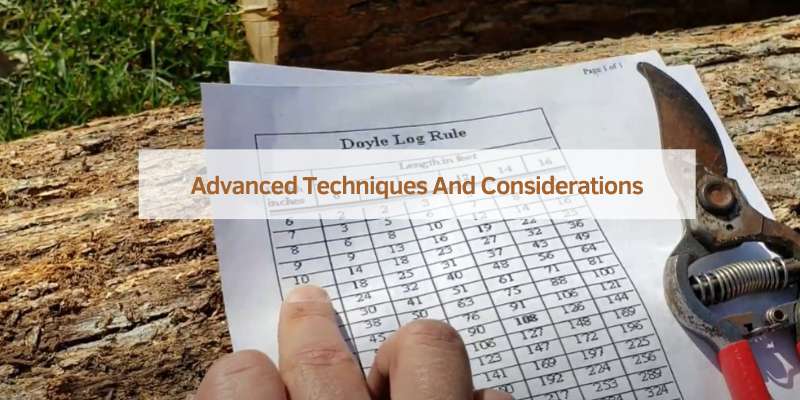
To calculate the weight of a log, you can use the formula: Weight = Volume x Density. If the log has varying shapes, you may need to use different formulas for each shape. When dealing with extreme moisture conditions, it’s important to adjust the density value to account for the moisture content of the log. This can be done by using a moisture meter to measure the moisture content and then applying a correction factor to the density. Keep in mind that different wood species have different densities, so it’s essential to consider the specific type of wood when calculating the weight. Additionally, using a scale or balance to weigh the log before and after drying can help determine the moisture content and make necessary adjustments.
Frequently Asked Questions
How Do I Figure Out How Much A Log Weighs?
To determine the weight of a log, you need to consider the wood species, volume of the log, and its moisture content. Wood density varies based on moisture content. Calculate the weight by multiplying the wood density by the volume of the log.
Use the formula: Weight = Density x Volume. You can find wood density and use a log weight calculator for accurate results.
How To Calculate The Weight Of Wood?
To calculate the weight of wood, multiply its density by the volume of the wood. If it’s a simple shape, measure the length, width, and thickness, then multiply them together. For irregular shapes, use water displacement to measure the volume.
How Heavy Is A 10 Foot Log?
A 10-foot log’s weight depends on the wood type, volume, and moisture content, but you can calculate it using the wood density and volume.
How To Calculate The Weight Of A Tree?
To calculate the weight of a tree, you need to consider the wood species, volume of the tree, and its moisture content. The density of the wood varies depending on its moisture content. You can calculate the weight by multiplying the wood density by the volume of the tree.
Conclusion
Calculating the weight of a log involves considering the wood species, volume of the log, and its moisture content. By determining the density of the wood and multiplying it by the volume, you can calculate the weight of the log.
It’s important to note that the moisture content of the wood affects its density. To accurately calculate the weight, you can use online log weight calculators or consult wood density charts. With this information, you can make informed decisions when it comes to handling and transporting logs.