How Do I Estimate the Weight of My Furniture? Real Numbers by Type
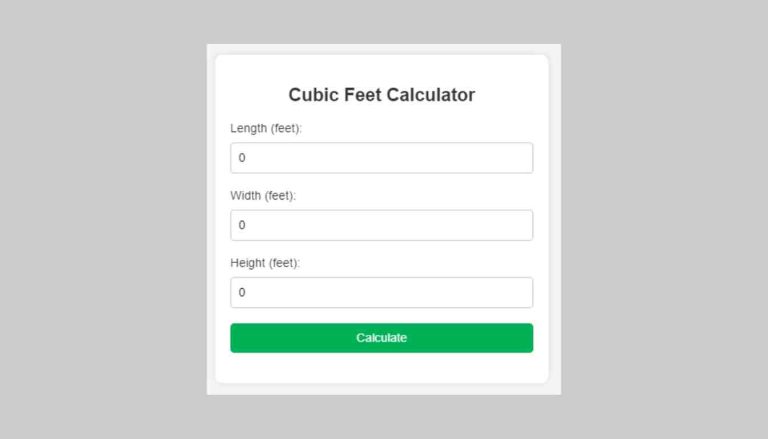
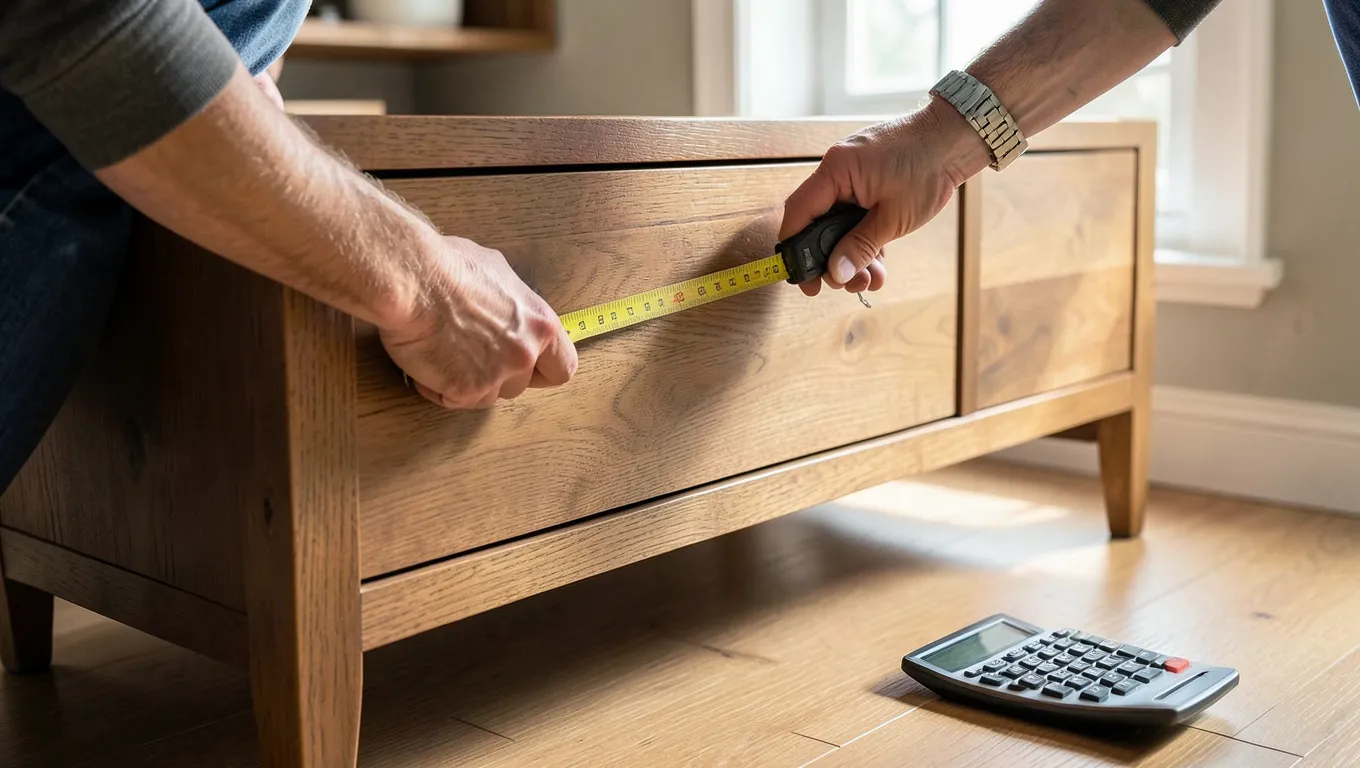
The fastest real estimate: multiply the piece’s volume (length × width × height, in cubic feet) by its material’s density. Solid hardwood furniture runs about 35-45 lbs per cubic foot, softwood pieces about 25-32 lbs per cubic foot, and particleboard/MDF pieces (most flat-pack furniture) about 20-28 lbs per cubic foot once hardware and finish are factored in.
Generic “use an online calculator” advice doesn’t tell you why two dressers of the same size can weigh 80 lbs apart — the material makes that much difference. Below is a real reference table by furniture type and material, the formula behind it with a worked example, and when it’s worth calling a mover instead of guessing.
Typical Furniture Weights by Type and Material
Right-Sized Moving Dolly Pick
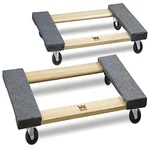 |
WEN 1320 lbs. Capacity Hardwood Furniture Moving Dolly, Two Pack – $33.40 Once you know your piece’s weight from the table or formula above, this is the size dolly that handles it — 1,320 lbs combined capacity covers even a heavy solid-hardwood dresser or dining table.
|
These are realistic ranges for common pieces, not averages padded across unrelated furniture categories:
| Furniture | Solid Hardwood | Softwood/Plywood | Particleboard/MDF |
|---|---|---|---|
| Dresser (6-drawer) | 150-220 lbs | 90-140 lbs | 70-110 lbs |
| Bookshelf (5-shelf, 6 ft) | 90-130 lbs | 55-80 lbs | 40-65 lbs |
| Dining table (6-seat) | 120-180 lbs | 70-110 lbs | 55-90 lbs |
| Nightstand | 30-50 lbs | 20-32 lbs | 15-25 lbs |
| Queen bed frame | 100-160 lbs | 60-95 lbs | 45-75 lbs |
| Office desk | 110-170 lbs | 65-100 lbs | 50-85 lbs |
Upholstered pieces (sofas, upholstered beds) don’t fit this table well because foam, springs, and fabric add weight independent of the wood frame underneath — a 3-seat sofa typically runs 100-250 lbs depending on the frame and cushion fill, regardless of whether the hidden frame is hardwood or pine.
The Volume × Density Formula (With a Worked Example)
For a piece that doesn’t match the table well — an odd-sized bookcase, a custom-built cabinet — calculate it directly:
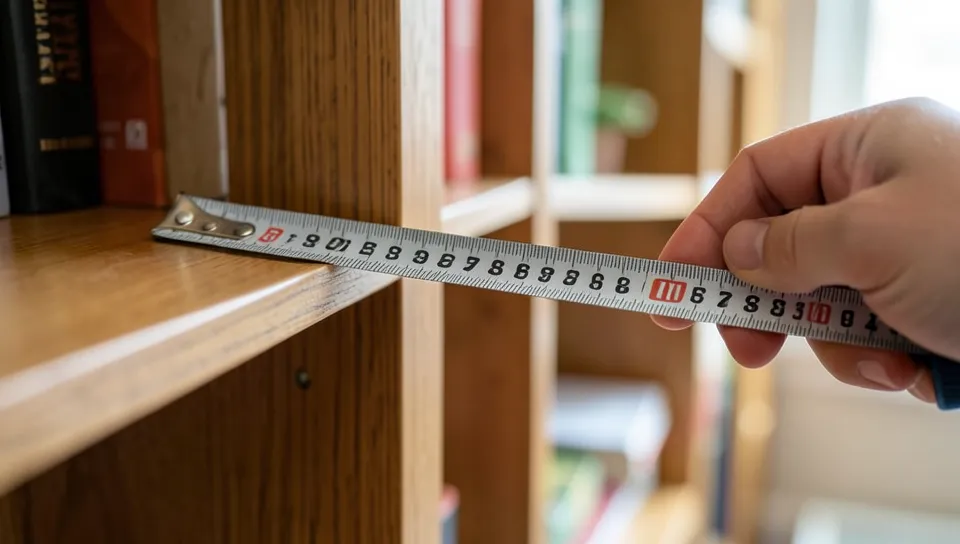
- Measure length, width, and height in feet, then multiply for total volume in cubic feet.
- Estimate the solid material percentage — a dresser is mostly solid wood/panel by volume (~60-70%), while an open bookshelf is mostly empty space (~20-30% solid material).
- Multiply: volume × solid-material fraction × density (lbs/cubic ft) for the wood type.
Worked example: a solid oak bookshelf measuring 3 ft wide × 1 ft deep × 6 ft tall has a total volume of 18 cubic feet. An open shelf unit is roughly 25% solid material by volume, so 18 × 0.25 = 4.5 cubic feet of actual oak. Oak runs about 45 lbs per cubic foot, so 4.5 × 45 ≈ 200 lbs — which lines up with the 90-130 lb range in the table once you account for this being a taller, deeper unit than the “5-shelf, 6 ft” baseline. The formula gets you a defensible number for anything that doesn’t match a standard size.
Faster Manual Methods
If you don’t need formula-level precision, two shortcuts work well enough for booking a truck or a moving crew:
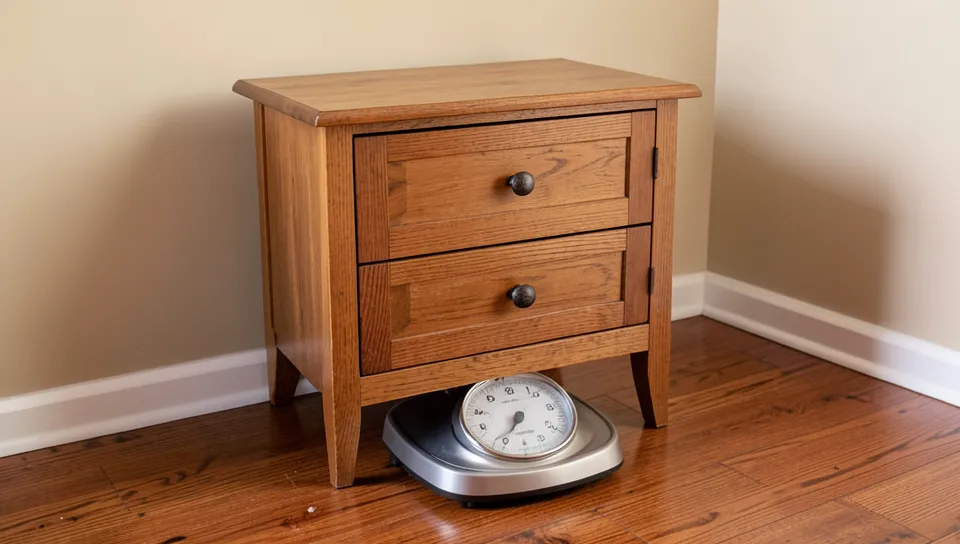
- Bathroom scale for small/medium pieces: a standard bathroom scale handles anything under about 300 lbs. Get someone to help tip the piece just enough to rest fully on the scale, or weigh yourself holding the item and subtract your own weight.
- Manufacturer spec sheet: if the furniture was bought within the last decade, the retailer’s product page or the original box almost always lists shipping weight — search the model number rather than re-measuring from scratch.
When to Call a Professional Mover Instead
A DIY estimate is fine for most moves, but get a professional in-home or virtual estimate when any of these apply: the piece is a genuine antique or unique build where the appraiser’s replacement-value estimate matters as much as the weight, the piece needs to go up/down stairs or through a tight doorway (weight plus awkward geometry changes the math on how many people you need), or you’re booking a long-distance move where the total shipment weight sets the price — a mover’s certified weigh-in protects you from a surprise reweigh charge that a DIY guess can’t.
Frequently Asked Questions
How Do I Know How Much My Furniture Weighs?
Match it to the closest entry in a reference table by type and material, use the volume × density formula for an odd-sized piece, or weigh it directly on a bathroom scale if it’s under about 300 lbs.
How To Estimate Your Household Goods Weight?
Add up individual-item estimates from a reference table rather than a flat per-room average — a room with a solid oak dresser and a room with a similar-sized particleboard one can differ by 100+ lbs, and per-room averages hide that.
How To Calculate The Weight Of Items?
Use volume (length × width × height) × the percentage that’s actually solid material × the material’s density in lbs per cubic foot. See the worked example above for a full calculation.
How Do You Calculate Weight Estimate?
For a standard piece, use the reference table above. For a custom or oddly-sized piece, use the volume × density formula rather than a generic online calculator that doesn’t account for material.
Conclusion
Furniture weight comes down to two numbers: how much space the piece takes up, and how dense the material actually is. A reference table covers most standard pieces; the volume × density formula covers everything else. Either way beats a generic calculator that treats a particleboard dresser the same as a solid oak one.
Sponsored / affiliate links. As an Amazon Associate I earn from qualifying purchases. I may earn additional commission from eligible campaigns.