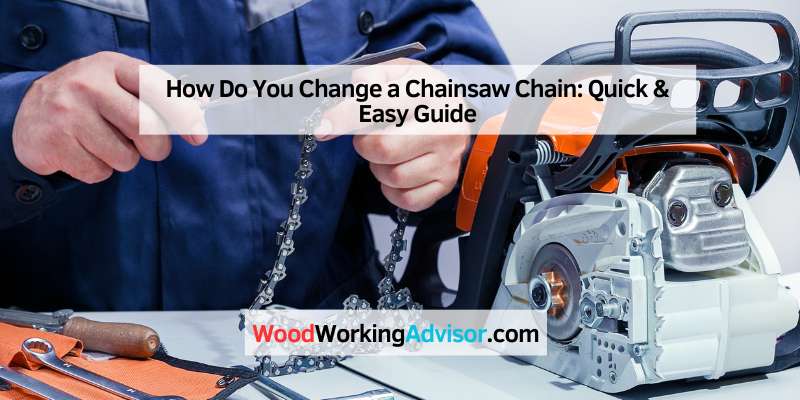
How Do You Change a Chainsaw Chain: Quick & Easy Guide
To change a chainsaw chain, first remove the side cover and then remove the old chain. Install the new chain and then tighten the nuts, followed by tensioning the chain.
Maintaining a chainsaw is important to keep it in good condition and extend its lifespan. One of the crucial aspects of chainsaw maintenance is replacing the chain when it becomes dull or damaged. Knowing how to replace a chainsaw chain is a necessary skill for any chainsaw owner.
While it may seem daunting, changing a chainsaw chain is a relatively straightforward process that can be done with just a few tools. We’ll provide step-by-step instructions on how to change a chainsaw chain. Whether you’re a professional logger or a DIY enthusiast, this guide will help you keep your chainsaw running smoothly.
Safety First
To change a chainsaw chain, start by ensuring safety first by wearing protective gear. Then, remove the side cover, loosen the tensioning screw, and carefully take out the old chain. Next, install the new chain, adjust the tension, and securely fasten the side cover.
Always refer to the manufacturer’s guidelines for specific instructions.
Wear Protective Gear
When it comes to changing a chainsaw chain, safety should always be your top priority. Before you begin, make sure you are wearing the necessary protective gear to prevent any accidents or injuries. This includes:
- Protective goggles or safety glasses to shield your eyes from flying debris.
- Ear protection such as earplugs or earmuffs to reduce the noise level.
- Heavy-duty gloves to protect your hands from sharp edges and cuts.
- Sturdy work boots with non-slip soles to provide stability and protect your feet.
- A long-sleeved shirt and pants to shield your skin from potential scratches or cuts.
Ensure Chainsaw Is Off
Before you start changing the chainsaw chain, it is crucial to ensure that the chainsaw is completely turned off and the engine is cooled down. This will prevent any accidental starts or injuries. Follow these steps:
- Locate the on/off switch and flip it to the “off” position.
- Wait for the engine to cool down, allowing it enough time to dissipate the heat.
- Double-check that the chainsaw is completely powered off by pulling the starter cord gently.
Remember, safety is paramount when working with chainsaws. By following these safety precautions and wearing the appropriate protective gear, you can minimize the risks and ensure a safe chainsaw chain replacement process.
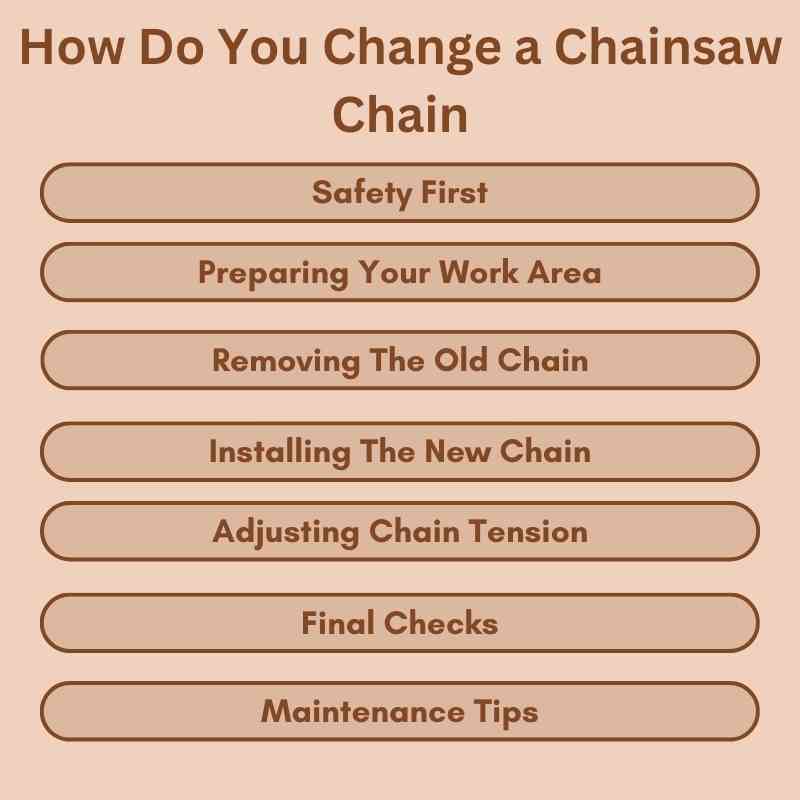
Preparing Your Work Area
When changing a chainsaw chain, it is important to prepare your work area properly. This includes removing the side cover, taking off the old chain, installing the new chain, and tightening the nuts. Following these steps will ensure a successful chain replacement.
Gather Necessary Tools
Before starting the process of changing the chainsaw chain, it’s important to gather all the necessary tools. These may include protective gloves, a safety helmet, safety goggles, a wrench, a screwdriver, and a new chainsaw chain.
Secure Chainsaw On A Stable Surface
Once you have all the required tools, the next step is to secure the chainsaw on a stable surface. This will ensure the safety of the person changing the chain as well as prevent any accidents. Place the chainsaw on a flat and level surface and make sure it is securely positioned to prevent any movement during the chain replacement process.
Removing The Old Chain
To change a chainsaw chain, start by removing the side cover and then the old chain. Loosen the tensioning screw on the guide bar to make the process easier. This will allow you to install the new chain with ease and ensure proper tension.
Removing the old chain from your chainsaw is an important step in the process of changing the chainsaw chain. It allows you to replace a dull or damaged chain with a new one, ensuring optimal performance and safety. In this section, we will guide you through the steps of removing the old chain, making it easy and hassle-free.
Remove the side cover
To begin, locate the side cover of your chainsaw. This cover is usually held in place by a few screws or nuts. Use the appropriate tool, such as a screwdriver or wrench, to remove these screws and detach the side cover from the chainsaw body. Set the cover aside in a safe place, as you will need it later when installing the new chain.
Release chain tension
After removing the side cover, you will need to release the tension in the chain. This is important to ensure that the chain can be easily removed without any resistance. Locate the tensioning screw on the inside side of the guide bar and loosen it slightly. This will allow the chain to become loose and make it easier for you to detach it.
Detach the old chain
With the tension released, you can now proceed to detach the old chain from the guide bar and the chainsaw sprocket. Simply lift the chainsaw guide bar by the tip so that the chain sags slightly. Then, carefully slide the chain off the guide bar and sprocket, ensuring that it doesn’t snag or get tangled during the process. Once the chain is fully detached, you can safely remove it from the chainsaw.
By following these simple steps, you can easily remove the old chain from your chainsaw, preparing it for the installation of a new chain. Remember to handle the old chain with caution, as it may still have sharp edges. With the old chain removed, you are now ready to proceed to the next step of installing the new chain.
Installing The New Chain
To install the new chain on a chainsaw, first remove the side cover and take off the old chain. Then, carefully install the new chain and tighten the nuts. Finally, reinstall the side cover and adjust the chain tension. Follow these steps for a successful chain replacement.
Align The New Chain
Before installing the new chain, ensure the chainsaw is turned off and the engine is cooled down. Lay the chainsaw on a flat surface, and then align the new chain with the guide bar, making sure the teeth are pointing towards the front of the chainsaw.
Attach Chain Onto The Bar
Once the new chain is aligned with the guide bar, carefully fit the chain onto the bar, ensuring that the drive links sit into the sprocket and the chain is correctly positioned on the bar. Rotate the chain around the bar to ensure it moves freely and smoothly.
Reattach The Side Cover
With the new chain properly placed on the guide bar, reattach the side cover by aligning it with the bar and chain. Secure the cover in place by tightening the nuts or screws, ensuring that the cover is snug but not overly tightened, allowing the chain to move freely.
Adjusting Chain Tension
Adjusting chain tension is an important step in changing a chainsaw chain. After removing the old chain and installing the new one, use the tensioning screw to adjust the tension of the new chain to ensure optimal performance and safety.
Adjusting the chain tension is an essential step in changing a chainsaw chain. When the chain tension is too loose, it can derail from the guide bar, while if it’s too tight, it can cause damage to the chainsaw or even break the chain. Here’s a step-by-step guide on how to adjust the chain tension when replacing a chainsaw chain.
Loosen tensioning screw: Locate the tensioning screw on the inside of the guide bar and loosen it slightly. This will help in installing the new chain with ease.
Adjust to correct tension: Lift the chainsaw guide bar by the tip so that the chain sags slightly. Tighten the chain by turning the adjustment wheel clockwise until it fits snugly against the guide bar without sagging.
Tighten the tensioning screw: Once you have adjusted the chain to the correct tension, tighten the tensioning screw by turning it clockwise until it’s snug. Make sure not to overtighten it as it can cause damage to the chainsaw or the chain.
By following these steps, you can easily adjust the chain tension when replacing a chainsaw chain. Proper tensioning of the chain ensures the safety of the user and prolongs the life of the chainsaw. Remember to check the chain tension before every use and adjust it accordingly if needed.
Final Checks
To change a chainsaw chain, start by removing the side cover and the old chain. Then, install the new chain and reattach the side cover. Next, tension the chain and tighten the nuts. For a more detailed guide, you can refer to instructional videos and manuals available online.
After installing the new chainsaw chain, it is essential to perform some final checks before starting the chainsaw. These checks ensure that the chainsaw is ready for use and can operate safely. Here are the final checks to perform:
Ensure Everything is Secure:
Firstly, check that all the nuts, bolts, and screws on the chainsaw are tight and secure. Ensure that the side cover is tightly fastened and that the air filter cover is firmly in place. Check that the bar and chain are properly aligned and that the chain tension is correct.
Check Chain Movement:
Next, check the movement of the chain. Pull the chain away from the bar slightly and release it. The chain should immediately snap back into place and should not sag or droop. Ensure that the chain moves smoothly around the bar and that there is no binding or jerking.
Tension the Chain:
Finally, tension the chain again. Turn the adjustment wheel clockwise until the chain is snug against the bar but still moves freely. Do not over-tighten the chain as this can cause damage to the chainsaw and result in a dangerous situation.
By performing these final checks, you can ensure that your chainsaw is safe and ready to use. Always follow the manufacturer’s instructions and safety guidelines when operating a chainsaw. With proper maintenance and care, your chainsaw will provide you with years of reliable service.
Maintenance Tips
Proper maintenance of your chainsaw chain is essential for optimal performance and longevity. Here are some important maintenance tips to ensure that your chainsaw chain remains in top condition.
Regular Cleaning
Regular cleaning of your chainsaw chain is crucial to prevent the buildup of dirt, sawdust, and debris, which can affect its cutting efficiency and lead to premature wear. After each use, clean the chain thoroughly using a brush or compressed air to remove any accumulated residue. This will help maintain the sharpness of the cutting teeth and ensure smooth operation.
Lubrication And Storage Tips
Proper lubrication is vital for the smooth functioning of the chainsaw chain. Apply a high-quality chain lubricant regularly to reduce friction and prevent overheating during operation. Additionally, when storing your chainsaw, ensure that it is kept in a dry and clean environment to prevent rust and corrosion. Store the chainsaw in a protective case or sheath to safeguard the chain from damage and ensure its longevity.
Troubleshooting Common Issues
To change a chainsaw chain, start by removing the side cover and the old chain. Then, install the new chain and tighten the nuts. Finally, reinstall the side cover and tension the chain. Follow these steps carefully to troubleshoot common issues and ensure a smooth chainsaw chain replacement process.
Chainsaws are powerful tools that require regular maintenance to ensure optimal performance. However, sometimes issues can arise, causing inconvenience and frustration. Here are some common problems you may encounter when changing a chainsaw chain and how to troubleshoot them.
Chain Comes Off
One of the most common issues when changing a chainsaw chain is that it may come off during operation. This can be caused by various factors, such as improper installation or a loose chain tension. To troubleshoot this issue, follow these steps:
- Stop the chainsaw and disconnect the power source.
- Inspect the chain to ensure it is not damaged or worn out. Replace it if necessary.
- Check the chain tension by lifting the chainsaw guide bar by the tip. The chain should sag slightly. If it is too loose, tighten it by turning the adjustment wheel clockwise.
- Make sure the chain is properly installed on the guide bar and the drive sprocket.
- Reconnect the power source and test the chainsaw to ensure the chain stays in place during operation.
Chain Is Too Tight Or Too Loose
Another common issue when changing a chainsaw chain is that it may be too tight or too loose. Both scenarios can negatively impact the chainsaw’s performance and can even cause damage to the chain and guide bar. Here’s how to troubleshoot this problem:
- If the chain is too tight, loosen it by locating the tensioning screw on the inside side of the guide bar and loosening it slightly. This will make installing the new chain easier.
- If the chain is too loose, tighten it by turning the adjustment wheel clockwise. Lift the chainsaw guide bar by the tip so that the chain sags slightly.
- Ensure that the chain is properly tensioned by checking its movement along the guide bar. It should move freely without excessive slack or resistance.
- Test the chainsaw to ensure the chain is properly tensioned and does not come off during operation.
By troubleshooting these common issues, you can ensure a smooth and successful chainsaw chain replacement. Remember to always refer to the manufacturer’s instructions and safety guidelines for your specific chainsaw model. Regular maintenance and proper chain installation will help prolong the lifespan of your chainsaw and keep it operating at its best.
Frequently Asked Questions
What Is The Proper Way To Install A Chainsaw Chain?
To install a chainsaw chain, first, loosen the tensioning screw on the guide bar. Then, place the new chain on the bar, ensuring the cutting edges face forward. Finally, tighten the tensioning screw and check the chain tension. Always refer to the manufacturer’s instructions for specific guidance.
Is There A Wrong Way To Put A Chain On A Chainsaw?
To put a chain on a chainsaw, follow these steps:
1. Locate the tensioning screw on the guide bar and loosen it slightly.
2. Lift the guide bar by the tip to create slight sag in the chain.
3. Install the new chain, ensuring it is properly aligned with the sprocket.
4. Tighten the chain by turning the adjustment wheel clockwise.
5. Make sure the chain is tensioned properly and secure the cover. Remember to consult your owner’s manual for detailed instructions.
How To Remove The Chain From A Chainsaw?
To remove the chain from a chainsaw, follow these steps:
1. Loosen the tensioning screw on the guide bar.
2. Remove the side cover and the old chain.
3. Install the new chain and adjust the tension.
4. Reinstall the side cover and tighten the nuts.
How Do You Get A Loop Out Of A New Chainsaw Chain?
To remove a loop from a new chainsaw chain, locate the tensioning screw on the inside of the guide bar and loosen it slightly. This will make it easier to install the new chain.
Conclusion
Changing a chainsaw chain is a simple process that can be done with a few basic steps. First, remove the side cover and the old chain. Then, install the new chain and tighten it properly. Finally, reattach the side cover and ensure the chain is properly tensioned.
By following these steps, you can easily replace the chain on your chainsaw and ensure it continues to operate effectively. Remember to always refer to your chainsaw’s manual for specific instructions and safety guidelines.