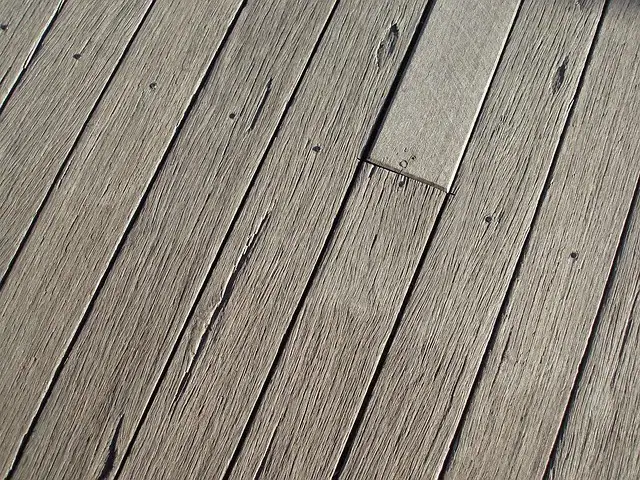
What Do You Treat a Wood Trailer Deck With? (Best Preservatives + How to Seal)
The best treatment for a wood trailer deck is a penetrating oil-based sealer such as Ready Seal, tung oil or thinned boiled linseed oil, not paint or any film that cracks and peels under cargo. Plan to re-treat every 1 to 3 years. This guide covers the top five finishes, how to seal a trailer deck step by step, and three traps most guides skip: oily-rag fires, mildew and steel corrosion.
Best Treatment for a Wood Trailer Deck
Best Trailer Deck Sealer Pick | |
 |
Ready Seal Exterior Wood Stain & Sealer, 1 Gallon (Natural Light Oak)
|
As an Amazon Associate we earn from qualifying purchases. | |
A trailer deck is not a patio. Boards flex as the trailer rolls, tires throw water and grit up from below, and cargo drags across the top. Anything that sits on the surface as a hard film eventually cracks and lets water in behind it. A penetrating finish soaks into the fibers instead, so there is nothing to peel, and you can refresh it with a clean-and-recoat rather than a full strip.
Types Of Wood Used In Trailer Decks
Hardwoods: Trailer decks are commonly built from oak, apitong (also sold as keruing) and hickory. They are dense, wear-resistant and shed moisture better than softwoods, but the density also means they absorb less finish, so thin coats applied to clean, dry boards work better than one heavy coat. See our guide to what apitong wood is if your deck came with it.
Softwoods and treated lumber: Pine, cedar and spruce are lighter and cheaper but have an open grain that soaks up water quickly, so they need treating sooner and more often. Pressure-treated pine resists rot out of the box, but it still weathers, and the copper in modern treatments attacks bare steel (see the mistakes section below). Our pressure-treated deck guide covers what the tags mean.
Key Factors In Choosing A Preservative
- Penetrating or film: choose a finish that soaks in. Film-formers, including paint and most polyurethanes, crack under trailer flex.
- UV protection: a pigmented or semi-transparent finish slows the grey, weathered look better than a clear one.
- Mildew resistance: natural drying oils feed mildew in damp climates, so a trailer stored outside in humid weather needs a finish with a fungicide or a tighter re-oil schedule.
- Easy recoating: a working deck gets scuffed. Pick a finish you can clean and re-coat without sanding down to bare wood.
- Safety: read the label for ventilation and disposal directions, especially for oil finishes.

Top Preservatives For Wood Trailer Decks
These are the five finishes trailer owners reach for most. All five soak into the wood rather than sit on top, which is the property that matters on a deck that flexes and carries load. The comparison table after the list shows how they stack up on upkeep.
1. Ready Seal Exterior Stain & Sealer: Best Overall
Ready Seal is a semi-transparent, oil-based stain and sealer in one. The manufacturer says it needs no back brushing, can be applied in direct sunlight, and can handle rain within minutes of application, which makes it forgiving for a DIY deck. It can be re-applied without sanding or stripping, which is the main reason it suits a deck that will get scuffed. Check the color chart before buying, since it tints the wood. See the pick in the box above.
2. Thompson’s WaterSeal Clear Wood Sealer
Thompson’s WaterSeal is widely available at home centers and gives clear water repellency for light-use or enclosed trailers that stay out of heavy weather. It sits closer to the surface than a pigmented oil stain and has no UV tint, so expect to redo it every 1 to 2 years on a deck that is loaded and hauled regularly.
3. Boiled Linseed Oil (DIY Option)
Boiled linseed oil (BLO) thinned about 2 parts oil to 1 part mineral spirits is the classic budget treatment for oak and apitong decks. Thinning helps it soak in. Use boiled linseed oil only: raw linseed oil stays tacky for weeks. Apply thin coats and wipe off the excess after 15 to 30 minutes, with 24 to 48 hours between coats.
Two cautions that most trailer guides leave out. First, on exterior surfaces in humid, wet climates boiled linseed oil has a tendency to grow mildew, so it is a better fit for trailers kept dry or in dry regions. Second, rags soaked in linseed oil can heat up and ignite on their own. Lay rags flat outdoors to dry, or soak them in water in a sealed metal container, before disposal; the East Sussex fire service explains the risk. Never leave them wadded in a pile or bin.
4. Tung Oil
Pure tung oil cures into a flexible, water-resistant layer inside the wood and, unlike vegetable-oil blends, does not go rancid in the grain. It suits hardwood decks like oak and apitong. The trade-off is patience: it takes several thin coats with a long cure between each. Be careful with products labelled “tung oil finish”, which are often thinned blends rather than the pure oil.
5. Star Brite Teak Oil
Star Brite Teak Oil is a marine wood oil made for boat decks, so it is a natural fit for boat trailers and coastal trailers exposed to salt and humidity. Despite the name, teak oil is a blend, not oil pressed from teak. It conditions hardwoods and warms the color, but expect to refresh it every year or two.
| Finish | How it works | Typical re-treat interval | Watch out for |
|---|---|---|---|
| Ready Seal (oil-based stain and sealer) | Penetrates, no film | Re-coat about every 1-3 years | Tints the wood; best on bare or previously oiled boards |
| Thompson’s WaterSeal (clear sealer) | Light surface protection | Re-apply every 1-2 years on a working deck | Clear, so no UV tint; needs the most frequent redo |
| Boiled linseed oil, thinned with mineral spirits | Penetrates, no film | Plan on re-oiling about yearly outdoors | Mildew in damp climates; oily-rag fire risk |
| Pure tung oil | Penetrates, cures flexible | Re-coat every 1-3 years | Many thin coats and slow curing between them |
| Teak oil (marine blend) | Penetrates, no film | Re-apply every 1-2 years | Best on boat trailers and coastal use; a blend, not pure teak |
| Exterior paint | Surface film | Peels within a few seasons under load | Traps water once it cracks; must be stripped to redo |
Used Motor Oil on a Trailer Deck: Skip It
People do soak trailer decks in used motor or diesel oil, because it is free and it does darken the wood and repel water at first. It is a poor trade. Used motor oil carries heavy metals and hydrocarbons from the engine, it has no fungicide to stop rot, and it keeps leaching out of the boards onto your tires, the ground and anything you haul. In many places used oil is regulated as a waste, so the better use for it is a recycling drop-off. A bottle of purpose-made oil costs less than the mess it avoids.
Paint or Stain: Which Is Better for a Trailer Deck?
Stain, or any penetrating oil-based finish, wins on a trailer deck. Paint forms a film, and the flexing and load of a working trailer crack it. Once water gets under a cracked film it stays there and rots the board from the inside while the surface still looks fine. Paint is a sensible choice for the steel frame, not the boards. For decks that do not flex, compare options in our best deck stain guide and best wood sealer guide.
How to Seal a Wood Trailer Deck (Step by Step)
A penetrating sealer applied to dirty or damp wood traps moisture and speeds up rot. Prep decides how long the finish lasts.

- Clean the deck: Sweep off dirt and debris, then wash off embedded grime and old residue with a pressure washer or deck cleaner. If mold is present, use a mold remover for wood first and rinse well. For a homemade wash, see our DIY wood deck cleaner recipes and its mixing safety rules.
- Let it dry completely: Allow at least 48 hours after washing. Tape a clear plastic sheet to a board for a few hours; condensation underneath means the wood is still too wet.
- Fix damage: Replace soft or rotten boards, sand splinters with 80 to 120 grit, and fill cracks with exterior wood filler. Remove all dust.
- Apply the first coat: Brush, roll or spray along the grain on a dry day above 50°F. Pay extra attention to end grain and the board edges, where water enters first.
- Wipe off the excess: After 15 to 30 minutes, wipe off anything that has not soaked in. Puddles dry to a sticky, slippery surface, which you do not want on a deck you walk on while loading.
- Apply a second coat if the product calls for it: Wait the time on the label, usually 24 to 48 hours for oils.
- Cure before loading: Keep cargo off for 24 to 72 hours depending on the product and temperature, and handle oil-soaked rags safely as described above.
Trailer-Specific Mistakes to Avoid
- Bare pressure-treated boards on a steel frame: the copper in ACQ-type treatments is corrosive to steel and aluminum. Use galvanized or stainless fasteners and a barrier strip between wood and metal. See how to fasten wood to metal for fastener choices, and read the galvanizers association guidance on treated wood.
- Skipping the underside and edges: boards soak up spray from below. Seal the edges and underside when the deck is apart or while recoating.
- Sealing over damp wood: a trailer parked outdoors can look dry on top while holding moisture underneath. Use the plastic-sheet test.
- Painting the boards: film finishes crack and trap water. Save paint for the frame.
- Ignoring small rot: a soft board will not hold fasteners or cargo. Replace it before treating the rest.
Once the deck is sealed, re-check it every six months. If water no longer beads on the surface, or the boards have started to grey, it is time for a clean-and-recoat. Our wood deck stain and sealer guide has more on matching finish to wood.
Frequently Asked Questions
What Is The Best Treatment For A Wood Trailer Deck?
The best treatment for a wood trailer deck is a penetrating oil-based stain and sealer such as Ready Seal. It soaks into the fibers instead of forming a film, so cargo and foot traffic cannot scrape it off. Boiled linseed oil is the cheapest alternative, but it needs more frequent re-oiling outdoors and can grow mildew in humid climates.
How Often Should I Treat My Wood Trailer Deck?
Re-treat a wood trailer deck every 1 to 3 years, or yearly if the trailer is used hard and stored outside. Sprinkle water on the boards: if it soaks in instead of beading, the finish has worn off. Trailers in desert sun or coastal salt air often need attention sooner.
Can I Use Regular Paint On A Wood Trailer Deck?
Regular paint is not a good choice for a trailer deck. It forms a film that cracks and peels under flexing, loading and foot traffic, and once it peels it traps water against the wood. A penetrating oil-based stain or sealer is easier to maintain because you can recoat it without stripping.
What Are The Signs My Wood Trailer Deck Needs Treatment?
A trailer deck needs treatment when it turns grey, feels rough or splintery, shows new cracks, or soaks up water instead of beading it. Mold or mildew means moisture is getting in. If a board feels soft or spongy when you press it with a screwdriver tip, it has rot and should be replaced, not just sealed.
Is linseed oil good for trailer decking?
Boiled linseed oil is a workable low-cost treatment for trailer decking when thinned with mineral spirits, but it is not the best option outdoors. It can mildew on exterior wood in damp climates and needs regular re-oiling. Never use raw linseed oil, which stays tacky, and never leave oily rags in a pile because they can heat up and catch fire.
What is the best oil for trailer decking?
For trailer decking, pure tung oil or a penetrating oil-based sealer is usually the better long-term pick, because tung oil cures flexible and does not go rancid in the wood. Boiled linseed oil is the budget choice for oak or apitong decks, and marine teak oil suits boat trailers that see water and sun.
Can I use used motor oil on a trailer deck?
No. Used motor oil contains heavy metals and hydrocarbons picked up inside the engine, it has no fungicide to stop rot, and it can wash out of the boards and onto the ground. Use a purpose-made wood sealer or oil instead.
Should I use pressure-treated lumber on a trailer deck?
Pressure-treated lumber resists rot well, but copper-based treatments such as ACQ can corrode bare steel and aluminum. If the deck sits on a steel trailer frame, use hot-dip galvanized or stainless fasteners and put a barrier such as adhesive flashing tape or rubber between the boards and the frame.
Conclusion
For most trailers, a penetrating oil-based sealer like Ready Seal is the safest choice: it soaks in, it will not peel, and it can be recoated without stripping. Thinned boiled linseed oil or pure tung oil are good budget and hardwood options if you handle the rags properly and watch for mildew. Keep paint on the steel frame, keep used motor oil in the recycling bin, and separate treated lumber from bare steel. Re-check the deck every six months and re-treat every 1 to 3 years.
Sponsored / affiliate links. As an Amazon Associate I earn from qualifying purchases. I may earn additional commission from eligible campaigns.