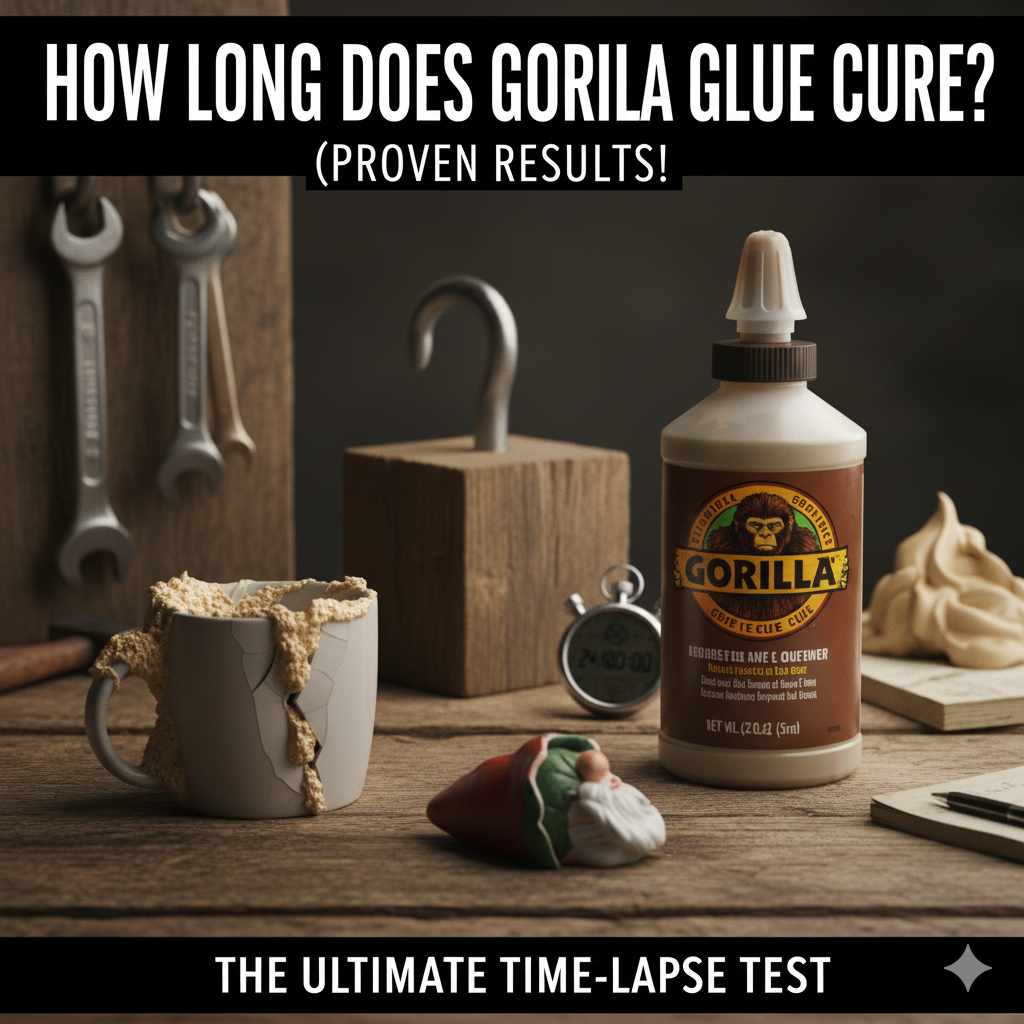
How Long Does Gorilla Glue Cure? Proven Results!
Gorilla Glue typically cures in about 24 hours for a full, strong bond, though handling strength is often achieved within 1-2 hours. Environmental factors like temperature and humidity play a significant role in the curing time. For best results, allow the full cure time.
Hey there, fellow DIYers and woodworking enthusiasts! Md Meraj here, ready to tackle another common puzzle that can make even the most seasoned crafter scratch their head. You’ve got a project, you’ve got that trusty bottle of Gorilla Glue, and you’re ready to make some magic happen. But then comes the big question: “How long does this stuff really take to cure?” It’s super frustrating when you’re eager to move forward, only to find your bond isn’t quite ready. Don’t worry, we’ll break down exactly what you need to know about Gorilla Glue curing times, so you can get back to building with confidence. Let’s get your projects set up for success!
Understanding Gorilla Glue’s Curing Process
Gorilla Glue isn’t just any adhesive; it’s a polyurethane glue known for its incredible strength and versatility. Its unique curing process sets it apart from many other glues you might find in your workshop. Unlike simple white or wood glues that dry out, Gorilla Glue expands as it cures, foaming into crevices and creating an exceptionally strong bond. This expansion is a key part of its strength, but it also means understanding its curing time is crucial for achieving the best results.
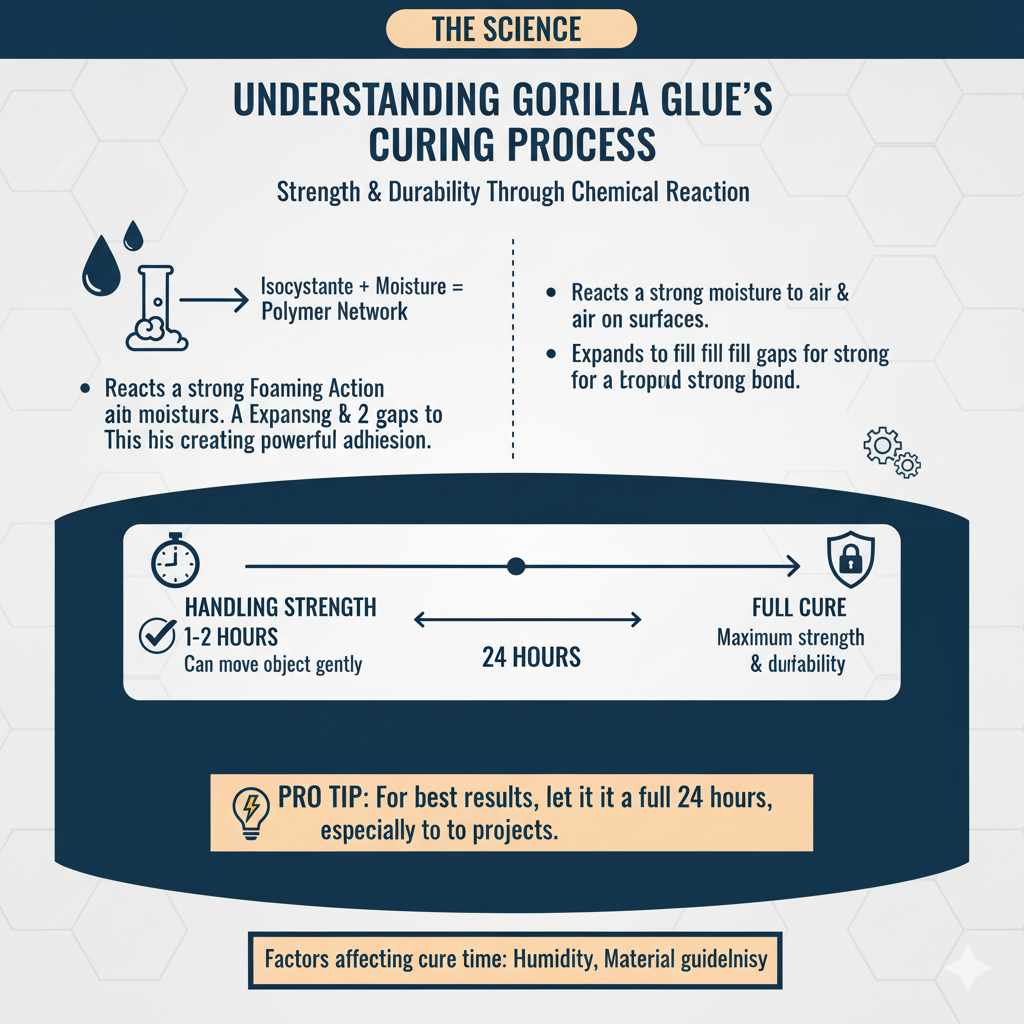
The active ingredient, isocyanate, reacts with moisture in the air and on the surfaces being glued. This chemical reaction creates a strong polymer network, which is what gives Gorilla Glue its legendary durability. Because it relies on a chemical reaction with moisture, factors like humidity and temperature will influence how quickly it sets and hardens.
How Long Does It Take for Gorilla Glue to Cure? The Short Answer
For a strong, reliable bond, Gorilla Glue has a full cure time of approximately 24 hours. However, don’t let that intimidate you! While it needs a full day to reach its ultimate strength, you can often handle pieces held together by Gorilla Glue much sooner.
Handling Strength: This is when the bond is strong enough to move the glued object without it falling apart. For most applications, you can achieve handling strength in 1 to 2 hours.
Full Cure: This is when the glue has reached its maximum strength and durability. This typically takes 24 hours.
It’s always best to let Gorilla Glue cure for the full 24 hours if your project allows, especially for items that will experience significant stress or weight.
Factors Affecting Gorilla Glue Cure Time
As we touched upon, Gorilla Glue’s cure time isn’t an exact science and can be influenced by several environmental factors. Understanding these can help you speed up the process or at least predict it more accurately.
1. Humidity Levels
This is perhaps the most significant factor. Gorilla Glue requires moisture to cure properly.
High Humidity: In a humid environment, the glue will cure faster because there’s more moisture available for the chemical reaction. This is why Gorilla Glue is often a great choice for outdoor projects where there’s a natural amount of moisture in the air.
Low Humidity: In very dry conditions, curing can be significantly slower. The glue might not expand as much, and the bond could be weaker. If you’re working in a dry climate or a heated indoor space during winter, you might need to help things along (more on that later!).
The U.S. Environmental Protection Agency (EPA) offers resources on understanding indoor air quality, which can give you an idea of typical humidity levels in your home. According to the EPA, ideal indoor humidity levels are generally between 30% and 50%.
2. Temperature
Temperature also plays a vital role in chemical reactions, and Gorilla Glue is no exception.
Ideal Temperature Range: Gorilla Glue generally cures best in moderate temperatures, typically between 40°F and 90°F (4°C and 32°C).
Cold Temperatures: Curing will slow down considerably in cold conditions. Stickiness might increase, but the chemical bonding process is much slower. Avoid gluing in freezing temperatures.
Hot Temperatures: While moderate heat can speed up curing, excessively high temperatures (above 90°F or 32°C) can sometimes lead to premature drying or affect the glue’s strength and flexibility.
3. Amount of Glue Used
Using too much glue won’t necessarily make it cure faster, and it can actually cause problems.
Too Little Glue: Won’t create a strong enough bond.
Too Much Glue: The excess glue will expand and can create a mess. It also needs more time to fully cure through the thicker layer, potentially leading to a weaker outer surface and a gooey interior. Apply just enough to cover the surfaces thinly.
4. Type of Glue Used
While we’re focusing on the classic Gorilla Glue (polyurethane), it’s worth noting that Gorilla Glue offers a range of products.
Original Gorilla Glue: Polyurethane-based, requires moisture, expands.
Gorilla Glue Gel Super Glue: Cyanoacrylate-based, cures with humidity but doesn’t expand much. Faster handling time but different bond characteristics.
Gorilla Wood Glue: PVA-based, cures by drying.
For this article, we’re primarily discussing the original polyurethane Gorilla Glue.
How to Speed Up Gorilla Glue Curing
If you’re in a hurry or working in less-than-ideal (especially dry) conditions, there are a few ways to encourage faster curing:
1. Increase Humidity
Since Gorilla Glue needs moisture, adding a little can help it cure faster.
Lightly Mist Surfaces: Before applying the glue, lightly mist one or both surfaces with water. Don’t soak them – just a fine spray is enough.
Use a Humidifier: If you’re working indoors with very dry air, running a humidifier near your project can help.
Damp Cloth: For some projects, you can place a damp cloth near the glued item (but not touching the bond itself) to increase local humidity.
Be cautious not to over-saturate, as this can weaken the bond or make the glue foam excessively.
2. Apply Gentle Heat
Moderate heat can speed up the chemical reaction.
Warm Environment: Work in a room that’s comfortably warm (within the ideal range).
Heat Lamp (Carefully): A very low-wattage heat lamp placed at a safe distance can help, but monitor it closely to avoid overheating or drying the glue too quickly.
Never use high heat or direct heat sources like a hairdryer directly on the wet glue, as this can cause it to cure too quickly on the outside, leaving the inside under-cured and weak.
3. Proper Clamping
While not directly speeding up the chemical cure, proper clamping ensures the pieces stay in place, allowing the glue to cure without interruption and with optimal contact.
Secure Clamping: Clamp the pieces together firmly but not so tightly that you squeeze out all the glue. The glue needs some access to air humidity.
Even Pressure: Ensure the clamp applies even pressure across the entire joint.
How to Maximize Your Gorilla Glue Bond Strength
Achieving the strongest possible bond is about more than just waiting for the cure time; it starts with proper preparation and application.
1. Surface Preparation is Key
Clean Surfaces: Ensure the surfaces you’re gluing are clean, dry, and free from dust, grease, or old finishes.
Rough Surfaces: For non-porous materials like metal or plastic, slightly roughing up the surface with sandpaper can improve adhesion.
2. Apply Glue Sparingly
Thin, Even Layer: Apply a thin, even layer of Gorilla Glue to one of the surfaces. Remember, it expands, so less is often more.
Don’t Overdo It: Excessive glue will only ooze out and create a mess that’s harder to clean up once cured.
3. Dampen if Necessary (and if appropriate for your materials)
As mentioned, a light mist of water can encourage faster curing, especially in dry environments. This is particularly effective for porous materials like wood.
4. Clamp Properly
Secure the Joint: Clamp the pieces together firmly to hold them in place while the glue cures.
Allow for Expansion: While clamping, ensure you don’t squeeze all the glue out. The slight expansion is part of what makes Gorilla Glue strong.
5. Protect Against the Elements (for Outdoor Pasts)
Once cured, Gorilla Glue is known for its water resistance. However, protecting the capped glue from extreme conditions will help it last longer in the bottle.
6. Clean Up Excess Glue Immediately
Wet Glue: Wipe away any excess uncured glue with a damp cloth or a solvent recommended by Gorilla Glue (like acetone or mineral spirits, used carefully and in a well-ventilated area).
Cured Glue: Once cured, Gorilla Glue is very difficult to remove. You might need to scrape or sand it away. For this reason, it’s best to manage any excess before it dries.
For detailed cleanup instructions, the official Gorilla Glue website is an excellent resource.
Gorilla Glue Cure Time vs. Other Adhesives
It’s helpful to see how Gorilla Glue’s cure time stacks up against other common adhesives you might use in your DIY projects.
| Adhesive Type | Typical Handling Time | Typical Full Cure Time | Key Characteristics | Best For |
|---|---|---|---|---|
| Original Gorilla Glue | 1-2 hours | 24 hours | Expands, waterproof, durable, reacts with moisture | Wood, stone, metal, ceramic, glass, foam, and more |
| Wood Glue (PVA) | 30-60 minutes | 12-24 hours | Dries by evaporation, strong on wood, not very waterproof | Wood-to-wood bonds |
| Super Glue (Cyanoacrylate) | Seconds to a few minutes | 24 hours | Fast tack, brittle bond, bonds skin instantly, good for small repairs | Small parts, plastics, ceramics, quick fixes |
| Epoxy (2-Part) | 5 minutes to several hours | 24-72 hours | Very strong, gap-filling, waterproof, requires mixing | Heavy-duty repairs, dissimilar materials, structural bonds |
| Construction Adhesive | Varies (minutes to hold) | 24-72 hours | Heavy-duty, good for construction materials, high strength | Framing, subfloors, drywall, wood, concrete, and masonry |
This table gives a general idea, and specific product performance can vary. Always check the manufacturer’s instructions for exact times and recommendations.
Here’s a bit more detail on why these differences matter:
Wood Glue: This is your go-to for most basic woodworking projects, especially if you’re joining solid wood. It cures by evaporating water, so relatively dry conditions are best. Its bond is typically strong but can be susceptible to repeated moisture exposure if not properly sealed.
Super Glue: Amazing for instant fixes, super glue (cyanoacrylate) is fantastic for small parts or when you need a quick tack. However, its bond can be brittle and isn’t ideal for joints that will experience flexing or significant stress. It also bonds to skin with alarming speed, so always use it with care.
Epoxy: A two-part system chemically bonded, epoxy offers incredible strength and can fill gaps effectively. It’s very durable and waterproof but requires careful mixing and has a longer cure time. It’s excellent for high-stress applications or bonding dissimilar materials that other glues struggle with.
Construction Adhesive: This is the heavy hitter for building projects. Designed for structural applications, it provides a very strong, durable, and often flexible bond suitable for materials like wood, concrete, metal, and brick.
Understanding these differences helps you pick the right glue for your specific project, ensuring the bond lasts and performs as expected.
Troubleshooting Common Gorilla Glue Issues
Even with detailed instructions, sometimes things don’t go quite as planned. Here are a few common issues and how to address them:
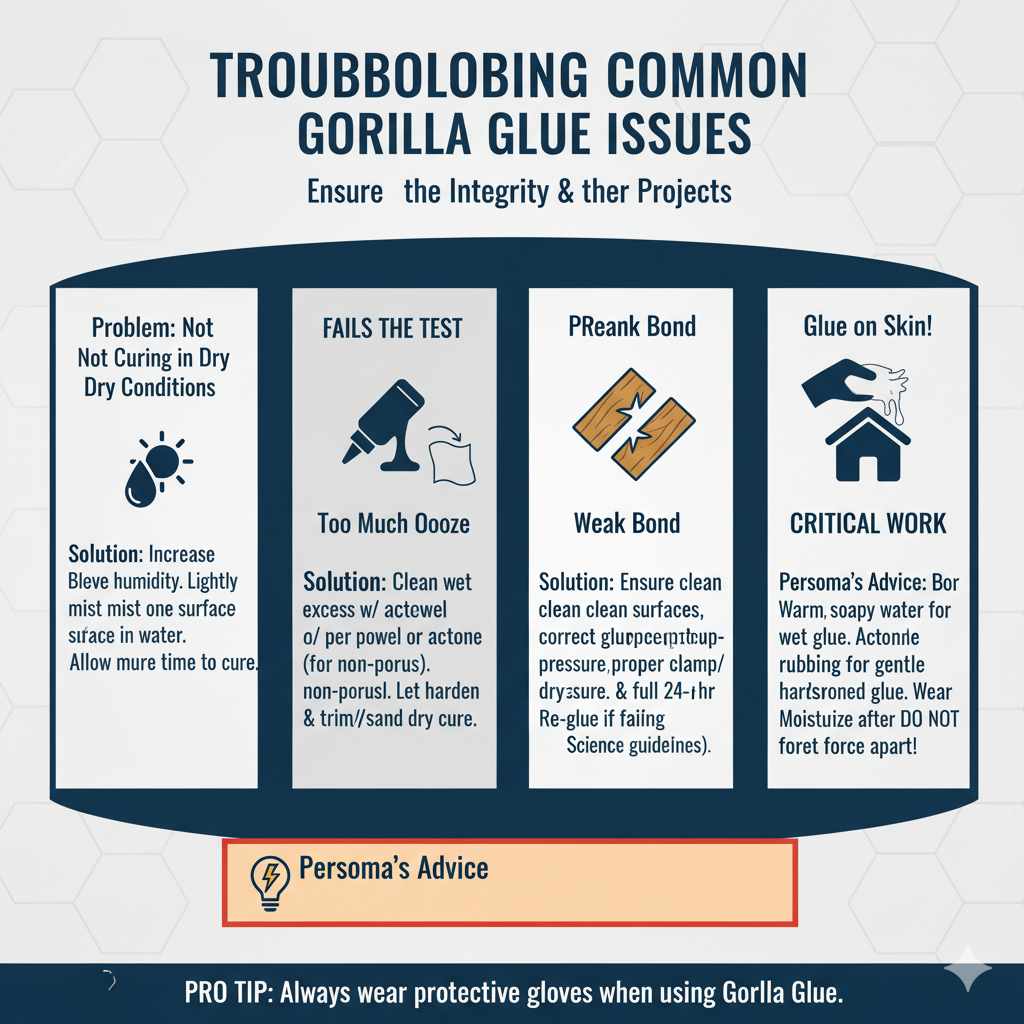
Problem: The Glue Isn’t Expanding or Curing Properly in Dry Conditions
Solution: Increase humidity. Lightly mist one of the surfaces with water before applying the glue, or use a humidifier in the work area. Allow more time for curing if you can’t significantly increase humidity.
Problem: Too Much Glue is Oozing Out
Solution: Clean up excess immediately while it’s still wet. A dry paper towel can often absorb it, or you can use a cloth dampened with water (for wood) or a small amount of acetone or mineral spirits (for non-porous materials – test in an inconspicuous area first!). If it has started to cure, you’ll likely need to let it fully harden and then carefully trim or sand it away.
Problem: The Bond Feels Weak or Brittle
Solution: This could be due to several factors: surfaces weren’t clean, not enough glue was used, the clamp pressure was too high (squeezing all the glue out), or it didn’t fully cure. For future projects, ensure perfect prep, correct glue amount, and proper clamping. If the bond is already cured and failing, you may need to carefully remove the old glue and re-glue.
Problem: Glue is Stuck to My Skin!
Our Persona’s Advice: Okay, deep breaths! This is a common, albeit sticky, situation. The best approach depends on how long the glue has been on your skin.
If it hasn’t hardened much: Try warm, soapy water and gentle scrubbing.
If it has started to harden: You can try soaking in warm water or carefully using acetone (like nail polish remover, but check the label to ensure it contains acetone). Acetone can dry out your skin, so use it sparingly and moisturize afterward. Gently rub or roll your skin rather than trying to peel the glue.
Avoid: Do NOT try to force bonded skin apart, as this can cause tearing. Gorilla Glue’s rapid bonding to skin is one of its characteristics, so it’s always best to wear protective gloves when using it!
For more specific troubleshooting, the Gorilla Glue website often has a detailed FAQ section.
Frequently Asked Questions About Gorilla Glue Cure Time
How long before I can sand or paint Gorilla Glue?
Generally, you should wait for the full 24-hour cure time before sanding or painting. While it might be dry to the touch much sooner, sanding can disturb a partially cured bond, compromising its strength. Painting over incompletely cured glue can also lead to adhesion issues or discoloration.
Can I use Gorilla Glue in the freezer?
No, you should avoid using Gorilla Glue in freezing temperatures. Cold significantly slows down the curing process, and extremely low temperatures can prevent proper bonding altogether. Store your Gorilla Glue in a cool, dry place, but not where it will freeze.
Does Gorilla Glue cure faster in direct sunlight?
Direct sunlight is essentially heat and potentially bright light. While the heat might speed up the curing process slightly, it’s not a recommended method. Excessive heat can sometimes lead to premature surface curing, creating a brittle exterior while the interior remains soft. Moderate, consistent temperatures are best.
What is the difference between handling time and full cure time?
Handling time is when the bond is strong enough to move the item without it breaking apart. Full cure time is when the glue has achieved its maximum strength and durability. For most projects, you can proceed with caution after reaching handling strength, but for maximum reliability, wait for the full cure.
Is Gorilla Glue waterproof after it cures?
Yes, the original Gorilla Glue is famously waterproof and incredibly durable once fully cured. This makes it an excellent choice for outdoor projects, items that will be exposed to moisture, or repairs in kitchens and bathrooms. However, remember that while the cured glue is waterproof, the bond itself might be compromised if the materials it’s adhering to cannot withstand consistent moisture.
How much does Gorilla Glue expand?
Gorilla Glue expands considerably as it cures, often up to three times its original volume. This foaming action allows it to fill gaps and create a strong, interlocking bond. Because of this expansion, it’s crucial to use only enough glue to cover the surfaces thinly and to clamp the pieces securely.
Can I speed up Gorilla Glue cure time with a fan?
A fan can be helpful, but not in the way you might think. A fan can help circulate air and increase the availability of moisture (humidity) to the glue’s surface, especially if the air is already somewhat humid. However, in very dry environments, a fan can actually increase dryness and slow curing. It’s best used in conjunction with increasing humidity or in moderately humid conditions.
Conclusion
So, there you have it! While the classic Gorilla Glue journey from application to ultimate strength takes about 24 hours, you’ve learned that often, you can achieve handling strength in just an hour or two. We’ve delved into the science behind its expansion, explored the crucial role of humidity and temperature, and armed you with practical tips to speed up the cure or ensure the strongest possible bond.