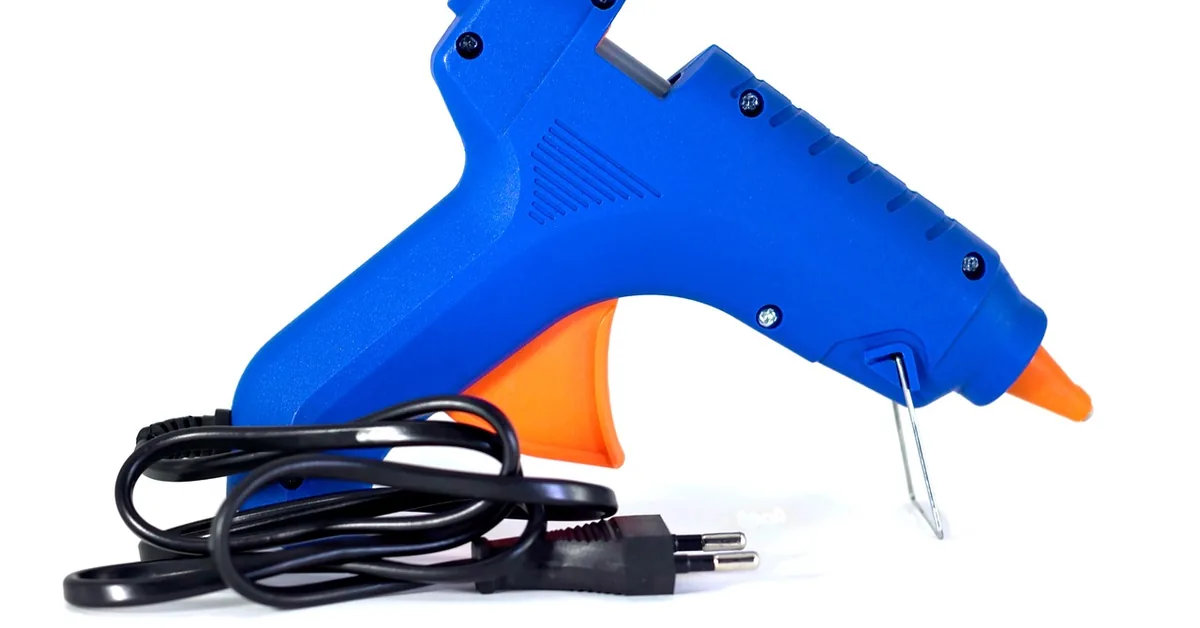
How to Remove Glue Gun Glue From Fabric Without Damaging It
Glue gun glue releases from cotton, denim, and canvas with the freeze-and-scrape method, but silk, wool, lace, and upholstery need an alcohol-free approach or the fibers can pull, shrink, or lose dye. Treating the wrong fabric with the wrong solvent is what turns a small glue drip into a permanent stain. This guide breaks down the safe method for each fabric type, plus the three mistakes that make hot glue residue worse.
What You’ll Need
Best Fabric-Safe Glue Remover Pick
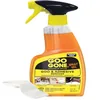
Goo Gone Adhesive Remover Spray Gel 12 Oz with Scraper
A surface-safe gel formula that loosens hardened glue without the drips of a liquid remover, and it comes with its own scraper.
- Best for: sturdy fabrics like cotton, denim, and canvas with stubborn dried glue
- Why we picked it: gel formula stays put on vertical or angled fabric instead of running
- Main drawback: too strong for silk, wool, or other delicate fibers — spot test first
Compare more glue remover options
 Option 1 Goo Gone Original Liquid Adhesive Remover 8 Oz
|
 Option 2 Perco Glue Off Adhesive Remover 3.3 oz with Scraper
|
 Option 3 Motsenbocker’s Lift Off Adhesive Remover 12 Oz (Carpet & Upholstery Safe)
|
As an Amazon Associate we earn from qualifying purchases.
Gather these before you start — working glue while it’s still soft only spreads it deeper into the weave.
- Ice cubes in a sealed plastic bag, or a freezer if the item fits
- A dull plastic knife, old gift card, or a plastic scraper (never metal — it can snag fibers)
- Rubbing alcohol or a fabric-safe adhesive remover (for sturdy fabrics only)
- Mild dish soap and cold water (for delicate fabrics)
- A clean white cloth and cotton balls
- An iron and a thin cotton press cloth (for synthetic blends only)
How to Remove Glue Gun Glue From Fabric
This is the general method that works safely on sturdy, colorfast fabrics like cotton, denim, and canvas. For silk, wool, or upholstery, skip ahead to the fabric-type table below before using any solvent.
- Let the glue cool completely: never wipe or scrape warm glue — it smears into the weave instead of lifting off.
- Harden the glue with ice: hold a sealed bag of ice cubes against the glue for 5–10 minutes, or place the item in the freezer for about 30 minutes.
- Scrape off the brittle glue: use a dull plastic knife or an old gift card, working from the edges of the glue toward the center.
- Treat the leftover residue: dab rubbing alcohol onto a cotton ball and blot — never rub — the remaining spot until it lifts.
- Wash as normal: launder in cold water on the fabric’s care-label setting to clear any last trace of residue.
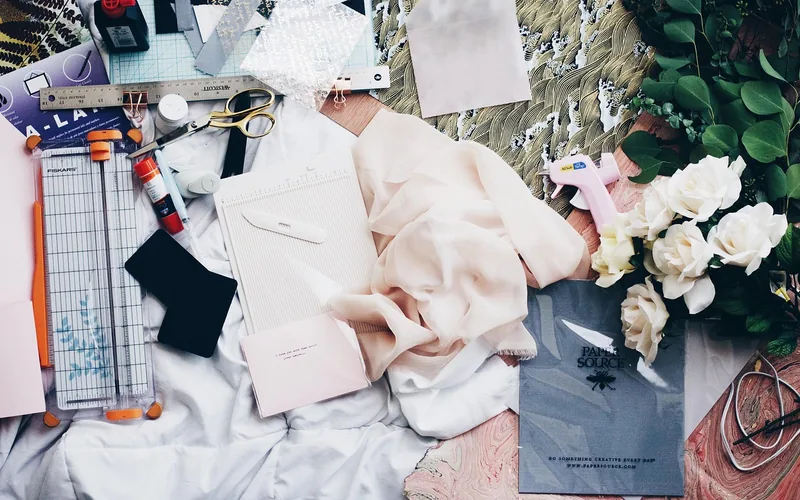
The Right Removal Method for Your Fabric Type
The freeze-and-scrape step is safe on nearly everything. What changes by fabric is which solvent, if any, you use on what’s left behind.
| Fabric Type | Safe Method | Avoid |
|---|---|---|
| Cotton, denim, canvas | Freeze, scrape, then rubbing alcohol on any leftover residue | Ironing directly on the glue without a press cloth |
| Polyester, nylon, poly-cotton blends | Freeze and scrape, then a low-heat iron over a press cloth if residue remains | Acetone or nail polish remover — it can melt synthetic fibers |
| Silk, wool, lace, sheers | Freeze and scrape only, then mild dish soap and cold water | Rubbing alcohol, vinegar, or any heat — these can strip dye or shrink the fibers |
| Upholstery, carpet | Ice pack to harden, scrape, then spot-treat with a fabric-safe adhesive remover and blot dry | Soaking the area or using a solvent that isn’t labeled fabric- or carpet-safe |
Working with a delicate piece regularly? The same freeze-first logic applies to smaller fabric crafts — see our guide on gluing felt without leaving a stiff spot for material-specific tips.
3 Mistakes That Make Hot Glue Stains Worse
- Wiping the glue while it’s still warm. Warm glue is soft and tacky — wiping it just spreads it deeper into the fibers instead of lifting it off. Always wait until it hardens.
- Using acetone or nail polish remover on synthetics. Acetone dissolves polyester and some rayon blends along with the glue, leaving a hole or a permanent glossy patch.
- Ironing straight onto the glue. Direct heat re-melts the glue and pushes it further into the weave, which is what turns a removable spot into a set-in stain. Always use a press cloth as a barrier if heat is needed.
Getting Rid of Leftover Residue and Discoloration
A faint shiny patch or slight stiffness after scraping means a thin glue film is still in the weave. On sturdy fabrics, dab a little more rubbing alcohol on a cotton ball and blot until the sheen disappears, then launder as usual. On delicate fabrics, work a small amount of mild dish soap into the spot with your fingertip, rinse with cold water, and let it air dry — the glue film breaks down gradually with soap rather than solvent. If a faint outline remains after washing, a normal laundry pre-treater run through one more wash cycle usually clears it, since dried hot glue is not permanent once it’s been broken down.
Frequently Asked Questions
Does rubbing alcohol damage fabric?
Not on most cotton, denim, or polyester blends when used sparingly and blotted rather than rubbed. It can fade dyed or silk fabric, so test it on a hidden seam allowance first before applying it to a visible area.
Can you use a hairdryer on delicate fabric to remove glue?
No, avoid heat on silk, wool, or lace. Heat softens the glue but can also scorch, shrink, or warp delicate fibers before the glue lifts. Freezing and scraping is the safer route for these materials.
Will vinegar remove hot glue from clothes?
Yes, on sturdy fabrics like cotton and denim. Soak a cloth in equal parts white vinegar and water, dab the glue for a few minutes to loosen it, then scrape and launder. Skip vinegar on silk and wool, where it can affect the fabric’s finish.
Does hot glue come out in a normal wash without pretreating?
Usually not. Dried glue needs to be broken up first — freeze-and-scrape or a solvent — before washing, since a standard wash cycle alone rarely removes a set hot glue spot on its own.
Conclusion
Freeze first, scrape gently, and match the solvent to the fabric — that order is what keeps a glue drip from becoming a permanent mark. If you’re dealing with glue on clothing specifically rather than a craft fabric, our quick fixes for getting glue gun glue off clothes covers the fast version of this same process. For glue that landed on other materials, see how to get dried glue out of clothes, or browse more glue removal and repair guides.
Sponsored / affiliate links. As an Amazon Associate I earn from qualifying purchases. I may earn additional commission from eligible campaigns.