How Long Does Linseed Oil Take to Dry: Expert Drying Tips
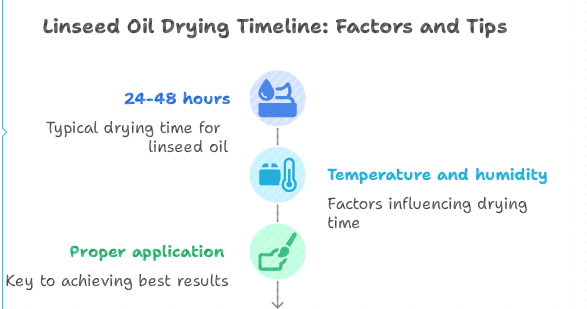
Linseed oil typically takes 24 to 48 hours to dry. The drying time can vary based on several factors.
Understanding these factors is crucial for your projects. Linseed oil is a popular choice for wood finishing and art. It provides a durable and beautiful finish. The drying time is influenced by temperature, humidity, and the type of surface. Proper application is key to achieving the best results.
Whether you’re a woodworker or an artist, knowing how long linseed oil takes to dry can help you plan your work efficiently. In this blog, we will explore the factors affecting drying time. We will also offer tips to ensure your linseed oil dries perfectly. Keep reading to learn more.
Introduction To Linseed Oil
Linseed oil comes from flax seeds. It is a natural oil. Often, it is used in wood finishing. This oil is also known for preserving wood. Artists use it in oil paints. It helps to make colors shine. Linseed oil can also be used to seal stone surfaces.
Linseed oil is used in many ways. It can protect wood. It makes wood look rich and deep. Many people use it on furniture. It is also used in paints. Linseed oil helps in drying paints quickly. Some use it in varnishes. It also helps in cleaning paint brushes.
Credit: www.popularwoodworking.com
Factors Affecting Drying Time
Different types of linseed oil dry at different speeds. Raw linseed oil dries very slowly. Boiled linseed oil dries faster than raw. Polymerized linseed oil dries the quickest. Each type has its own drying time.
Temperature and humidity affect drying time. Higher temperatures speed up drying. Low temperatures slow it down. High humidity also slows drying. Low humidity speeds it up. Good ventilation helps linseed oil dry faster.
Thicker layers of linseed oil take longer to dry. Thin layers dry more quickly. Multiple thin layers dry faster than one thick layer. Always apply thin layers for faster drying.
Types Of Linseed Oil
Raw linseed oil dries the slowest. It can take several days to dry. This oil penetrates deeply into wood. It provides a rich finish. It is best for projects that need a natural look.
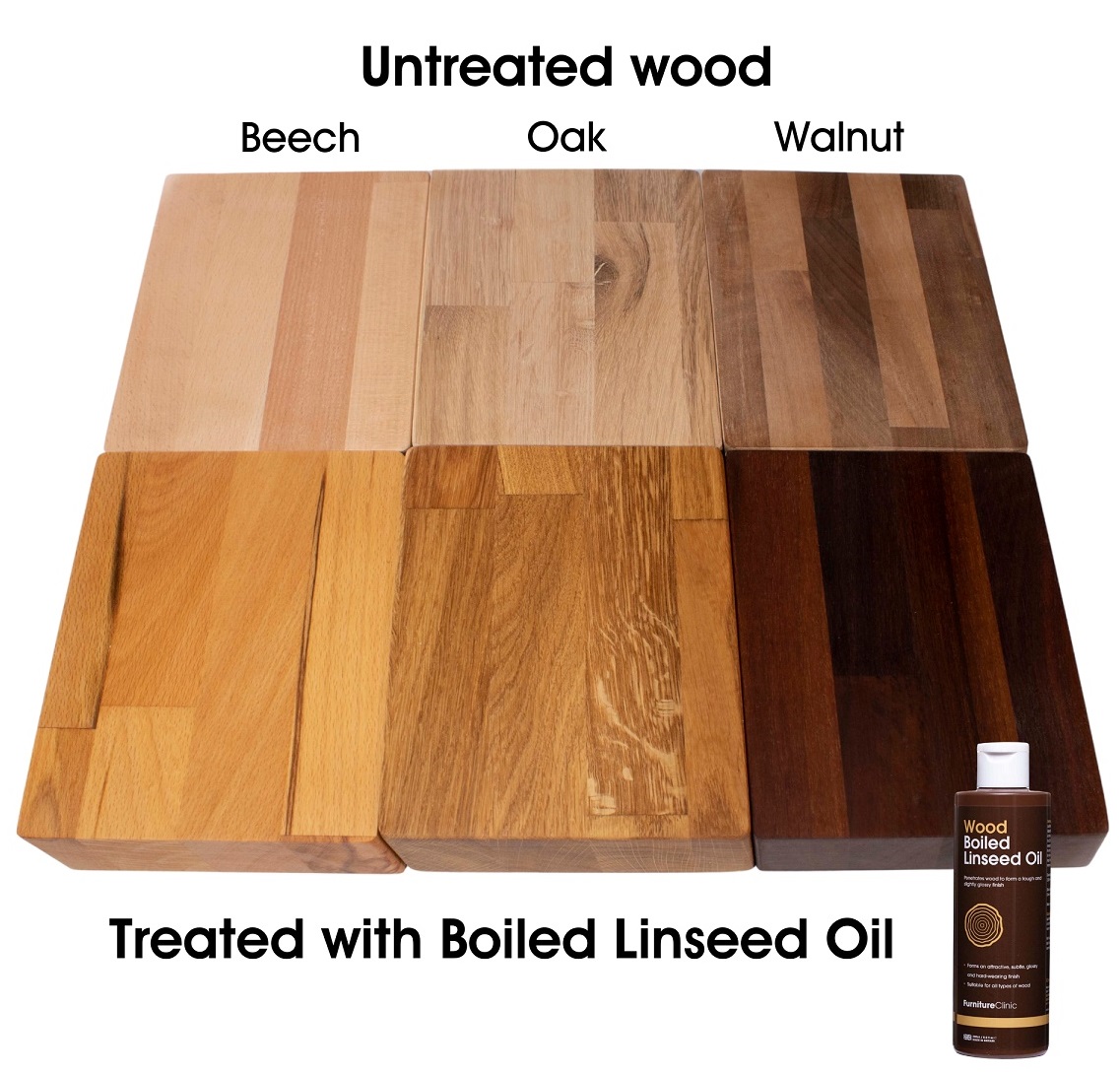
Boiled linseed oil dries faster than raw. It usually dries in 24 hours. This oil has chemicals added to speed up drying. It is often used for wood finishing. It gives a smooth, shiny surface.
Polymerized linseed oil dries the quickest. It can dry in just a few hours. This oil is heated to make it dry fast. It is often used by professionals. It provides a hard and durable finish.
Credit: www.leannerathart.com
Average Drying Times
Raw linseed oil takes longer to dry than boiled linseed oil. Raw oil can take up to a week. Boiled oil dries faster, often within 24 hours. The drying time varies with the type of oil used.
Environmental factors affect drying time. Humidity slows the drying process. High temperatures speed it up. Good ventilation helps the oil dry quicker. These conditions must be considered for drying.
Expert Tips For Faster Drying
Apply thin layers of linseed oil. Thick layers take longer to dry. Wipe off any excess oil. This helps the drying process.
Ensure the room is warm and dry. Cold or damp areas slow down drying. Good ventilation is important. It helps the oil dry faster.
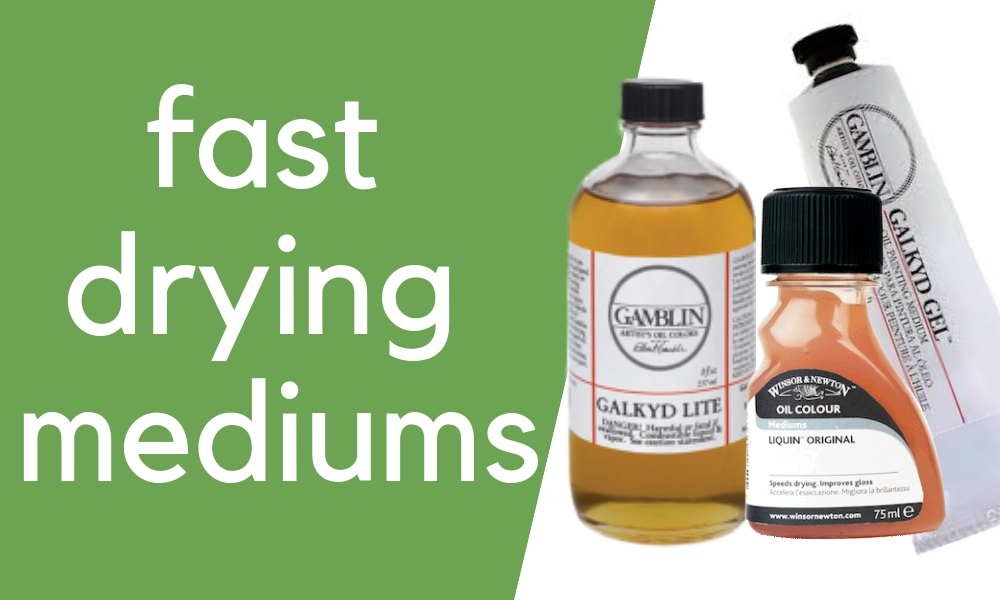
Add siccatives to the oil. These agents speed up drying. Use them in small amounts. Too much can cause issues.
Common Mistakes To Avoid
Applying too much linseed oil can cause problems. Excess oil takes longer to dry. The surface may remain sticky. Use thin layers. Allow each layer to dry. Patience is key.
Linseed oil dries faster in the right environment. Cold temperatures slow down drying. High humidity also affects drying time. Ensure proper ventilation. Keep the area warm. Ideal conditions make a big difference.
Mixing linseed oil with other substances can be tricky. Some mixtures delay drying. Others affect the oil’s quality. Use compatible products. Read labels carefully. Stick to recommended mixtures.
Testing For Dryness
Linseed oil typically takes 24 to 48 hours to dry, depending on factors like temperature and humidity. Testing for dryness involves touching the surface to check for tackiness.
Touch Test
Lightly touch the surface with your finger. If the surface feels sticky, it is not dry. Linseed oil can take up to 24 hours to dry. Wait longer if it feels tacky.
Nail Test
Press a fingernail into the surface. If the nail leaves a mark, the oil is still wet. A dry surface will feel firm and will not dent. Check again later if unsure.
Time-based Testing
Boiled linseed oil dries faster than raw linseed oil. Boiled oil may dry in 12-24 hours. Raw oil can take several days. Weather and thickness also affect drying time.
Maintenance And Reapplication
Reapply linseed oil when the surface looks dull or dry. Typically, this is every few months. Regular reapplication keeps the wood protected. It also maintains its shine. Always clean the surface before reapplying. This helps the oil soak in well.
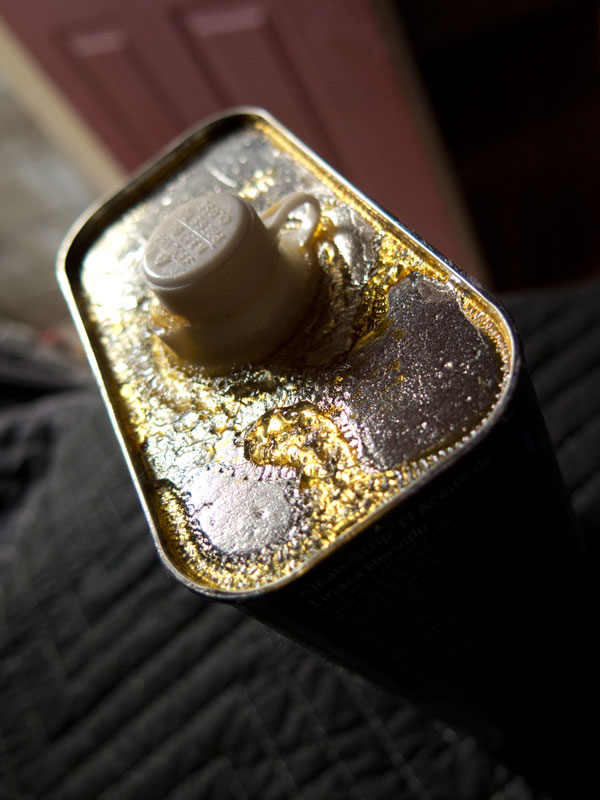
Store linseed oil in a cool, dry place. Keep it in a tightly sealed container. Avoid direct sunlight. This can make the oil spoil. Always keep the container clean. Wipe off any spills to prevent stains.
Dispose of linseed oil safely. Never pour it down the drain. It can clog pipes and harm the environment. Instead, take it to a local disposal facility. They handle oils and other chemicals properly. Follow local guidelines for disposal.
Credit: www.furnitureclinic.com
Frequently Asked Questions
How Do You Make Linseed Oil Dry Faster?
To make linseed oil dry faster, add a drying agent like cobalt or manganese. Apply thin coats and ensure good ventilation. Increase temperature slightly for better results.
How Long Should Linseed Oil Sit Before Wiping?
Linseed oil should sit for 15-20 minutes before wiping off any excess. This ensures proper absorption and finish.
How Many Coats Of Linseed Oil Should I Apply?
Apply 2-3 coats of linseed oil for optimal protection and finish. Let each coat dry completely.
How Long Does Linseed Oil Take To Fully Cure?
Linseed oil takes about 24 to 72 hours to dry to the touch. It fully cures in 2 to 4 weeks.
Conclusion
Linseed oil drying time varies based on several factors. Temperature and humidity play significant roles. Typically, it takes 24 to 72 hours to dry. Patience is key. Rushing the process can compromise results. Always apply thin, even coats. This ensures better and quicker drying.
Proper ventilation helps too. Keep your workspace well-aired. Using linseed oil can enhance wood beautifully. Just give it the time it needs. Happy woodworking!