How to Make a Steam Box for Bending Wood (Vent It Right)
A wood steamer is a vented box or length of PVC pipe fed steam from a propane burner or wallpaper steamer — never sealed completely airtight, since trapped pressure can blow the end cap off. At roughly 200°F, steam softens wood fibers enough to bend without cracking, typically one hour of steaming per inch of thickness. This guide covers building a safely vented steam box, picking a heat source, and how long to steam different wood thicknesses.
[Insert your Affiliate Disclosure reusable block here]
Materials And Tools Needed
Best Steam Source Pick
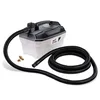
Earlex SS77USSG Steam Generator (1.3-Gallon, 12′ Hose)
An electric steam generator built specifically for wood bending — no open flame, no propane CO risk, and a hose long enough to feed a homemade steam box.
- Best for: feeding a homemade PVC or plywood steam box without an open flame
- Why we picked it: purpose-built for wood bending, no propane/CO risk, works indoors with normal ventilation
- Main drawback: smaller steam volume than a propane rig, so bigger boxes take longer to come up to temperature
Compare more steam-bending gear
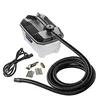 Option 1 Steam Bending Wood Kit w/ Steam Box Plan, Hinges, Latch & 1.3-Gal Generator
|
 Option 2 SCH40 4-Inch Furniture-Grade PVC End Cap
|
 Option 3 DayMark 14″ Steam Gloves, XL (Pair)
|
As an Amazon Associate we earn from qualifying purchases.
Gathering your supplies is the first step. You will need a large pot or kettle, or a dedicated steam generator. A heat source like a stove, propane burner, or wallpaper steamer is essential. Use a long piece of pipe or hose for steam delivery, plus something to drill vent holes with.
Choosing the right wood matters too. Softwoods like pine or cedar bend easily without breaking, while hardwoods such as oak, ash, and hickory hold a bend well once dry — see our guide on the best wood for steam bending for species-by-species detail. Thickness matters too; thinner stock bends easier and steams faster. If you would rather skip building a steam rig entirely, a simple water-soak method works for thin, small pieces, though steam heats the wood faster and more evenly.
Steaming is one of several ways to curve stock — see our full wood bending overview if you want to compare it against lamination or kerf-cutting before committing to a steam box build.
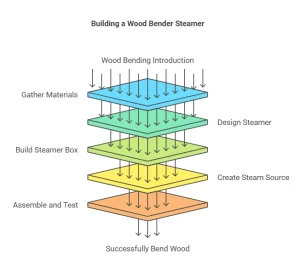
Designing Your Wood Steamer
Designing a wood steamer requires careful attention to size and capacity. Consider the length and width of the wood pieces you will steam — a good size allows enough room for bending without crowding the box.
For safety, plan for vent holes, not pressure relief valves, as the primary defense: a few small holes drilled in the base of the box let steam flow through and escape instead of building pressure. Insulated handles help avoid burns, and a sturdy base keeps the whole rig from tipping. Use non-toxic materials only — PVC pipe and exterior-grade plywood are both fine; never use PVC rated only for drain waste (DWV) near an open flame without checking its heat rating.
Regularly check for leaks to avoid steam escaping where you do not want it. A thermometer helps monitor the temperature inside the box — you are aiming for roughly 200°F, not a fully pressurized chamber.
Building The Steamer Box
Building a steamer box requires simple materials. Start with a wooden box or PVC pipe capped at both ends. Seal the main joints and seams to prevent excessive steam loss — use silicone caulk or weather stripping — but do not seal the box completely.
For insulation, wrap the box with an insulating material like fiberglass or foam. This keeps heat in and makes steaming more efficient.
Why You Should Never Seal a Steam Box Completely Airtight
A steam box needs to run tight enough to hold heat, but never tight enough to trap pressure. If the box is fully sealed, steam pressure builds with nowhere to go, and the end cap or lid can blow off with real force — a genuine injury risk, not just a build flaw. Drill a few small vent holes in the base or low on one end so steam flows through the box and escapes as it cools, rather than pressurizing the chamber. If you notice the cap popping or resisting when you go to open it, that box needs more venting, not a tighter seal.
Creating The Steam Source
Choosing the right steam generator is crucial. Options vary in size and power — look for one that produces consistent steam so the wood heats evenly.
Propane burners (the classic turkey-fryer style setup) are the most common DIY heat source and put out plenty of steam, but propane combustion produces carbon monoxide. Use a propane burner outdoors or in a fully open-air space only — never inside an enclosed garage or shop, even with a door cracked open. An electric wallpaper steamer is a safer indoor-friendly alternative for smaller boxes since it has no open flame and no combustion byproducts, though it usually produces less steam volume than a propane rig.
Consider these DIY steam source options:
| Option | Description | Best For |
|---|---|---|
| Wallpaper steamer | Electric, no open flame, works indoors with normal ventilation. | Small to mid-size boxes, indoor/garage use |
| Propane burner (turkey fryer style) | High steam output, needs an open-air outdoor setup. | Larger boxes, thicker stock |
| Electric kettle | Quick and simple for one-off small projects. | Thin, narrow pieces |
| Pressure cooker | Generates steam fast; still needs the steam box itself vented, not the cooker. | Thick hardwood, short runs |
If you would rather not build a DIY steam rig from scratch, a dedicated steam generator saves setup time and skips the open-flame risk entirely:
Assembly And Testing (Step By Step)
Once your box and heat source are ready, follow these steps for a safe first run:
- Set up outdoors or in an open space: if using a propane burner, place it outside or in a fully open-air area — never in an enclosed garage.
- Connect the heat source: attach the hose from your steam generator, wallpaper steamer, or propane rig to the steam box inlet.
- Check the vent holes: confirm the small vent holes in the base or end of the box are clear and unobstructed before firing up the heat.
- Fill and heat the water: fill the generator or pot with water and bring it to a boil so steam begins feeding into the box.
- Load the wood: place the wood inside once steam is flowing steadily, keeping pieces off the bottom of the box if condensation pools there.
- Steam for roughly one hour per inch of thickness: a 1-inch-thick piece needs about one hour; check periodically rather than opening the box repeatedly.
- Remove and bend immediately: wearing heat-resistant gloves, pull the wood out while it is hot and pliable, then clamp it to a bending form right away before it cools and stiffens.
Bending Wood Like A Pro
To prepare the wood for bending, start by selecting a suitable type. Softwoods like pine or cedar bend easier than hardwoods, though hardwoods like oak and ash hold the finished bend better. Cut the wood to the desired length and make sure it is free from knots and defects, which are the most common place a steamed piece will crack.
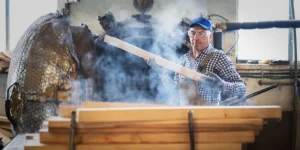
After steaming, carefully remove the wood with heat-resistant gloves — it should feel warm and pliable. Use a bending form to shape the wood as desired and hold it in place with clamps until it cools and dries completely, which can take a day or more depending on thickness. Steam bending has been used in furniture and boatbuilding for centuries, and the same fiber-softening principle applies whether you are shaping a chair back or a canoe rib.
Maintenance And Safety
To keep your steamer in top condition, regularly check for leaks, clean the interior to remove residue, and ensure all connections are secure before use. Store your steamer in a dry place to prevent rust.
Three safety points matter most with a homemade steam box:
- Never seal the box completely airtight. Vent holes let steam escape and keep pressure from building to the point of blowing the end cap off — see the venting section above.
- Propane burners need outdoor ventilation. Burning propane produces carbon monoxide; use it outdoors or in a fully open-air space, never in an enclosed shop or garage, even briefly.
- Steam causes real burns. The inside of a working steam box commonly runs at or above 200°F — hot enough to cause a serious burn on contact. Always wear heat-resistant gloves when opening the box or handling steamed wood, and keep your face away from escaping steam when you lift the lid.
Beyond that: keep a fire extinguisher nearby if you are working with an open flame, and keep the general work area well-ventilated regardless of heat source.
📊 A fully sealed steam box will build up internal pressure and can blow its end cap or lid off. A few small vent holes in the base solve this — the box only needs to be “tight,” not airtight.
Frequently Asked Questions
How Does A Wood Steamer Work?
A wood steamer uses steam heat to soften wood fibers, making the wood pliable enough to bend without breaking. The steam penetrates the wood, causing it to expand and become flexible. After steaming, the wood can be shaped and held in place until it cools.
What Materials Are Needed For A Wood Steamer?
You need a large container, like PVC pipe or a plywood box, plus a heat source such as a wallpaper steamer or a propane burner. You will also need a water source to create steam, a hose to connect the heat source to the box, and clamps or a bending form to hold the wood in shape once it comes out.
Can I Bend Any Type Of Wood?
Most hardwoods and some softwoods can be bent using steam. Popular choices include oak, ash, and hickory. However, denser woods may require longer steaming times. Always test a small piece first to ensure it can bend without cracking during the process.
How Long Should I Steam The Wood?
Steaming time varies based on wood thickness and type. A general rule is one hour of steaming for every inch of thickness. For example, a 1-inch thick piece of wood should steam for about one hour. Monitor the wood closely to prevent overexposure to steam.
Why Shouldn’t A Steam Box Be Sealed Completely Airtight?
No — a fully airtight steam box traps pressure with nowhere to go, and the end cap or lid can blow off with real force. Drill a few small vent holes in the base of the box so steam flows through and escapes as it cools. The box should be tight enough to hold heat, not sealed enough to pressurize.
Is It Safe To Use A Propane Burner Indoors For A Wood Steamer?
No — propane combustion produces carbon monoxide, which can build to dangerous levels in an enclosed garage or shop. Run a propane burner outdoors or in a fully open-air space only. An electric wallpaper steamer is a safer alternative if you need to work indoors.
Conclusion
Building a steamer for bending wood is a straightforward weekend project once you get the two safety basics right: keep the box vented instead of airtight, and keep any open flame outdoors. With a properly vented box, a safe heat source, and roughly an hour of steaming per inch of thickness, you can produce clean, consistent bends for furniture, boat parts, or trim work.
Sponsored / affiliate links. As an Amazon Associate I earn from qualifying purchases. I may earn additional commission from eligible campaigns.