How Long Does Super Glue Last Shelf Life Explained
Ever grabbed that trusty tube of super glue for a quick fix, only to find it’s hardened into a solid block? It’s a common frustration. You’re not alone if you’ve wondered about the lifespan of this powerful adhesive.
Understanding how long does super glue last shelf life explained is key to ensuring it’s ready when you are. This post will guide you through factors affecting glue longevity and how to store it properly, so you save time and avoid wasted products.
The Lifespan Of Super Glue
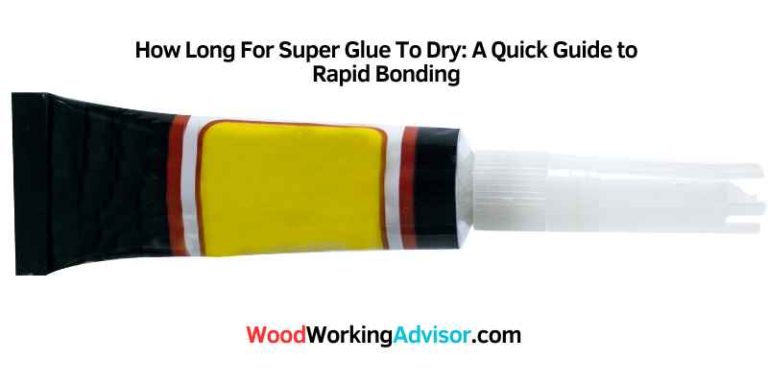
Super glue, also known as cyanoacrylate, is a remarkably strong adhesive used for a variety of repairs. Its effectiveness relies on a chemical reaction with moisture to cure. But like many products, it has a shelf life.
Knowing this duration helps you avoid disappointment and ensures you have a functional adhesive when you need it most. Several factors influence how long does super glue last shelf life explained, from the type of glue to how it’s stored.
When you purchase a tube of super glue, you’ll often see an expiration date or manufacturing date printed on the packaging. This is your primary indicator of its expected longevity. However, this date is usually an estimate based on ideal storage conditions.
Real-world storage can significantly alter how long your super glue remains usable.
Factors Affecting Super Glue Shelf Life
Several elements play a role in determining the shelf life of your super glue. Understanding these can help you maximize its usability.
Temperature
Heat is a primary enemy of super glue. High temperatures can accelerate the chemical degradation of the adhesive, causing it to cure prematurely within the tube. Conversely, very cold temperatures can sometimes affect the consistency, though it’s generally less damaging than heat.
The ideal storage temperature for super glue is cool and dry, typically between 40°F and 70°F (4°C and 21°C).
Humidity
Super glue cures when exposed to moisture. This includes the humidity in the air. Even a small amount of moisture can cause the glue to harden inside the tube, rendering it useless.
This is why keeping the cap tightly sealed and storing it in a dry place is so important. Avoid storing super glue in humid environments like bathrooms or near sinks.
Exposure to Air
Any exposure to air introduces moisture and can begin the curing process. Ensuring the cap is securely fastened after each use is vital. If the tip of the glue becomes clogged, it’s often a sign that air has been getting in or moisture has been present, causing premature curing.
Type of Super Glue
While the core ingredient is cyanoacrylate, different formulations exist. Some are designed for specific purposes, like flexible bonds or high-heat resistance. These variations can sometimes influence their shelf life.
However, the fundamental storage principles remain the same across most common types.
Packaging
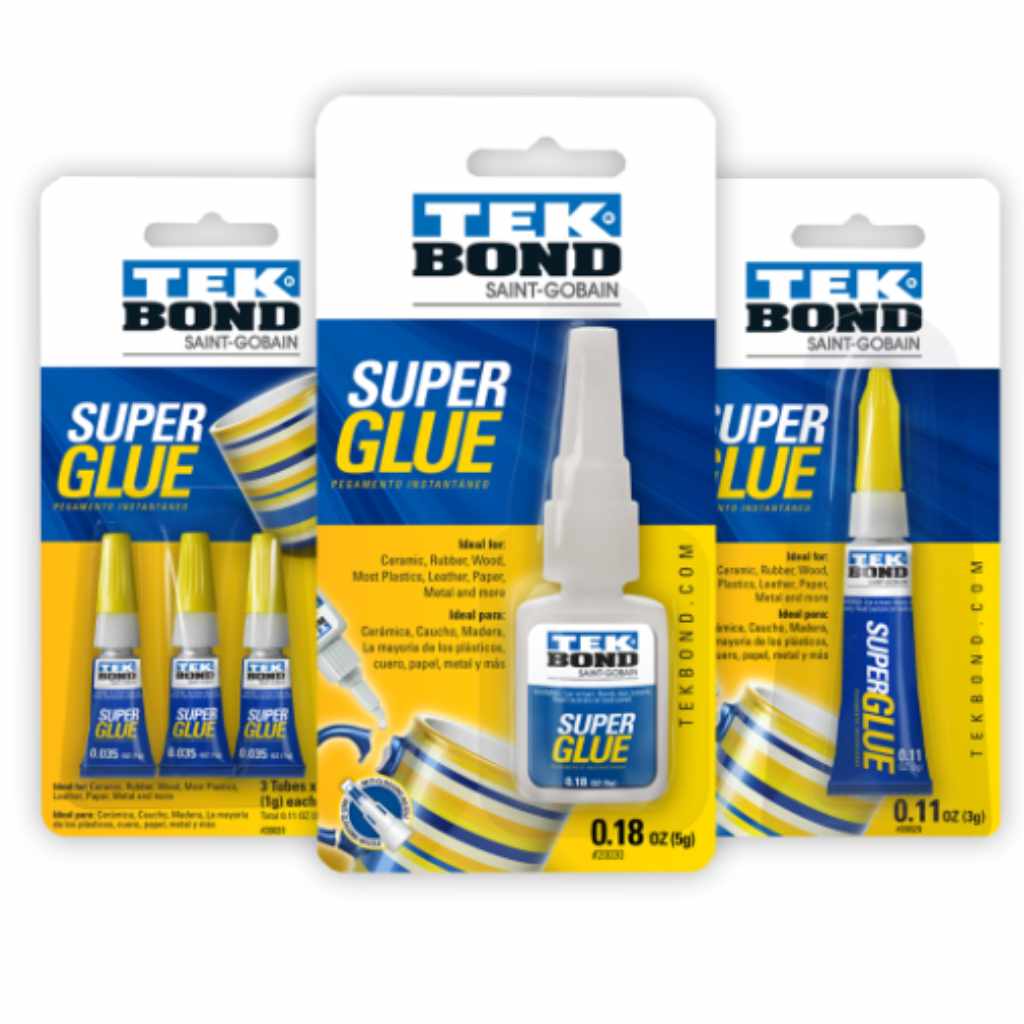
The packaging itself can also play a role. Tubes with very secure, airtight seals are generally better at preserving the glue’s freshness compared to those with simpler caps. Some brands also offer specialized packaging designed to extend shelf life.
How To Store Super Glue To Maximize Its Lifespan
Proper storage is the most critical factor in ensuring your super glue lasts as long as possible. Here are the key practices to follow:
- Keep It Cool: Store your super glue in a cool environment. A kitchen drawer away from heat sources or a cupboard in a climate-controlled room is usually suitable. Avoid attics, garages, or car glove compartments, which can experience extreme temperature fluctuations.
- Keep It Dry: Humidity is the enemy. Store the glue in a dry location, far from any sources of moisture. A small, resealable plastic bag with a desiccant packet (like those found in shoe boxes or electronics packaging) can offer an extra layer of protection against humidity if you live in a damp climate.
- Seal It Tightly: Always ensure the cap is screwed on tightly after every use. Some tubes have a small pin on the cap designed to unblock the nozzle; ensure this is properly seated. If the nozzle gets clogged, carefully clean it before resealing.
- Store Upright: Storing tubes upright can help prevent glue from oozing out and potentially affecting the seal.
- Check the Date: While proper storage is key, it’s still wise to be aware of the expiration or manufacturing date. If a tube is several years old and hasn’t been stored perfectly, its effectiveness may be compromised.
Signs That Your Super Glue Has Gone Bad
Even with the best storage, super glue won’t last forever. Here are some signs that it’s time to replace your tube:
- Hardened in the Tube: This is the most obvious sign. If the glue is a solid mass and won’t flow, it has cured inside the tube.
- Doesn’t Harden Properly: If you apply the glue and it remains liquid or takes an extremely long time to set, it has likely lost its bonding power.
- Changes in Consistency: The glue might become stringy, clumpy, or unusually thick or thin compared to when it was new.
- Foul Odor: While super glue has a distinct chemical smell, a significantly foul or rotten odor can indicate degradation.
Refrigeration and Super Glue
Many people ask if refrigerating super glue is a good idea. While it might seem logical to keep things cool, refrigeration can introduce its own set of problems, primarily condensation. When you remove a refrigerated tube from the fridge, moisture from the warmer air can condense on the cold surface, and this moisture can seep into the glue, causing it to cure.
If you choose to refrigerate, do so with extreme caution. It’s best to place the sealed tube in a small, airtight plastic bag with a desiccant packet. Before using the glue after refrigeration, allow it to come to room temperature completely inside the sealed bag.
This helps prevent condensation from forming. Many manufacturers advise against refrigeration, stating that cool, dry room temperature is sufficient and safer.
How Long Does Super Glue Last Unopened?
An unopened tube of super glue, stored correctly in a cool, dry place, generally has a longer shelf life than an opened one. Manufacturers often state an unopened shelf life of 1-2 years from the date of manufacture. However, this can extend beyond that if storage conditions are consistently optimal.
The primary risk with an unopened tube is exposure to extreme temperatures or humidity during shipping or storage before purchase.
How Long Does Opened Super Glue Last?
Once opened, the clock starts ticking more rapidly. The glue is now exposed to air and ambient moisture. Properly sealed and stored, an opened tube might last anywhere from 6 months to 1 year.
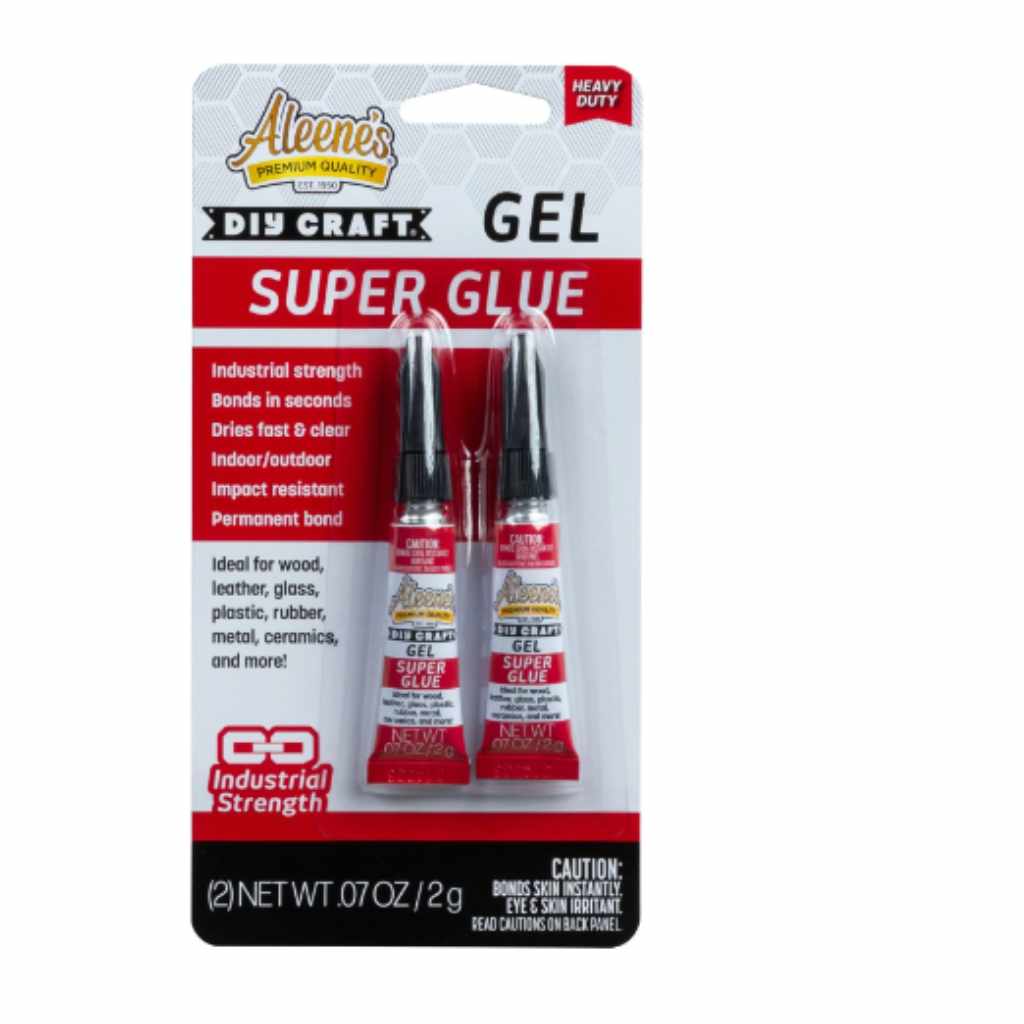
Some people report success with older tubes, but it’s a gamble. The key is vigilant sealing and dry, cool storage after each use. If you use super glue only for occasional small repairs, consider purchasing smaller tubes or trying gel formulations, which sometimes have a slightly better lifespan after opening due to their thicker consistency.
Comparing Different Types of Adhesives
Super glue is a powerful tool for certain jobs, but it’s not the only adhesive available. Understanding its limitations helps in choosing the right product.
| Adhesive Type | Typical Shelf Life (Opened) | Best For | Storage Notes |
|---|---|---|---|
| Super Glue (Cyanoacrylate) | 6 months – 1 year | Quick, strong bonds on non-porous surfaces (plastics, metal, ceramic) | Cool, dry, tightly sealed |
| Wood Glue (PVA) | 1 – 2 years | Wood, porous materials | Cool, dry, avoid freezing |
| Epoxy Resin | 1 – 2 years (unopened), variable when mixed | Strong, gap-filling bonds on various materials | Cool, dry, keep parts separate |
| Contact Cement | 1 – 2 years | Large surface areas, laminates, veneers | Cool, dry, tightly sealed |
Frequently Asked Questions
Question: Can I revive old super glue that has hardened?
Answer: Generally, no. Once super glue has cured within the tube, the chemical reaction has completed, and it cannot be reversed. Trying to melt or dissolve it will likely result in an unusable, messy substance.
Question: Does freezing super glue make it last longer?
Answer: While freezing might slow down degradation, it’s generally not recommended. The risk of condensation when removing it from the freezer can introduce moisture and ruin the glue. Cool, dry room temperature is the preferred storage method.
Question: How do I know if my super glue is still good?
Answer: Look for signs like the glue being completely solid in the tube, becoming stringy or clumpy, or failing to cure properly when applied. A significant change in smell can also be an indicator.
Question: Is it safe to use super glue past its expiration date?
Answer: It might still work, but its strength and speed of bonding could be compromised. For critical repairs where strength is paramount, it’s best to use fresh glue.
Question: Can I store super glue in its original packaging?
Answer: Yes, the original packaging is designed to protect the glue. Ensure the cap is tightly sealed, and then store the packaged tube in a cool, dry location away from direct sunlight and heat.
Final Thoughts
The lifespan of super glue is a practical concern for anyone who relies on this adhesive for repairs. By understanding the core principles of how long does super glue last shelf life explained, you can significantly extend its usability. Temperature, humidity, and exposure to air are the main culprits that can lead to premature curing.
Keeping your super glue in a cool, dry place and ensuring the cap is always sealed tightly after use are the most effective strategies. Even an unopened tube has a finite life, so being aware of manufacturing or expiration dates is helpful, especially if it has been stored improperly before you purchased it. Opened tubes require more diligent care but can remain effective for many months with proper handling.
If you find your glue is no longer performing as it should, don’t hesitate to replace it. Investing a small amount in new glue will save you time and ensure your repairs are strong and lasting. Keep these storage tips in mind, and your super glue will be ready to tackle those fixes whenever they arise.